The Ultimate Guide to Choosing the Perfect Area Rug for Every Room
One of the most transformative elements in interior design, an area rug has the power to anchor a space, define a zone, add warmth, and infuse personality into any room. Yet, it’s also one of the most perplexing design decisions homeowners face. Whether you’re wondering about the ideal rug size for your living room, the most durable material for a high-traffic entryway, or how to seamlessly integrate rugs into an open floor plan, you’re not alone. These are some of the most frequent questions I encounter daily from fellow home enthusiasts.
Indeed, selecting the right area rug is a foundational decision that can significantly impact the overall cohesion and comfort of your home. A well-chosen rug can elevate your decor, provide acoustic benefits, and protect your flooring, while a mismatched one can make a room feel disjointed or uncomfortable. To help demystify this essential aspect of home decorating, I’ve compiled this comprehensive guide. Here, we’ll explore optimal rug sizes for various rooms, delve into the best rug materials for different functional needs, and offer expert advice on creating harmonious rug pairings in open concept layouts. Get ready to confidently choose the perfect rug every time, turning your house into a truly stylish and inviting home.
Entryway Rugs: Making a Grand First Impression
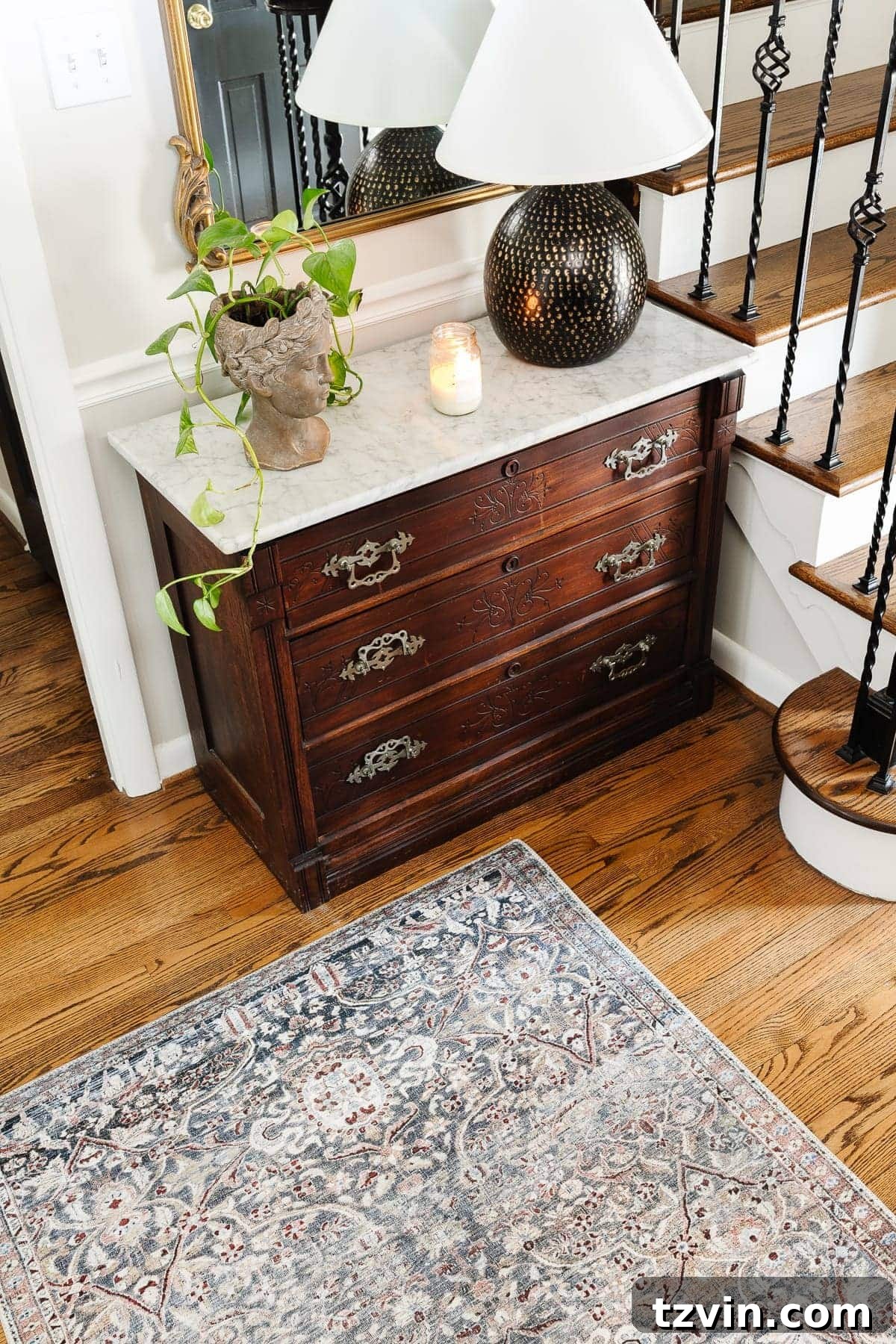
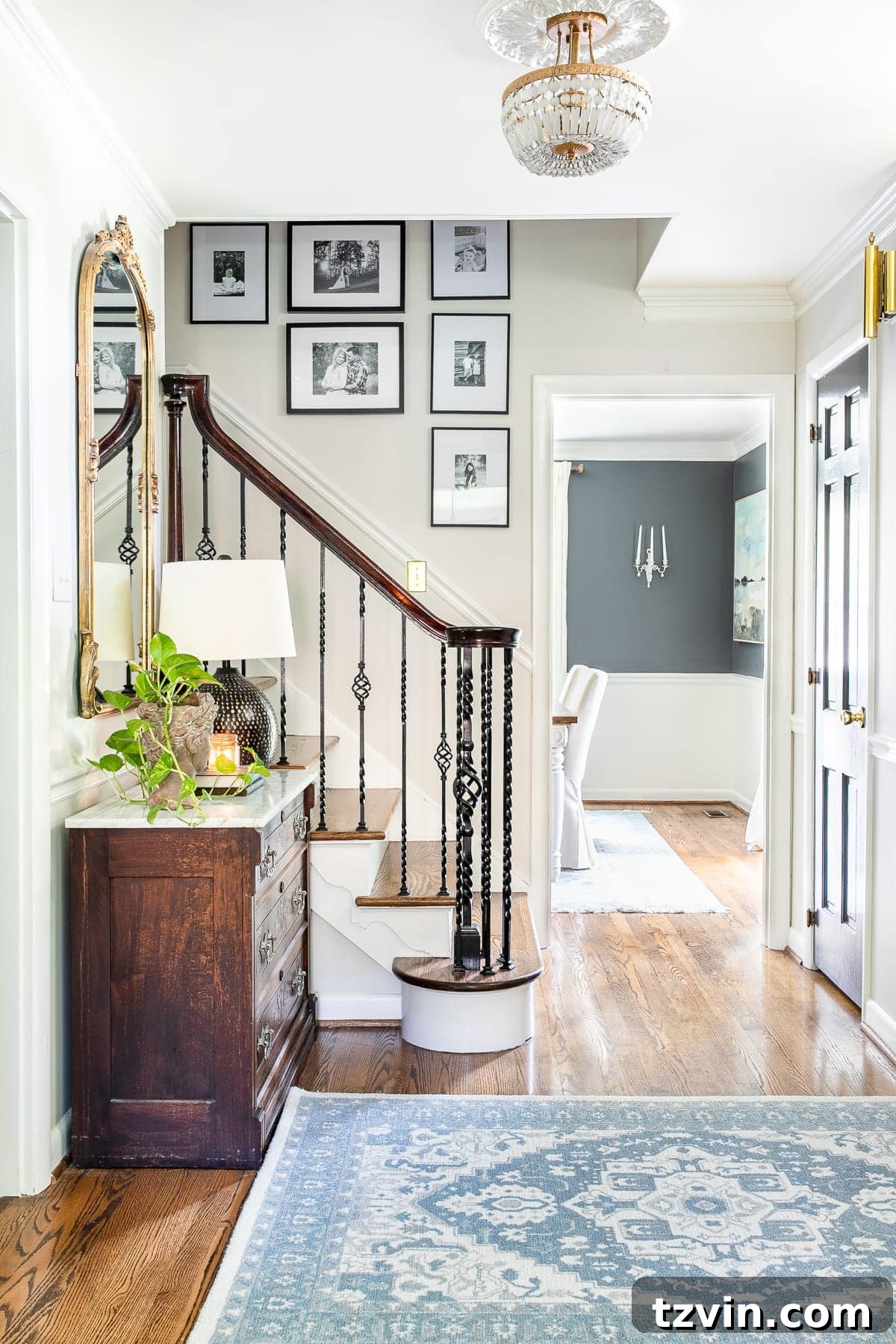
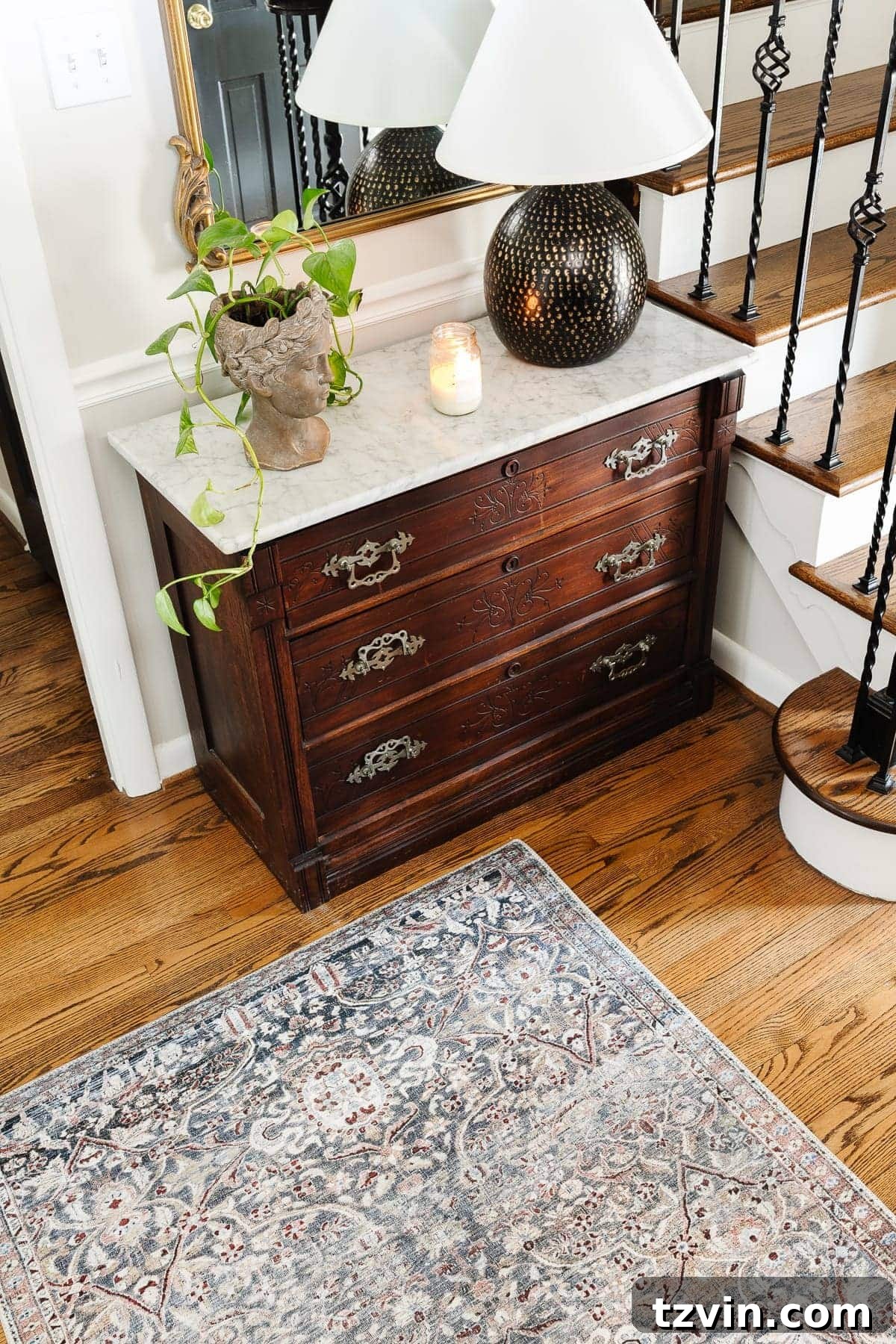
The entryway or foyer sets the tone for your entire home, and the right rug can make a powerful first impression. A common pitfall I’ve encountered, even in my own home, is selecting a rug that’s either too large or too small for the space. For instance, I once chose a beautiful blue rug that ended up butting awkwardly against a chest and even interfered with the front door’s swing. It’s a small detail, but it can disrupt the flow and functionality of your space.
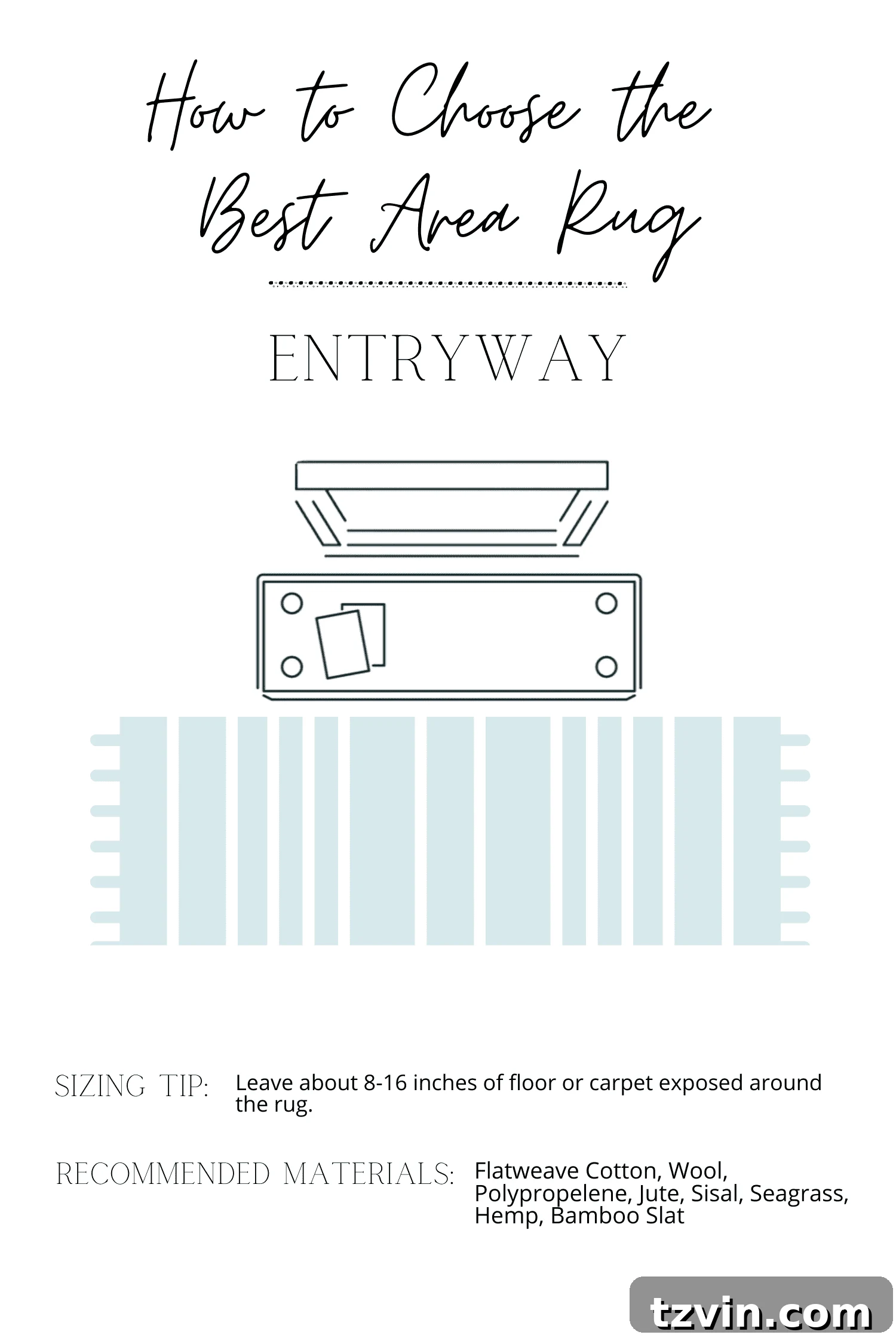
To avoid such issues, aim to leave a consistent margin of bare floor or carpet exposed around the rug – typically 8 to 16 inches. This creates a visual border that makes the entryway feel larger and more intentional. For most standard entryways, a 3×5 rug often provides the perfect fit, allowing adequate breathing room around furniture and doors while still offering ample coverage.
When it comes to materials for entryway rugs, durability is paramount. This area endures heavy foot traffic, dirt, and moisture. Ideal choices include washable cotton flatweaves, which are easy to clean and maintain their vibrant appearance. Wool rugs are another excellent option, known for their natural stain-repelling properties, though it’s worth noting they can shed initially. Synthetic materials like polypropylene offer superb resilience against wear and tear, fading, and moisture, making them incredibly practical for busy households. For those who appreciate natural textures, options such as jute, sisal, seagrass, hemp, and bamboo slat rugs are highly durable and bring an organic, earthy feel to your entrance. They stand up exceptionally well to constant foot traffic and often hide dirt due to their textured appearance.
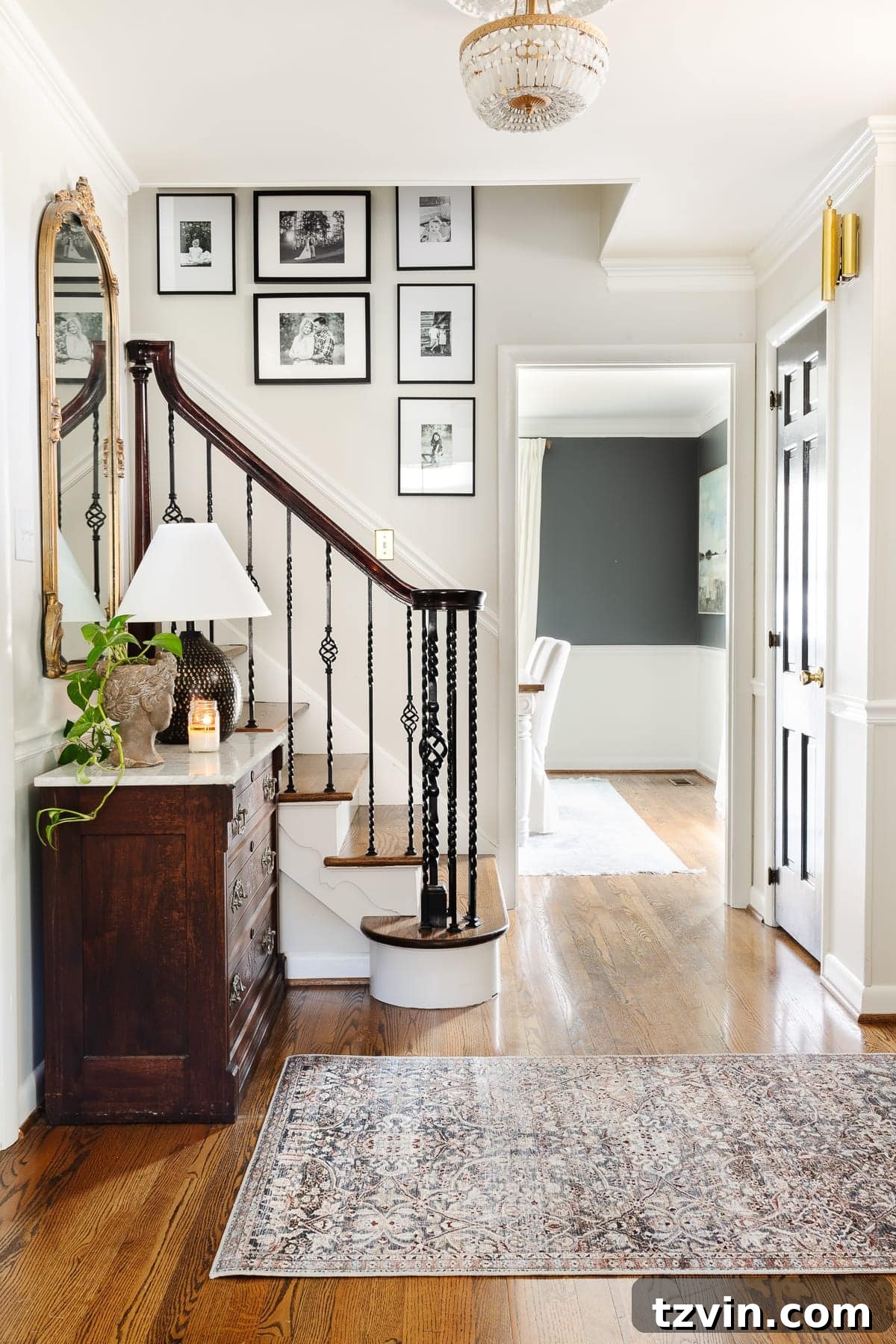
From a design perspective, I highly recommend opting for colorful or intricately patterned rugs in your entryway. Not only do they add a burst of visual interest and style, but their designs are also incredibly effective at camouflaging minor spills, dirt, and wear, keeping your entryway looking pristine longer. A well-chosen entryway rug greets guests with style and provides a practical, resilient surface for your family every day.
Dining Room Rugs: Functionality Meets Elegance
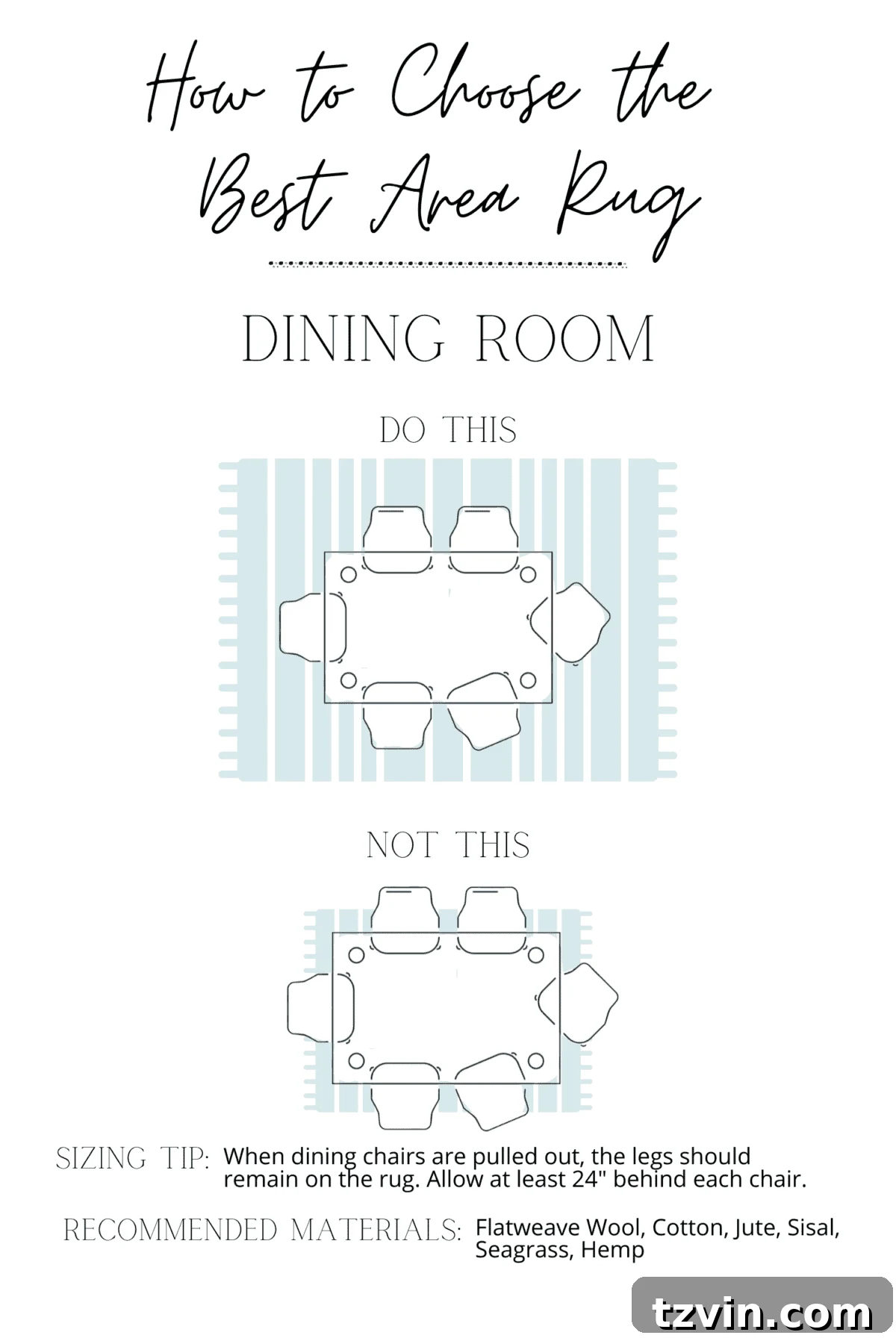
The dining room is a space for gathering, sharing meals, and making memories, and a well-selected rug can significantly enhance its comfort and aesthetic. A common error many people make, which I too have experienced, is choosing an area rug that isn’t large enough to accommodate dining chairs when they are pulled out. This results in the chair legs constantly catching on the rug’s edge, creating an annoying impediment to movement and potentially damaging the rug or floor.
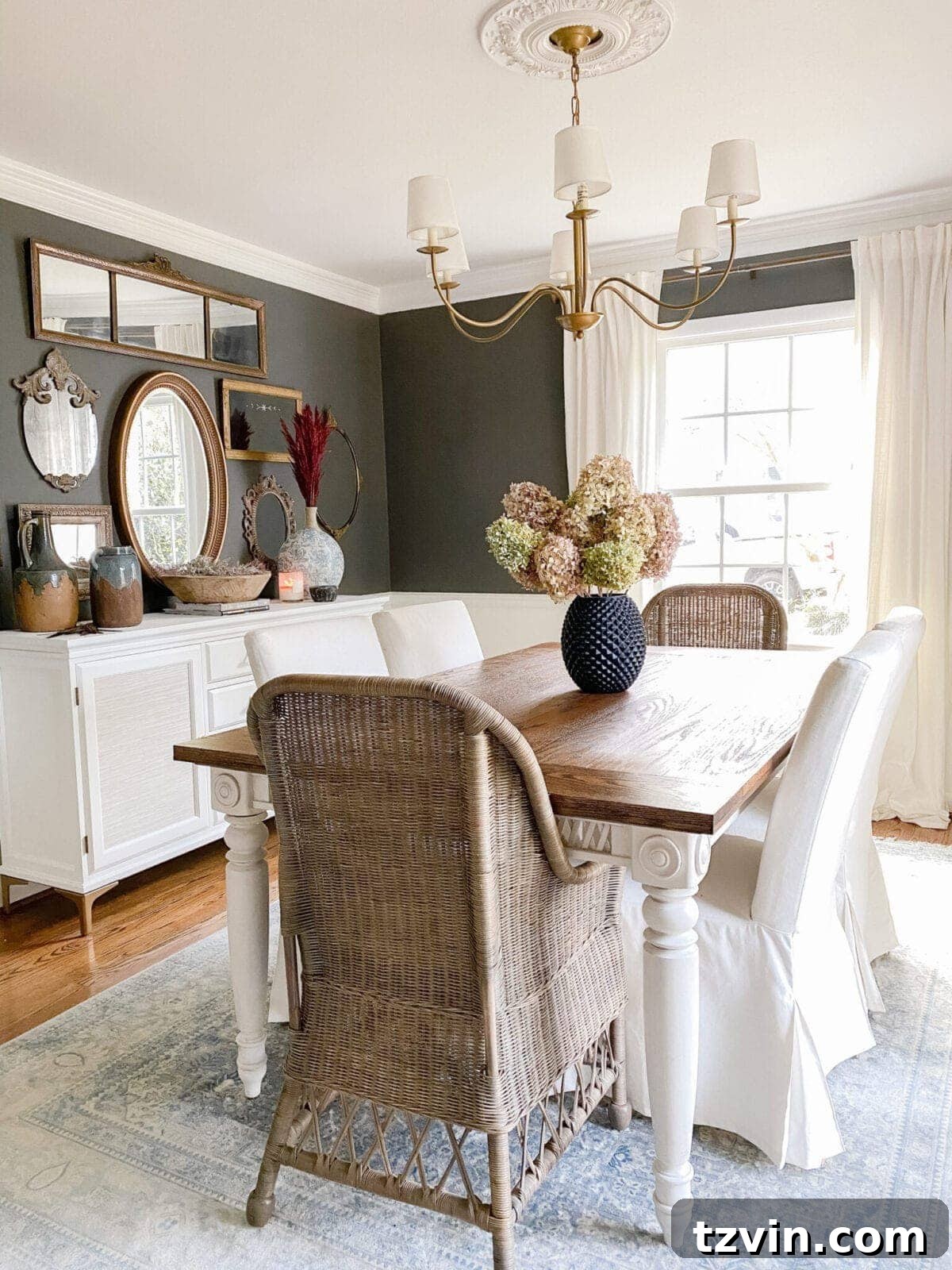
The cardinal rule for dining room rugs is that all chair legs should remain on the rug, even when pulled out from the table. This typically means the rug should extend at least 24 to 30 inches beyond the edge of your dining table on all sides. For a standard 6-seater rectangular dining table (approx. 72×36 inches), an 8×10 or even a 9×12 rug is usually ideal. If you have a round table, say 48 inches in diameter, an 8-foot round rug or an 8×8 square rug would work beautifully. A 6×9 rug is perfect for smaller breakfast nooks or tables, offering enough space for chairs to move freely. You can also successfully use a rectangular or square rug under a round table to create a dynamic visual contrast, as long as the dimensions are generous enough.
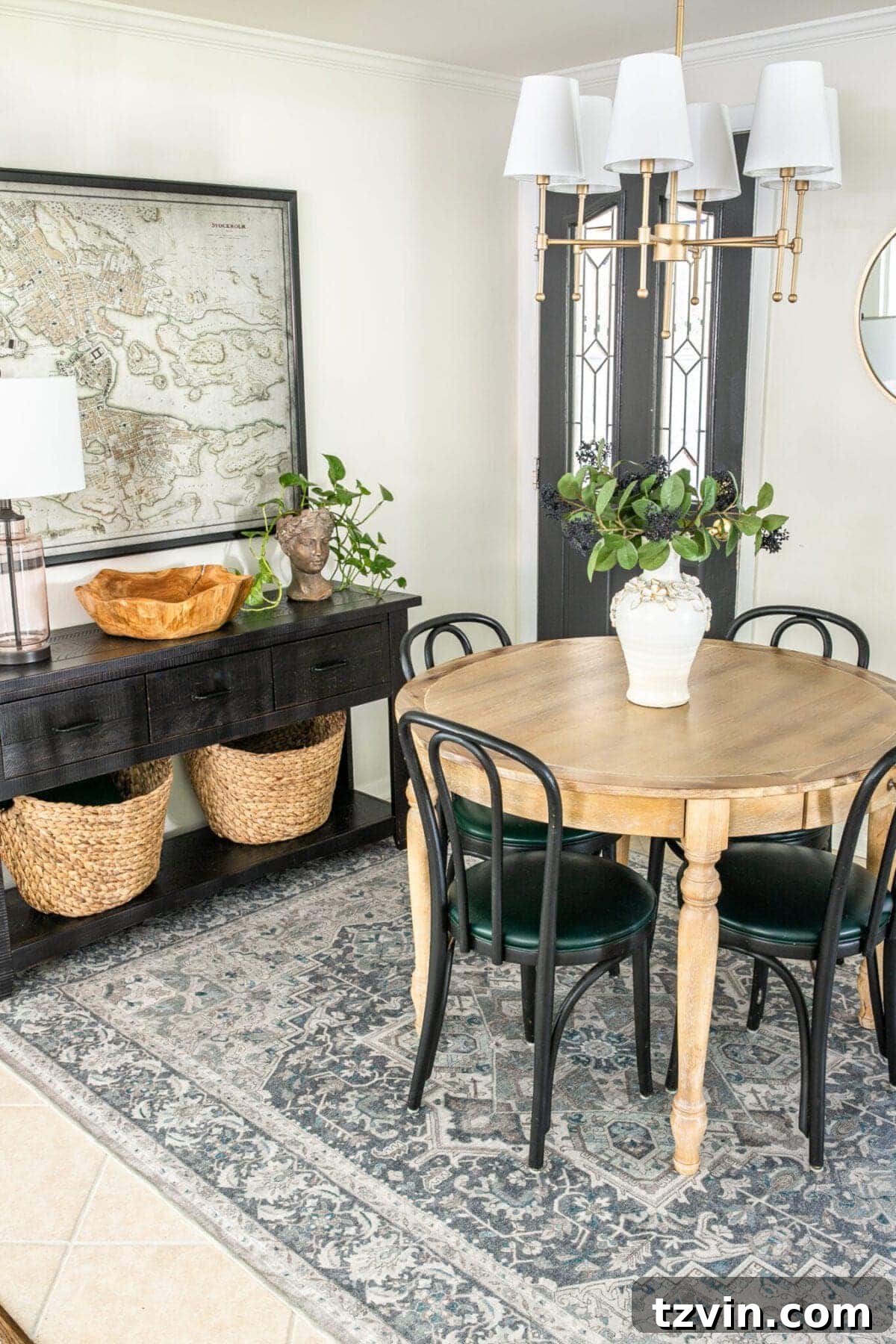
When it comes to materials, flatweave or low-pile rugs are the undisputed champions for dining areas. Their smooth surfaces allow dining chairs to slide in and out effortlessly, preventing snags and making seating adjustments easy. Given the inherent risk of spills and food debris in a dining space, stain-resistant or washable materials are highly recommended. Excellent choices include wool, known for its natural stain- and dirt-repelling qualities, and cotton, especially in flatweave designs that can often be machine-washed. Natural fiber rugs like jute, sisal, seagrass, hemp, and bamboo slat are also fantastic, offering robust durability and unique textures that can elevate your dining room’s style while standing up to everyday messes. These materials are not only practical but also bring a touch of natural elegance to your dining experience.
Living Room Rugs: Anchoring Your Comfort Zone
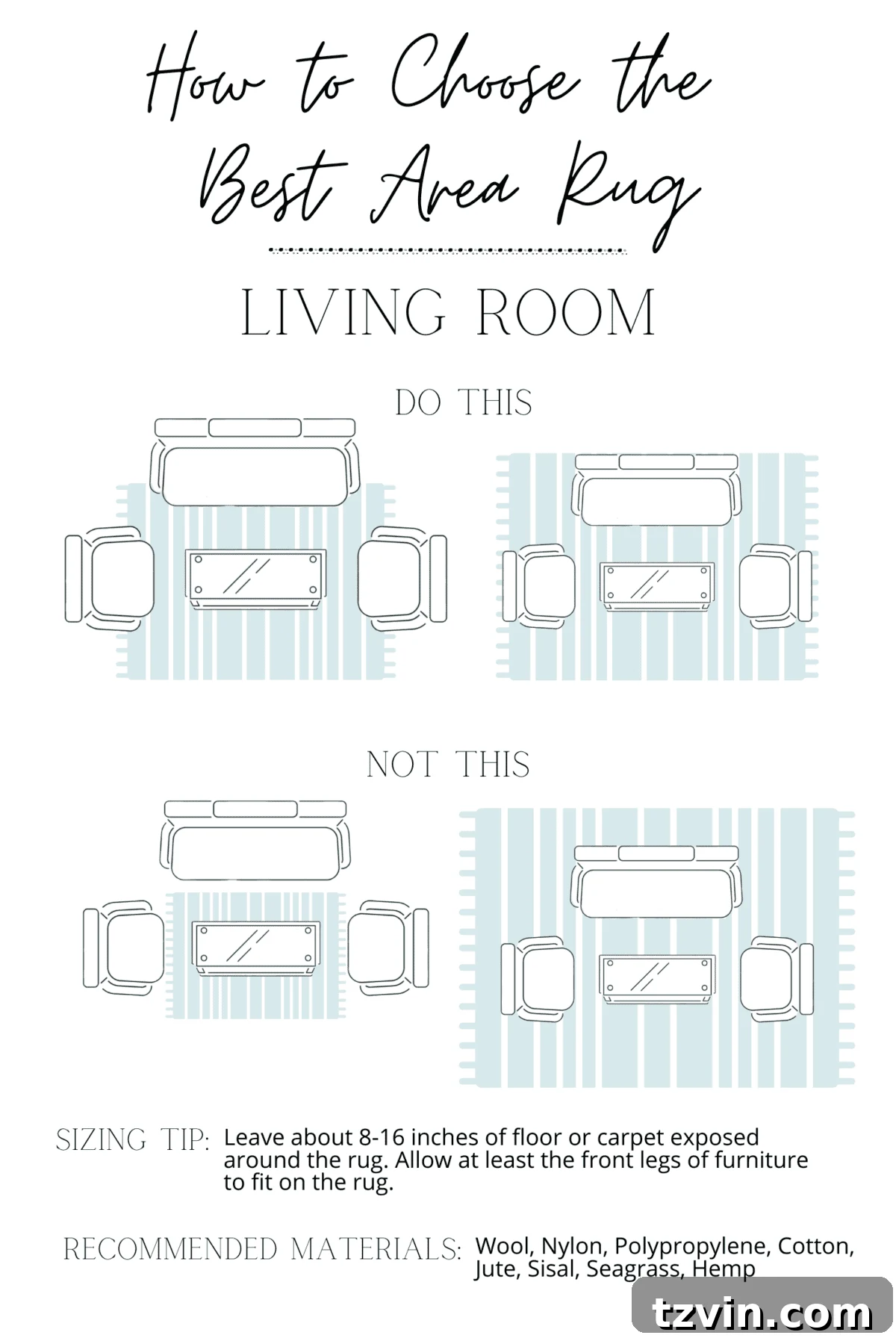
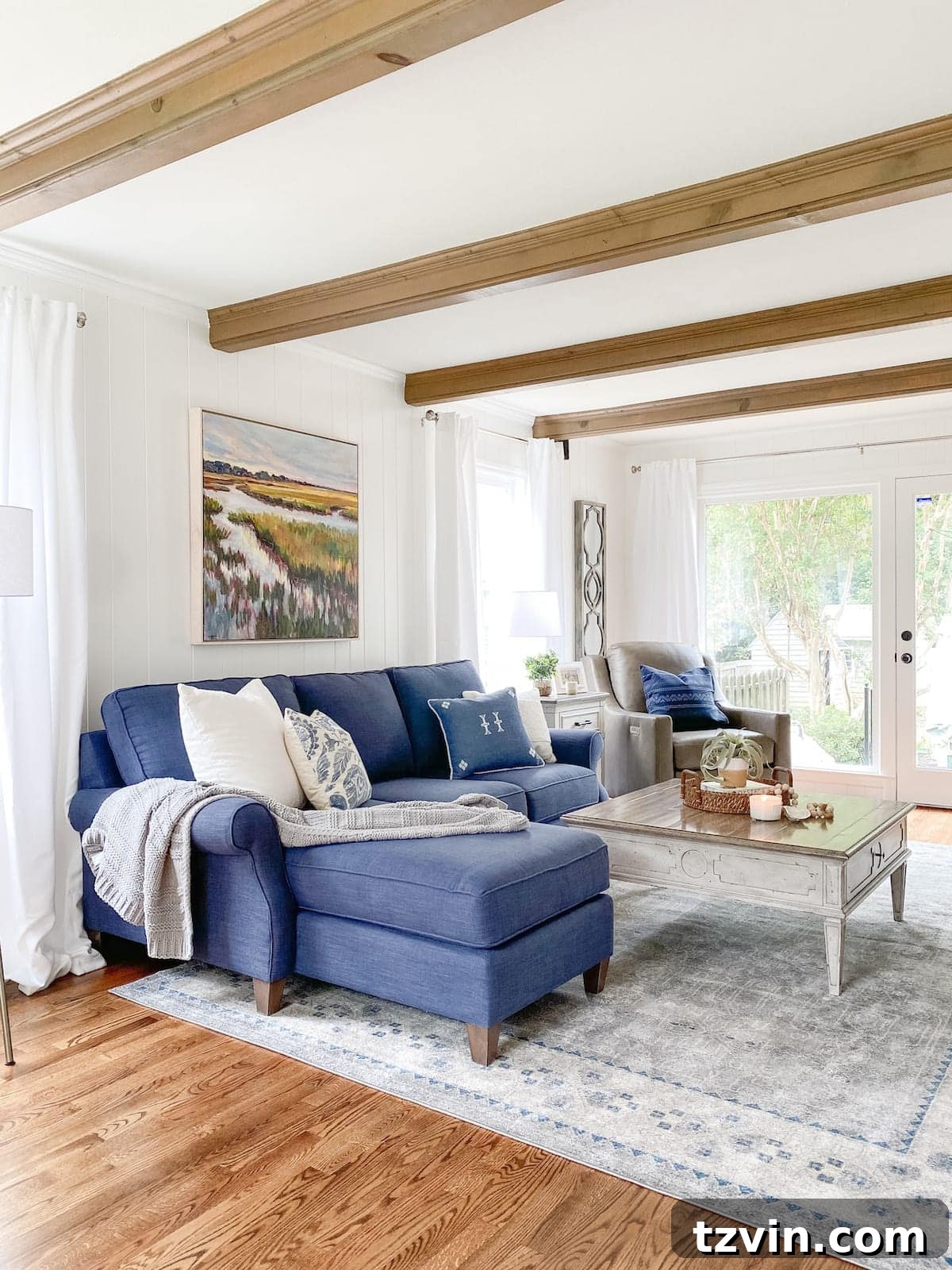
The living room is often the heart of the home, a place for relaxation, entertainment, and connection. An area rug here serves as a powerful anchor, defining the seating area, adding warmth underfoot, and contributing significantly to the room’s overall aesthetic and comfort. Choosing the right size is crucial for creating a cohesive and well-balanced space. The general guideline is to ensure that at least the front legs of all primary furniture pieces (sofa, armchairs) rest on the rug. If you can manage to fit all legs of all furniture on the rug, even better – this creates a luxurious, grand statement, especially in larger living rooms.
For spacious living areas, a 9×12 rug often provides ample coverage, allowing all furniture legs to sit comfortably on it or at least the front legs to define a substantial seating zone. For more narrow or moderately sized living rooms, an 8×10 rug is a versatile choice that can effectively anchor your main seating arrangement. If your space is on the smaller side, or if your furniture layout is compact, a 5×7 or 6×9 rug can still work, provided the front legs of your sofa and accent chairs are on it, or if it simply defines the central coffee table area, creating a cozy focal point.
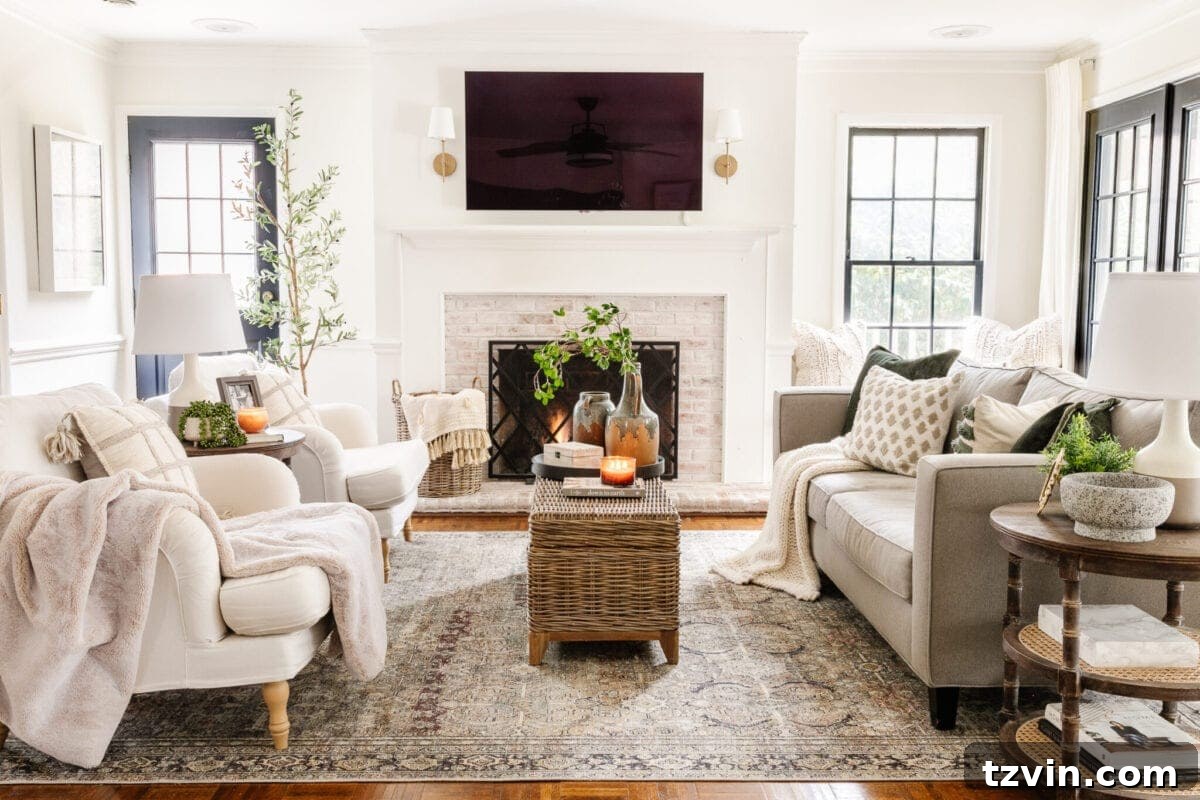
When considering materials, you have more flexibility in the living room compared to higher-traffic areas. You can opt for flatweave rugs for a crisp, clean look, low-pile rugs for a balance of comfort and easy maintenance, or luxurious high-pile rugs (like shags or Friezes) for maximum coziness and a plush feel underfoot. High-pile rugs are particularly excellent for adding texture and insulating sound, making the space feel more intimate and comfortable. For durability and longevity in a room that sees daily use, materials like wool, nylon, and polypropylene are excellent choices, offering resilience against wear and stains. For a more organic and textured aesthetic, natural fibers such as cotton, jute, sisal, seagrass, and hemp also perform wonderfully, bringing an earthy charm and a robust feel to your living space. Consider your lifestyle and desired level of comfort when making your material selection, ensuring your living room rug not only looks beautiful but also withstands daily life.
Bedroom Rugs: Creating a Sanctuary of Softness
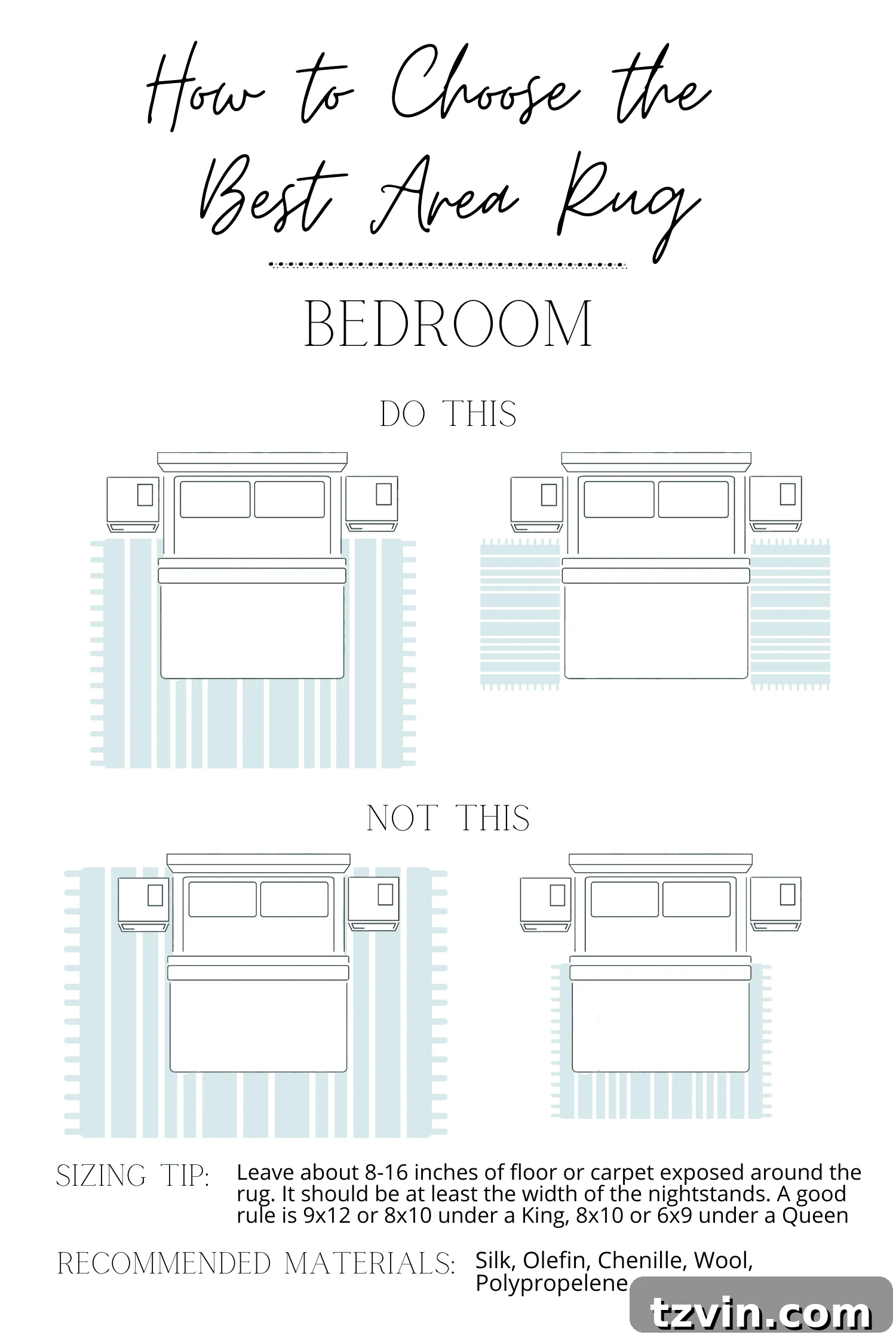
Your bedroom should be a serene retreat, a personal sanctuary where comfort is key, and a well-chosen rug can significantly contribute to this ambiance. Since bedrooms typically experience less foot traffic than other areas of the home, you have the luxury of choosing softer, more luxurious materials that might be less durable but offer unparalleled comfort underfoot. Materials like silk, olefin, and chenille provide a decadent feel, perfect for stepping onto first thing in the morning or last thing at night. Wool and polypropylene are also excellent choices, combining softness with practical durability and often offering good value.
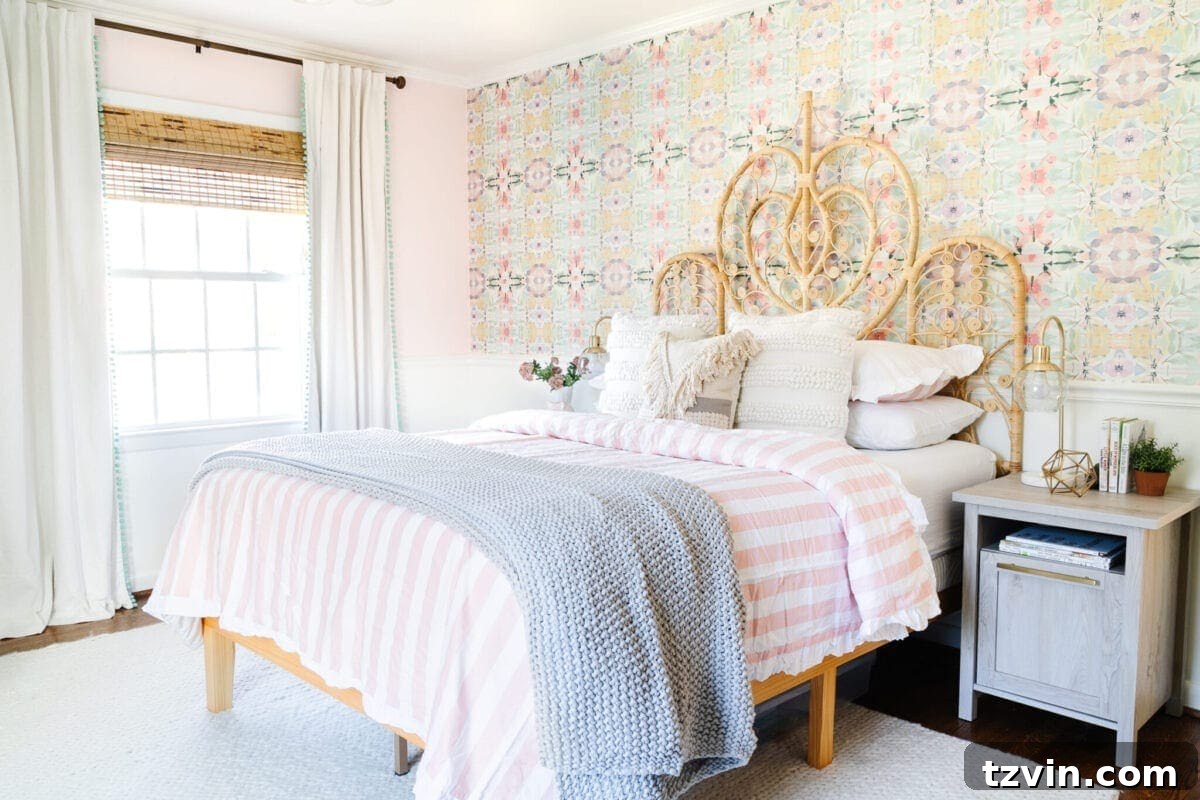
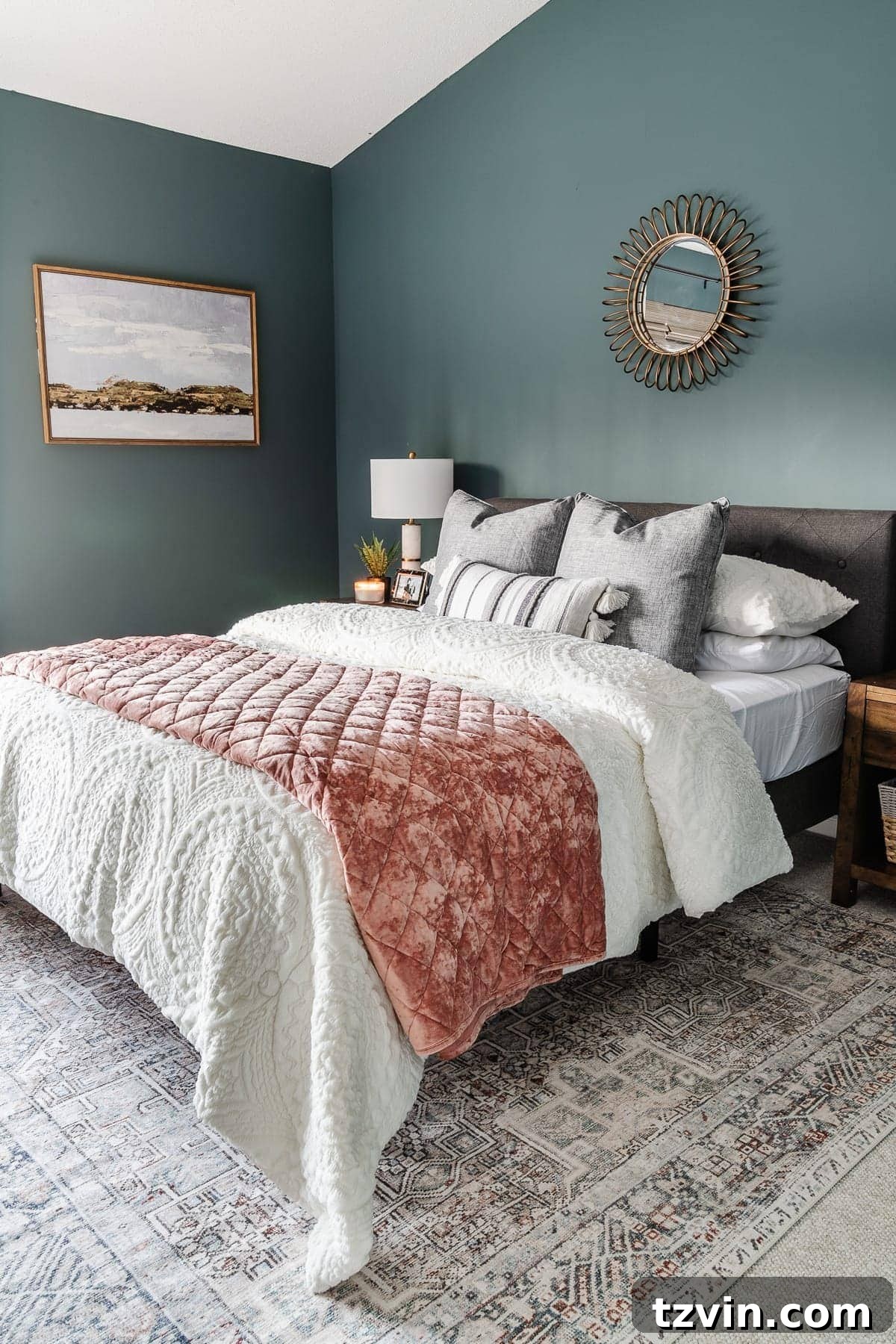
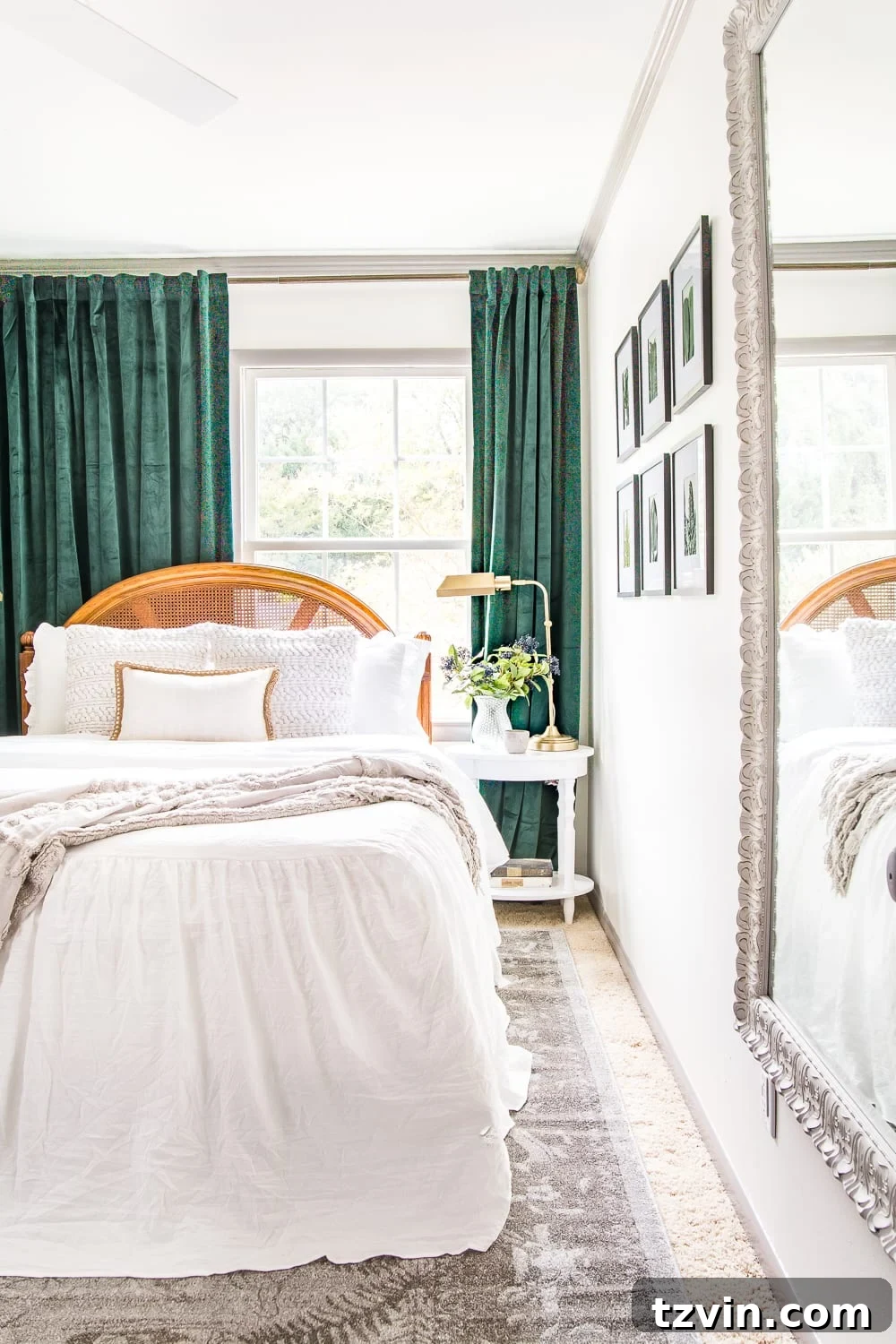
When it comes to sizing, the goal is to frame your bed and provide a soft landing zone around it. For a king-sized bed (approximately 76×80 inches), an 8×10 or even a 9×12 rug works beautifully. An 8×10 rug can be placed to extend from under the top two-thirds of the bed, creating a generous border on the sides and foot of the bed. If your master bedroom is smaller, an 8×10 might still be the right choice to ensure adequate coverage around a king bed without overwhelming the room. For queen-sized beds (approximately 60×80 inches), an 8×10 rug is often ideal, providing ample space for the bed to sit on, with plenty of rug extending on either side and at the foot. A 6×9 rug can also work for a queen bed, covering a good portion underneath and extending out enough to offer a soft landing.
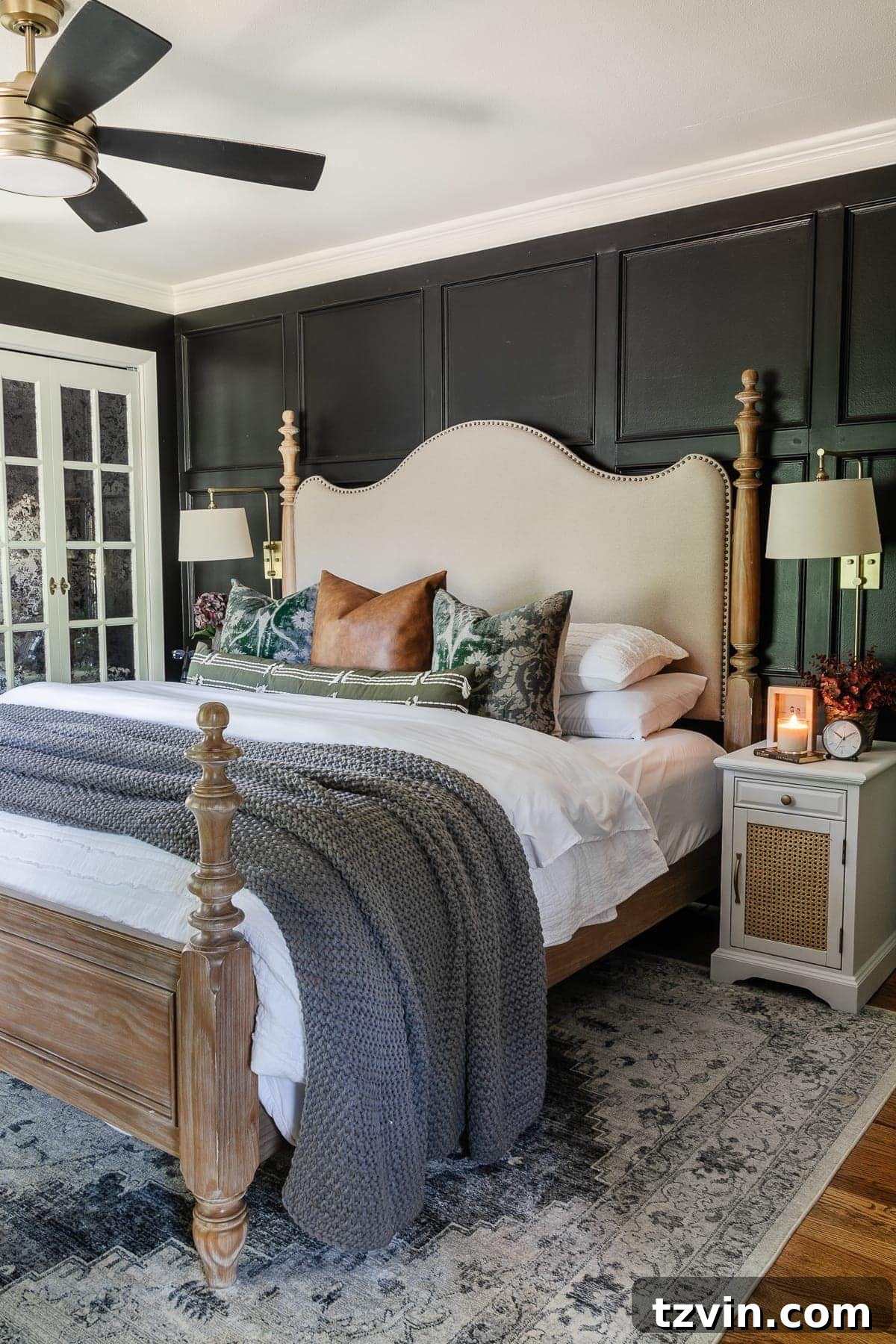
For twin beds (approximately 38×75 inches), a 5×7 rug can be placed either partially under the bed or alongside it, depending on the room’s layout. Alternatively, placing two runners on either side of a bed (especially a queen or king) can also create a luxurious and practical effect. Regardless of the size, the main objective is to ensure that your feet land on a soft, warm surface when you get out of bed, enhancing the overall comfort and luxury of your personal space. Consider the overall room dimensions and the placement of other furniture to determine the most harmonious rug size and orientation, ensuring your bedroom feels truly complete and inviting.
Doorway Rugs: Durable Welcome Mats for Indoors and Out
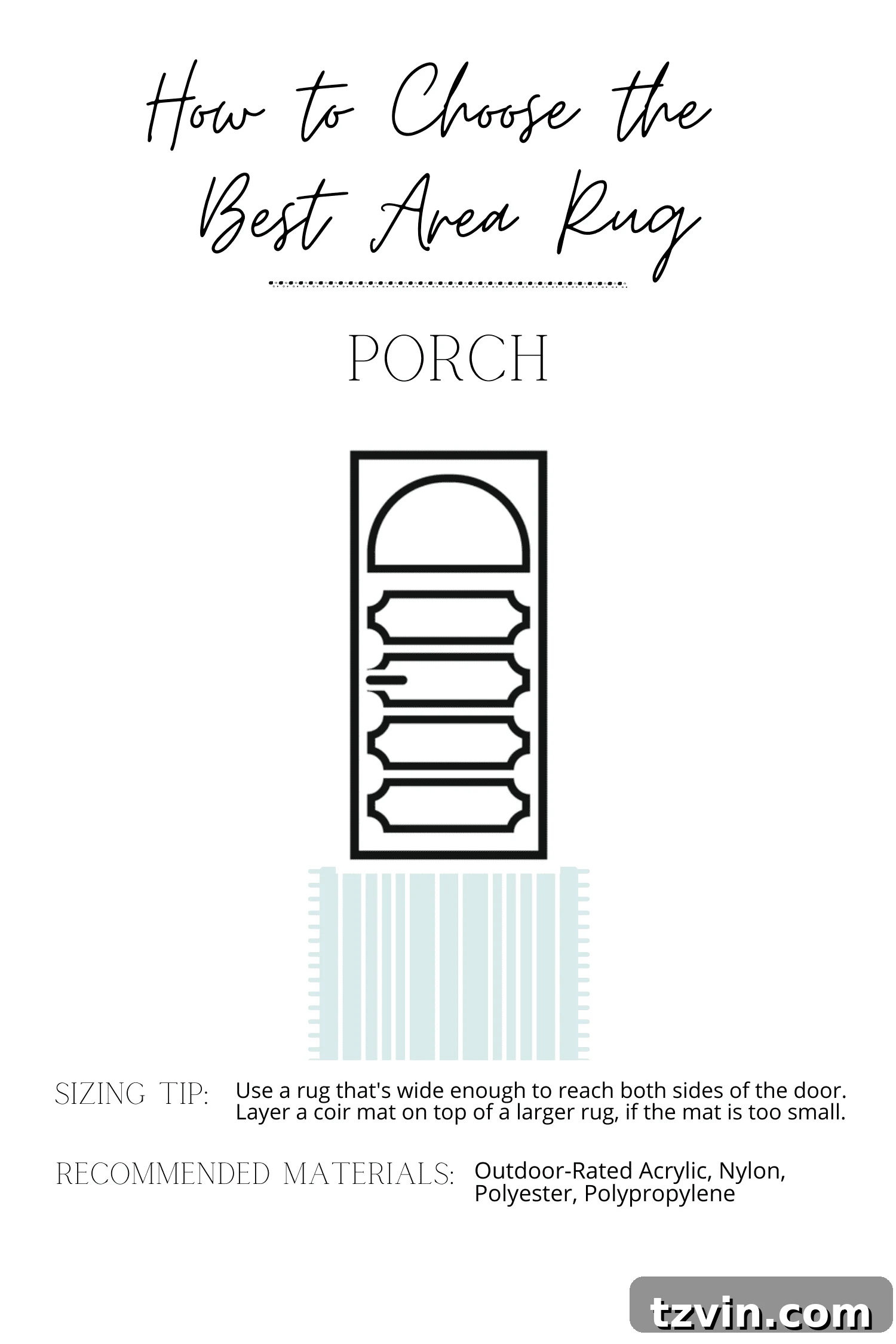
Doorway rugs, whether placed inside or outside your home, serve a dual purpose: they welcome guests and protect your floors from dirt and debris. For both interior and exterior doorways, the rug you choose should be wide enough to comfortably span the width of the door, ensuring full coverage as people enter and exit. This not only looks more aesthetically pleasing but also maximizes its functionality in trapping dirt. The rule of thumb is to select a rug that is at least as wide as your door frame, if not a few inches wider, to create a welcoming and practical threshold.
For outdoor use, such as on a porch or patio, it’s absolutely essential to choose rugs made from materials specifically rated for outdoor conditions. These materials are designed to withstand UV exposure, moisture, mildew, and varying temperatures without fading or deteriorating. Excellent outdoor rug materials include polypropylene, synthetic blends, and recycled plastics, all of which are highly durable, easy to clean, and come in a vast array of colors and patterns. Natural fibers like jute or sisal can be used outdoors if placed in a fully covered area, but generally, synthetics offer better resilience against the elements.

A popular styling trend for outdoor doorways is the layered look, where a smaller, decorative doormat is placed atop a larger, patterned outdoor area rug. This adds depth, texture, and a personalized touch to your entry. However, if you prefer a simpler approach or have already enhanced your porch with decorative elements like a stenciled floor, a single, durable mat can still effectively achieve the desired look and function. The key is to select materials that can endure the unique challenges of their placement while enhancing your home’s curb appeal and maintaining interior cleanliness.

Kitchen Rugs: Adding Style and Comfort to Your Culinary Space
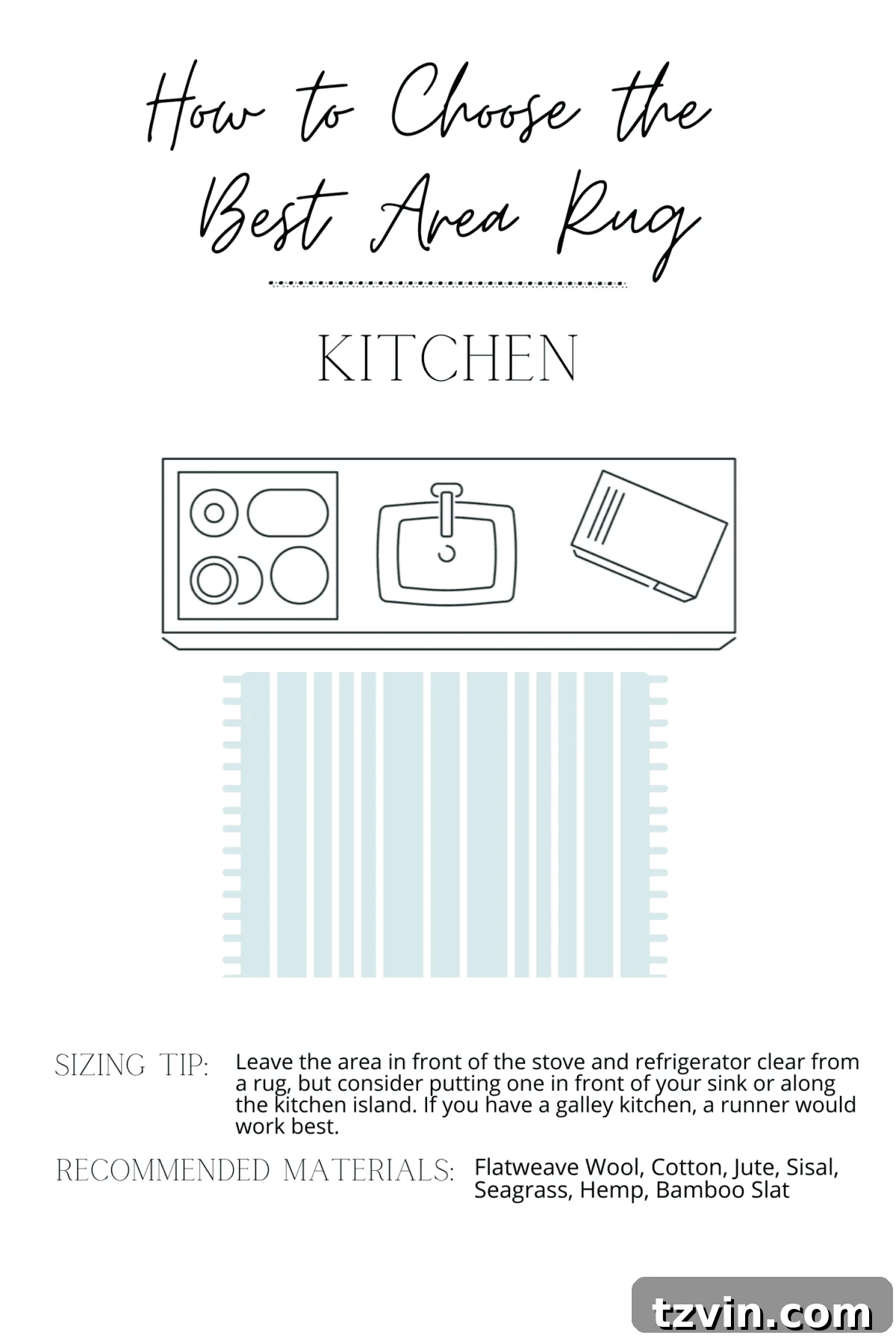
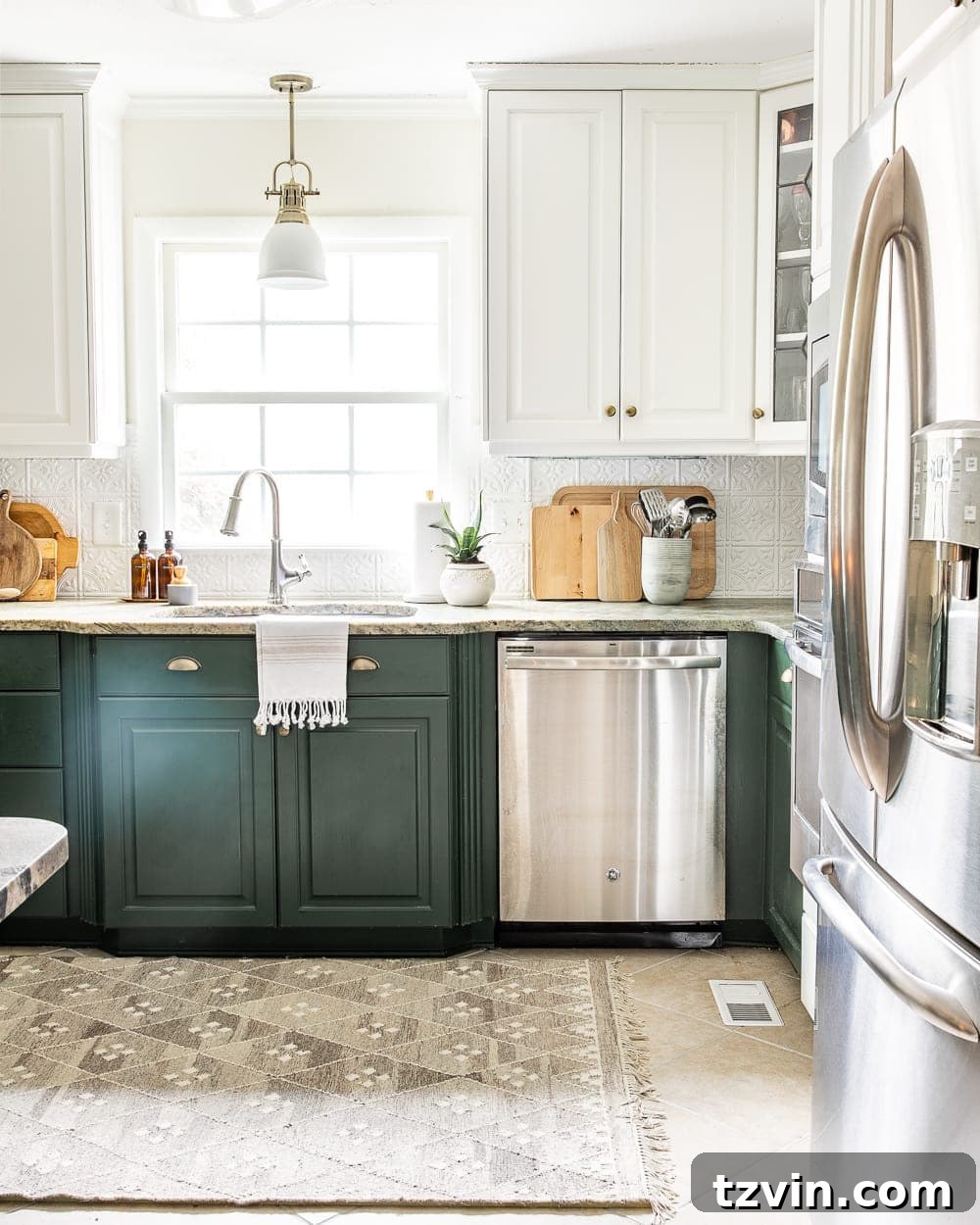
The kitchen, often a hub of activity, can greatly benefit from the addition of a thoughtfully chosen rug. Beyond aesthetics, kitchen rugs provide comfort for standing periods and can protect your flooring from spills and impacts. When placing rugs in the kitchen, it’s generally best to keep the areas directly in front of the stove and refrigerator clear to prevent tripping hazards and ensure easy access. Instead, consider placing a rug in front of your sink, where you spend a considerable amount of time, or along the length of a kitchen island, creating a defined workspace.
For galley kitchens or long, narrow spaces, a runner rug is the ideal choice. Runners, typically measuring 2×6 or 2×8 feet, can beautifully delineate the pathway, add visual interest, and provide cushioned support where you need it most. For specific areas like in front of the sink, smaller 2×3 or 3×5 rugs work perfectly. Always ensure the rug does not impede cabinet doors or appliance drawers from opening fully.
Similar to dining rooms, the kitchen environment demands highly practical rug materials. Flatweave or low-pile rugs are superior here, as they are easier to clean and less likely to become tripping hazards or trap excessive debris. Given the frequent spills and potential for food drops, stain-resistant and washable materials are paramount. Wool rugs are an exceptional choice, naturally repelling stains and dirt, and offering a luxurious feel. Cotton rugs, especially durable flatweaves, are also popular because many can be machine-washed for quick clean-ups. Natural fiber options like jute, sisal, seagrass, hemp, or bamboo slat are robust and handle spills well, often concealing minor marks due to their textured appearance. These materials not only stand up to the rigors of kitchen life but also introduce an element of style and comfort to your culinary space, making cooking and cleaning a more pleasant experience.
Rugs in Open Concept Spaces: Defining Zones and Creating Flow
Open concept living spaces are incredibly popular, offering a sense of airiness and connectivity. However, they can also present a unique challenge when it comes to rug placement: how do you define different functional zones without making the space feel choppy or visually cluttered? The key lies in creating harmony and flow, not uniformity. If you have an open concept layout, resist the urge to choose rugs that match exactly. Instead, focus on selecting rugs that have similar color palettes and complementary styles, allowing each area to feel distinct yet connected.
The goal is to maintain visual cohesion while providing individual character to each zone. For instance, if your living room features a blue striped flatweave rug, consider using a blue checked flatweave rug in the adjoining dining space. Both rugs would belong to the same color family, share a geometric pattern style (straight lines), and be made of similar material types, but their distinct patterns prevent them from looking too matchy-matchy. This approach creates a sense of intentional design and visual interest, guiding the eye smoothly from one area to the next without abrupt transitions.
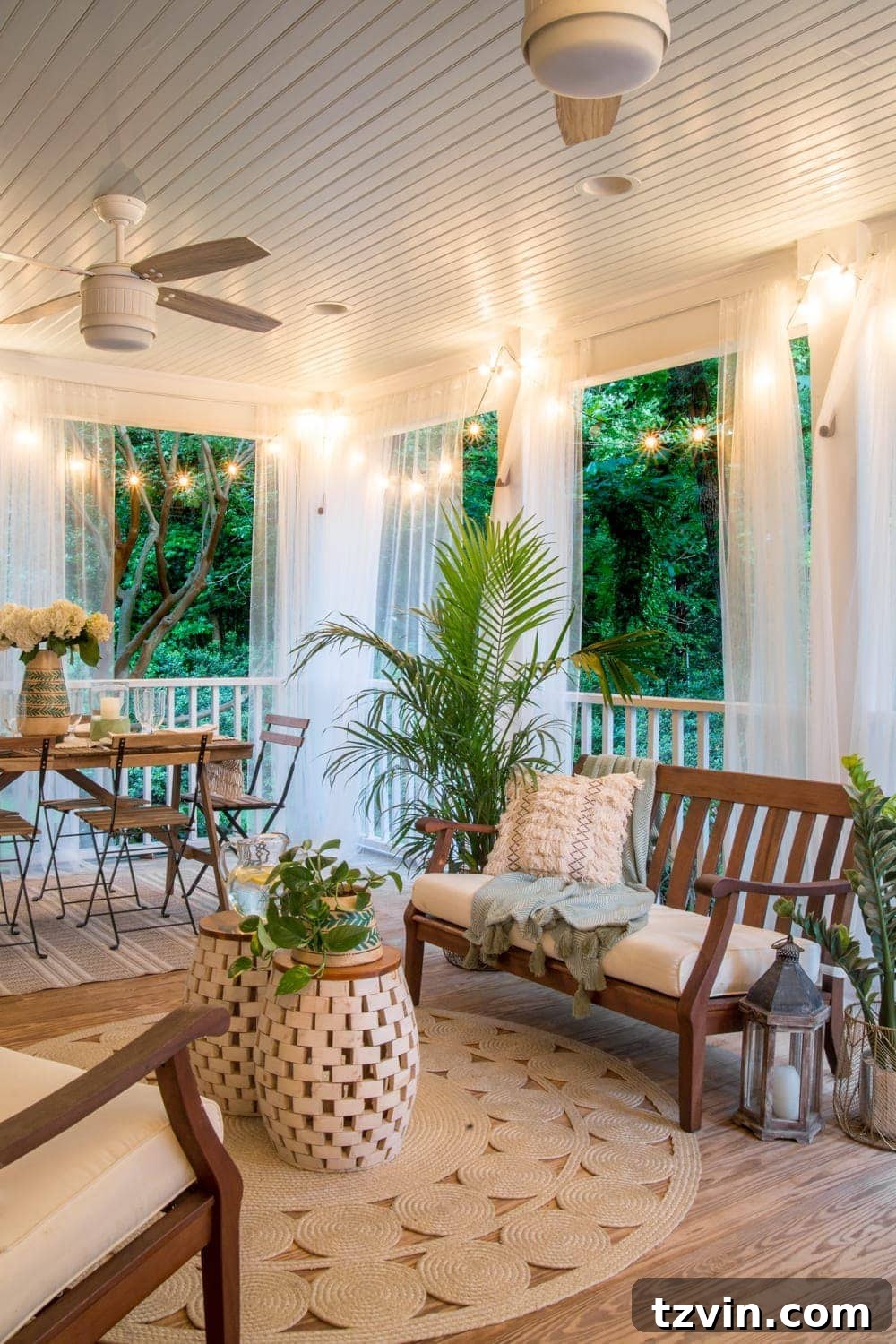
Another effective strategy is to mix textures and shapes within a similar color story. For example, on a large back porch, you might pair a round jute rug with a rectangular natural-striped outdoor rug. While one is round and textured, and the other rectangular with a linear pattern, their shared natural tones and casual vibe ensure they work together seamlessly as a pair. This layering of textures and subtle variations in pattern prevents an open space from feeling monotonous, inviting discovery as you move through it.
When curating rugs for an open concept, think about how each rug contributes to the overall narrative of the space. They should echo each other in some way—perhaps through a shared dominant color, a common underlying texture, or a similar design aesthetic—but each should also possess enough individuality to mark its specific zone. This balance between unity and variety is what truly makes an open concept space feel thoughtfully designed, comfortable, and inviting.
These are some of my favorite pairings for open concept spaces:
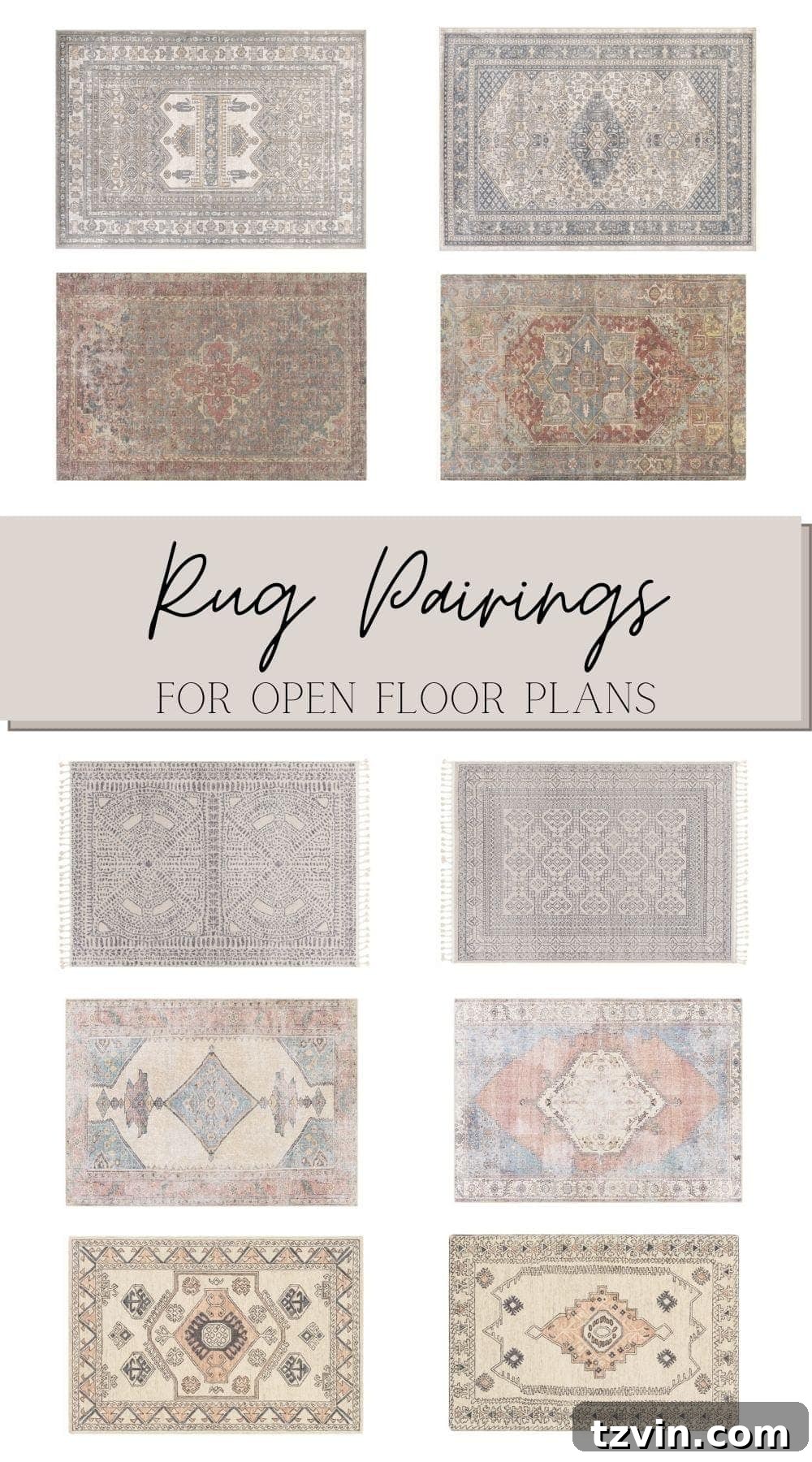
1 | 2 | 3 | 4 | 5 | 6 | 7 | 8 | 9 | 10
And these are some of my favorite budget-friendly rugs:
Navigating the world of area rugs can feel daunting, with countless options in sizes, materials, and styles. However, by understanding these fundamental guidelines for each room and embracing creative strategies for open concept spaces, you’re now equipped to make informed decisions that will beautifully enhance your home. Remember, a rug is more than just a floor covering; it’s a vital piece of decor that adds comfort, defines function, and expresses your personal style. I hope this comprehensive guide has illuminated the path to choosing the perfect rug every time, making your decorating journey a little bit easier and a lot more enjoyable.