
This post is sponsored by Alexander James Tile Studio.
Marble Tile vs. Marble Effect Porcelain: Choosing the Ideal Surface for Your Kitchen or Bathroom Remodel
Embarking on a kitchen or bathroom remodel often brings with it a cascade of design decisions, and few are as impactful or hotly debated as the choice of tiling material. For many homeowners, the timeless elegance of marble is a dream, but the practicalities can lead them to consider its sophisticated doppelgänger: marble effect porcelain tile. This comprehensive guide will delve into the nuanced pros and cons of both natural marble and high-quality marble effect porcelain, equipping you with the knowledge to make the best selection for your home transformation.
The allure of marble is undeniable. Its organic patterns, unique veining, and luxurious feel have graced interiors for centuries, symbolizing opulence and refined taste. However, the modern market offers incredibly convincing alternatives that mimic marble’s aesthetic with enhanced durability and ease of maintenance. This creates a compelling dilemma: should you invest in the authentic natural stone, with all its inherent characteristics, or opt for the engineered solution that promises beauty with less fuss?
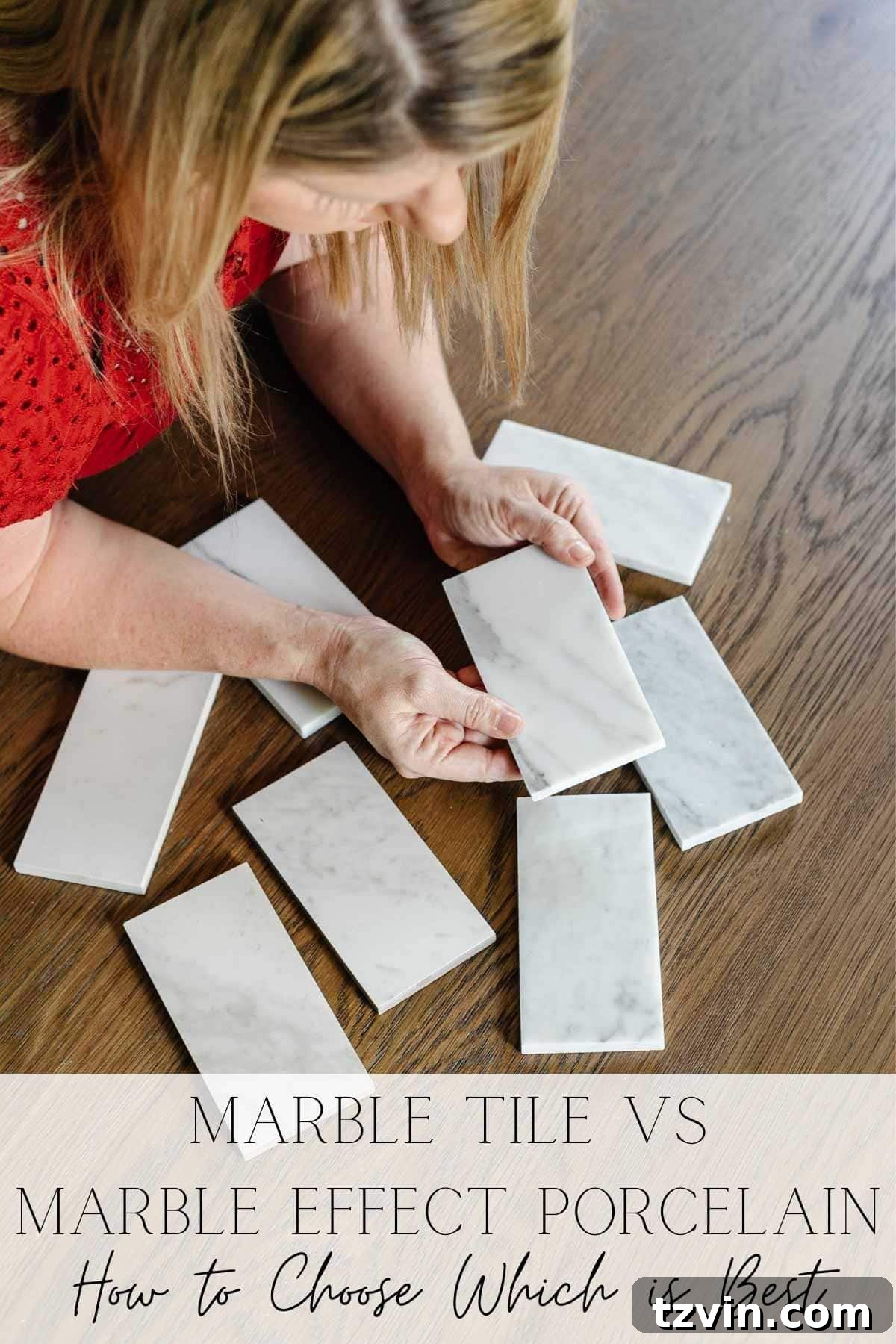
Making an informed decision on flooring and wall coverings is a critical step in any renovation project. The right choice will not only define the aesthetic of your space but also impact its functionality, maintenance requirements, and long-term value. We understand that this choice can be complex, often leading to internal debates about beauty versus practicality. That’s why we’ve conducted extensive research, diving deep into the characteristics of each material to provide you with a clear, straightforward breakdown.
To truly understand the differences, we thoroughly examined various samples. We ordered a wide array of options, including genuine marble tiles and an impressive selection of marble look porcelain tiles from Alexander James Tile Studio. Seeing and feeling these options firsthand allowed for a meticulous comparison, revealing the subtle yet significant distinctions that might sway your decision. We hope this detailed analysis will simplify your remodeling journey, bringing you closer to creating the space of your dreams.

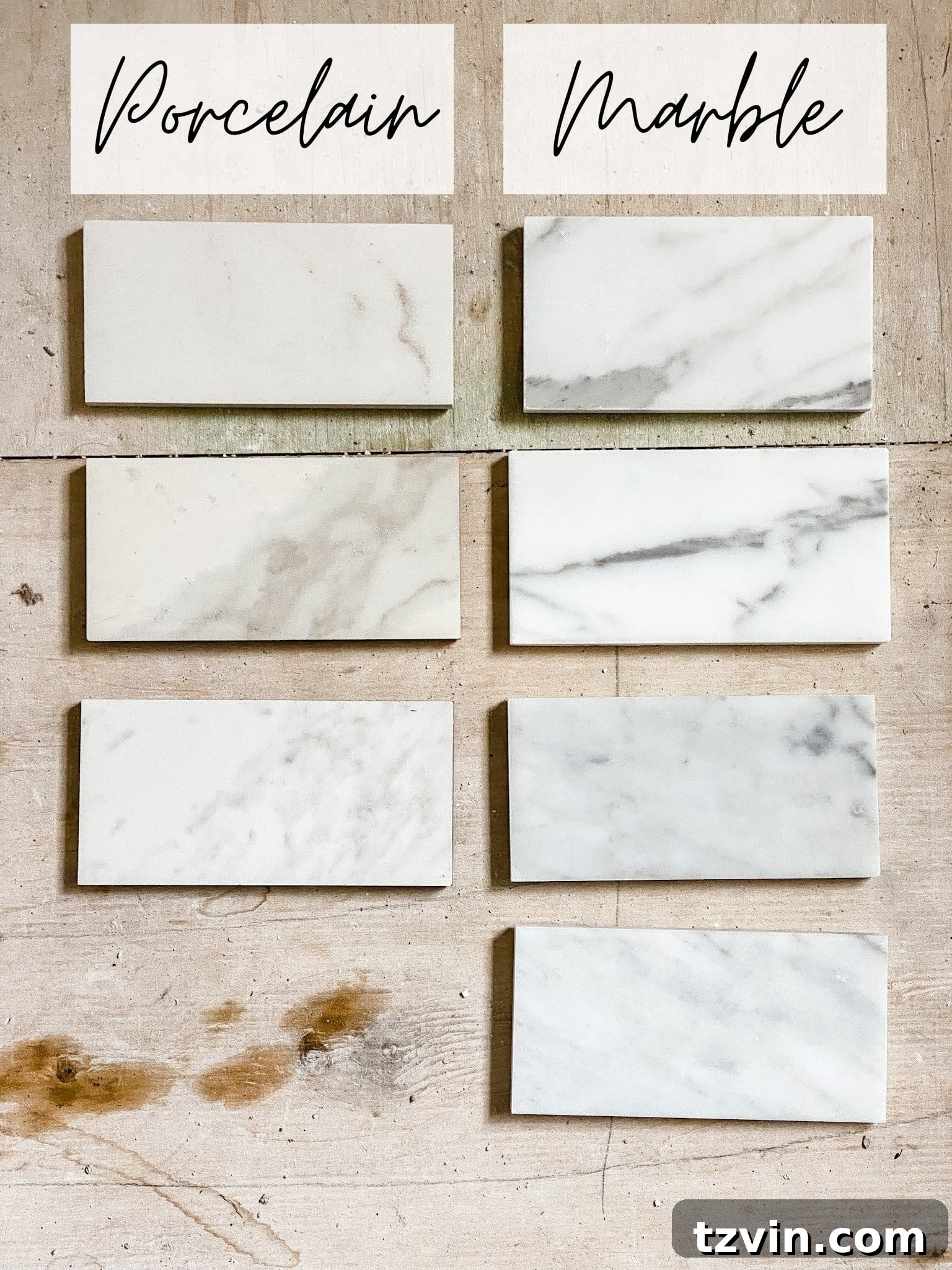
Featured Samples: Semi-Polished Calacatta Porcelain | Matte Calacatta Porcelain | Polished Carrara Porcelain | Polished Calacatta Gold Bettogli Marble | Honed Calacatta Marble | Polished Carrara Marble | Honed Carrara Marble
Natural Marble Tiles vs. Marble Effect Porcelain Tiles: A Detailed Comparison for Your Home
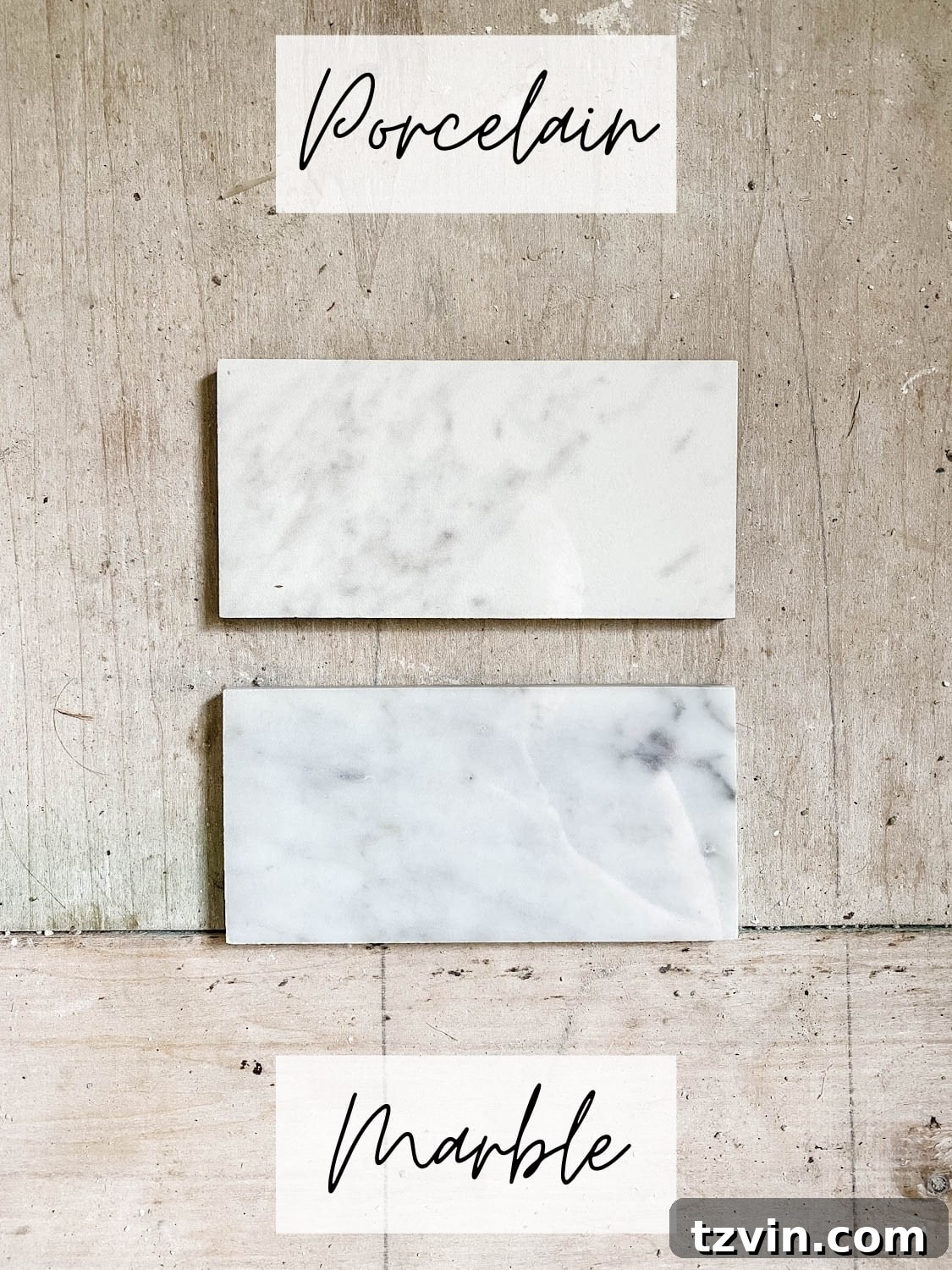
The choice between natural marble and marble effect porcelain hinges on a balance of aesthetics, functionality, cost, and maintenance tolerance. Understanding the core characteristics of each material is paramount to making a decision you’ll be happy with for years to come.
Natural Marble Tiles: Unrivaled Elegance and Character
Natural marble is a metamorphic rock formed from recrystallized carbonate minerals, most commonly calcite or dolomite. Its distinctive veining and patterns are created by various mineral impurities present during its formation, making each slab and tile truly unique.
Pros of Natural Marble:
- Unparalleled Natural Beauty: Each piece of marble boasts unique veining and organic variations, offering an authentic, luxurious aesthetic that cannot be perfectly replicated. Its inherent depth and character evolve over time, contributing to a truly timeless appeal.
- Distinctive Depth and Luster: The way marble catches and reflects light provides a unique luminosity, especially with a polished finish. This light-reflecting property can make smaller rooms feel more open and expansive.
- Natural Thermal Regulation: Marble acts as a superior insulator compared to porcelain. It remains relatively cool to the touch even under direct sunlight, making it pleasant in warmer climates. Conversely, it retains warmth in winter, providing a comfortable surface underfoot.
- Long-Term Value: Due to its wide appeal and association with luxury, natural marble can significantly increase a home’s resale value, making it a sound investment for discerning homeowners.
- Sustainable Material: As a natural stone, marble is an Earth-friendly option, provided it is responsibly quarried. It’s a material that has stood the test of time, embodying natural durability and beauty.
Cons of Natural Marble:
- Porous and Prone to Staining: Marble is a porous material, meaning it can absorb liquids, making it highly susceptible to staining from spills like wine, oil, coffee, or acidic substances. These substances can also etch the surface, dulling its finish.
- High Maintenance Requirements: To preserve its quality and appearance, marble requires consistent and careful cleaning using pH-neutral cleansers. It also demands regular sealing, typically every 6-12 months, to enhance its resistance to stains and etching.
- Susceptible to Scratches and Chipping: Being a softer stone than porcelain, marble can scratch more easily from abrasive particles (like sand underfoot) or suffer chips if heavy objects are dropped on it.
- Costly Investment: Natural marble typically commands a higher price point than porcelain tiles, both for the material itself and for its specialized installation, which can be more labor-intensive.
- Challenging to Match: Due to its natural variations, matching existing marble tiles for repairs or extensions can be exceptionally difficult, as veining patterns and color tones can differ significantly even within the same quarry batch.
Marble Look Porcelain Tile: Beauty Meets Durability
Marble look porcelain tile is an engineered product made from highly refined clay and other natural materials, fired at extremely high temperatures. This process results in a dense, non-porous tile that can mimic the appearance of natural marble with remarkable accuracy.
Pros of Marble Look Porcelain Tile:
- Exceptional Stain Resistance: Porcelain is practically non-porous, making it the best material for resisting stains from almost any liquid. This eliminates the worry of spills setting in.
- Minimal Maintenance: Unlike natural marble, porcelain tiles do not require sealing. Regular cleaning with standard household cleaners is sufficient to maintain their pristine condition, and cleaning frequency will not compromise their quality.
- Superior Durability: Porcelain is a harder material than marble, offering excellent resistance to scratches, chips, and daily wear and tear. It can withstand heavy foot traffic and is a robust choice for busy areas.
- Easy to Clean: Its non-porous surface makes cleaning effortless. Porcelain can also tolerate more abrasive cleansers than marble, providing greater flexibility in maintenance.
- Cost-Effective Solution: Generally, marble look porcelain is more affordable than natural marble, both in terms of initial material cost and installation, offering a high-end aesthetic without the premium price tag.
- Consistent Appearance and Matching: Manufactured with controlled patterns, porcelain tiles offer a consistent look, making it easier to match tiles for repairs, replacements, or future expansions.
Cons of Marble Look Porcelain Tile:
- Manufactured Appearance: While modern technology has made incredible strides, the veining design in porcelain is replicated rather than naturally occurring. This can sometimes result in a less varied, more repetitive pattern that discerning eyes might notice.
- Less Natural Character: Due to its consistent manufacturing, porcelain may lack the deep, evolving character and truly random patterns found in natural stone.
- Prone to Shattering: Although highly durable, porcelain tile can be more prone to shattering or cracking cleanly if a very heavy or sharp object is dropped directly on it, especially compared to marble which might chip or dull instead.
- Cooler Underfoot: Porcelain typically feels colder than natural marble, particularly in winter. While this can be mitigated with underfloor heating systems, it’s a factor to consider for comfort.
- Less Light Reflection (Varies): While highly polished porcelain can reflect light, it generally does so differently than natural marble’s inherent luminosity. Some porcelain finishes may reflect less light, potentially making rooms feel less expansive unless specifically designed with a high-gloss finish.
Polished Marble vs. Honed Marble: Understanding Surface Finishes
Beyond choosing between natural and engineered stone, you also need to consider the finish of the marble itself. Both polished and honed marble offer distinct aesthetics and performance characteristics, impacting the overall feel and practicality of your space.
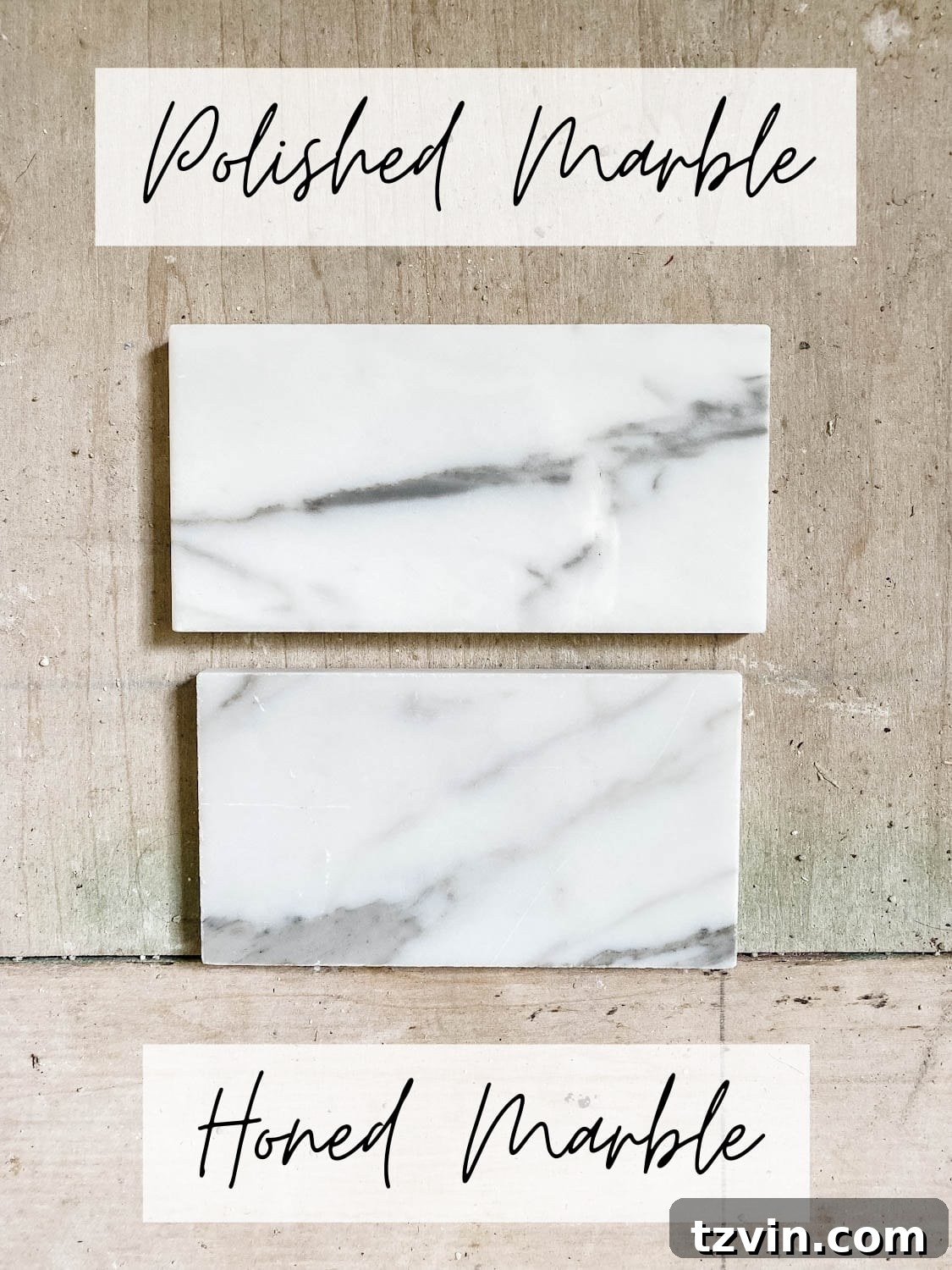
Polished Marble Tiles: Reflective Sophistication
Polished marble undergoes a rigorous sanding and buffing process to achieve a high-gloss, mirror-like finish. This finish enhances the stone’s natural colors and veining, creating a dramatic and elegant appearance.
Pros of Polished Marble:
- Enhanced Light Reflection: The highly reflective surface of polished marble excels at bouncing light around a room, making small spaces appear larger, brighter, and more open.
- Vibrant Aesthetics: The polishing process deepens the colors and intensifies the natural veining of the marble, making patterns more pronounced and visually striking.
- Easier Surface Cleaning: Its smooth, sealed surface is generally easier to wipe clean of dust and dirt compared to a honed finish, as there are fewer microscopic pores for grime to settle into.
- Slightly More Stain Resistant: While still porous, a well-sealed polished surface can offer a bit more resistance to immediate staining compared to honed marble, as liquids tend to bead on the surface longer.
Cons of Polished Marble:
- Higher Scratch Visibility: Scratches, even minor ones, can be more noticeable on a highly polished surface due to the way they disrupt the uniform reflection of light.
- Increased Slipperiness When Wet: The smooth, glossy surface of polished marble becomes significantly more slippery when wet, posing a safety concern, especially in bathrooms or kitchens.
- Shows Smudges and Water Spots: Fingerprints, smudges, and hard water spots are more conspicuous on a polished finish, requiring more frequent wiping to maintain its pristine look.
- Etching is More Apparent: Acidic etching, which dulls the surface, is highly visible on polished marble, as it removes the glossy finish in affected areas.
Honed Marble Tiles: Subtle Elegance and Practicality
Honed marble has a soft, matte, or satin finish, achieved by stopping the polishing process before the stone becomes shiny. This results in a less reflective surface that offers a more subdued and contemporary aesthetic.
Pros of Honed Marble:
- Enhanced Scratch Resistance (Visual): While still susceptible to scratching, the matte finish of honed marble tends to conceal minor scratches and imperfections more effectively than polished marble.
- Better Slip Resistance: With its less slick surface, honed marble offers improved traction and a more “non-slip” reputation when in contact with water, making it a safer choice for bathroom floors.
- Conceals Smudges and Etching: The lack of a high sheen means that smudges, fingerprints, and minor etching marks are far less noticeable, contributing to an overall lower-maintenance appearance.
- Modern Aesthetic: Honed marble offers a sophisticated, understated elegance that is popular in contemporary and minimalist designs.
Cons of Honed Marble:
- Less Reflective: Honed marble does not reflect as much light as its polished counterpart, meaning it won’t contribute as much to making a room feel larger or brighter.
- More Susceptible to Stains: Because its surface is slightly more open, honed marble can be marginally more susceptible to staining than polished marble, requiring vigilant sealing.
- Requires More Effort to Clean Dirt: The slightly textured surface can sometimes trap dirt and grime more readily, requiring a bit more scrubbing to achieve a thorough clean compared to the smooth surface of polished marble.
- Duller Colors: The colors and veining of honed marble may appear slightly less vibrant and intense compared to polished marble, which brings out the stone’s full depth.
Warm-Toned Tile vs. Cool-Toned Tile: Setting the Mood
The color temperature of your tile, whether warm or cool, plays a crucial role in establishing the overall mood and perception of space within a room. This is especially important in kitchens and bathrooms, where aesthetics greatly influence comfort and functionality.
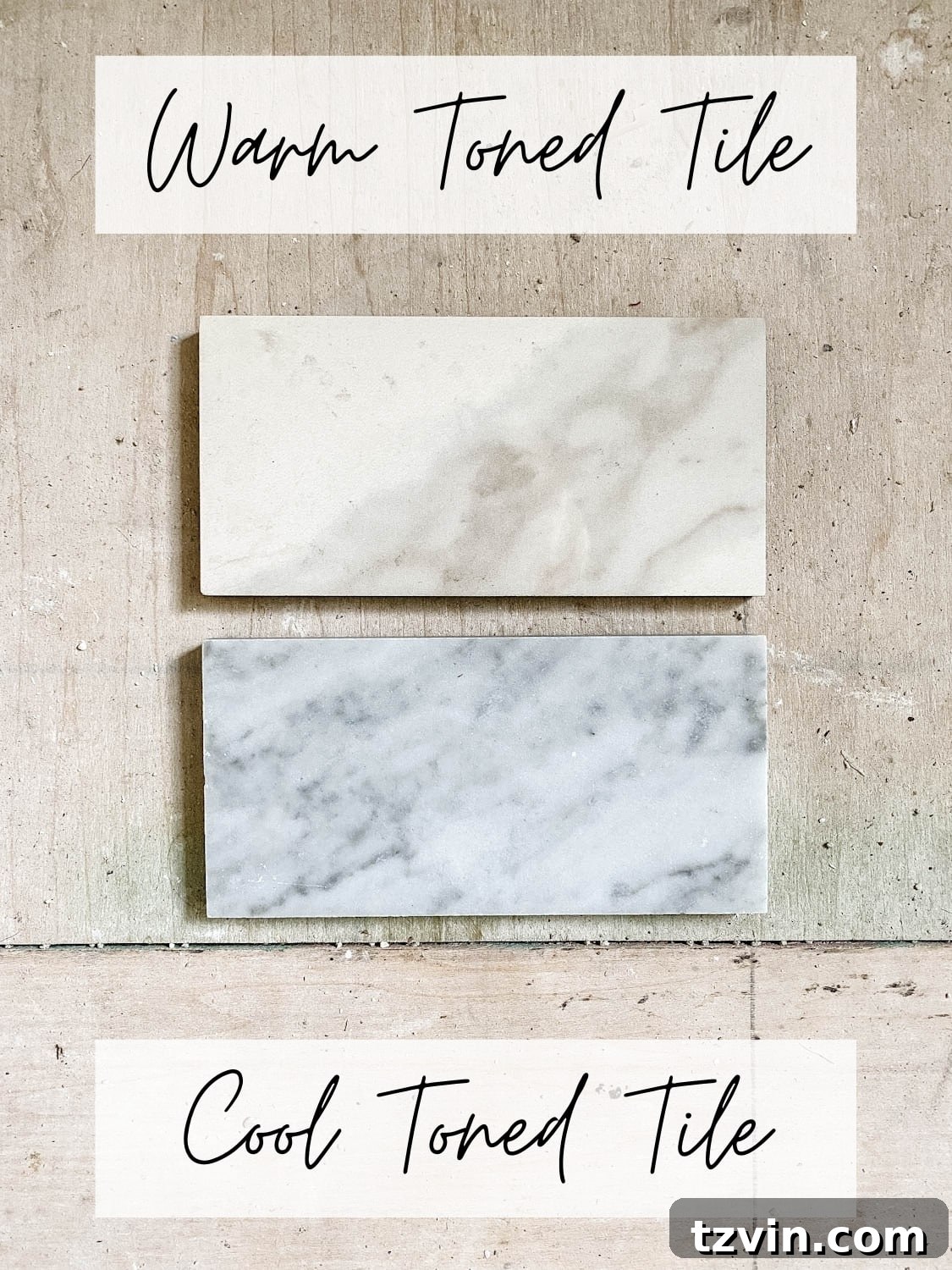
Warm-Toned Tiles: Comfort and Intimacy
Warm-toned tiles feature undertones of yellow, gold, beige, or red. Examples include Calacatta Gold marble with its characteristic golden-brown veins, or Botticino marble with its creamy beige hues.
- Creates Intimacy: Warm tones have a psychological effect of drawing elements closer, making large, open spaces feel more intimate, cozy, and inviting.
- Promotes Comfort: They evoke feelings of warmth, comfort, and hospitality. Ideal for creating a spa-like retreat in a bathroom or a welcoming hub in a kitchen.
- Pairs Well With: Warm metals like brass, gold, and copper fixtures, natural wood cabinetry, and soft, ambient lighting.
Cool-Toned Tiles: Serenity and Expansion
Cool-toned tiles incorporate undertones of blue, grey, green, or purple. Classic examples are Carrara marble with its crisp grey-blue veins, or Statuario marble known for its distinct grey patterns against a bright white background.
- Expands Space: Cool tones tend to recede visually, making a small space appear larger, airier, and more open. This is particularly beneficial in compact bathrooms or kitchens.
- Promotes Calm: They instill feelings of calm, serenity, and refreshment. Perfect for creating a clean, modern, and tranquil environment.
- Pairs Well With: Cool metals like chrome, polished nickel, and stainless steel, white or light-colored cabinetry, and bright, clear lighting.
Making Your Final Decision: A Checklist for Your Remodel
With all these factors in mind, how do you make the ultimate choice for your kitchen or bathroom remodel? Consider these questions to guide your decision:
- Budget: What is your allocated budget for tiling? Natural marble involves higher material and installation costs.
- Maintenance Tolerance: How much time and effort are you willing to dedicate to cleaning and sealing? Natural marble requires consistent care, while porcelain is low-maintenance.
- Desired Aesthetic: Are you seeking the absolute authentic, unique character of natural stone, or is a high-quality replica sufficient for your design vision?
- Room Functionality: Is it a high-traffic area, or prone to spills (e.g., kitchen backsplash, shower floor)? Porcelain’s durability might be advantageous.
- Safety Concerns: For bathroom floors, is slip resistance a primary concern? Honed finishes or porcelain generally offer better grip.
- Longevity and Resale: Are you looking for a material that adds significant long-term value and timeless appeal, or a more practical and durable solution for everyday living?
- Color Palette and Mood: Do you want to create a warm, inviting atmosphere, or a cool, serene, and expansive feel?
Hashing out this detailed list of pros, cons, and considerations is designed to empower you, whether you’re embarking on a major bathroom overhaul or a subtle kitchen refresh. Knowing the intricacies of each material ensures that your final choice aligns perfectly with your lifestyle, aesthetic preferences, and budget.
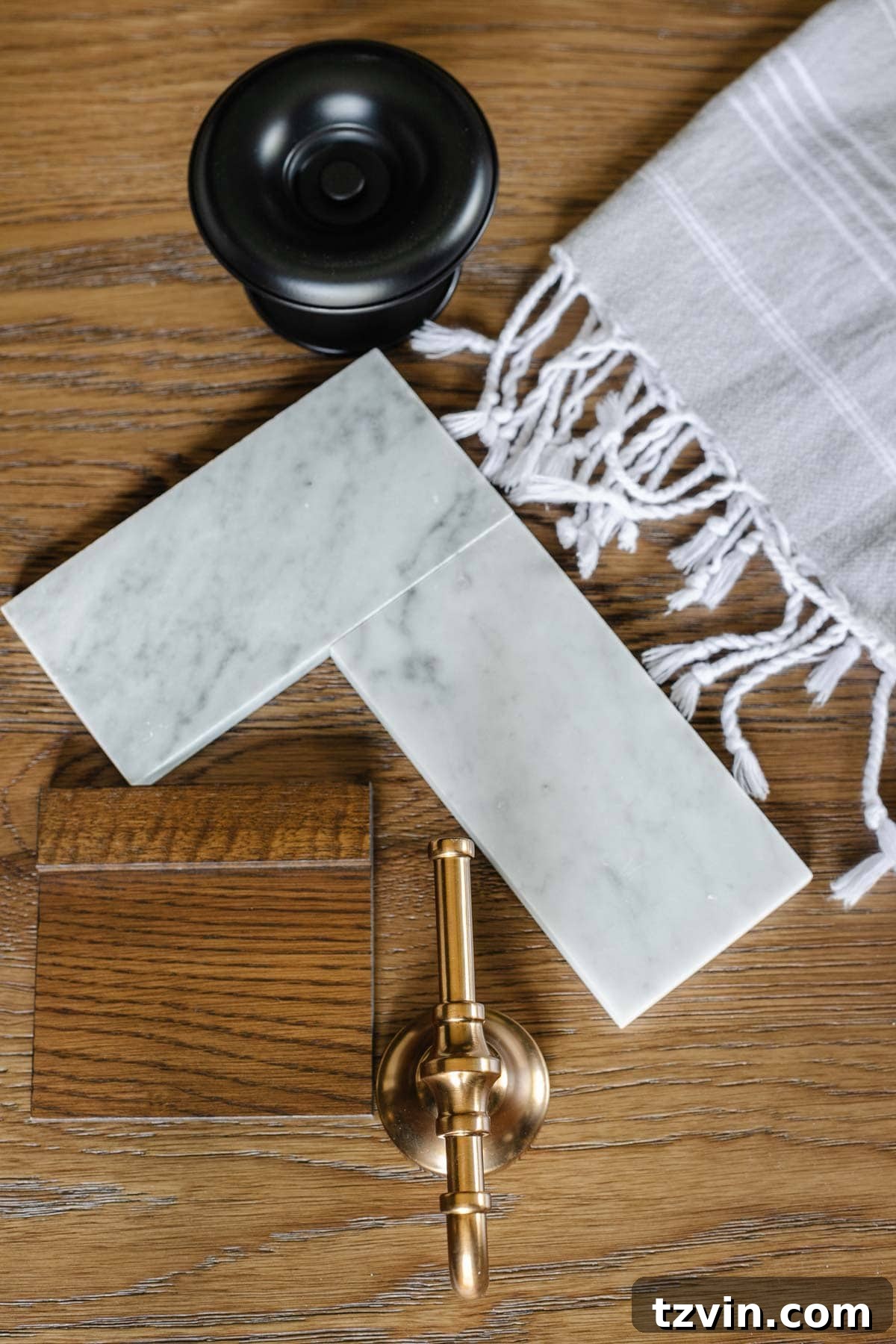
The journey to selecting the perfect tile is a significant step towards bringing your vision to life. We eagerly anticipate the transformation that awaits, and we’re confident that this guide has provided the clarity needed for your next renovation project. Keep an eye out for updates as we reveal our own chosen tile and the magic it creates in our remodel!