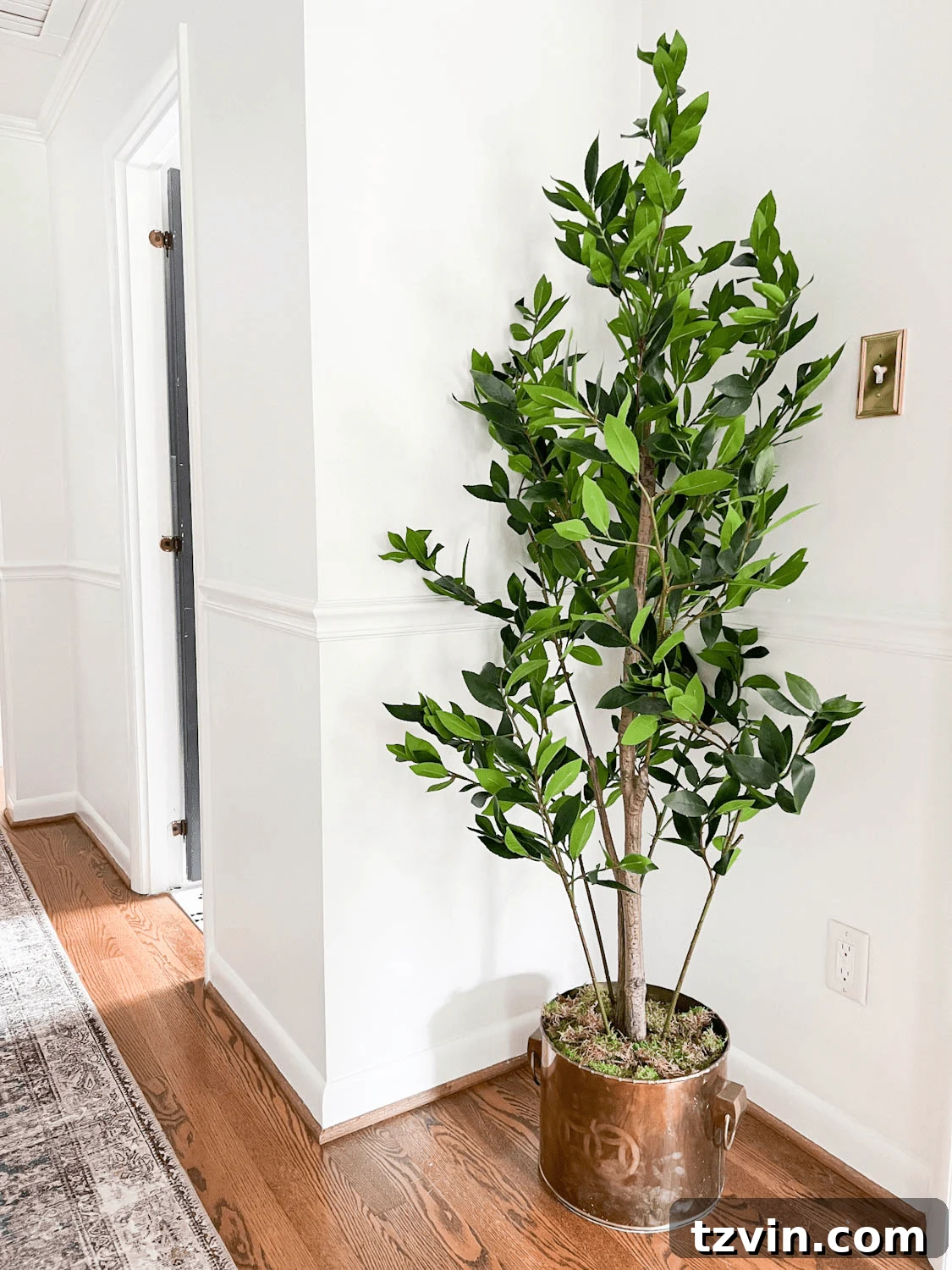
One simple, thrifty trick to make a fake tree look realistic indoors or outside in just 5 minutes + the best artificial trees.
Transforming your home decor with artificial plants can be a game-changer, offering lasting beauty without the constant care of live greenery. However, many faux trees and plants come with a subtle, yet tell-tale sign of their artificiality: an unconvincing, often flimsy base. This quick, budget-friendly trick will elevate your fake trees, making them virtually indistinguishable from their living counterparts, whether brightening your interiors or enhancing your outdoor curb appeal.
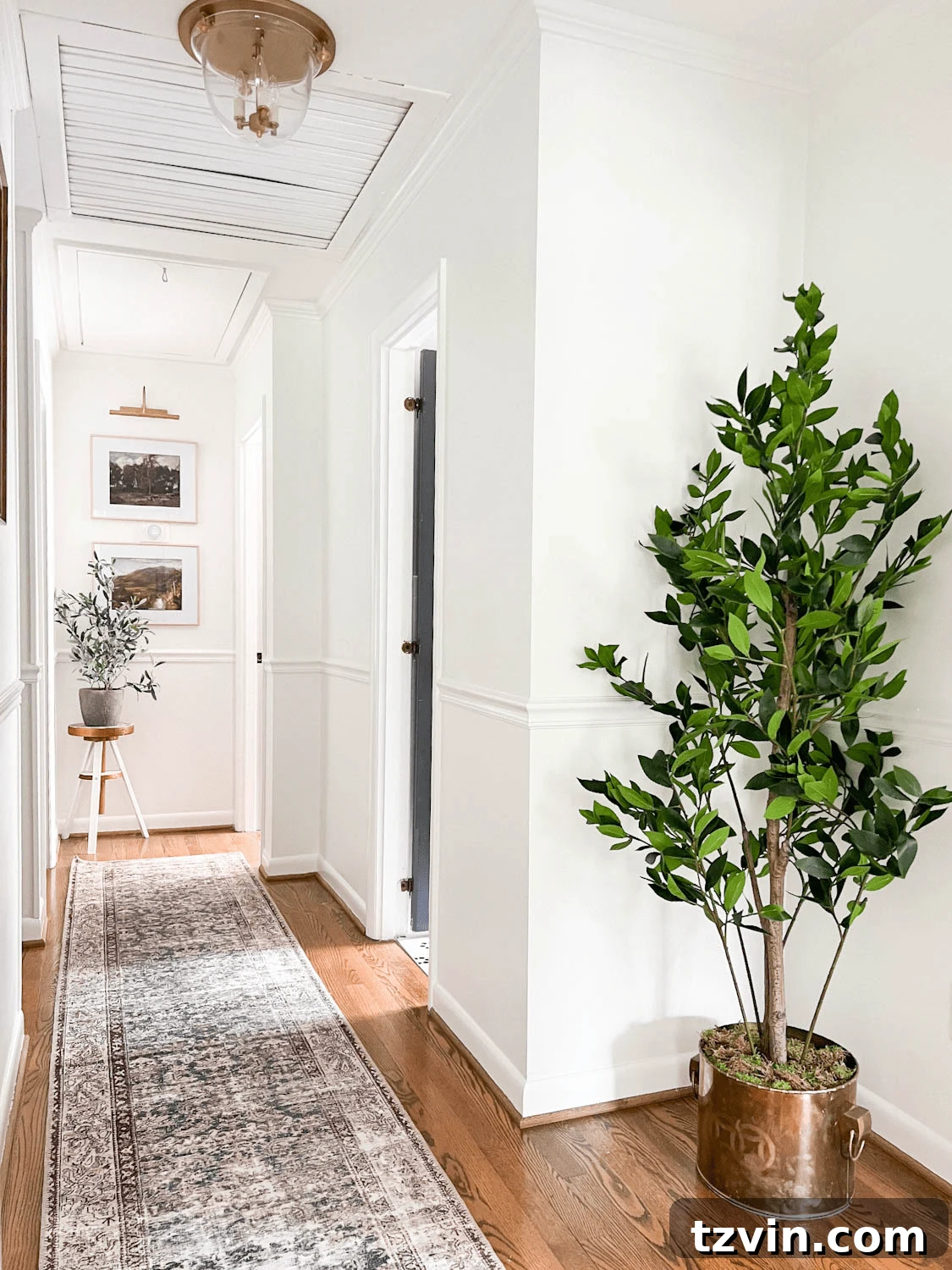
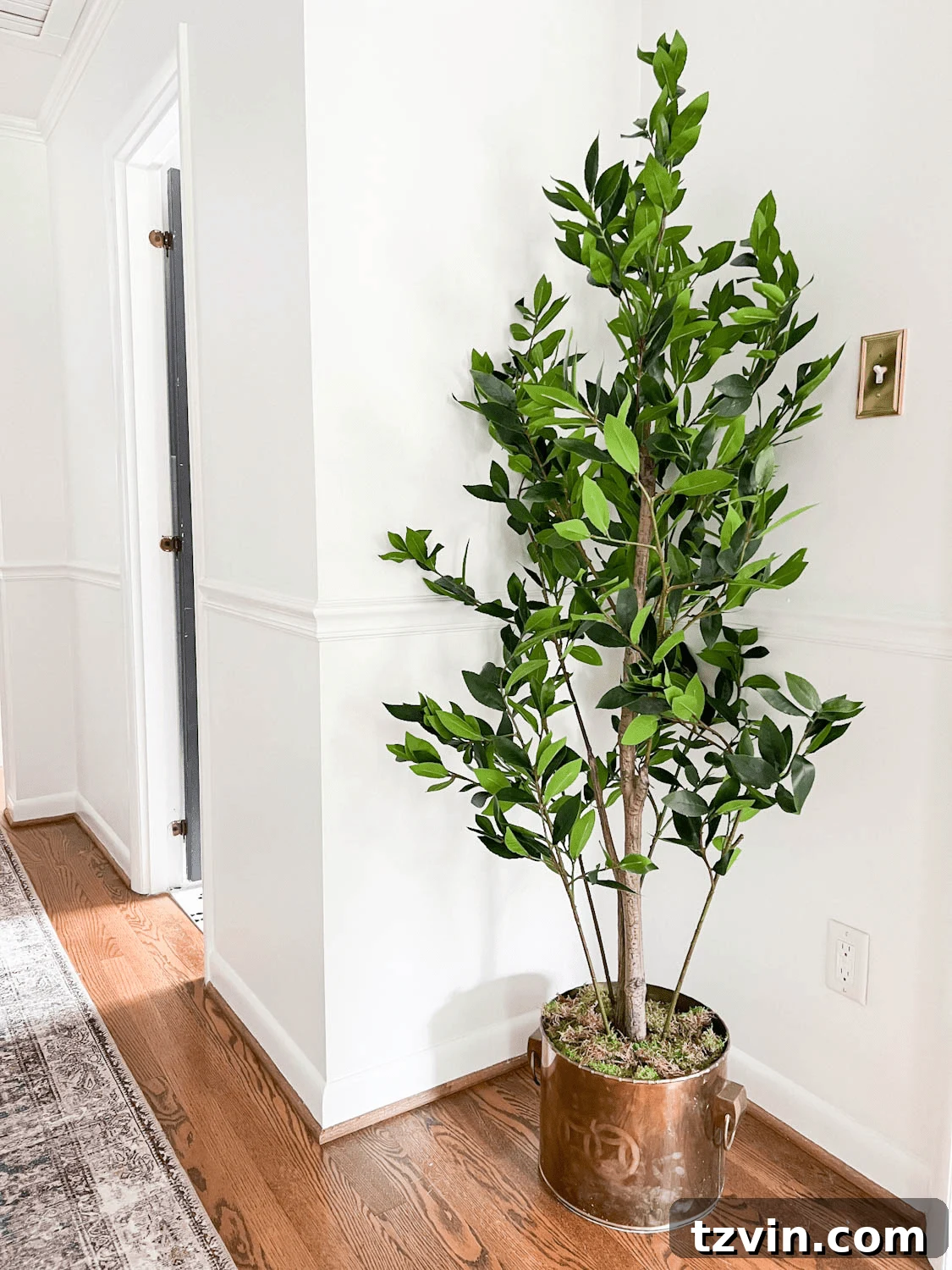
All it takes is a mere five minutes and a keen eye for thrift store treasures, like the charming vintage brass planter that sparked this entire revelation for our upstairs hallway. We’ll show you exactly how to achieve this stunning transformation, along with valuable tips on choosing the most realistic artificial trees available today.
The Pervasive Faux Pas: Why Your Artificial Tree Doesn’t Look Real
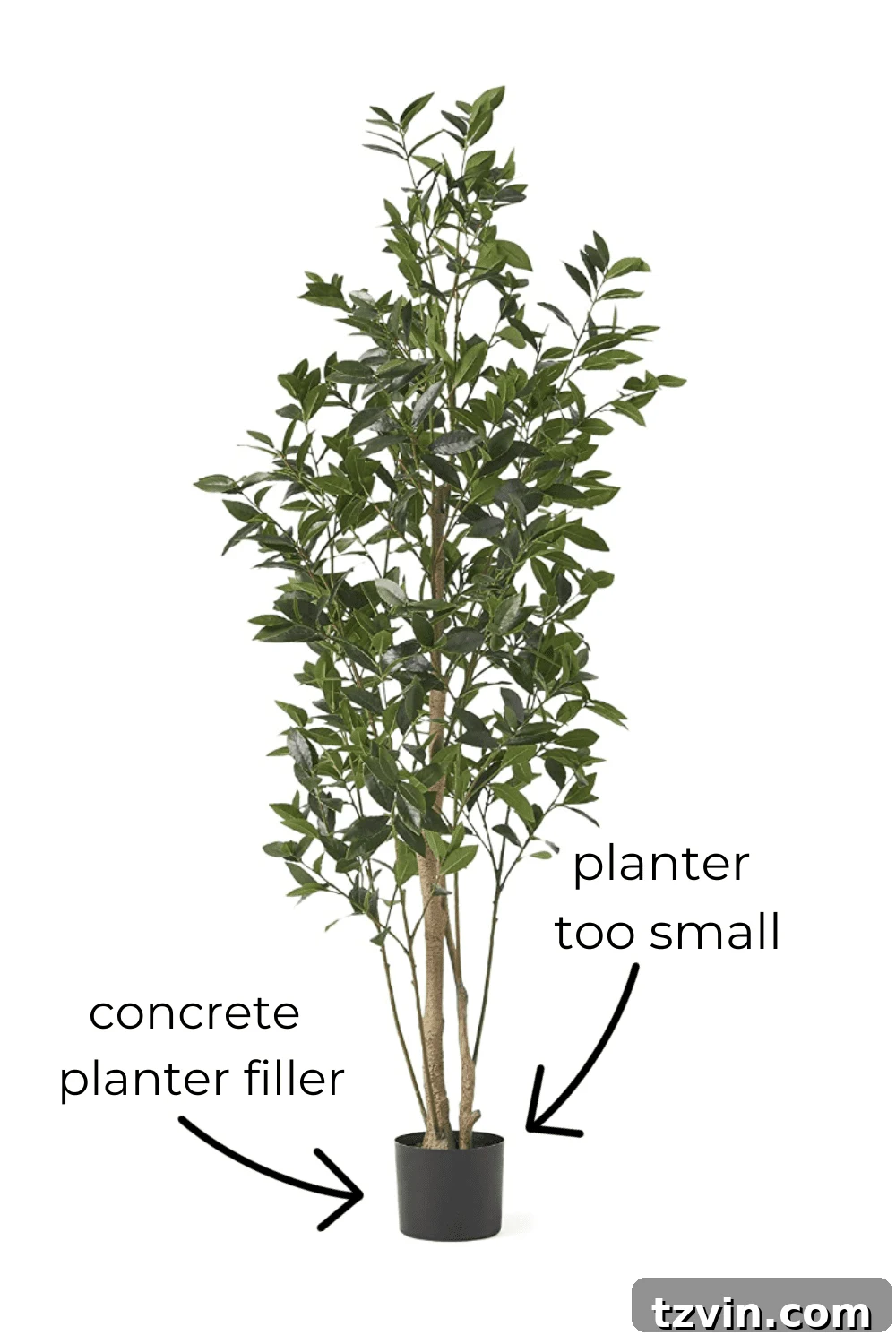
For years, I unknowingly committed one of the most common decorating errors when placing an artificial tree: neglecting its base. While seemingly insignificant, this small detail can single-handedly betray the artificial nature of an otherwise beautiful faux plant. We often invest in high-quality artificial trees, only to plop them directly into a corner, showcasing the flimsy, concrete-filled plastic pot they arrived in. This oversight instantly shatters the illusion of natural growth, making even the most convincing leaves appear fake.
The standard, mass-produced faux trees, whether from popular online retailers or big-box stores, almost invariably feature a tiny, often unappealing, weighted plastic base. This base, designed purely for stability during shipping, is never meant to be a permanent display solution. It screams “artificial” to anyone who glances at it, undermining all the effort you put into selecting and arranging your decor. It’s a dead giveaway that the plant isn’t rooted naturally, instantly detracting from the desired realistic effect and preventing your space from truly feeling complete.
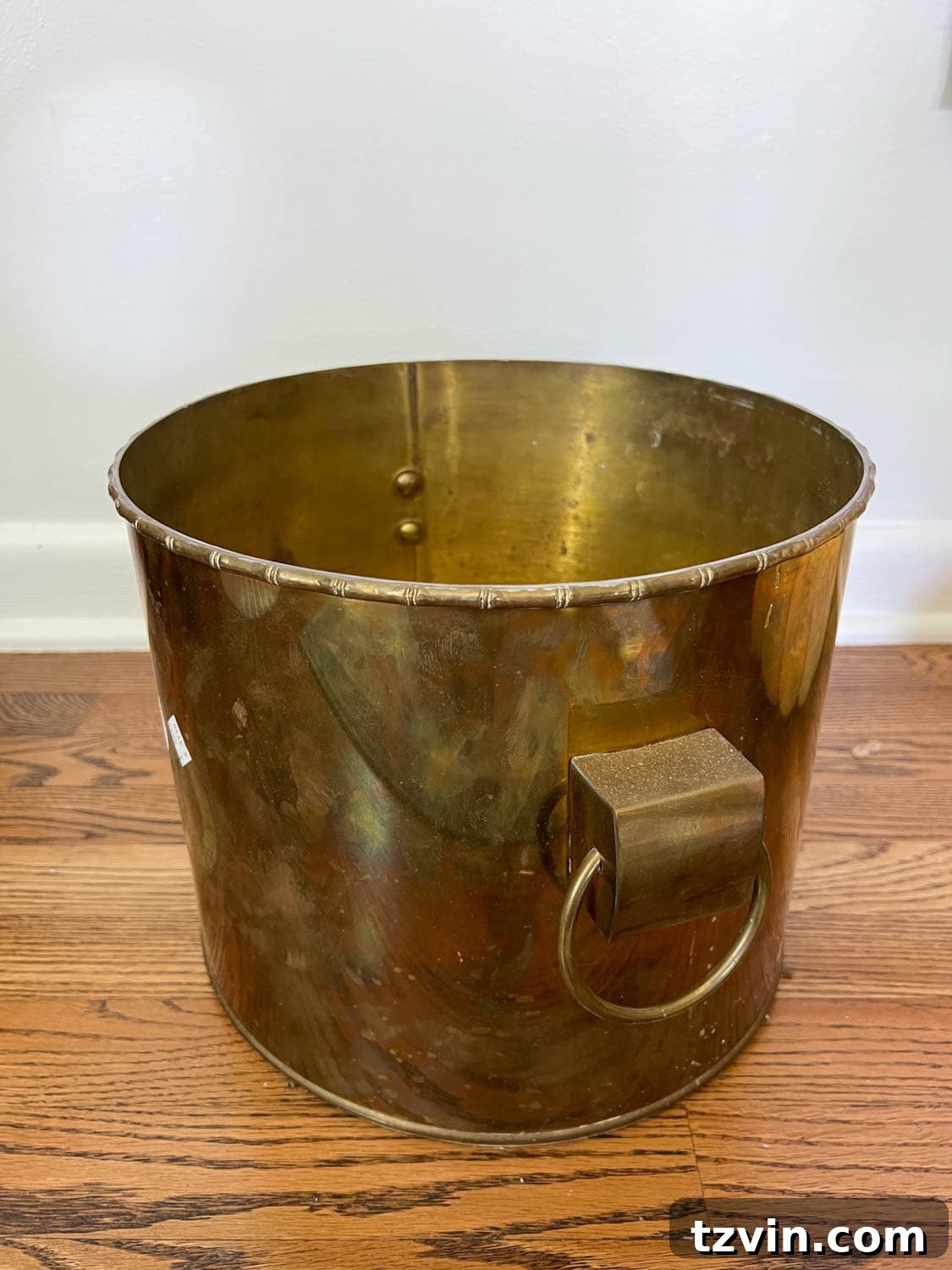
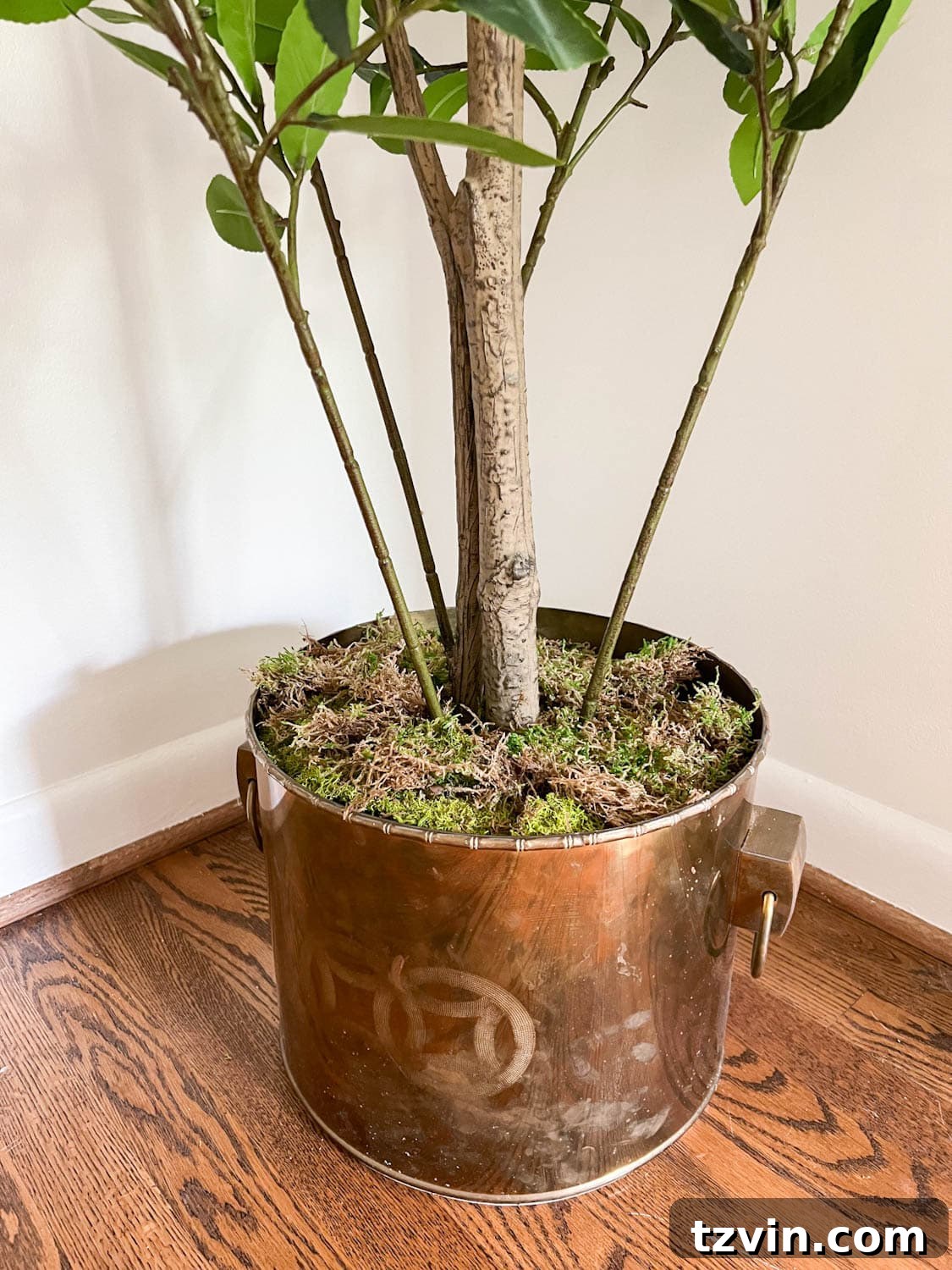
This is precisely why incorporating an attractive, appropriately sized planter into your artificial tree setup is paramount. Not just any planter, but one that visually grounds the tree and creates the illusion of natural growth. Consider adding “planters” to your thrift store search list. You’ll be amazed at the unique and affordable options available, just waiting to be repurposed for your faux foliage. My recent find, a stunning vintage authentic brass planter, cost a mere $15 and instantly transformed our hallway tree. The rich patina on vintage brass, for instance, adds an undeniable character and authenticity that new pieces often lack. I would never dare clean it, as its aged beauty is precisely what makes it special and contributes to the overall realistic aesthetic.
Selecting the Perfect Planter for Your Faux Tree
Choosing the right planter is half the battle when aiming for a truly realistic artificial tree display. A good planter should not only complement your interior or exterior decor style but also be substantial enough to hold the fake tree securely and allow for our secret stuffing trick. You can find incredible options at thrift stores, antique shops, or even modern home goods retailers. Look for materials like ceramic, terracotta, woven baskets, or metals such as brass, copper, or distressed iron. The size of the planter is also crucial; it should be wide enough to comfortably accommodate the tree’s original base and deep enough to conceal the stuffing material effectively, providing ample space for your chosen top dressing.
Once you have your ideal planter, the next step is applying our simple, two-part trick, which works beautifully for both indoor and outdoor artificial plants. This isn’t just about dropping your fake plant into a pretty container; it’s about “zhushing” it up to create an authentic illusion of growth and stability. This process takes less than five minutes but makes an incredible difference in how realistic your artificial greenery appears, truly transforming its presence in your space.
Mastering Indoor Faux Tree Realism: The Two-Step Method
Making an interior artificial plant truly believable hinges on masking its artificial origins and replicating the look of natural soil. Our method is incredibly simple, cost-effective, and uses materials you likely already have on hand, transforming an ordinary faux tree into a stunning focal point.
Step 1 – Create a Natural Base with Repurposed Packing Material
The first crucial step is to create a solid, elevated foundation within your chosen planter. Gather any leftover packing materials you might have from recent deliveries – bubble wrap, packing paper, styrofoam peanuts, or even old newspapers. This is an excellent way to repurpose materials that would otherwise end up in a landfill, making your decor more eco-friendly and sustainable. Begin by placing your artificial tree, still in its original plastic pot, inside your decorative planter. Then, start stuffing the packing material around the tree’s base, filling the gaps between the plastic pot and the planter’s inner walls. Continue adding material until it reaches approximately two inches below the planter’s rim. This creates a stable, lightweight filler that supports the tree and provides the necessary height for the final, natural-looking layer.
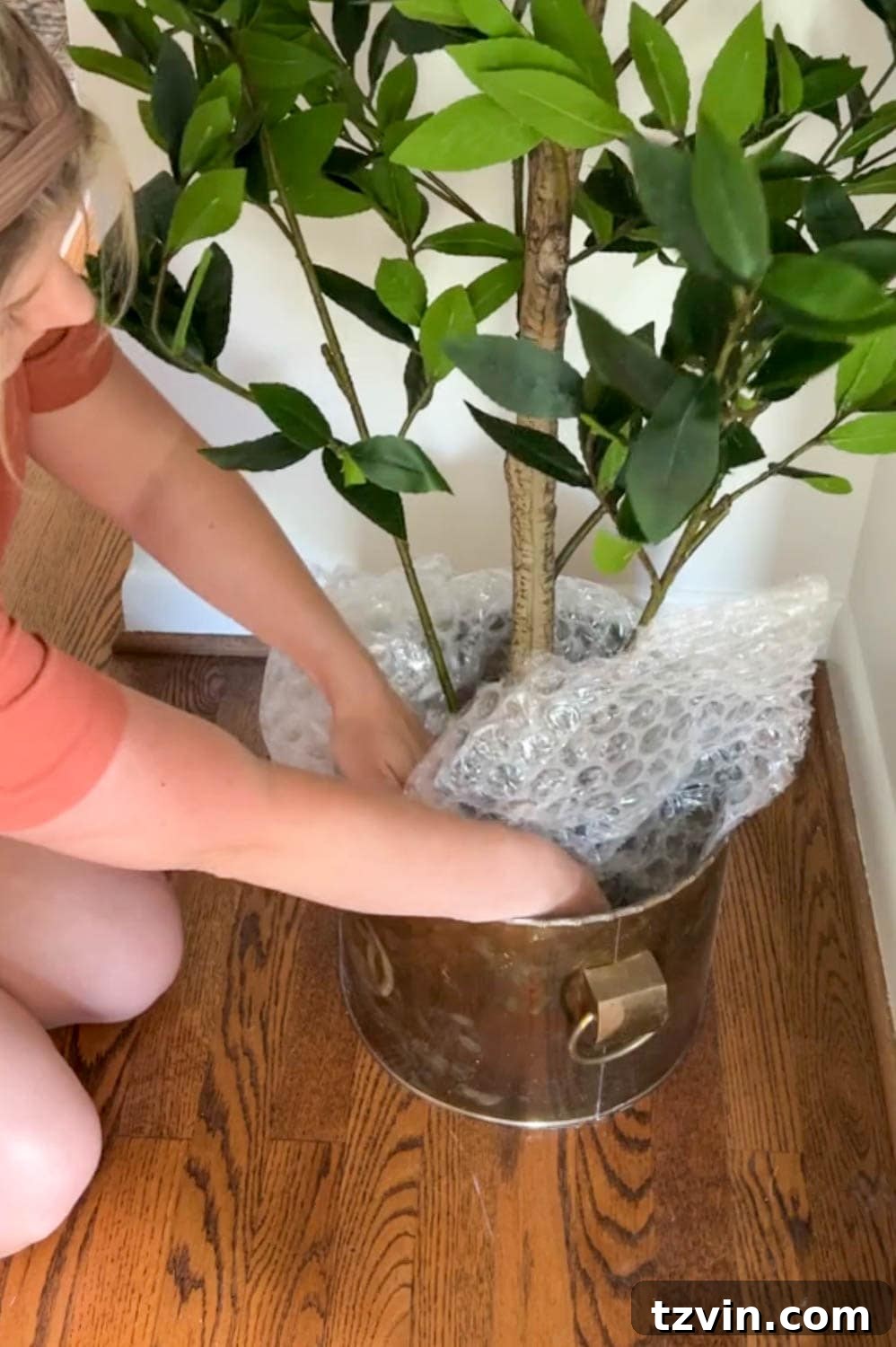
Step 2 – Conceal with Decorative Craft Moss
Once the packing material is securely in place and leveled, it’s time for the natural finishing touch: decorative craft moss. I always keep a bag of craft moss in my stash, as it’s incredibly versatile for various DIY and decorating projects. You can easily find it at any craft supply store for an affordable price, typically ranging from $8-10. Take handfuls of the loose moss and gently spread it over the packed material, ensuring that every bit of the artificial base and packing filler is completely concealed. The moss instantly transforms the planter’s opening, giving the appearance of rich, organic soil from which your plant is genuinely growing. This subtle yet powerful detail makes an enormous difference, creating a lush, realistic look that was previously missing. It instantly elevates your faux tree from a cheap plastic pot to a sophisticated, thriving plant, blending seamlessly with your natural decor.
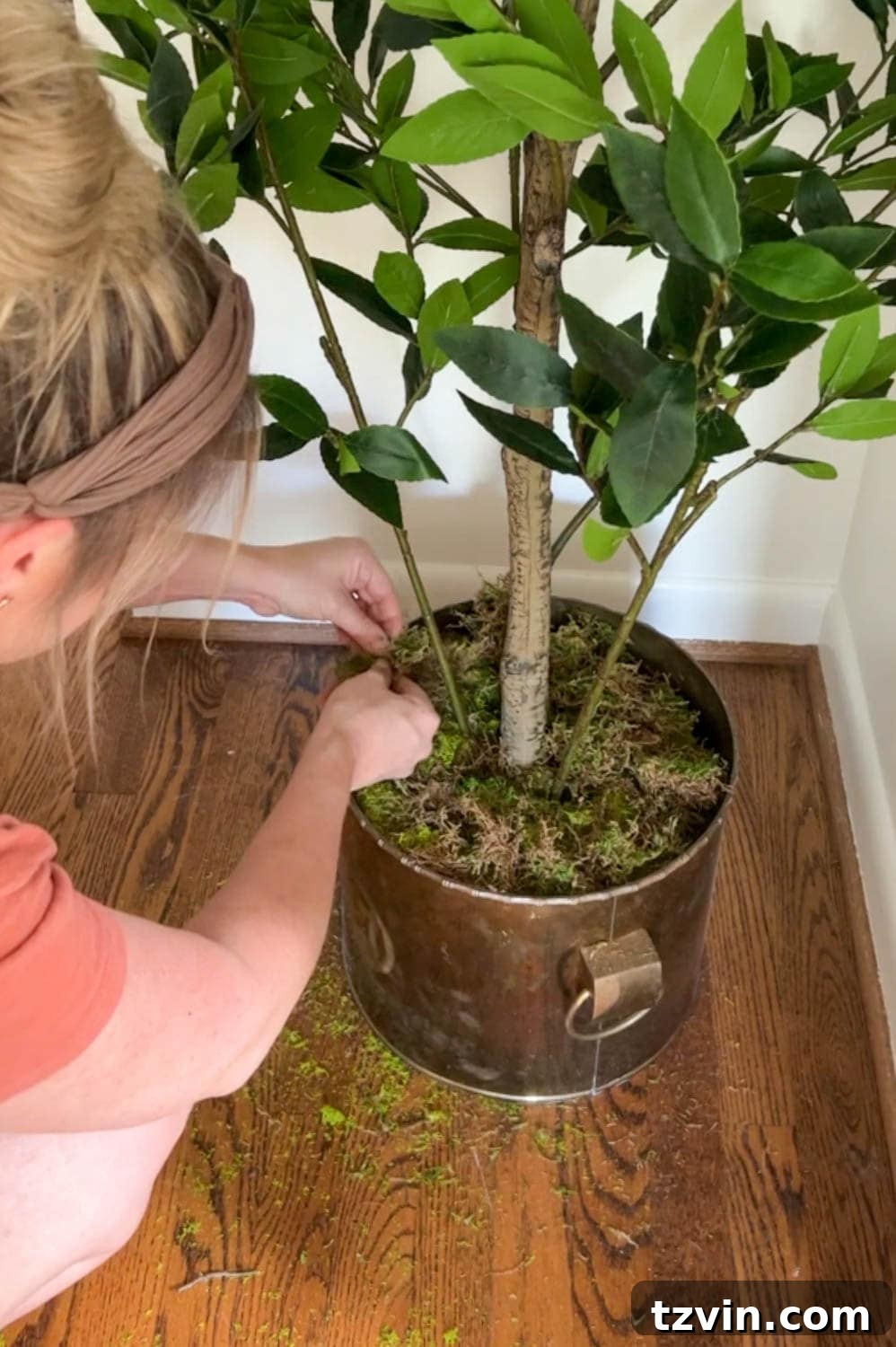
The transformation is remarkable. This simple addition of a stylish planter and a moss topping completely eradicates the tell-tale sign of that “itty bitty concrete-filled plastic pot” that your fake tree likely arrived in. The result is a seamless, natural-looking display that enhances your home’s aesthetic without demanding any green thumb skills. Your guests will be hard-pressed to distinguish it from a living plant.
Elevating Outdoor Artificial Trees: Realism and Stability
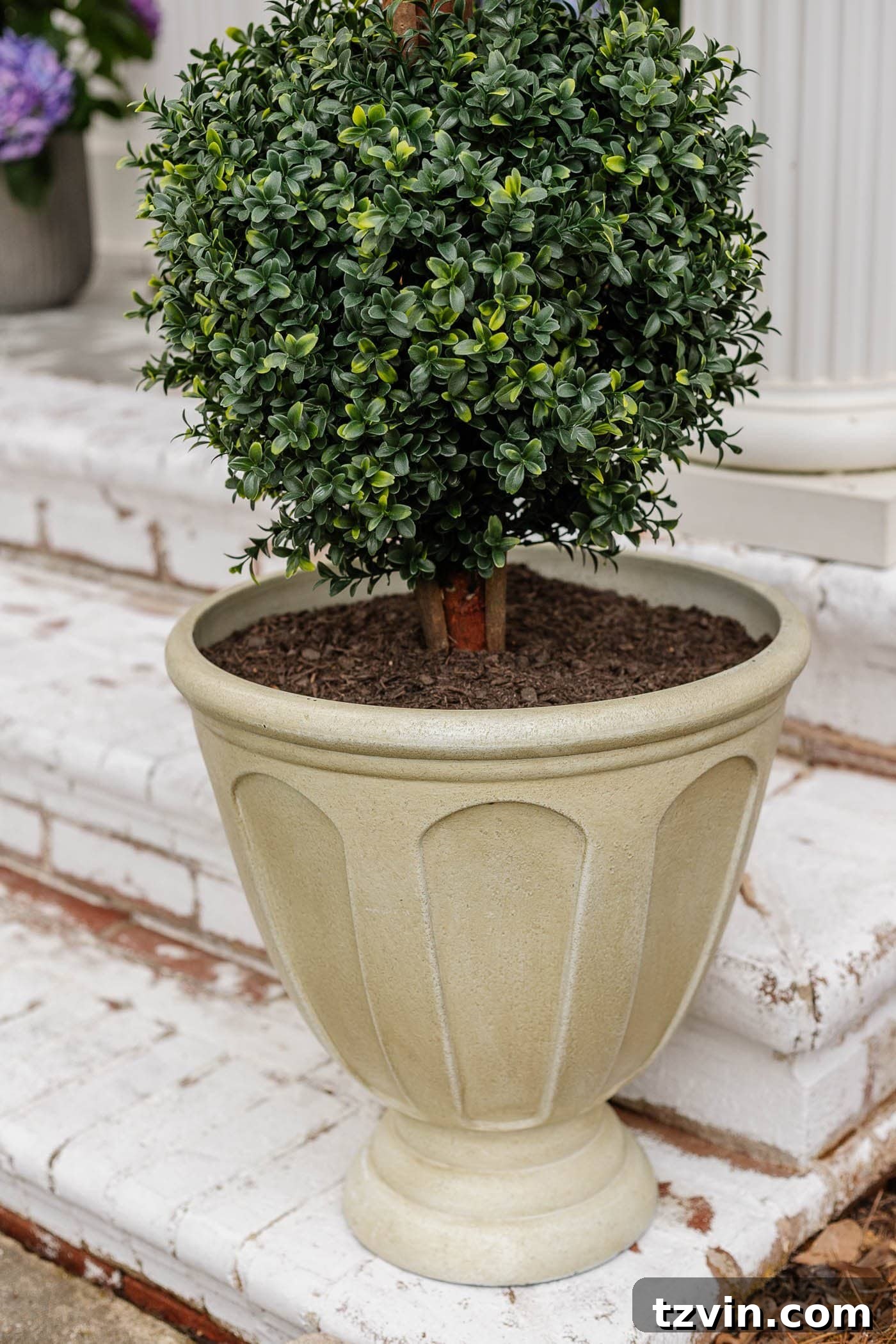
Bringing the charm of artificial plants outdoors requires a slightly different approach, primarily due to environmental factors like wind and rain. Our front porch, for example, proudly displays UV-resistant artificial boxwood topiaries in elegant urn planters. This “dirty little secret” allows us to enjoy beautiful, maintenance-free greenery, especially since I’m notorious for accidentally neglecting live outdoor plants! The key to outdoor realism and stability also lies in transforming the base, ensuring your faux plants remain beautiful and upright through all seasons.
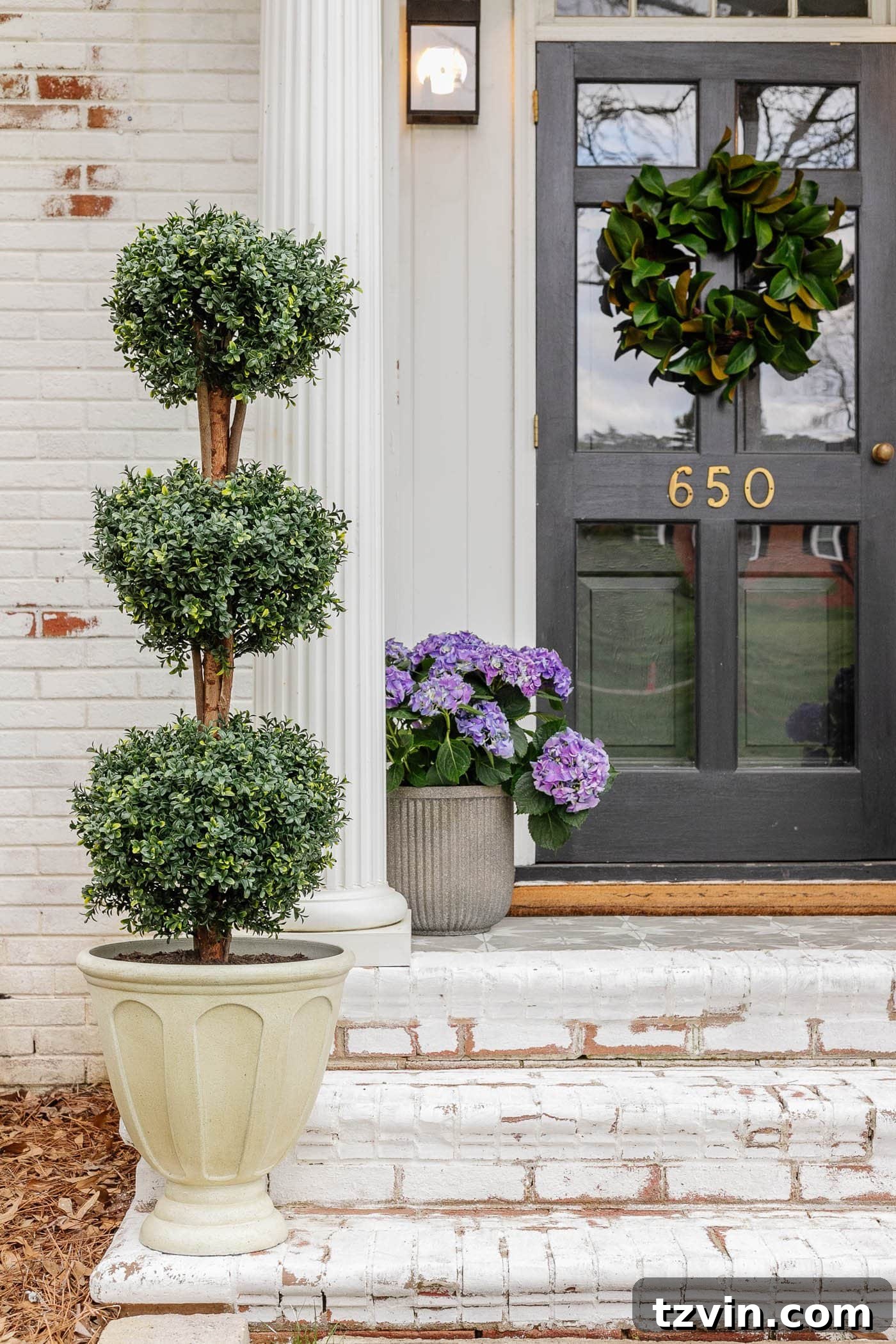
Step 1 – Provide Drainage and Weight with Recycled Materials
For outdoor artificial trees, stability and adequate weight are paramount. Begin by collecting crushed plastic water bottles, soda bottles, or aluminum cans from your recycling bin. These items serve multiple purposes: they provide a base layer for drainage, preventing water from pooling unnecessarily. More importantly, they add initial weight to the bottom of the planter, which is essential for preventing your faux tree from toppling over during gusty winds. Stuff these crushed recyclables into the bottom of your chosen outdoor planter, around the base of the artificial tree’s original pot, filling up a significant portion of the planter’s depth. This creates a cost-effective and environmentally friendly foundation for stability.
Step 2 – Achieve Authentic Weight and Appearance with Potting Soil
Once your recycled materials are securely in place, the final step for outdoor realism is to fill the remaining space with potting soil. This provides the most authentic visual finish, completely concealing the artificial base and making it appear as if the tree is genuinely planted in the ground. The potting soil adds significant weight, further enhancing the stability of your artificial tree against strong winds and accidental bumps, ensuring it stays firmly in place. Moreover, it creates a natural visual continuity with any surrounding live plants or garden beds. For an extra touch of realism, you can even add a thin layer of decorative mulch or small pebbles on top of the soil, which also helps prevent soil splash-back during rain and mimics natural ground cover.
Investing in Realism: Choosing the Best Artificial Trees
While our planter trick can vastly improve the look of any artificial tree, starting with a good quality faux plant makes a significant difference. The market for artificial trees has exploded, offering incredibly realistic options across various price points. When shopping, pay attention to the following details to ensure you pick a winner:
- **Leaf and Branch Material:** Look for “real touch” or “silk” leaves that mimic the texture and subtle variations of natural foliage. Plastic-molded leaves can also be highly realistic, especially for evergreens like boxwood or cedar, provided they have good detail.
- **Color Variation:** Real leaves are rarely uniformly green. A good artificial tree will have subtle color gradients, different shades of green, and even some faux new growth or natural imperfections, adding to its authenticity.
- **Branch Structure and “Fluffability”:** Observe how the branches emerge from the trunk and how they are arranged. Realistic trees often have bendable wires in their branches, allowing you to “fluff” and shape them into a natural, expansive form.
- **Trunk Detail:** For larger trees, a realistic trunk with texture, bark details, and natural-looking branching can significantly enhance the illusion, making it hard to distinguish from a real tree.
- **Weight and Stability:** While our trick addresses the base, a tree that feels somewhat sturdy and well-constructed on its own is often an indicator of better overall quality and longevity.
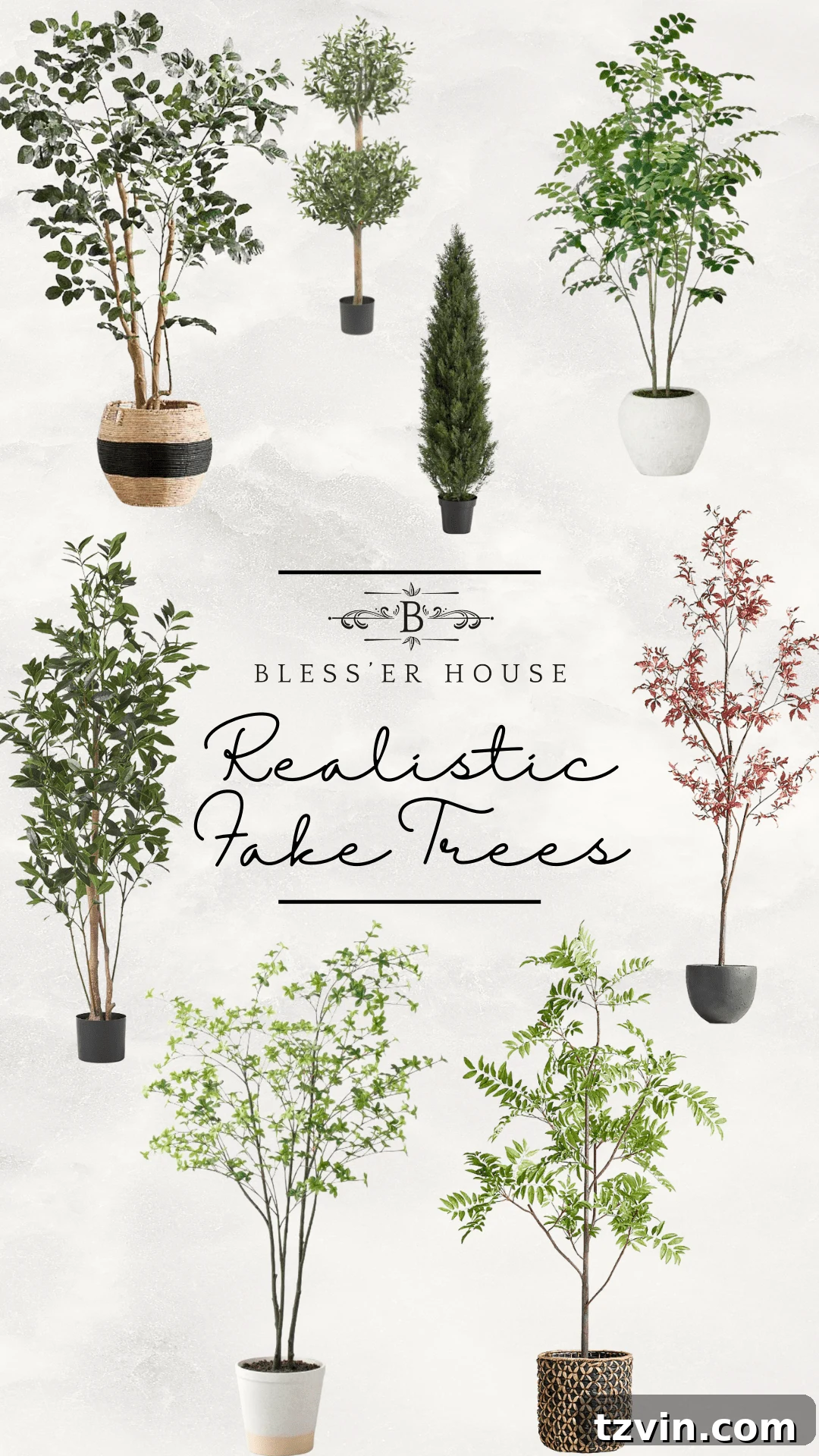
Here are some of my favorite artificial trees, ranging from budget-friendly finds to high-end statement pieces, all selected for their exceptional realism and ability to elevate any space:
Beyond the Aesthetics: The Practical Benefits of Faux Plants
While realism is often the primary goal, choosing artificial trees and plants offers a myriad of practical advantages that make them a smart choice for many homes and lifestyles. They provide the beauty of nature without any of the typical demands:
- **Low Maintenance:** No watering, no fertilizing, no pruning. Simply dust them occasionally to keep them looking fresh. This is ideal for busy individuals, frequent travelers, or those without a natural green thumb.
- **Allergy-Friendly:** Artificial plants won’t trigger pollen allergies, making them perfect for households with sensitive members or those prone to seasonal reactions.
- **Pest-Free:** Say goodbye to common houseplant pests like gnats, spider mites, and aphids. Faux plants don’t attract insects, ensuring a cleaner indoor environment.
- **Evergreen Beauty:** Your artificial plants will maintain their vibrant color and lush appearance year-round, regardless of season, light conditions, or indoor temperature fluctuations.
- **Versatile Placement:** Place them in dimly lit corners where real plants would struggle, or in spots where temperature fluctuations are common. They thrive anywhere, providing flexible decor options.
- **Durability:** High-quality artificial plants are built to last for years, offering a long-term decor solution that outlives many live plants, making them a worthwhile investment.
Beyond the Planter: Additional Tips for Enhancing Faux Tree Realism
While our planter trick is a game-changer for the base of your faux trees, a few other simple strategies can further enhance their lifelike quality and integrate them seamlessly into your home decor:
- **Fluff and Shape:** When you first unbox a faux tree, its branches are often compacted from packaging. Take time to gently “fluff” and shape each branch, bending the internal wires to spread out the foliage naturally. Step back and observe it from different angles, adjusting until it looks organic and full.
- **Dust Regularly:** Dust accumulation is a major giveaway for artificial plants. Regularly wipe down leaves with a damp cloth or use a feather duster to keep them looking vibrant, fresh, and truly alive.
- **Rotate Occasionally:** Just like real plants, rotating your faux tree can give it a new perspective and ensure even exposure to ambient light, preventing any side from looking “flat” or neglected.
- **Mix with Real Plants:** Strategically placing artificial trees among real plants can trick the eye, making the faux ones blend in more seamlessly and creating a lush, varied botanical display.
- **Add Natural Elements:** For an extra touch of authenticity, consider placing a few real pinecones, dried leaves, or small decorative stones on top of the moss or soil in your planter. This adds texture and organic detail that enhances the illusion.
- **Consider Scale and Placement:** Ensure your artificial tree is appropriately sized for its space. A tree that’s too small can look underwhelming, while one that’s too large can overpower a room. Place it where a real plant would naturally thrive, like near a window or in a well-lit corner, even if it doesn’t actually need the light.
The Art of Thrifting for Planters and Beyond
Thrift stores are an absolute goldmine for unique and affordable home decor, especially when it comes to planters. Beyond the immediate cost savings, thrifting allows you to find pieces with character and history that can’t be replicated by mass-produced items. A vintage brass planter, for instance, adds an instant touch of sophistication and warmth to any room, telling a story that new items simply can’t. Keep an open mind when you browse; sometimes an item isn’t immediately apparent as a planter but can be repurposed beautifully. Look for unique bowls, old crocks, sturdy baskets, or even interesting metal containers that can be cleaned up and adapted for your needs. The thrill of finding that perfect, one-of-a-kind piece makes the hunt all the more rewarding, and it’s a sustainable way to decorate your home, reducing waste and embracing mindful consumption.
Next time you embark on a thrift store adventure, consciously seek out potential tree planters. I guarantee you’ll discover fantastic options that are not only budget-friendly but also inject distinctive personality into your home decor. This simple habit will unlock endless possibilities for elevating your artificial greenery and other decorative elements, creating a truly unique and inviting space.
- Cordless DIY Mini Lamp Using a Thrifted Terracotta Vase: Repurpose an old vase into a stylish, functional lamp.
- 30 Home Decor Items You Should Always Buy While Thrift Shopping: A comprehensive guide to the best second-hand finds.
- DIY Candle from a Thrifted Brass Canister: Turn vintage containers into beautiful, custom candles.
- DIY Designer Knock-Off Textile Art from a Recycled Rug: Creative ways to craft high-end looks on a budget.
With these straightforward, five-minute tricks, your artificial trees will cease to be obvious fakes and instead become stunning, natural-looking accents in your home or garden. It truly makes all the difference, transforming inexpensive faux plants into sophisticated decor elements that enhance your living spaces. So, embrace the power of a well-chosen planter and a little creative stuffing. Your home will thank you for the touch of lasting, vibrant greenery, and your guests will never guess your secret to such lifelike botanical beauty!