
That first warm, sunny day of spring, when the scent of blooming flowers fills the air and the sun’s gentle embrace promises longer, brighter days ahead, brings a unique joy, doesn’t it? For many, it signals the approach of swimsuit season and beach days. But for a certain kind of enthusiast – myself included – it heralds something equally thrilling: the glorious return of garage sale season! If that thought makes your heart race, then you’re truly my kind of people.
Over the years, hosting a garage sale has become our favorite method for decluttering our home of accumulated items and, more importantly, generating funds for our next exciting home makeover or improvement project. We’ve honed our strategy to consistently earn over $1,000 at our sales, a sum that directly fuels our ongoing passion for transforming our living space. It’s a fantastic cycle of purging, earning, and re-investing in our home.
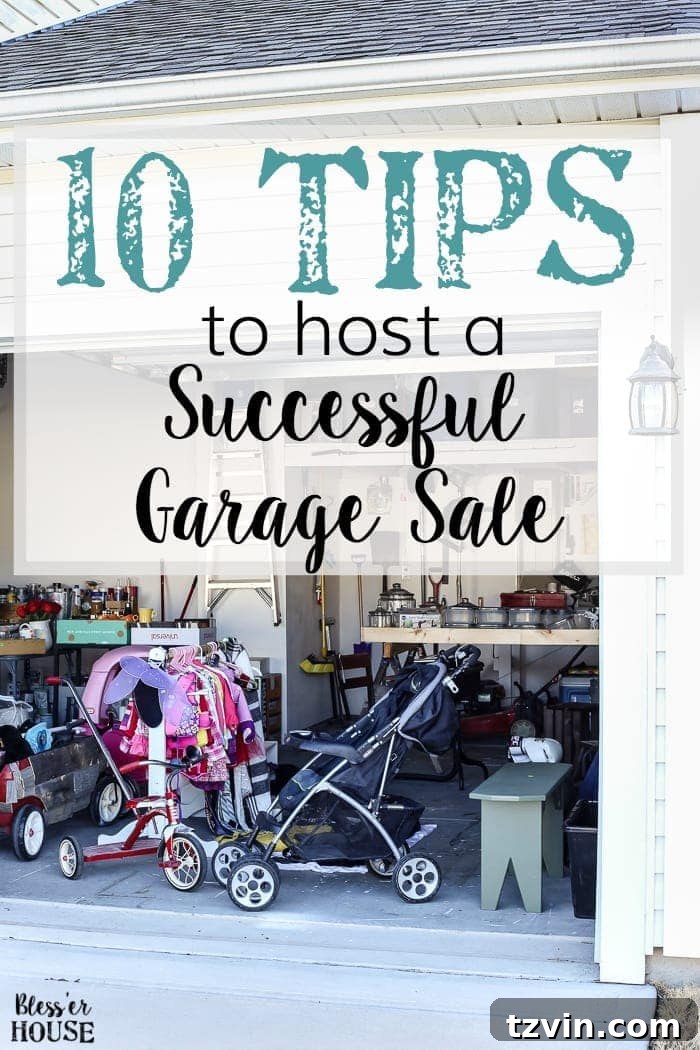
While the concept of a garage sale might seem straightforward, there are several key strategies and “little tricks” we employ to ensure ours are exceptionally successful. After years of trial and error, we’ve refined our approach to maximize both efficiency and profit. This comprehensive guide shares our top 11 tips for hosting a truly successful garage sale, designed to help you not only clear out clutter but also fill your pockets with a tidy sum. Whether you’re a seasoned seller or a first-timer, these insights will empower you to organize, advertise, and execute a profitable sale that leaves you with fewer unwanted items and more funds for your next big endeavor.
But before we dive into the nitty-gritty of the sale itself, let’s talk about the crucial first step: decluttering. You can’t sell what you don’t first identify as excess, and a thorough decluttering process is the foundation of any great garage sale.
Declutter Ruthlessly: Your First Step to a Profitable Sale
The success of your garage sale begins long before you set up tables. It starts with a rigorous decluttering process. The more items you have to sell, the more appealing your sale will be, attracting a wider range of shoppers. Approach this task with a “ruthless” mindset – if you haven’t used it, worn it, or loved it in the past year (or even two), it’s likely time for it to find a new home. Don’t let sentimental attachments to items you no longer use hold you back from generating potential income. Categorize items as you go: “keep,” “sell,” “donate,” or “trash.”
To help you kickstart this essential phase, here are some invaluable resources:
Learn how to declutter your home quickly with these organizer secrets, offering practical methods to make the process efficient and less overwhelming.
Additionally, grab your Free Ultimate Home Printable Declutter Checklist. This comprehensive guide will walk you through every room, ensuring no corner is left untouched, and providing the motivation you need to prepare a bountiful collection for your sale.
1. Strategically Choose the Best Date and Time for Your Garage Sale
The timing of your garage sale can significantly impact its attendance and, consequently, your profits. Begin by monitoring the weather forecast closely; a clear, pleasant day is ideal, especially if you plan to display items outdoors. In warmer months, an early start is crucial to avoid the midday heat, which can deter shoppers.
Research local community events or multi-family sales in your area. Joining a neighborhood-wide sale or hosting yours on the same weekend as a popular local event can dramatically increase foot traffic. More shoppers mean more potential buyers for your items.
Historically, Saturday from 8 AM to noon is considered prime time for garage sales. Most serious buyers, often referred to as “early birds,” are out and about during these hours, eager to snatch up the best deals. Planning your sale to align with this window is highly recommended. To maximize sales, consider extending your garage sale to a second day, such as Sunday. Many casual shoppers might prefer a more relaxed Sunday browse, and since your setup is already complete, the additional effort is minimal for potentially more sales. Some even choose to repeat the sale the following weekend if they have a large inventory, leveraging the initial effort of organizing and advertising.

2. Master the Art of Advertising Your Garage Sale
Effective advertising is paramount to attracting a crowd to your garage sale. Don’t underestimate the power of online platforms. Create detailed and enticing ads on Craigslist, your local buy/sell/trade Facebook groups, and even neighborhood apps like Nextdoor. The key is to make your ads visually appealing and informative. Include several well-lit, clear photos of your most desirable items – think furniture, electronics, brand-name clothing, or unique collectibles. A single appealing photo can draw in dozens of potential buyers.
Beyond images, provide a comprehensive list of the types of items you’ll be selling. Be specific about categories like “children’s clothing (sizes 2T-5T),” “vintage kitchenware,” “power tools,” or “mid-century modern decor.” This creates interest and helps targeted shoppers decide if your sale is worth their time. Consider sharing your ad on your personal Facebook profile or Instagram feed to reach friends and family who might also be interested. Expand your online reach by posting on dedicated garage sale websites such as Garage Sale Hunter and Yard Sale Search.
When it comes to location, for security reasons, you may not want to post your exact street address online. Instead, mention your neighborhood or cross streets to give people a general direction while still maintaining some privacy. Then, on the day of the sale, make sure your physical signage is impossible to miss. Create large, brightly colored signs using neon poster board and thick, dark markers. Place these signs at key intersections near your house. They must be easy to read quickly from a moving car and clearly state the exact dates and times of your sale (e.g., “Saturday, April 20, 8 AM – 1 PM”). Vague signs like “Garage Sale Saturday” can confuse potential shoppers about whether the sign is current.

3. Gather Up Essential Supplies Well Ahead of Time
Preparation is key to a smooth and efficient garage sale. Weeks before your sale date, begin collecting all the necessary supplies. This proactive approach prevents last-minute scrambling and ensures you have everything on hand when the big day arrives. Essential items include:
- Display Tables and Chairs: Set aside a couple of sturdy chairs for yourself and any helpers. You’ll definitely want to sit during slower periods. For displaying items, tables are invaluable. They elevate merchandise, making it easier for customers to browse without bending over. If you don’t own enough, ask friends or family if they’d be willing to lend some for the day.
- Shopping Bags: Start saving grocery bags or any reusable bags a few weeks in advance. Providing bags for customers is a thoughtful touch that encourages them to buy multiple items.
- Cash Management: Gather a calculator for quick totals, an apron with pockets or a zip-up pouch to safely hold money, and plenty of pens for labeling or making notes.
- Item Testing Tools: For electronics, ensure you have extension cords and various batteries (AA, AAA, 9V, etc.) on hand. This allows customers to test items before purchasing, building trust and confidence in their buy.
- Pricing Tools: Stock up on price tags, masking tape, and markers. Make sure you have a variety for different item types and sizes.
- Merchandise Volume: Crucially, aim to have as much merchandise as possible. A full, bustling sale looks more appealing and draws in more customers than a sparse, half-empty display. People are more likely to stop if they see a wide array of items. If possible, clean up items beforehand to make them more attractive. A little polish can go a long way in increasing perceived value.

4. Secure Plenty of Small Change from the Bank
A common oversight for first-time garage sale hosts is not having enough small bills and coins for change. Many early bird shoppers will arrive with larger bills, such as twenties, especially for smaller purchases. Being unable to make change can lead to lost sales and frustrated customers. A good rule of thumb for starting your sale is to have a “float” of:
- 5 $10 bills
- 10 $5 bills
- 50 $1 bills
- Two rolls of quarters (especially useful for items priced at .25, .50, .75, or for breaking larger coin denominations)
Visit your bank a day or two before the sale to acquire this specific breakdown of currency. Keep your change securely on your person (in a fanny pack or apron with sturdy pockets) and never leave it unattended. This ensures smooth transactions and a professional selling experience.

5. Define Your Purpose Before You Start Pricing
Before you put a single price tag on an item, clearly define your primary goal for the garage sale. Are you aiming to simply declutter and get rid of as much stuff as possible, or is your main objective to make a significant amount of money? Your purpose will directly influence your pricing strategy.
If your main motivation is to declutter and clear out items quickly, then pricing items on the lower side will encourage faster sales. You’re prioritizing volume over maximum profit per item. This strategy often results in fewer unsold items at the end of the day, reducing the hassle of dealing with leftovers.
However, if your goal is to maximize your earnings, you’ll want to price items slightly higher. This approach allows room for customers to haggle, which is an expected part of the garage sale experience. Pricing too high will scare off buyers, but pricing with a little negotiation space means you can still make a good profit even after a small discount. Aim for prices that are attractive but still leave you satisfied after a slight reduction.
To help with pricing, research similar items on platforms like Craigslist, Facebook Marketplace, and eBay. This gives you a realistic gauge of what items are currently selling for. And a golden rule: price everything! If an item doesn’t have a visible price, many shoppers will assume it’s not for sale or won’t bother asking, potentially costing you a sale. Ensure your prices are written neatly and large enough to be easily read by everyone.
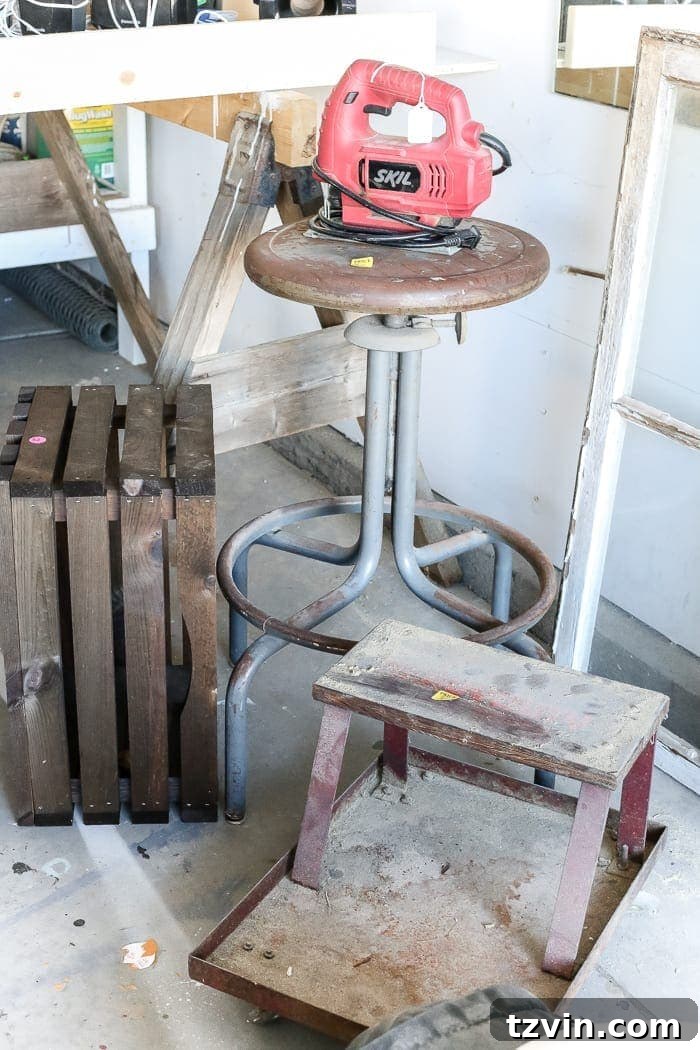
6. Organize Your Sale Like a Boutique: Sort Like Items into Sections
Transforming your garage or driveway into an organized “store” can dramatically enhance the customer experience and boost sales. Instead of a chaotic jumble, arrange your items into logical, clearly defined sections. Think of departments in a retail store:
- Clothing Section: Sort by gender, size, or type (e.g., adult women’s, kids’ sizes, jackets). Hang clothes on hangers to make them easy to browse. If you don’t have a clothing rack, get creative! You can string a rope across your garage or hang hangers from your garage door track.
- Home Decor Section: Group decorative items together – vases, picture frames, small sculptures.
- Furniture Section: Place larger items like chairs, small tables, or bookshelves in an area where they can be easily viewed and moved.
- Kitchen Housewares Section: All kitchen gadgets, dishes, glassware, and small appliances.
- Toys and Games Section: Essential for families with kids. Keep small parts together.
- Hardware/Tools Section: Any tools, nails, screws, or DIY supplies.
Spreading your items out on tables or clean blankets is far more effective than piling them up. When items are easily visible and accessible, customers are more likely to pick them up, examine them, and ultimately buy them. Ensure there’s enough space for shoppers to comfortably walk through your sale without feeling cramped or tripping over merchandise. A well-organized, visually appealing layout encourages longer browsing times and more purchases.
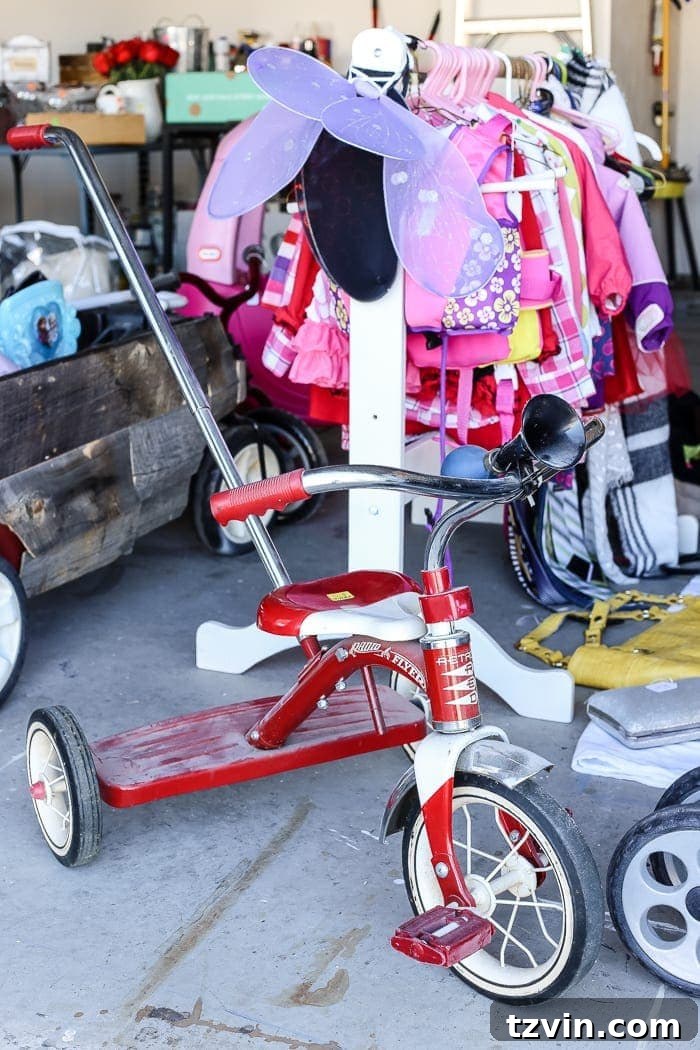
7. Create an Engaging “Free Box”
A “free box” might sound counterintuitive for a sale, but it’s a brilliant psychological trick that can significantly enhance your garage sale’s success. Designate a clearly marked box or area for small, inexpensive knick-knacks, cheap toys, or items that might otherwise be difficult to sell. Label it boldly as “FREE!”
Here’s why it works: The prospect of free items acts as an irresistible draw, enticing people to stop at your sale. Once they’ve stopped for the freebies, they’re more likely to browse your priced items. For parents, a free toy box is a lifesaesaver, keeping little kids entertained while they can focus on shopping. It creates a positive, welcoming atmosphere and provides a quick, effortless way to get rid of those truly unwanted small items that might not even be worth pricing. It’s a win-win: you declutter, and customers feel like they’ve scored a bonus!

8. Allocate Ample Preparation Time Before Opening
Resist the urge to open your garage sale precisely at the advertised start time if you’re not fully ready. Give yourself at least 30 minutes (ideally an hour) before the official opening to complete all final preparations. This dedicated buffer time is crucial for setting the stage for a successful day.
During this time, place your main “Garage Sale” sign prominently in your yard, ensuring it’s visible from both directions of traffic. Spread items out into your driveway if needed, creating spacious pathways that allow customers to walk around comfortably without feeling crowded. Arrange a few captivating displays, placing your most desirable or eye-catching items at the front to draw people in. Double-check price tags, organize your change, and take a moment to survey the overall presentation.
One common pitfall is the arrival of “early birds” – savvy shoppers who show up before the official start time, hoping to get first dibs. While their eagerness is a good sign for your sale, it’s perfectly acceptable to politely inform them that you’re not quite open yet. State your official start time and ask them to return. This prevents you from feeling rushed, fumbling for money, or missing out on potential sales because you’re still setting up. I learned this the hard way at my first sale, feeling pressured to accommodate early birds and ending up stressed and disorganized. Being prepared and firm about your start time will lead to a much calmer and more profitable experience.

9. Cultivate a Welcoming Atmosphere
The overall atmosphere of your garage sale can significantly influence how long people stay and how much they buy. Make an effort to be genuinely welcoming. Greet customers with a friendly smile and a simple “hello” or “good morning” as they arrive. This acknowledges their presence and makes them feel comfortable. However, avoid being overly pushy or hovering. Give them ample space to browse at their own pace without feeling pressured.
Enhance the shopping experience by playing some pleasant, upbeat background music (at a reasonable volume) and perhaps offering simple refreshments. A pitcher of cold lemonade on a warm day, or even allowing your kids to run a lemonade stand, adds a charming touch that can attract more families and encourage them to linger longer. A positive and friendly vibe makes your sale more enjoyable and memorable, increasing the likelihood of purchases and positive word-of-mouth recommendations.

10. Strategize for Bargaining: When and How to Negotiate
Bargaining is an integral part of the garage sale culture, and knowing when to be firm versus when to be flexible can significantly impact your total earnings. At the beginning of your sale, during the first couple of hours when the most serious shoppers and early birds are present, it’s advisable to keep your prices fairly firm. These buyers are often willing to pay closer to the asking price for desirable items.
However, as the day progresses and especially towards the final hours of your sale, it’s time to become more flexible. This is when you can become more open to negotiation. Consider implementing blanket discounts, such as “all items 50% off” or “fill a bag for $5” during the last hour or two. Announcing these deals can create a rush of last-minute buyers eager to snag a bargain and help you clear out remaining inventory.
Towards the very end, if you still have items you absolutely do not want to bring back into your house, create a “free-for-all” pile. Mark it clearly as “FREE – Take What You Want!” This is a fantastic way to dispose of lingering items, ensuring you’re left with minimal cleanup and no leftover clutter to contend with after a long day of selling. It’s about maximizing your profits early on and then prioritizing efficient decluttering as the sale winds down.

11. Smartly Handle Leftovers: Donate or List Online
The garage sale might be over, but your decluttering journey isn’t quite finished. The final step is to efficiently deal with any unsold items. Don’t fall into the trap of bringing everything back into your house, only for it to become clutter again. Take this opportunity to make final decisions and clear out your space completely.
For items that you believe still hold significant value or are worth the extra effort for a little more money, consider listing them on online platforms. Websites like Facebook Marketplace are excellent for local sales of larger items or furniture. For clothing, accessories, or unique collectibles, setting up an account on platforms like Poshmark or eBay can connect you with a wider audience willing to pay more.
For everything else, don’t even let it cross your threshold back into your home. The most efficient approach is to schedule a donation pickup with a local charity (many offer this service for free), or simply load all remaining items directly into your vehicle to haul away to a nearby donation center. Remember to obtain a receipt for your donations; these can often be used for a tax write-off, meaning even your donated items can still “pay you back” in the long run. Completing this final step ensures your garage sale truly achieves its dual purpose: decluttering your home and making the most of your unwanted belongings.
Have you already started some massive purging as the mood strikes? (Here are some tips to help you declutter and a whole home decluttering checklist you can use.)
Do you have any garage / yard sale tips of your own that have proven successful? We’re always looking for new ideas! And what items are you keeping an eye out for lately? I’m personally always on the hunt for great furniture pieces that I can transform with a little paint and creativity!
More Thrifty Home Tips for Savvy Shoppers and Sellers
30 Best Home Decor Items to Buy at Thrift Stores
How to Find the Best Deals on Facebook Marketplace