“Be kind. Everyone you meet is fighting a hard battle.”
My Unvarnished Journey Through Postpartum Depression: A Story of Hope and Healing
For months, I hesitated. Sharing this intensely personal journey felt like standing exposed, vulnerable. Even now, as these words take shape, the thought of hitting the “publish” button sends a ripple of anxiety through me. Yet, I feel a profound responsibility to every other woman who has silently battled or is currently navigating the tempest of postpartum depression. This isn’t just my story; it’s a testament to the resilience of mothers and a beacon for those lost in the shadows, hoping to help them recognize that they are not alone and that help is available.
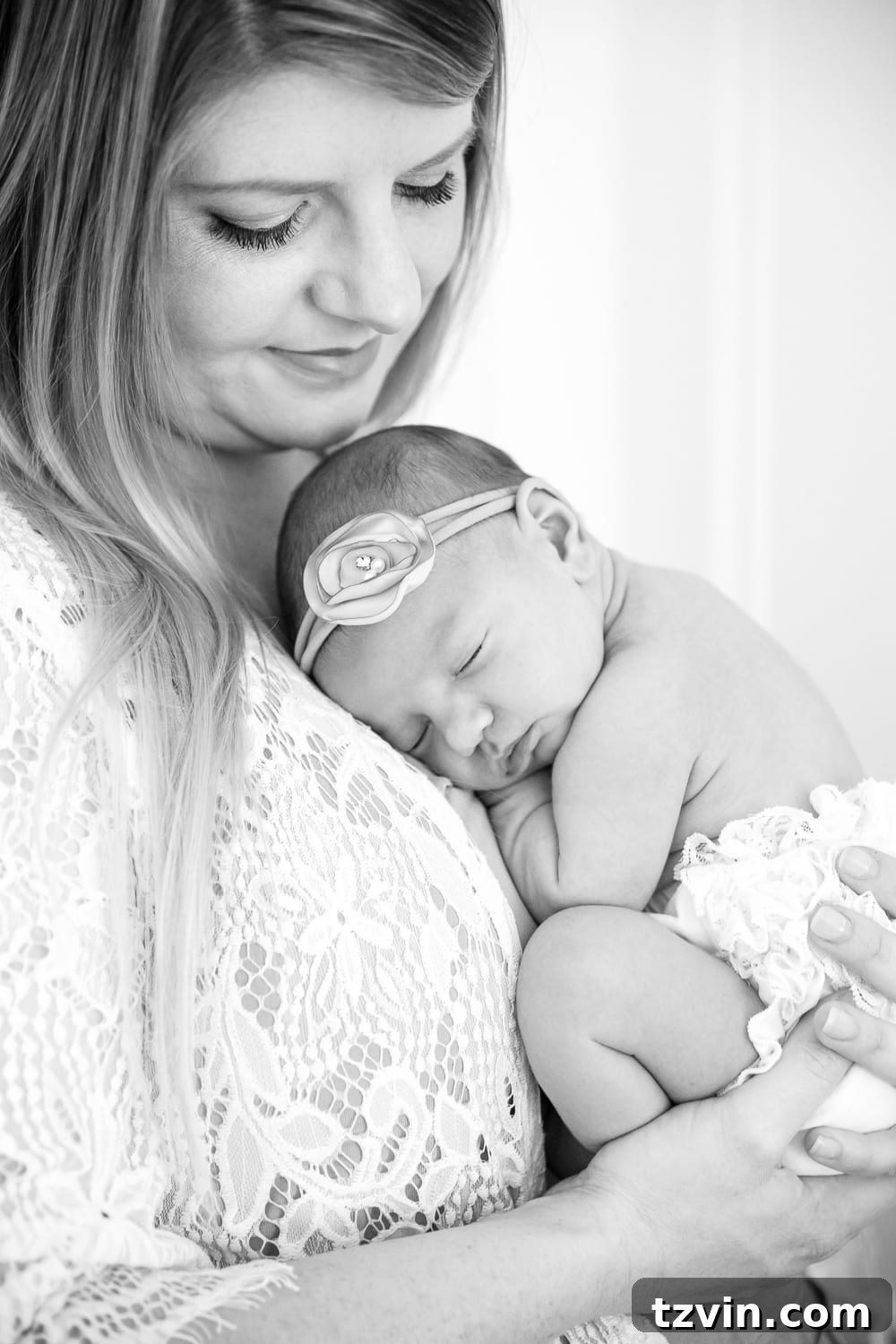
Photo credit: Alisha Rudd Photography
The Arrival of Regan and The Illusion of Effortless Motherhood
Just shy of a year ago, our precious little Regan graced our world. She was a deeply longed-for child, prayed for long before any hint of her existence appeared on a pregnancy test. My nine months of carrying her felt remarkably smooth, a stark contrast to the common struggles many mothers face. Having welcomed our first daughter, Olivia, six years prior, I approached Regan’s arrival with an unfounded confidence. “I’ve got this,” I thought. “No problem at all.”
Ah, the sweet, naive optimism of a second-time parent. The belief that past experience makes you immune to new challenges. These were, in hindsight, what I now refer to as “second child delusions.” I imagined a seamless transition, a perfectly balanced family life, and an immediate return to a sense of normalcy, perhaps even an improved one, given my supposed experience. The reality, however, would prove to be profoundly different.
When we finally returned home from the hospital, cradling our newborn, I was entirely unprepared for the seismic shift that was about to hit my life – a force as relentless and disorienting as a freight train. While life with a newborn is inherently demanding, bringing with it sleepless nights and a whirlwind of adjustments, this was fundamentally different. This wasn’t merely the fatigue of typical infant care or the adjustment to a new family dynamic; it was an escalating storm of physical and emotional turmoil that would soon define my existence, pushing me to my absolute limits and beyond.
Navigating a Torrent of Post-Delivery Complications and Infant Struggles
To be fair, Regan’s delivery was far from straightforward. Minutes after her birth, I faced serious complications, teetering on the brink of an emergency operating room visit. Though doctors believed they had resolved the issues without extensive intervention, and I was discharged a mere 24 hours later, the initial struggles were a preview of the difficult months ahead. My body, far from recovered, was already signaling distress, and the path to full healing would be long and arduous.
The subsequent months unfolded into a relentless saga of challenges. Regan, our tiny bundle of joy, suffered from undiagnosed acid reflux and a dairy intolerance, manifesting as severe colic. Her cries of pain were constant, particularly during feeding. This transformed what should have been a bonding experience into a stress-filled breastfeeding journey, one that left both of us exhausted and in distress. Chronic ear infections plagued her, eventually necessitating a tube procedure, and our nights were consumed by her waking every 45 minutes, screaming in agony. The sound of her cries became the soundtrack to my life, a constant reminder of her pain and my helplessness.
As if Regan’s struggles weren’t enough, my own physical recovery was severely hampered. Eight weeks postpartum, I found myself back in the operating room to correct the lingering complications from delivery. This unexpected surgery prolonged my physical healing, adding another layer of strain to an already overwhelming situation. Furthermore, my unwavering commitment to exclusive pumping for 11 grueling months, driven by Regan’s sensitivities to formula, resulted in five agonizing cases of mastitis. Each bout of infection was not just physically painful but also a direct consequence of the immense, unmanaged stress I was under, exacerbating my overall physical and mental exhaustion.
Every formula we attempted for Regan seemed to trigger a new sensitivity, leading to more pain for her, more discomfort, and more sleepless nights for our entire family. Trapped in a vicious cycle of trying to find a solution, I made a silent pact with myself: “Either she suffers, or I do; I’ll bear the burden.” This grim determination meant committing to 2-3 hours daily tethered to a breast pump. This wasn’t just a demanding routine; it was an isolating experience that stripped away any semblance of joy or freedom. It was a constant, draining reminder of the physical toll and the seemingly endless sacrifices I was making, all while feeling completely depleted.
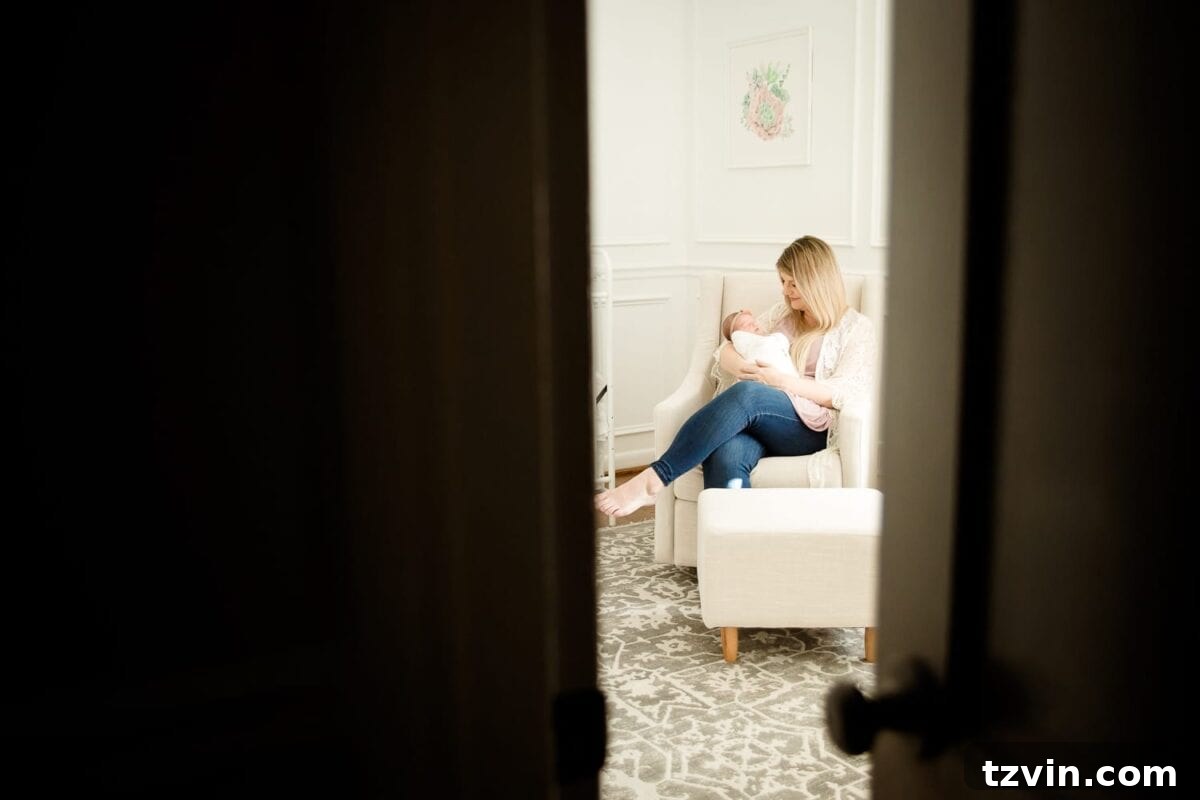
The Unseen Battle Within: Recognizing Postpartum Depression
Amidst this ceaseless physical and emotional exhaustion, perhaps the most profound and crushing realization arrived at the eight-month mark: I was battling Postpartum Depression (PPD). This wasn’t a mere case of “baby blues,” which are transient and typically resolve within a couple of weeks; this was a deep, pervasive emotional void that had silently taken root and grown, unnoticed by myself and those closest to me. The insidious nature of PPD often means it can masquerade as exhaustion or typical new-parent stress, making it incredibly difficult to identify.
I share these intimate details not to elicit pity, but because I genuinely had no idea that what I was experiencing even had a name. The common perception of depression often equates to profound sadness, tears, and an inability to function due to overwhelming grief. Yet, my reality was starkly different. For eight long months, I had been utterly emotionless, completely numb. I loved my two precious girls and my husband, Robert, with every fiber of my being, but to access feelings of happiness, sadness, or any emotion beyond a suffocating blanket of anxiety, required an immense, almost physical, effort. I wasn’t suicidal; I was merely existing in a constant state of survival mode, detached from my own emotional landscape and struggling to find any connection to the vibrant life I once knew.
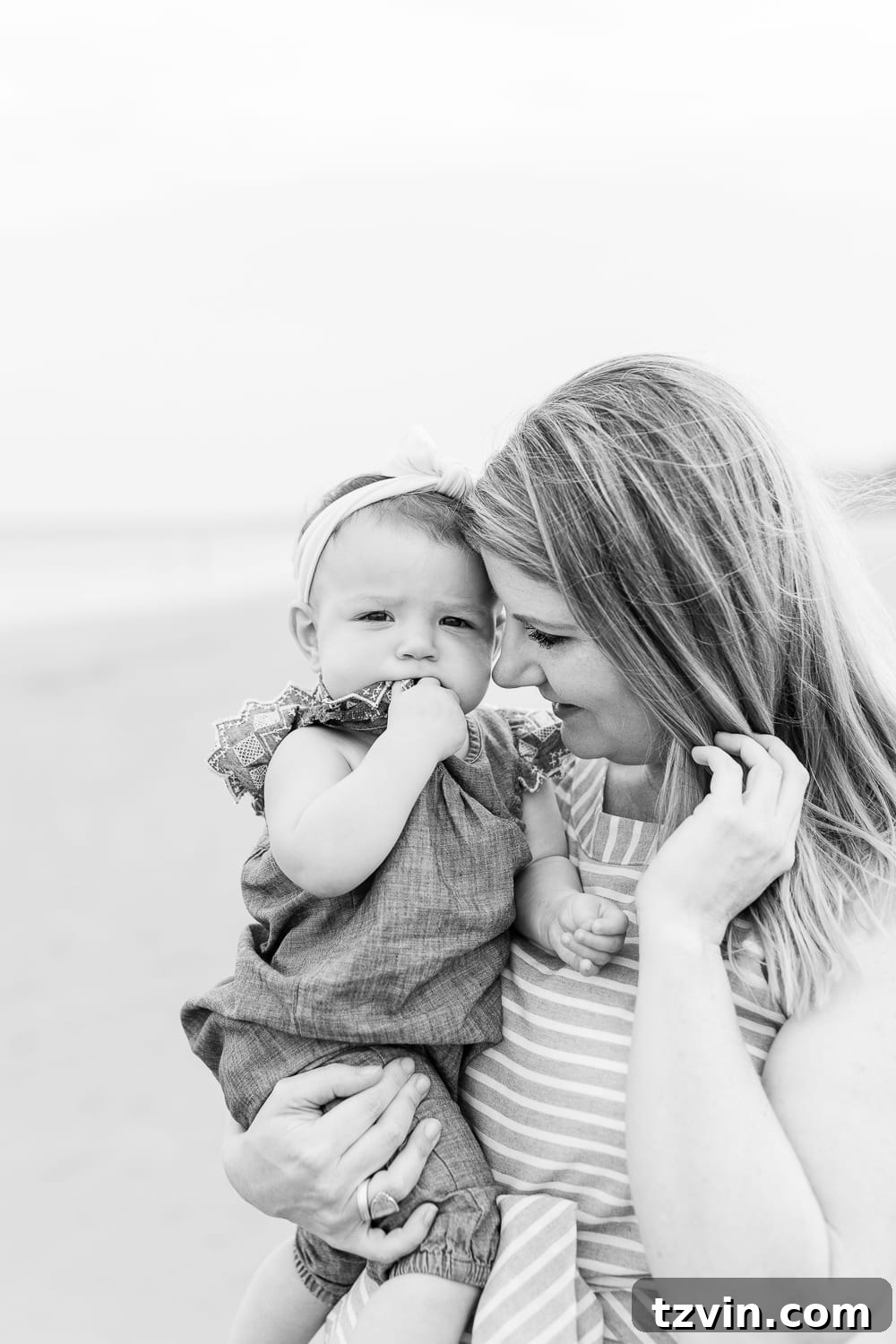
Photo credit: Lindsey Morgan Photography
Symptoms I Couldn’t Name, A Reality I Couldn’t Escape: The Hidden Signs of PPD
The symptoms of my Postpartum Depression were insidious, manifesting in ways I never anticipated and often dismissed as mere exhaustion, stress, or a personal failing. They chipped away at my sense of self, leaving me feeling like a stranger in my own body and mind:
- Extreme Neglect of Self: I would unintentionally starve myself, often forgetting to eat for 18 hours until the onset of shakes would snap me back to the realization of my neglect. Nourishing myself simply wasn’t a priority, overshadowed by the constant demands and my racing thoughts about everything else. My own basic needs became entirely secondary.
- Unrelenting Mental Agitation: Despite being perpetually exhausted, true rest was an elusive dream. My mind was a whirlwind of a million and one thoughts, trapped in a relentless cycle of panic and worry that prevented any respite. Even when my body was screaming for sleep, my mind refused to shut down, leaving me in a state of constant, debilitating alertness.
- Profound Social Withdrawal: I developed zero interest in social interactions, preferring isolation. Answering emails, responding to comments, or even simple text messages felt like insurmountable tasks, each interaction draining the last vestiges of my energy. The thought of engaging with the outside world became a source of profound dread, making me retreat further into myself.
- Waves of Irrepressible Rage: This was perhaps the most frightening symptom. I experienced sudden, intense surges of anger over trivial matters, like my six-year-old taking a few seconds too long to get out of the car. These bursts of rage were overwhelming, completely out of character, and immediately followed by crushing guilt and shame, leaving me questioning who I had become.
- Aversion to Self-Care and Physical Touch: The simplest acts of self-care, like showering or putting on makeup, felt like monumental efforts I simply couldn’t muster the energy for. More painfully, I hated being touched, recoiling from even gentle affection from my husband or children. This physical aversion created a painful distance from my loved ones, further isolating me and deepening my sense of guilt.
The Façade of “Fine” and the Silent Plea for Rest
The worst part of this internal battle was the crushing embarrassment and the deep-seated fear of judgment. I buried every terrifying thought and feeling as deeply as I possibly could, constructing a meticulous façade of happiness. I smiled, performed my role as a happy, capable mother flawlessly, and tried desperately to fool everyone – even myself. My own husband, Robert, believed I was “100% fine,” completely unaware of the turmoil raging beneath my composed exterior.
But beneath the surface, my mind was a constant prayer. I begged God for rest, for the strength to be the mother my girls deserved, the wife my husband needed. “Make me stronger,” I pleaded, “help me be one of those moms who makes it all seem so effortless, Lord, please! Lift this heavy burden from me so I can truly connect with my family.” It was a desperate, silent plea for deliverance from a prison of my own making.
Yet, despite these profound internal cries for help, I uttered not a single word of my suffering to anyone, not even Robert, my closest confidant. I was convinced I could conquer it alone, that this was a weakness I needed to overcome through sheer willpower. This internal struggle, this desperate attempt to self-medicate or self-correct, meant that while some days offered fleeting glimpses of relief, the darkness always returned, an insidious ebb and flow that never truly receded, keeping me trapped in a cycle of despair and isolation.
A Turning Point: The Power of One Question and Seeking Professional Help for PPD
The breakthrough came unexpectedly, born out of another physical hardship that forced me back into the healthcare system. After my seventh doctor’s visit since Regan’s birth, triggered by yet another debilitating bout of mastitis, my doctor paused at the very end of our appointment. Her eyes met mine, and she simply asked, with genuine concern, “How are you doing?”
In that moment, a tiny, defiant voice inside me, one I hadn’t heard in months, whispered, “Tell the truth.” And I did. The words tumbled out, raw and unfiltered, carrying the weight of months of hidden suffering: “I think I need some help.” The floodgates opened. Spilling everything – the relentless physical pain, the profound emotional numbness, the constant anxiety, the hidden rage, the guilt, the exhaustion – to my doctor was an immense relief. It was the first step towards untangling the complex web of feelings and finally giving them a voice, a critical moment in my journey towards healing and recovery from postpartum depression.
Embracing Healing: My Path to Recovery and Renewed Motherhood
Less than a week after starting a low-dose antidepressant, a profound shift occurred. It felt as if I had been submerged underwater for months, suffocating under the immense pressure, and suddenly, I could take my first truly deep breaths. The suffocating grip began to lift, replaced by a subtle but undeniable sense of clarity and peace. This initial relief was a lifeline, a glimmer of hope that a brighter future was possible. My husband, Robert, and my parents became my unwavering anchors, providing a vital support system that helped me navigate the initial stages of recovery, offering understanding and practical assistance without judgment.
Alongside the medication, I consciously carved out small pockets of time each day for self-care and mental well-being. This included reading my devotionals, engaging in prayer, and practicing meditation – simple acts that helped me “get my mind right,” even if only for a few minutes. These moments of quiet reflection and spiritual grounding became essential components of my healing journey, gradually helping me to reconnect with myself, to find moments of peace, and to start rebuilding my inner strength. It was a holistic approach to healing, addressing both the chemical imbalances and the spiritual needs that had been neglected for so long.
Now, three months post-diagnosis, while life with a baby undoubtedly remains stressful, it’s a manageable, normal kind of stress. It’s the kind where you can problem-solve and adapt, where challenges feel like hurdles to overcome rather than insurmountable mountains. It is definitely not the all-consuming, “I-want-to-run-away-and-hide” kind of stress that once plagued my every waking moment. The suffocating grip of PPD has loosened its hold, allowing me to breathe freely and embrace the demands of motherhood with renewed strength, joy, and a sense of presence I hadn’t felt in nearly a year.
A Message of Hope: You Are Not Alone in Your Maternal Mental Health Journey
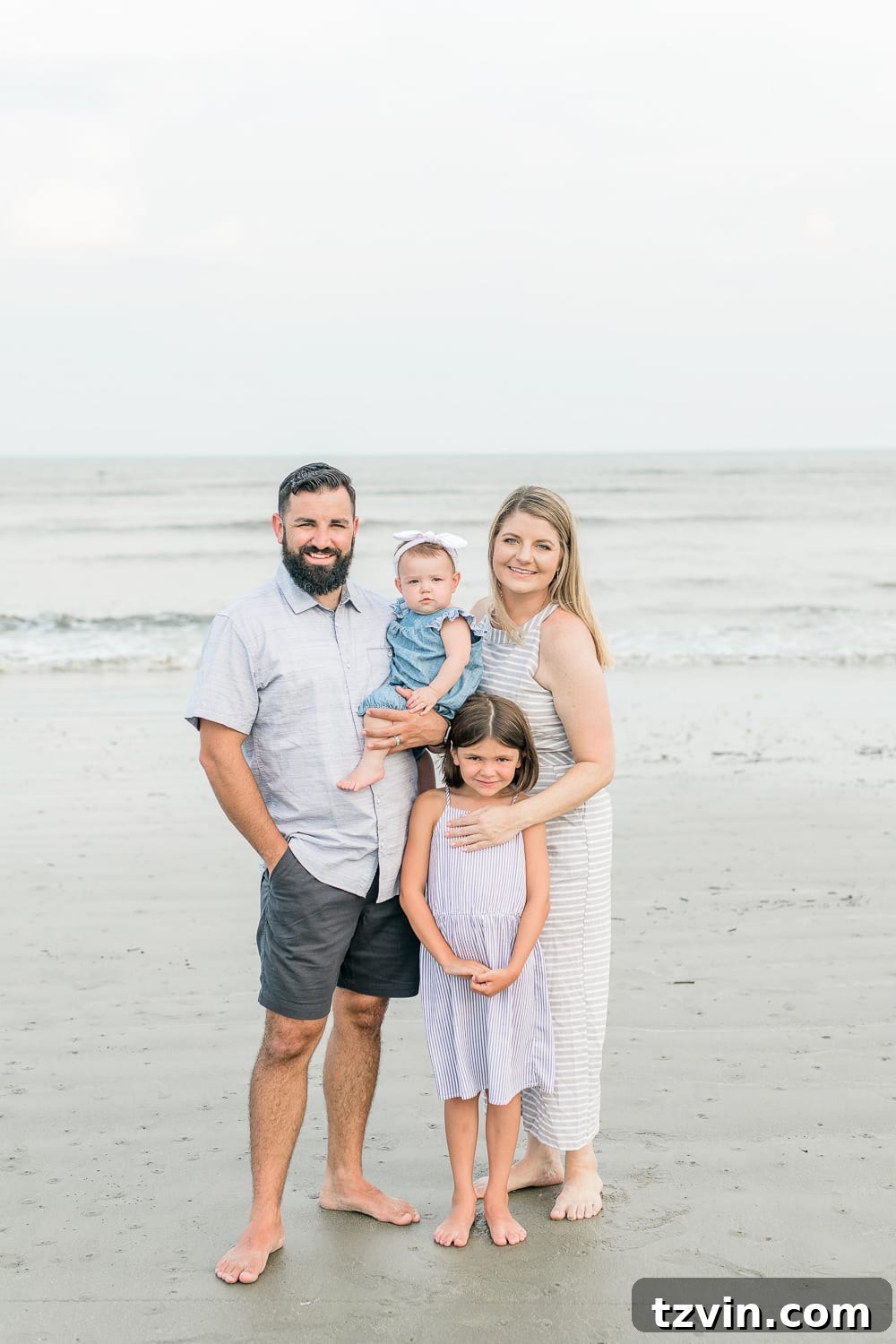
For the first time in what feels like an eternity, I am genuinely excited about this beautiful, albeit chaotic, phase of life. There’s a part of me that yearns to scoop my baby girls out of their beds this very second, to shower their squishy, butter-soft cheeks with kisses. In fact, I have every intention of sneaking into their rooms for a quick cuddle session as soon as I finish writing this. The joy, the connection, the overwhelming love that felt so distant, is now palpable and deeply cherished, a testament to the power of healing.
So, there it is. Phew! It’s finally out in the open. This is not a story I ever imagined I would tell, nor a chapter I thought would be written in my life’s book. But perhaps, by sharing my unvarnished truth, it can help someone else recognize that their experience, their struggle, is not normal. It’s not just “new mom tiredness” or “the baby blues.” It could be Postpartum Depression or another form of maternal mental health challenge, and it deserves attention and professional care.
Hormones are powerful and can play tricks on our brains, transforming us into versions of ourselves we barely recognize. If you are struggling, please understand that it is absolutely not your fault. This is a medical condition, not a character flaw, and it is treatable. Reach out and talk to someone you trust – your spouse, your doctor, your mom, your best friend, or a mental health professional. Don’t suffer in silence, believing you must bear this burden alone; there is a community of support waiting to embrace you.
There is nothing, absolutely nothing, to be embarrassed about when it comes to seeking help for your mental health. It took me a significant amount of time and effort to truly come to terms with this part of my journey. Never let pride or shame prevent you from seeking help, no matter what form that help may take. Your well-being is paramount, not just for you, but for your entire family. Prioritizing your mental health is a profound act of self-love and a gift to your children.
Our babies deserve their mommies at their very best – present, engaged, and full of love. You deserve to look back on these fleeting, precious days and remember the snuggles, the giggles, and the heart-bursting, cup-overflowing love of every sweet moment. Don’t let PPD steal those memories from you. Soak it up, mamas. Seek help, embark on your healing journey, and cherish every single second that follows.
I am profoundly thankful for each of you, for your unwavering encouragement and support over these past 11 months and beyond. Whether you knew it or not, your kind words, your presence, and your belief in me were often what kept me going on the toughest days. So please, accept this big, heartfelt bear hug. I still marvel at how anyone stumbled upon this little corner of the internet, but I am eternally grateful that you chose to stick around and be a part of this journey. Your community means the world to me, and I hope this story can serve as a testament to the power of sharing and connection.

If you want to save this post for later, you can pin it here: