
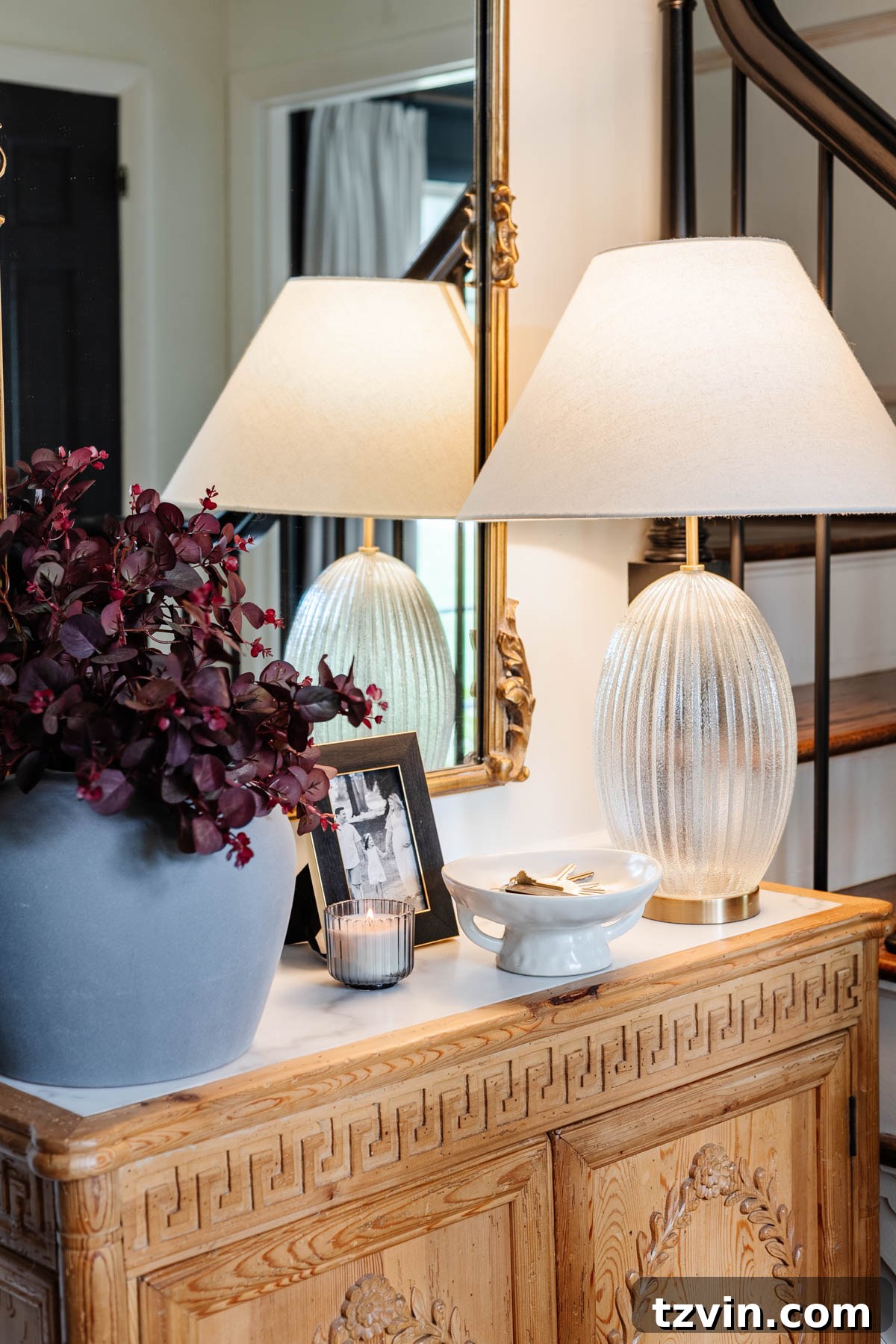
Creating a Sensory Sanctuary: Designing Your Home for Ultimate Well-being
When embarking on the journey of decorating a home, many of us initially gravitate towards visual inspiration. Platforms like Pinterest are brimming with stunning interior design ideas, often showcasing spaces that are beautiful to behold. However, a truly comfortable and nurturing home environment goes far beyond what meets the eye. In recent years, there’s been a growing emphasis on creating a “sensory home”—a space designed to engage all five senses and provide a profound sense of peace and comfort.
This shift in perspective, moving from merely visual aesthetics to a holistic sensory experience, has made an immense difference in my family’s daily lives. Our home has transformed into a true sanctuary, fostering feelings of relaxation and well-being that resonate throughout our days.
Why a Sensory Home is Your Ultimate Retreat
In every room makeover, whether for our own home or for friends, my goal is to thoughtfully incorporate elements that appeal to each of the five senses. The impact of this approach is often immediate and deeply felt. When someone steps into a space meticulously designed with sensory integration in mind, their reaction isn’t just about visual appeal; it’s a physiological response. They often take a deep, involuntary breath, their shoulders visibly relax, and their muscles unwind. This profound shift is a clear indicator that the sensory design is working its magic.
Our homes should serve as more than just shelters; they should be personalized retreats for our nervous systems, offering a wave of relief the moment we cross the threshold. This principle is powerful enough that I even applied similar decorating tricks in my classroom as a teacher, helping my students find a sense of calm and reduce stress during their school day. The incredible benefit of creating a sensory-rich home is its accessibility. You don’t need a massive renovation or a hefty budget to make these changes; it’s about intentional, mindful choices that contribute to your daily well-being. By focusing on sensory input, you can transform your living space into a haven that actively supports relaxation and reduces stress.
Related: 10 Cozy Bedroom Ideas on a Budget for the Best Sleep Ever
Engaging the Senses: Practical Decorating Tips for a Soothing Home
1. Aromatic Bliss: Elevate Your Home’s Scent Profile
The power of scent to evoke emotion and create a welcoming atmosphere is undeniable. However, relying on artificial perfumes and chemical air fresheners can often be counterproductive, potentially causing headaches or sensitivities. Instead, focus on natural methods to make your house smell good naturally.
One of my favorite and most effective tips is to create a no-waste simmer pot. This simple method involves gently simmering water with aromatic ingredients like citrus peels, cinnamon sticks, cloves, and rosemary, filling your home with a comforting and incredibly relaxing aroma. The beauty of simmer pots is their versatility; you can adapt them seasonally with fresh herbs, spices, and fruit for an ever-changing olfactory experience.
Beyond simmer pots, consider these natural strategies for a beautifully scented home:
- Odor Absorption: Place charcoal bags in drawers, closets, and other areas prone to stuffiness. Activated charcoal is excellent at naturally absorbing unwanted odors without adding any artificial fragrance.
- Natural Air Purifiers: Introduce houseplants, which not only add visual appeal but also naturally cleanse the air. Varieties like snake plants, peace lilies, and spider plants are known for their air-purifying qualities.
- Therapeutic Essential Oils: Diffuse relaxing essential oils such as lavender, bergamot, or frankincense. Lavender is renowned for its calming properties, while bergamot has been scientifically proven to reduce anxiety. Always exercise caution and consult a pet-safe list if you have animals at home.
- Combat Odors at the Source: Sprinkle baking soda at the bottom of trash cans, pet litter boxes, or even on carpets before vacuuming to neutralize odors effectively.
- Fresh Air Circulation: Make it a habit to open windows for a few minutes each day, even in cooler weather. This simple act airs out rooms, dispelling stale air and bringing in freshness.
- Deep Cleaning for Textiles: Eliminate musty smells from towels and bedding by washing them with 1 cup of white vinegar and 1/2 cup of baking soda in addition to your regular laundry detergent. This natural combination acts as a powerful deodorizer and softener.
By integrating these natural methods, you’ll create an inviting and calming aromatic backdrop that enhances your home’s overall sensory appeal, truly making it a haven.
Related: 16 Natural Hacks to Make Your House Smell Amazing
2. Harmonious Audioscapes: Curating Your Home’s Sound
The sounds we encounter in our homes profoundly impact our mood and stress levels. While often overlooked, cultivating a harmonious audioscape is a crucial component of creating a truly sensory home. Fortunately, there’s a wealth of calming playlists readily available on streaming platforms like Spotify. Many find solace in instrumental music, classical pieces, or ambient soundscapes. For instance, Vitamin String Quartet Radio offers beautifully arranged contemporary songs that create a sophisticated yet relaxing atmosphere. The Calm app also provides an array of soothing sounds and guided meditations that can instantly lower stress. You are welcome to explore my own Cozy Home Playlist, specifically curated for a tranquil home environment.
Beyond curated music, consider incorporating natural sounds into your home. A small indoor water feature can provide the gentle, rhythmic sound of trickling water, known for its calming effects. Wind chimes placed near a window offer subtle, melodious tones when a breeze passes through. For those seeking absolute quiet or to mask external disturbances, a white noise machine can provide a consistent, unobtrusive background hum that promotes focus and relaxation, especially in bedrooms or home offices.
The acoustics of a room also play a significant role. Hard surfaces can make a room feel echoey and cold, amplifying sounds and potentially increasing stress. Incorporating soft furnishings like thick rugs, plush curtains, and upholstered furniture helps absorb sound, creating a warmer, more intimate, and quieter environment. By being mindful of both the sounds you introduce and the way your home absorbs them, you can craft an audioscape that consistently supports your well-being.
(And if you have any DIY projects planned in the near future, our DIY Project Tunes Playlist is perfect for staying energized and motivated!)
Related: Home Office Layout Ideas to Improve Your Productivity
3. The Power of Touch: Embracing Comfort Through Texture
The sense of touch is profoundly connected to feelings of comfort, security, and relaxation. Integrating a variety of inviting textures into your home decor can significantly elevate its sensory appeal. I’ve often shared my favorite tricks to make beds feel exceptionally fluffy, transforming a simple sleeping space into a luxurious cloud of comfort. This principle extends throughout the entire home.
In living areas, investing in high-quality down or down alternative throw pillows is absolutely worth it. A secret to achieving that extra plush look and feel is to use pillow inserts one size larger than your pillow covers. This creates a fuller, more inviting appearance that begs to be snuggled into. Beyond pillows, consider layering textures with soft throws, chunky knit blankets, and area rugs that are soft underfoot. These elements add visual interest and tactile richness.
When selecting fabrics, prioritize natural, breathable textures over synthetic ones whenever possible. Natural fibers tend to feel better against the skin, regulate temperature more effectively, and often age more gracefully. They also contribute to a healthier indoor environment by minimizing exposure to synthetic chemicals.
These fabrics are highly recommended for their comfort and are often preferred by people with sensory sensitivities:
- Cotton: Soft, breathable, and versatile, ideal for bedding, towels, and casual upholstery.
- Bamboo: Luxuriously soft, hypoallergenic, and excellent for temperature regulation.
- Flannel: Exceptionally warm and cozy, perfect for bedding during colder months.
- Linen: Known for its natural elegance, breathability, and wonderfully relaxed texture.
- Fleece: Incredibly soft and warm, making it perfect for throws and loungewear.
- Jersey Knit: Stretchy, soft, and comfortable, often used for relaxed bedding and loungewear.
Don’t limit texture to just fabrics. Introduce tactile elements through natural materials like smooth, polished wood, cool ceramic tiles, or rugged stone accents. These varied textures add depth and interest, encouraging interaction with your surroundings and creating a truly immersive sensory experience that makes your home feel deeply comfortable and secure.
Related: How to Make a Bed Like the Magazines
4. Visual Harmony: Mastering Color and Light
The visual elements of your home—especially color and light—are powerful architects of mood and atmosphere. Understanding color theory in interior design allows you to tap into the psychology of how colors influence emotions and perceptions within a space. The right color choices can dramatically shape moods, making a room feel calm, cozy, vibrant, or sophisticated, depending entirely on its intended purpose and the feelings you wish to evoke.
When selecting a paint color for any room, it’s vital to consider not just its aesthetic appeal, but how that particular hue will influence your emotional state and overall well-being each day. A soothing bedroom might call for cool, tranquil tones, while a lively kitchen could benefit from more energetic shades. Thoughtful color selection is a cornerstone of creating a truly sensory home that supports your desired emotional landscape.
Related: Our Calming Whole House Paint Color Palette
The Psychology of Color: Crafting Moods with Paint
Here’s a quick rundown of emotions commonly associated with colors in interior design, helping you choose wisely for your home sanctuary:
- Red: Often associated with energy, passion, and excitement. It can also evoke feelings of warmth or, if overused, aggression. Best used as an accent.
- Orange: Radiates enthusiasm, creativity, and sociability, bringing a sense of warmth and friendliness to a space.
- Yellow: Symbolizes happiness, optimism, and mental clarity. However, too much intense yellow can sometimes lead to feelings of anxiety or agitation.
- Green: A wonderfully calming color that represents balance, renewal, and a strong connection to nature. Sage green and muted olive tones are particularly soothing.
- Blue: Instills tranquility, peace, and focus. Lighter shades promote serenity, while darker blues can feel more formal or somber, perfect for a sophisticated study.
- Purple: Conveys luxury, creativity, and a touch of mystery. Lighter purples, like lavender, offer a soothing and elegant feel, ideal for bedrooms.
- Pink: Associated with love, gentleness, and nurturing qualities. Blush pinks create a soft, inviting, and comforting atmosphere.
- Brown: Provides a sense of comfort, stability, and earthiness. It’s grounding and pairs well with natural textures.
- Black: Projects sophistication, elegance, and power. Used thoughtfully, it can add drama; however, overusing it can make a space feel heavy or overwhelming.
- White: Evokes cleanliness, simplicity, and purity. While versatile, relying solely on white can sometimes make a room feel cold or sterile without warm accents.
- Gray: Offers neutrality, calmness, and sophistication. It serves as an excellent backdrop but requires thoughtful accent colors and textures to prevent it from feeling dull.
Recommended Paint Colors
For further inspiration, explore some of the most recommended paint colors by interior designers:
- Best Navy Blue Paint Colors
- Trending Burgundy Paint Colors
- Best Sage Green Paint Colors
- Recommended Blush Pink Paint Colors
- Best Teal Paint Colors
5. Illuminating Well-being: Mindful Lighting Choices
Beyond natural light, the artificial lighting in your home plays a pivotal role in dictating the atmosphere and influencing your mood, energy levels, and even your sleep cycles. The “color” of your light bulbs, measured in Kelvin (K), is a crucial indicator of how a space will feel. This isn’t by accident; it’s a carefully considered element in commercial design.
Think about it: warm, dim lighting, typically around 2700K, is purposefully used in romantic restaurants and cozy lounges to create an inviting, intimate, and relaxing ambiance. In stark contrast, brighter, more blue-ish lighting (often 4000K or higher) is chosen for hospitals and office buildings to promote alertness, concentration, and a sense of cleanliness, albeit at the expense of warmth and comfort. Understanding this distinction is key to making informed choices for your home.
For most residential spaces, especially those dedicated to relaxation and comfort, a warm white light is ideal. For me, the “sweet spot” is a 3000K light bulb. This hue strikes a perfect balance: it’s warm enough to feel cozy and inviting, yet it avoids the overly yellow tone that can sometimes make a room feel dated or dim. It’s just right for creating a gentle, soothing glow throughout your living spaces, bedrooms, and even kitchens where you want a comfortable yet functional light.
Furthermore, don’t underestimate the power of layered lighting. Combine ambient lighting (general room illumination) with task lighting (for reading or cooking) and accent lighting (to highlight artwork or architectural features). Incorporating dimmers on your light switches offers ultimate flexibility, allowing you to adjust the intensity and mood of your lighting throughout the day and evening. You can learn more about selecting the best light bulbs for every room in your house to optimize your home’s sensory appeal.
Equally important is maximizing natural light during the daytime. Ensure your curtains and window shades are opened wide to let in plenty of sunlight. Natural light is essential for regulating our circadian rhythm, boosting mood, and making spaces feel more expansive and airy. Consider reflective surfaces like mirrors strategically placed to amplify natural light and brighten darker corners of your home.
6. A Taste of Home: The Often-Forgotten Sense
While integrating taste directly into permanent decor might seem less obvious, it’s an undeniable contributor to the sensory experience of a cozy home. The aroma of a brewing pot of coffee in the morning or a batch of cookies baking in the oven is the epitome of home comfort and hospitality, instantly evoking feelings of warmth and nostalgia. These culinary delights don’t just appeal to taste but also intertwine with smell and sight, creating a truly multi-sensory delight. Designing inviting kitchen and dining spaces, or even a small, comfortable nook for enjoying a warm beverage, enhances this sense. The presence of fresh fruit bowls or a blooming herb garden in the kitchen can also subtly engage the sense of taste, hinting at nature’s bounty and promoting healthy habits.
Cultivating Your Personal Sanctuary: Small Changes, Big Impact
I can honestly say that when I take a few minutes in the evenings to light a natural candle, stream a cozy playlist, brew a comforting cup of peppermint tea, and curl up with a soft blanket, I immediately feel the day’s stress melt away. This profound sense of calm is no accident; it’s the direct result of engaging multiple senses to create a therapeutic environment. This is the magic of a sensory home at work—it’s an intentional practice that transforms your living space into a haven for well-being.
These adjustments are incredibly simple to implement and don’t require extensive planning or significant expense. We often don’t give much thought to these subtle details, but it’s precisely these seemingly small elements in our homes that make such a monumental difference in our overall well-being. By mindfully considering how each sense interacts with your environment, you can create a space that nurtures your body and soothes your mind.
Do you already decorate your home with your senses in mind? If not, I highly recommend giving it a try. Starting with just one or two of these tips can initiate a powerful transformation, turning your house into a truly comfortable and stress-reducing sanctuary.
More Resources for a Relaxing Home
- Cozy Conference Room Design Ideas & Office Makeover
- Simple Spa Bathroom Ideas to Create Luxury for Less at Home
- Our Calming Whole House Paint Color Palette
- 10 Cozy Bedroom Ideas on a Budget for the Best Sleep Ever