
This post is sponsored by Romabio Paints.
Ultimate Guide to Cleaning and Maintaining Limewashed Brick Exteriors: A 3-Step Tutorial with Romabio
Transforming your home’s exterior with limewash paint offers an undeniable charm and timeless appeal, a finish that has stood the test of time for centuries. If you’ve embraced the beautiful, weathered aesthetic of limewashed brick, or are considering it for your home, understanding its care and maintenance is crucial for preserving its elegance for decades to come. This comprehensive guide will walk you through a simple yet effective 3-step tutorial on how to clean and maintain your limewashed brick exteriors using Romabio Classico Limewash products, answering all your frequently asked questions to help you decide if this classic finish is the right choice for your property.

Five Years of Limewashed Elegance: Our Experience
It’s been just over five years since we embarked on the journey of updating our home’s exterior with Romabio Classico Limewash. The most common question I receive is, “Do you regret it?” My unwavering answer remains: Absolutely not! The decision to limewash our brick has been one of the best home improvement choices we’ve ever made.

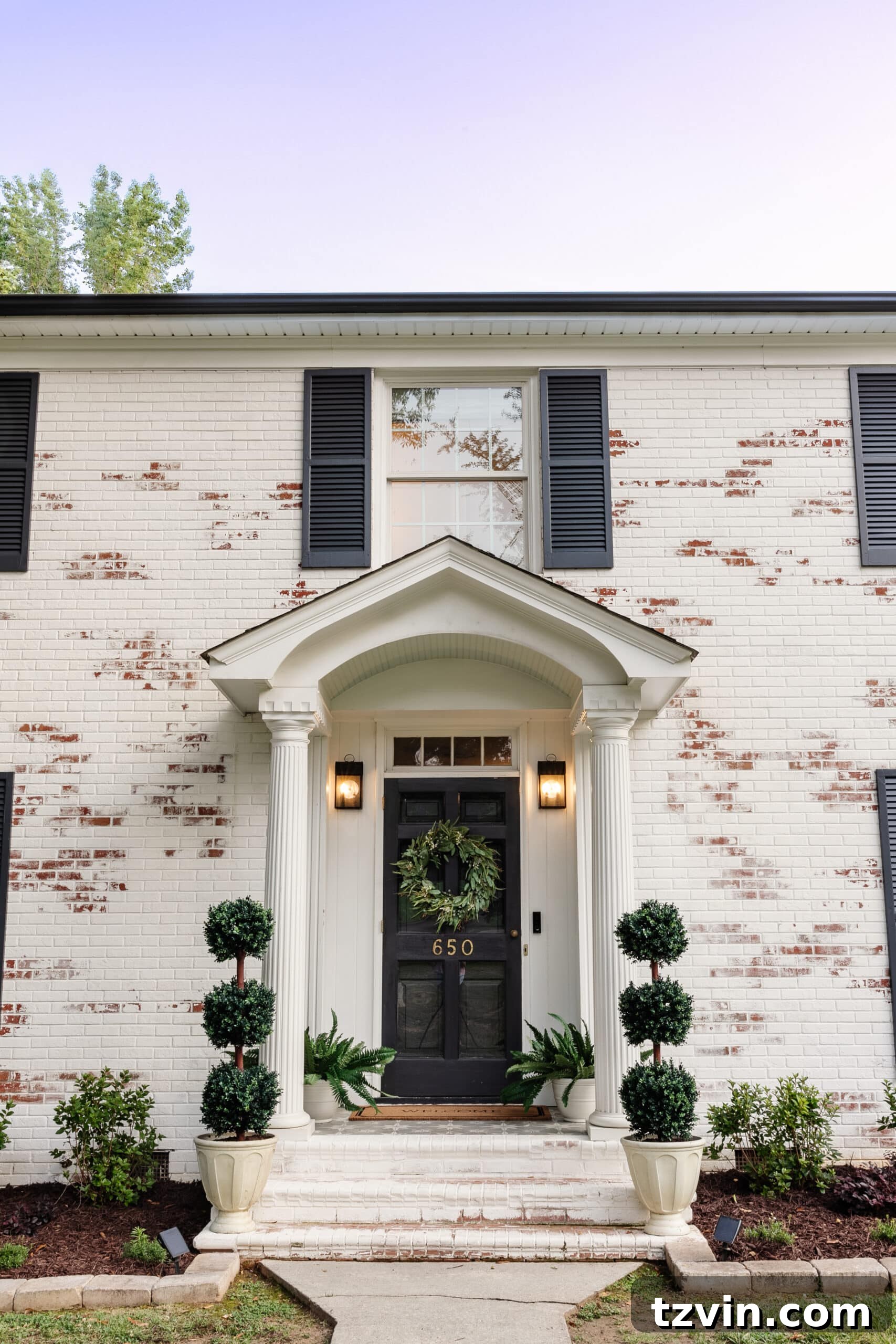
While I appreciate the traditional charm of a natural red brick house, our colonial home originally featured a rather stark, retro 1960s orange exterior that felt dated and lacked character. By opting for a limewash finish, we transformed its look into an antique-style masterpiece, radiating a timeless and sophisticated aura. Even after half a decade, we continue to be captivated by the subtle movement and weathered white patina that Romabio Classico Limewash in Bianco White provides. It effortlessly hides imperfections in the old brick, giving our home a beautifully aged appearance without compromising its structural integrity.
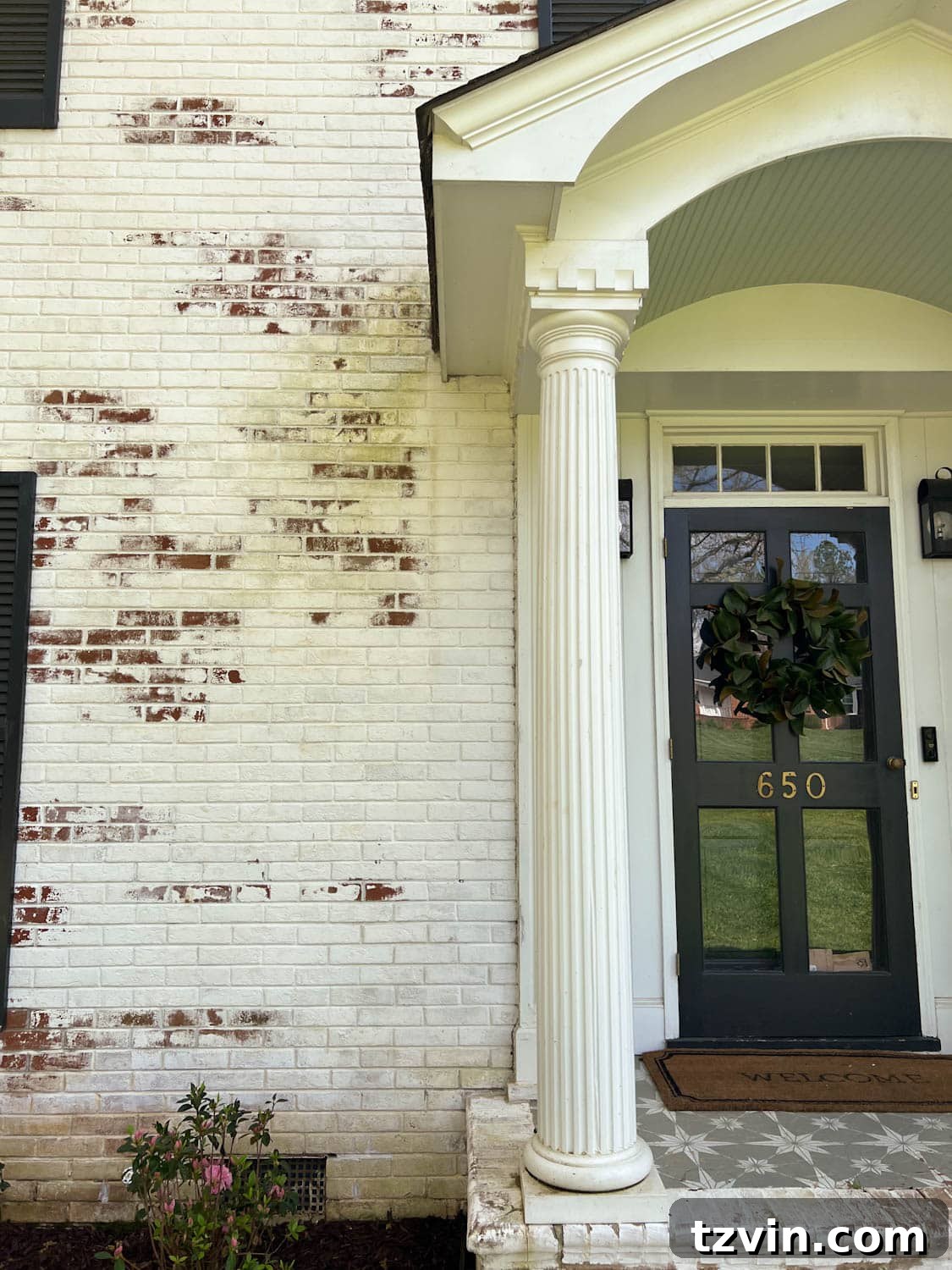
However, life happens, and even the most durable finishes require occasional attention. Our home’s exterior recently underwent foundation repairs, leaving certain areas with unsightly marks and requiring a thorough cleaning. This experience highlighted the importance of proper limewashed brick maintenance and inspired me to share our proven process. If you own a limewashed home or are considering this beautiful finish, understanding its durability and care will empower you to keep your exterior looking impeccable for years to come.
Related: 6 Small Front Porch Ideas on a Budget to Add Instant Curb Appeal
What is Limewash? A Timeless and Breathable Finish
The art of limewashing, or applying slaked lime paint to stone and brick, boasts a rich history spanning centuries. Originating in ancient Egypt, this technique was initially employed to protect structures from the elements, a testament to its enduring resilience. Today, products like Romabio Classico Limewash continue this tradition, offering homeowners a high-performance, aesthetically pleasing, and environmentally friendly finish.
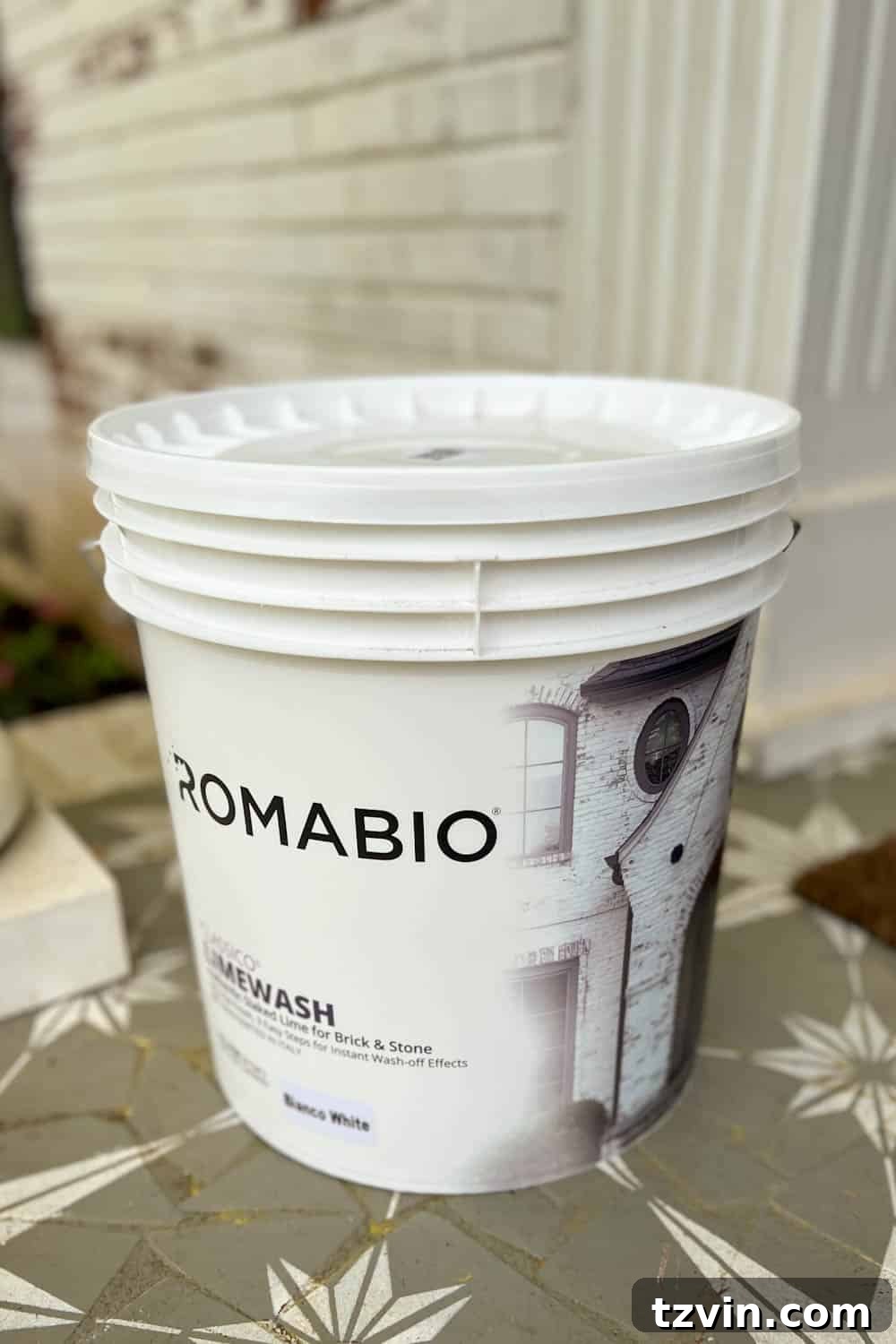
Romabio Classico Limewash is meticulously crafted in Italy, utilizing natural limestone sourced directly from the majestic Dolomite mountains. It’s crucial not to confuse limewash with German Smear or traditional whitewashing, as it is a fundamentally different product. Unlike conventional paints that create a film on the surface, limewash is a mineral paint where the lime is slaked and then aged to create a unique formulation. This allows it to calcify directly onto porous surfaces like brick, stone, and masonry, bonding rather than simply coating. This calcification process ensures a durable, breathable finish that allows moisture to evaporate, preventing issues like peeling or chipping common with acrylic paints on masonry. The result is an instant, authentic patina that mimics the appearance of centuries-old European architecture.
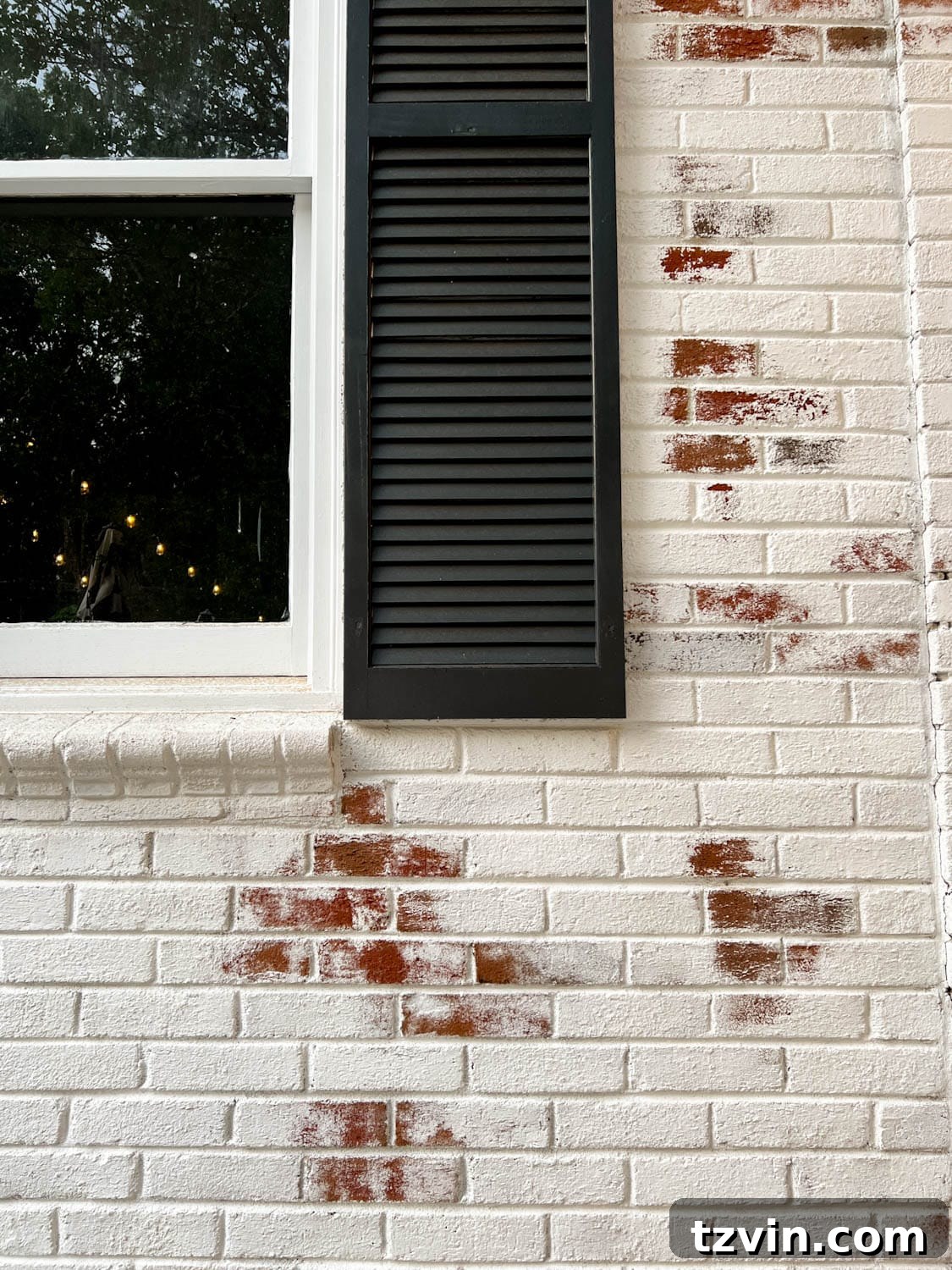
One of the most appealing features of limewash is its customizable aesthetic. You can achieve a variety of looks, from a fully opaque, solid white finish to a partially exposed brick style by simply adjusting the application or gently pressure washing some of it away for an antique, subtly varied effect. The chalk-like finish is exceptionally adept at concealing imperfections, cracks, and uneven tones in older brickwork. Furthermore, the hard, protective layer formed by this lime-based paint significantly contributes to the longevity of your masonry, protecting it from further environmental damage.
Beyond its beauty, limewash boasts impressive practical benefits: it’s naturally mold-resistant, offers high UV and fade resistance, requires no primer, and is remarkably environmentally friendly due to its natural composition. It can often be applied in a single coat, making it a relatively efficient way to dramatically update your home’s exterior.
Essential Limewash Cleaning and Maintenance Supplies
To effectively clean and protect your limewashed brick, gathering the right tools and products is the first crucial step. Romabio offers a tailored range of solutions designed to work harmoniously with their limewash products, ensuring optimal results and lasting beauty.
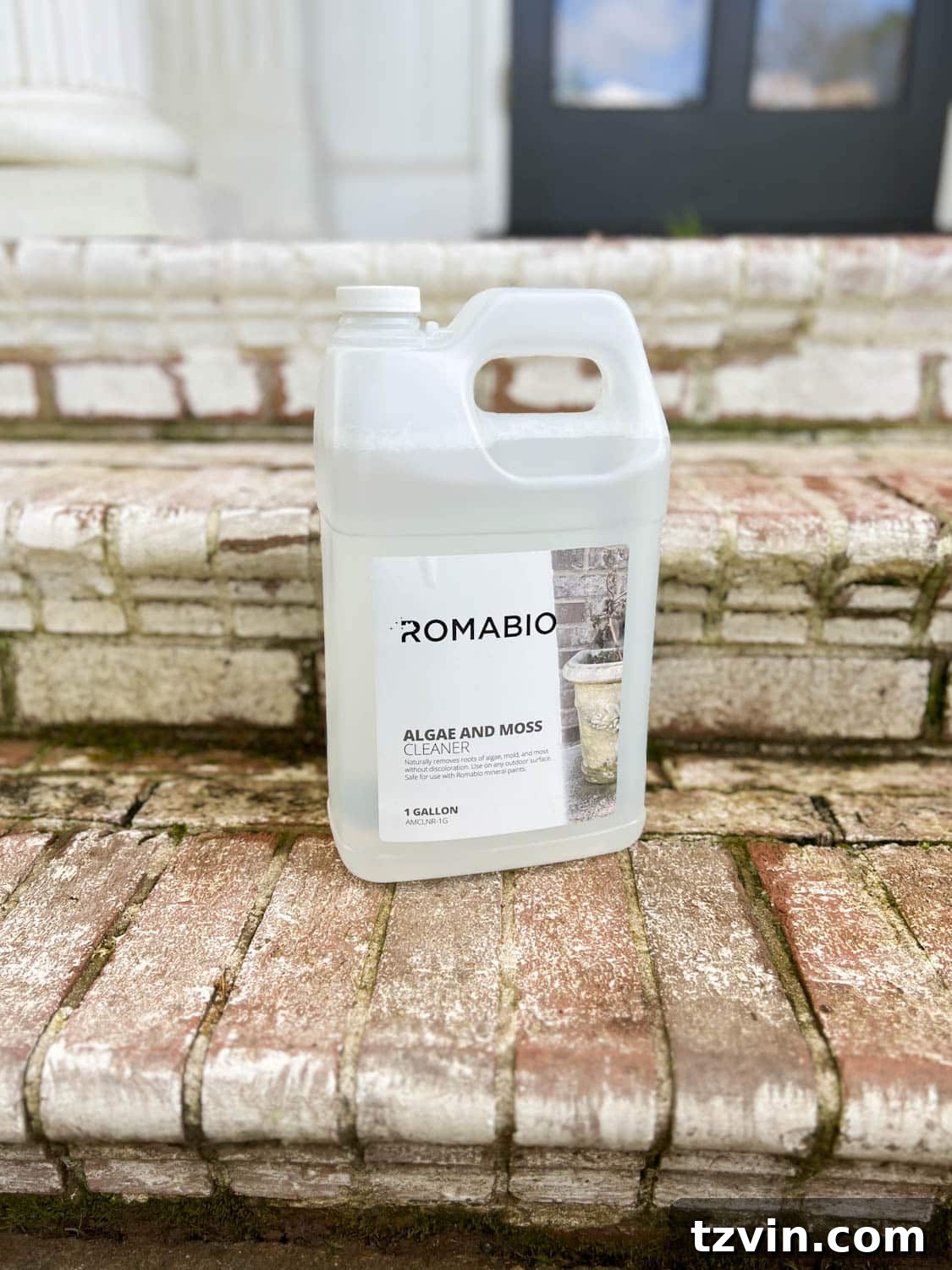
- Romabio Algae & Moss Cleaner: Your primary weapon against organic growth and stubborn dirt.
- Pump Sprayer: For even and efficient application of the cleaner.
- Garden Hose: Essential for rinsing and general cleaning.
- Romabio Classico Limewash: For touch-ups and blending, ensuring a consistent finish.
- Small Masonry Brush: Ideal for precise limewash application during touch-ups.
- Romabio Mineral Shield: The ultimate invisible protective top coat for enhanced durability and stain resistance.
- Soft Bristle Brush (for spot cleaning): Gentle enough for delicate surfaces.
- Mild Soap (for spot cleaning): A gentle cleaner for minor blemishes.
How to Spot Clean Limewashed Brick: Maintaining Minor Blemishes
Authentic limewash is inherently robust. Its natural composition makes it resistant to mold and fading from UV exposure. However, like any exterior surface, it can accumulate dirt, grime, and environmental pollutants over time. For minor blemishes or superficial dirt, spot cleaning is an easy and effective solution. It’s especially effective if your limewash has been properly protected with Romabio Mineral Shield, which wasn’t available when we initially limewashed our home in 2017 but became an essential step after our recent cleaning.
To spot clean, simply use a soft-bristle brush, such as a gentle masonry brush or even a soft household scrub brush, along with a solution of mild soap and water. Gently scrub the affected area, being careful not to apply excessive pressure that could damage the limewash finish. Once the dirt is lifted, rinse the area thoroughly with a garden hose on a low-pressure setting. This method is perfect for addressing small smudges, dust, or light organic growth before they become more widespread.
Step 1 – Deep Cleaning with Romabio Algae & Moss Cleaner
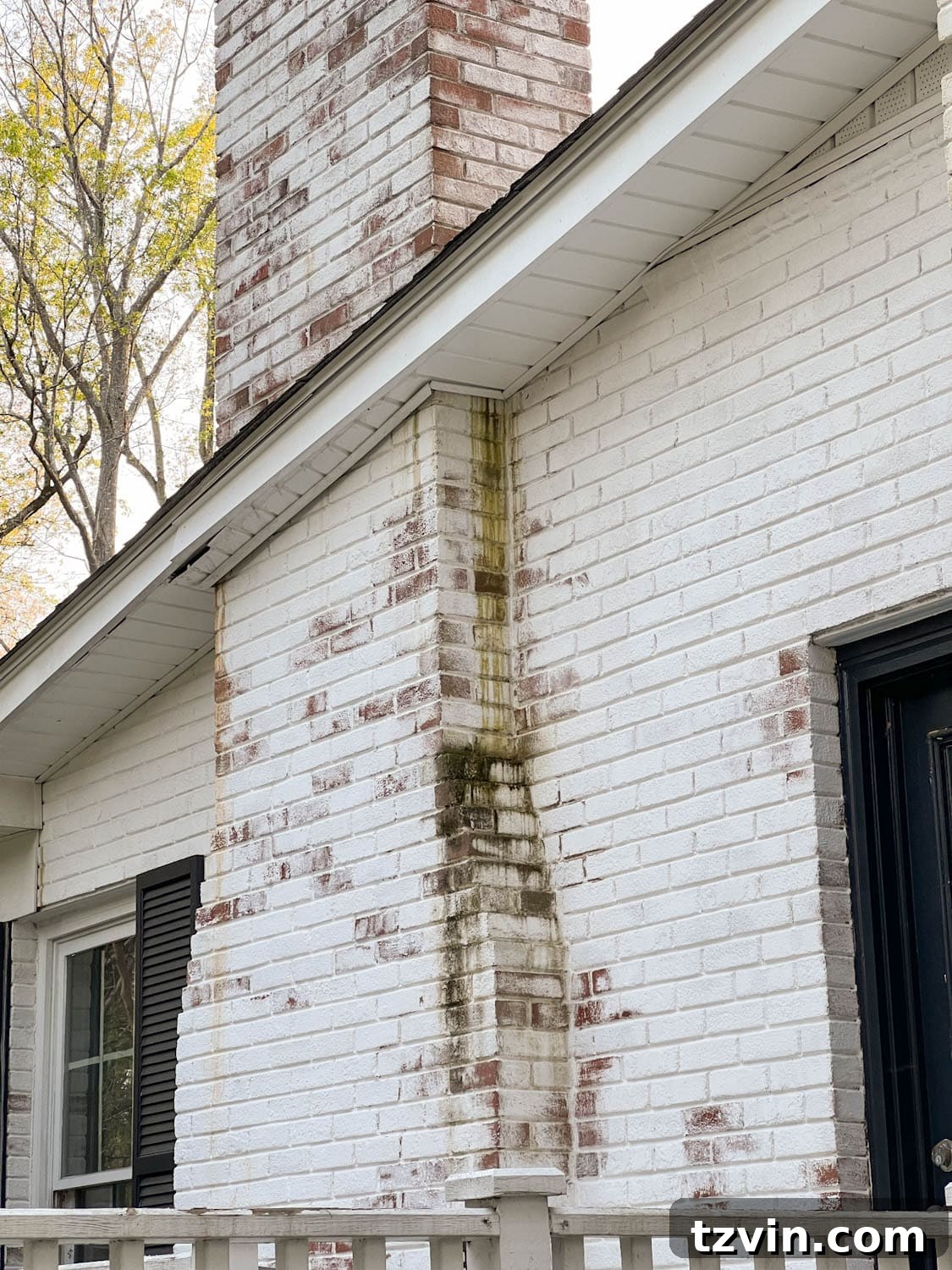
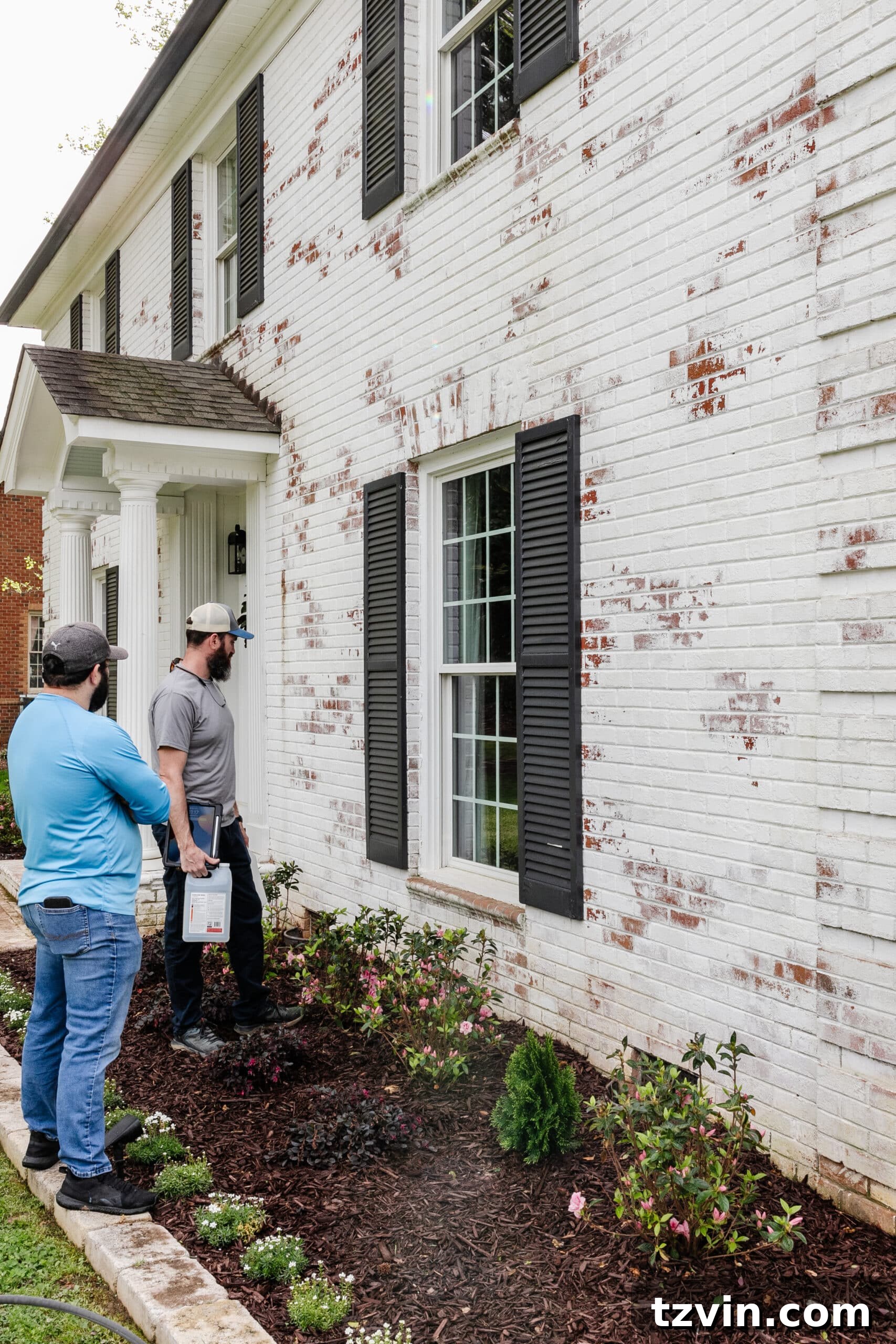
For more extensive cleaning needs, such as stubborn stains or widespread organic growth, a targeted approach is necessary. In our case, foundation repairs left behind significant red clay stains around our front flower beds, persistent moss plagued our front steps, and areas of algae began to form near our eaves and chimney. These situations call for a more potent, yet still eco-friendly, cleaning solution.
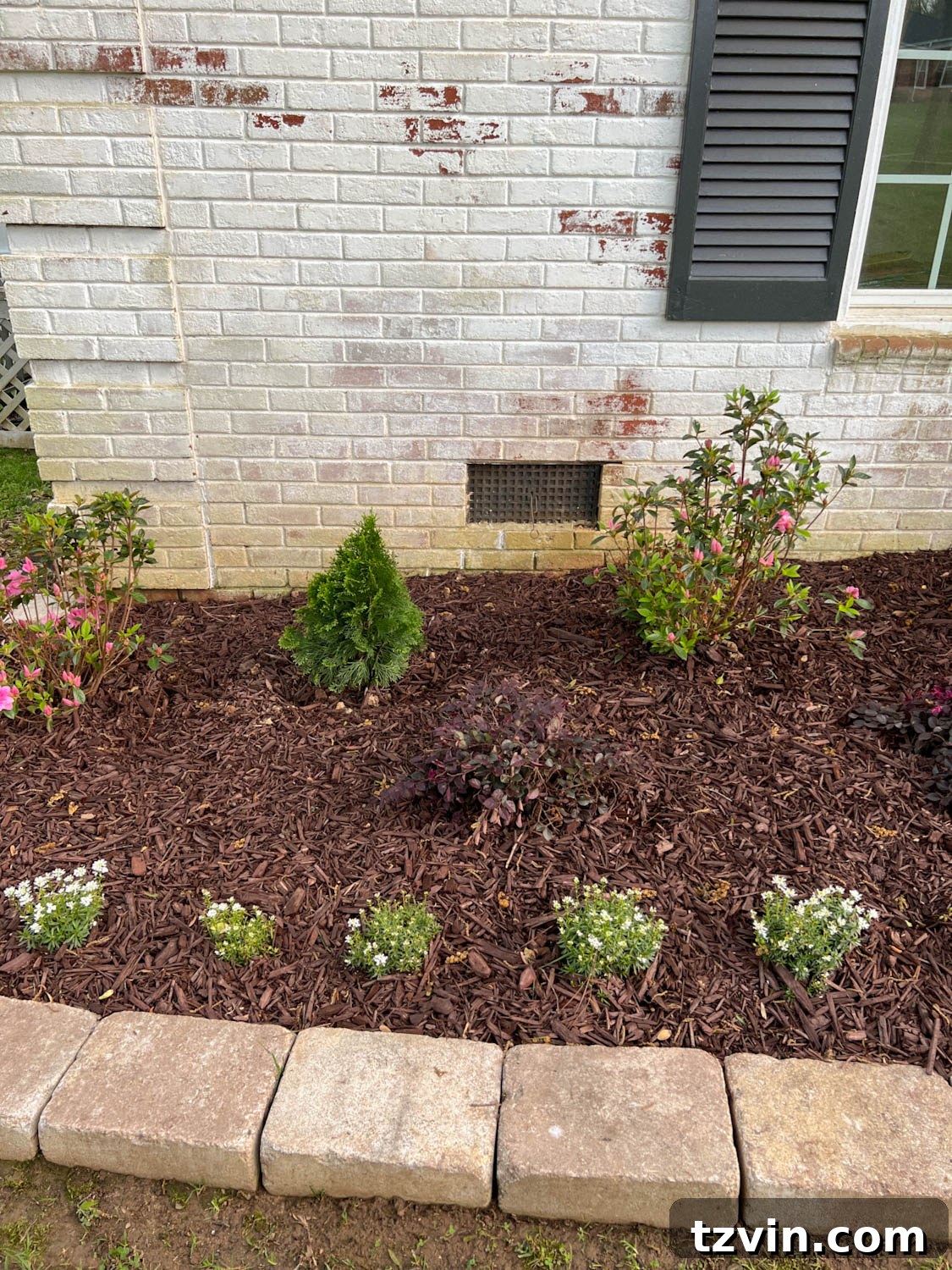
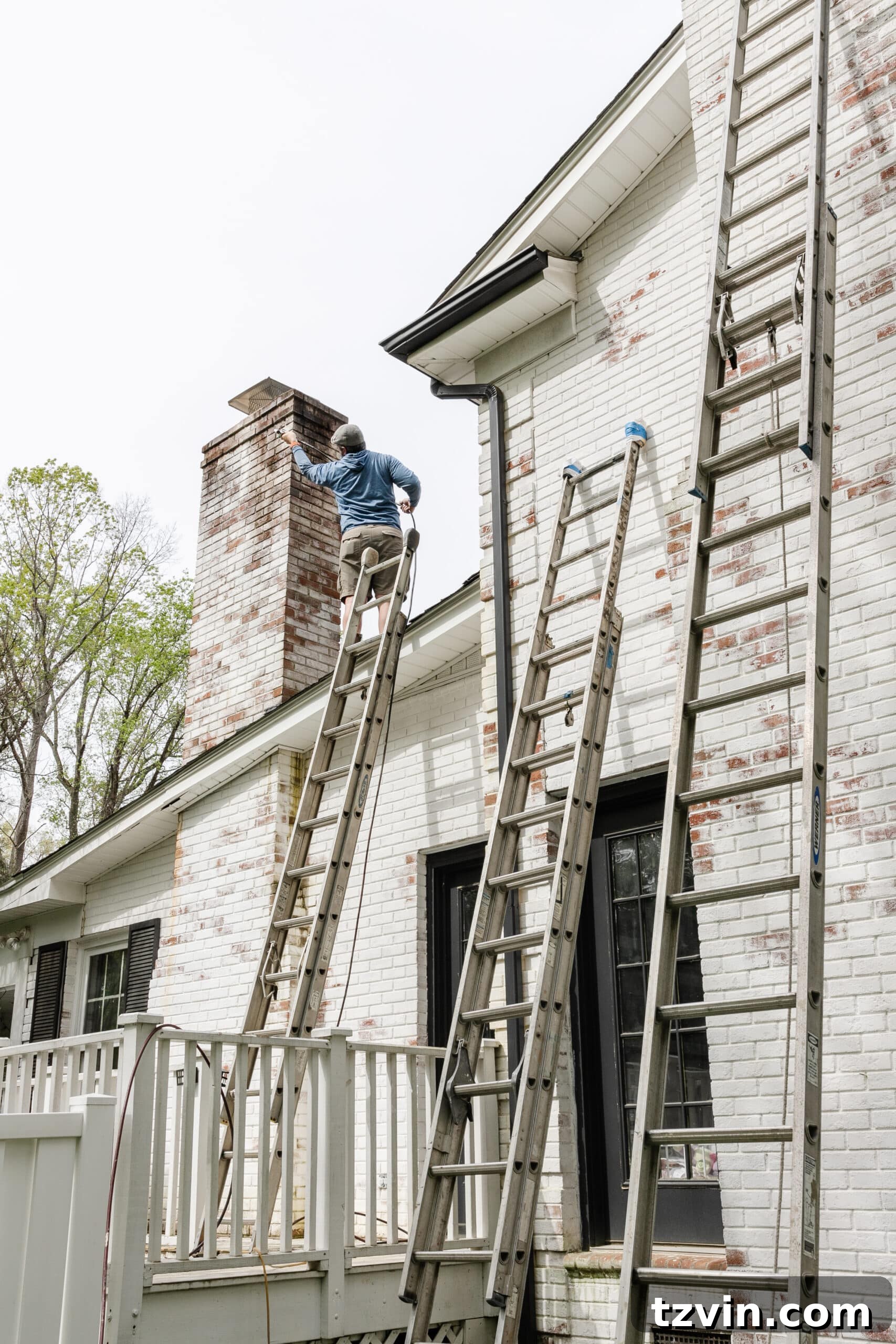
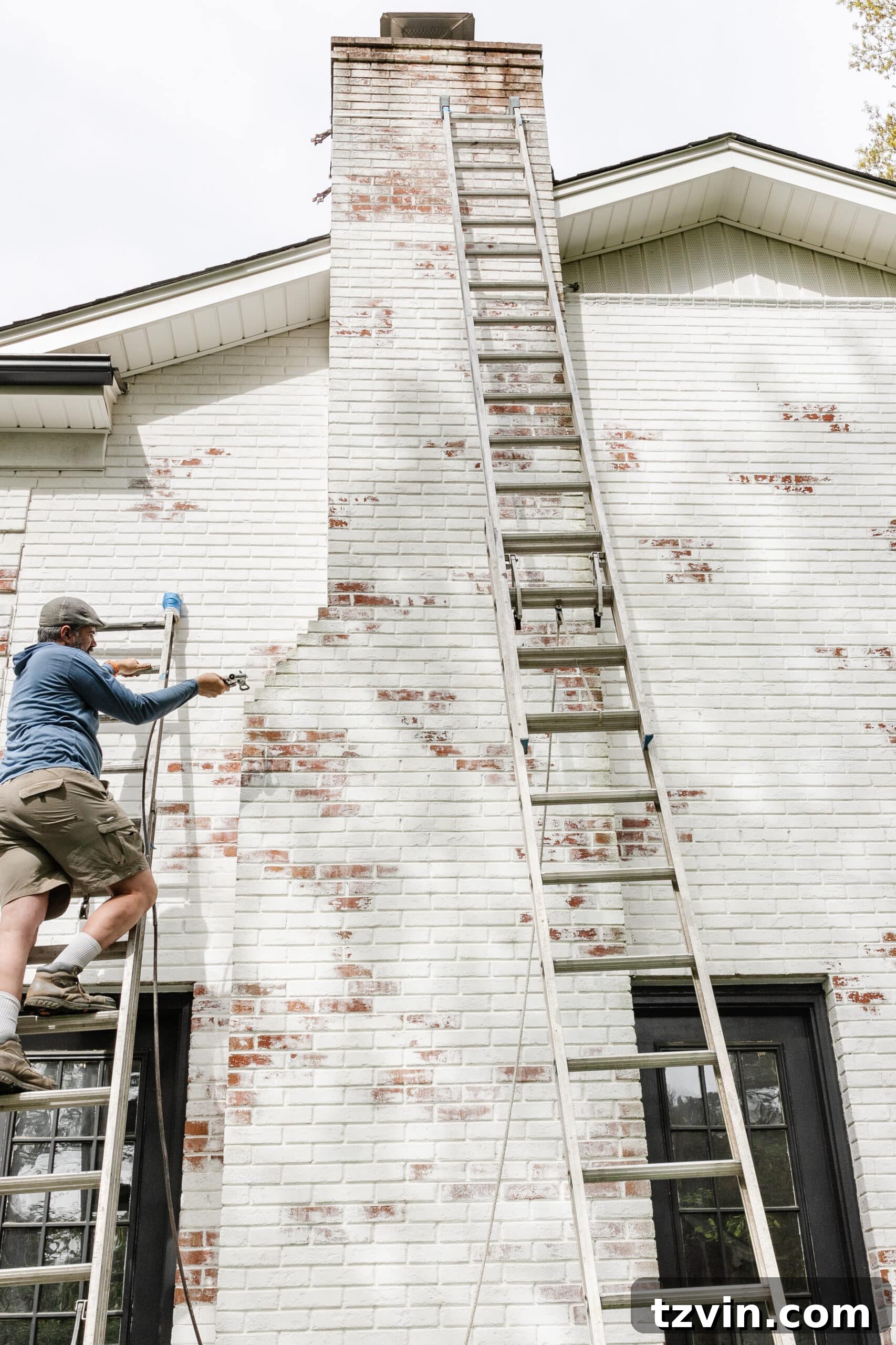
Our trusted local Charlotte contractor, DeHaan Painting, skillfully applied Romabio Algae & Moss Cleaner to all affected areas of our exterior using a pump sprayer. This method ensures an even and thorough application. Once applied, we allowed the cleaner to penetrate and work its magic for a full 48 hours. During this waiting period, a fascinating transformation occurred: the areas treated turned a bright orange color, a clear indication that the powerful, eco-friendly formula was actively lifting away the algae, moss, and deeply embedded dirt. This cleaner is versatile; we even used some to refresh our wooden deck! Its non-toxic, eco-friendly composition means you can use it with complete peace of mind, knowing it won’t cause harm to your children, pets, or surrounding landscaping.
Step 2 – Touching Up and Blending Limewash
After the recommended 48-hour activation period for the Algae & Moss Cleaner, the next step is to rinse the treated surfaces thoroughly. Our contractor used a garden hose to wash away all the lifted grime, revealing a remarkably clean surface underneath. While the cleaner does an excellent job of restoring the limewash, some areas might benefit from a fresh coat, especially if they experienced heavy staining or minor wear and tear during the cleaning process.
To ensure a pristine and uniform finish, we had our team touch up and blend a few specific areas with more Romabio Classico Limewash in Bianco White. Using a small masonry brush allowed for precise application and seamless blending with the existing limewash. The goal here is to create a fresh, consistent base in preparation for the final, crucial protection step. When touching up, apply the limewash sparingly and use a feathered technique to avoid harsh lines, allowing it to integrate naturally with the surrounding areas as it dries.
Related: See how to limewash a fireplace in an afternoon here.
Step 3 – Protecting Your Limewash with Romabio Mineral Shield
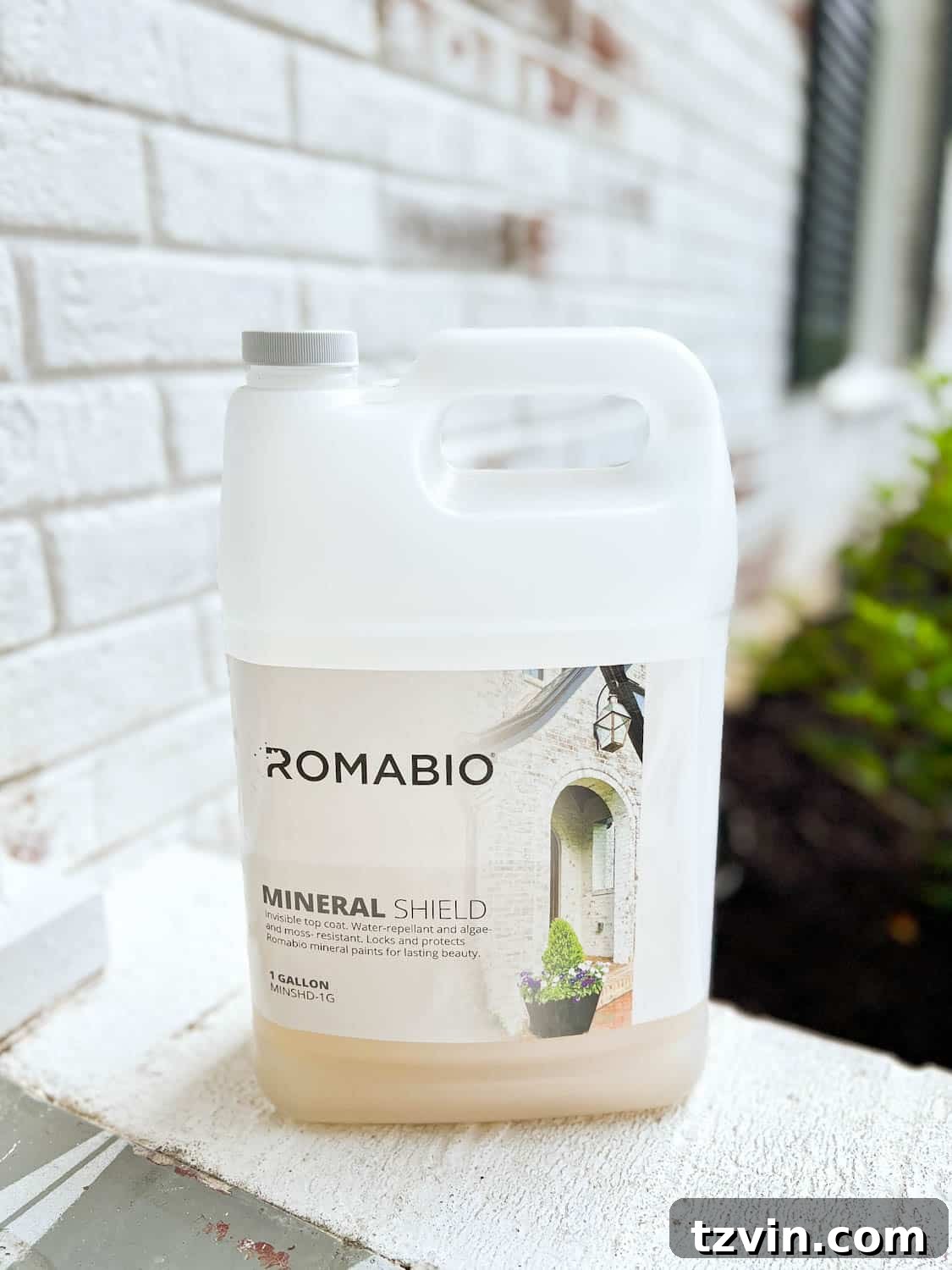
Once your limewashed exterior has been thoroughly cleaned with Romabio Algae & Moss Cleaner and any necessary touch-ups with Romabio Classico Limewash have been completed and allowed to fully cure (typically a week is recommended), it’s time for the ultimate protection: Romabio Mineral Shield. This invisible top coat is a game-changer for the longevity and low-maintenance appeal of your limewashed surfaces.
Romabio Mineral Shield is engineered to repel water, significantly reduce the effects of weathering, and extend the life of your lime paint. By forming an invisible, breathable barrier, it dramatically reduces staining from common culprits like grass, red clay, and general dirt. This protective layer ensures your beautiful limewashed finish stays cleaner, longer, minimizing the frequency of deep cleaning. It’s particularly recommended for areas prone to faster wear, such as exterior stairs, risers, and any horizontal surfaces. You can also apply it to interior limewashed fireplaces or downspouts for added protection.
Application is straightforward: simply apply one coat with a brush or sprayer. Mineral Shield maintains the natural breathability and appearance of the limewash while providing an exceptional shield against the elements. This final step not only preserves the beauty of your investment but also offers invaluable peace of mind, knowing your home is well-protected against future wear and tear.
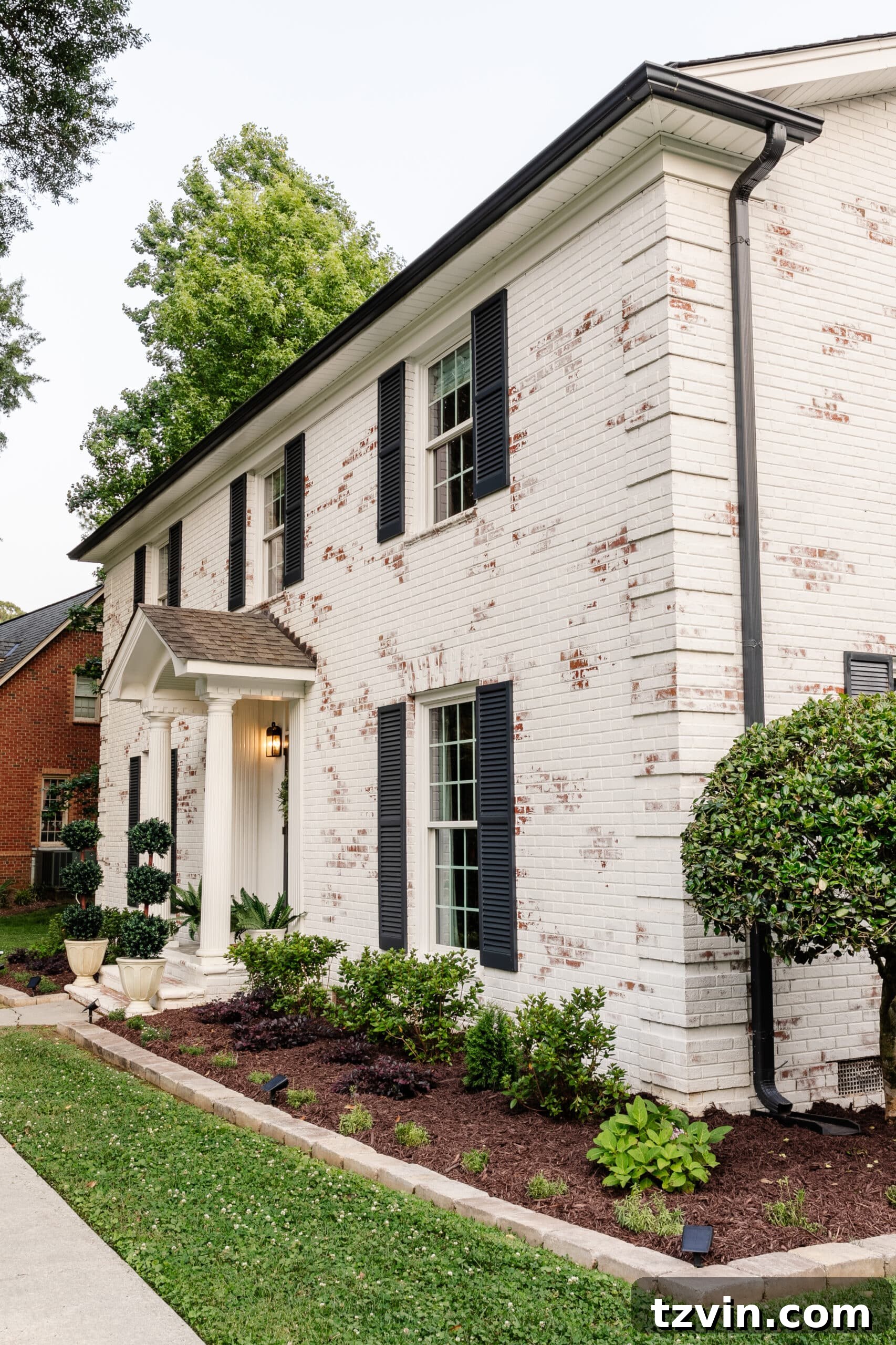
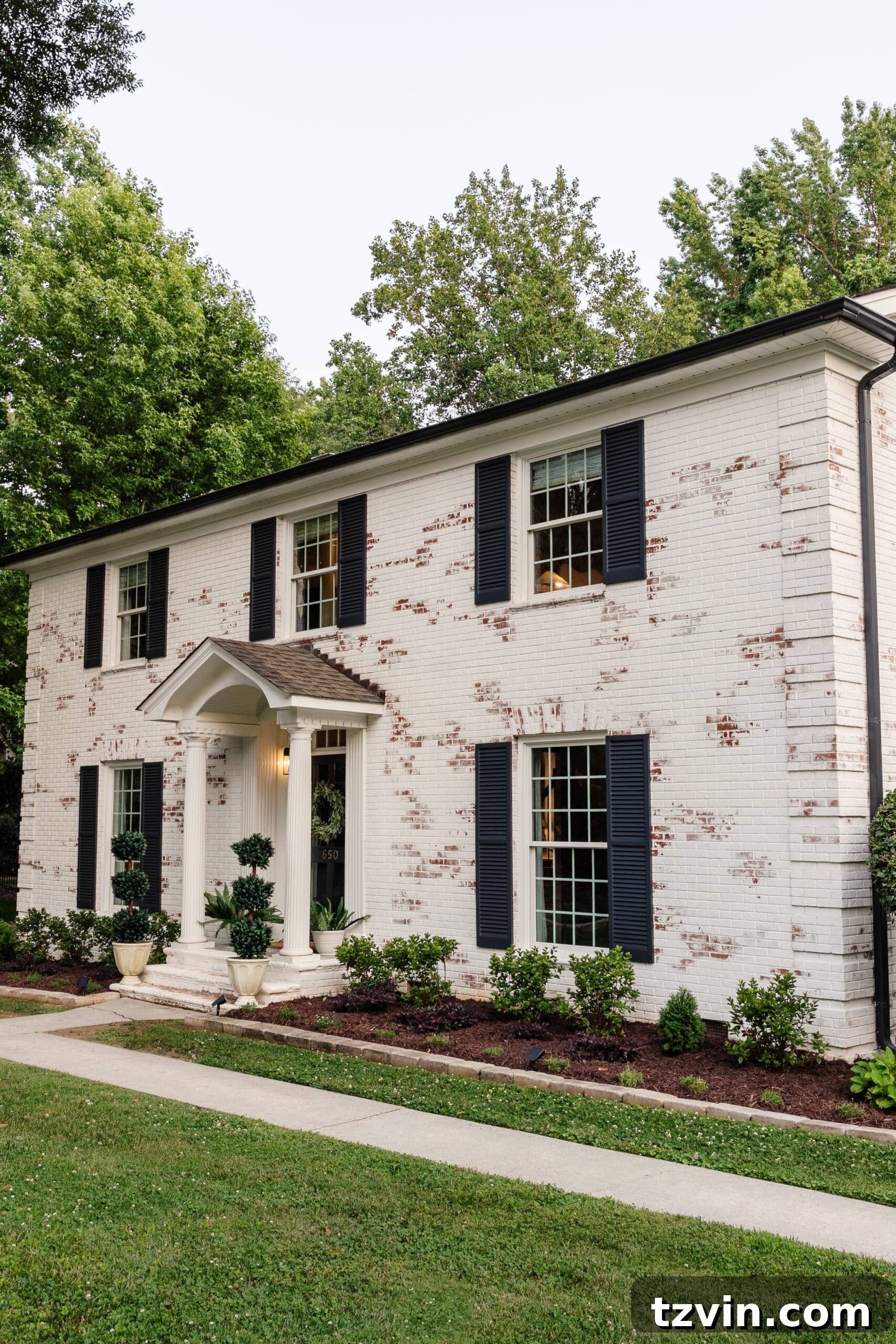
Our Immaculate Limewashed Exterior: Five Years and Counting
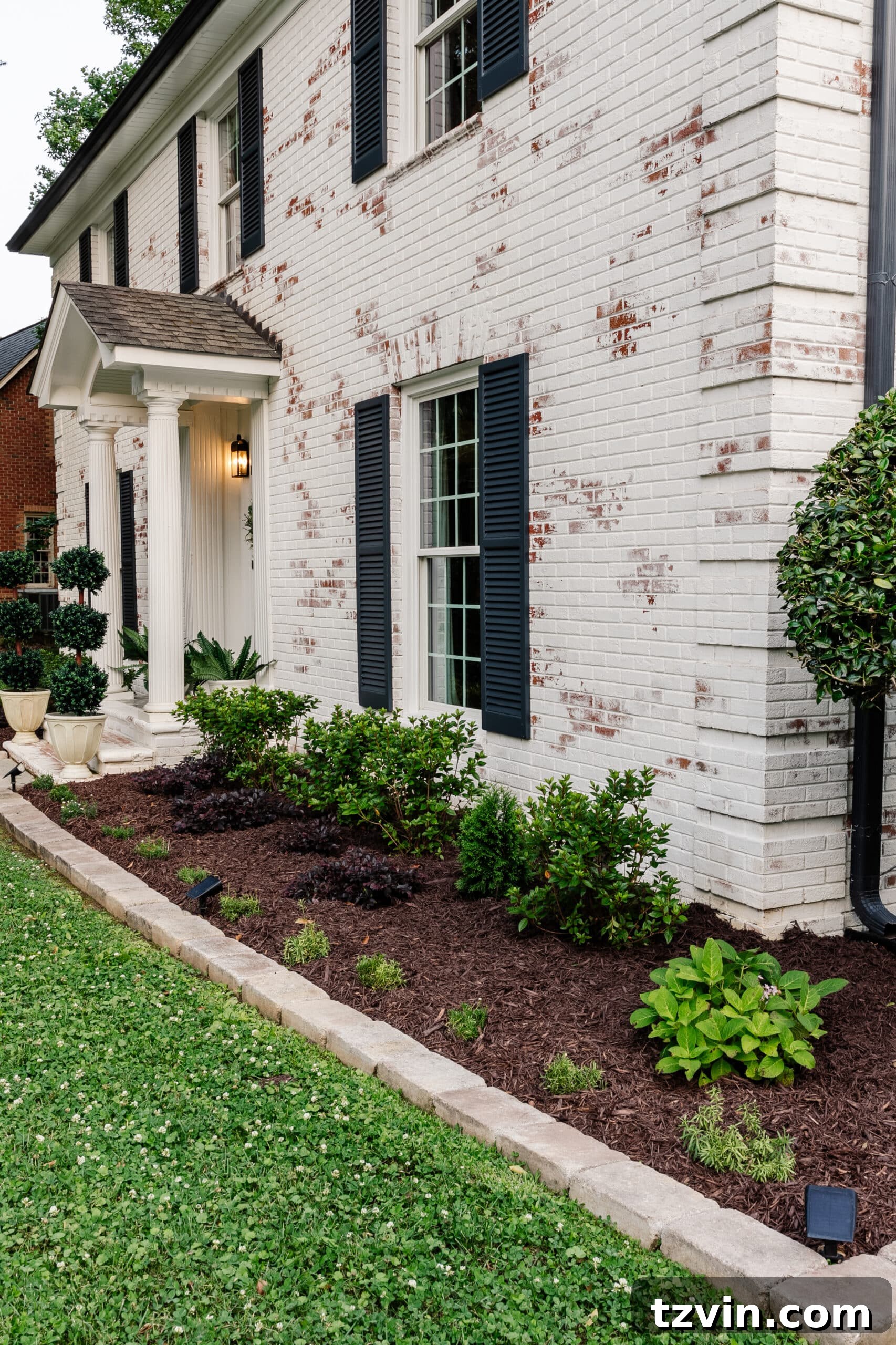
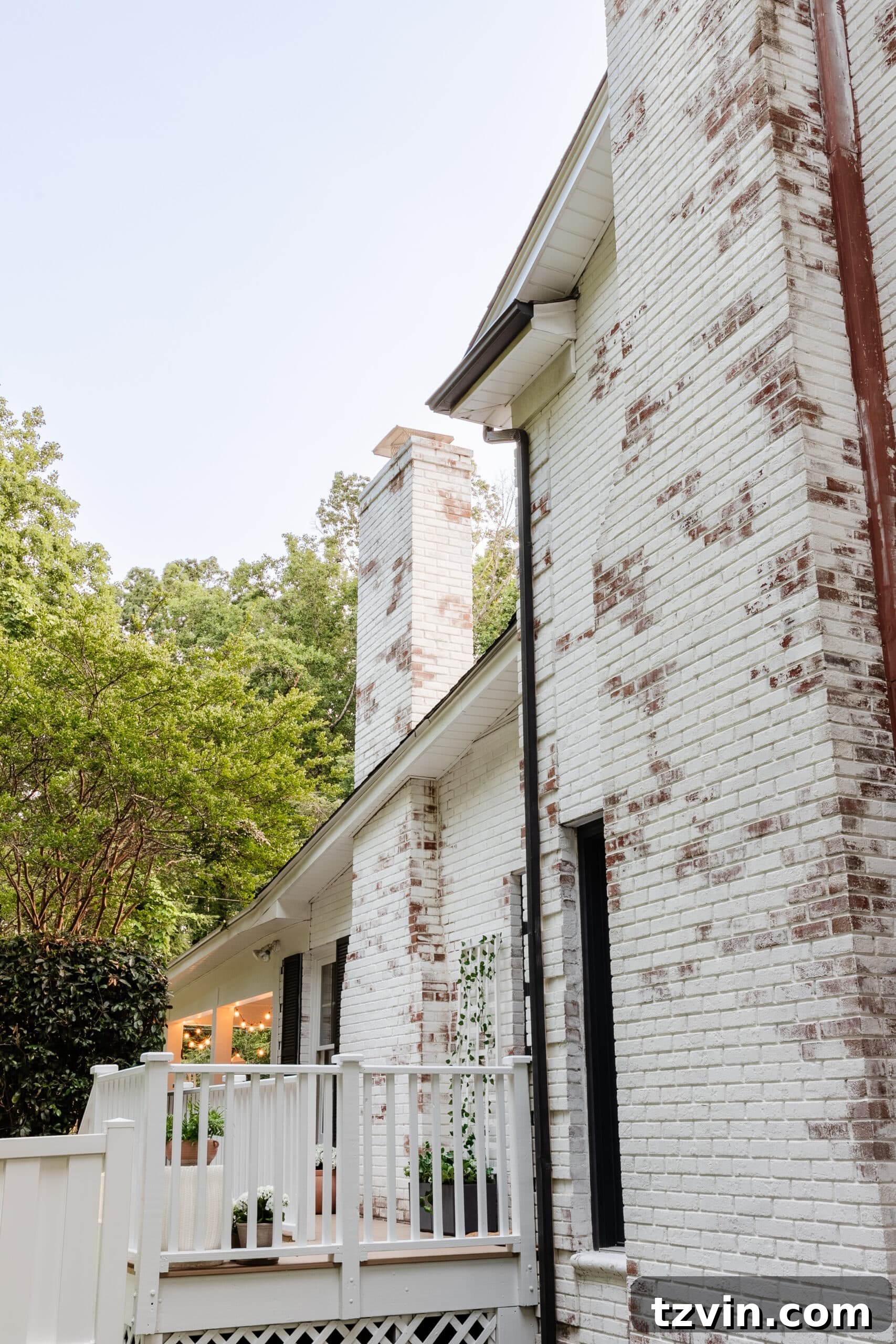
Looking at our freshly cleaned and protected limewashed exterior, I can confidently say that I love our brick even more now than when we first applied it. The recent foundation repair saga had temporarily marred its pristine appearance, but with the comprehensive cleaning and protection process, our home has been fully restored to its former glory. The weathered white patina is vibrant and clean, once again exuding that desirable antique charm that initially drew us to Romabio Limewash.
Knowing that our limewashed brick is now thoroughly protected by Romabio Mineral Shield brings immense peace of mind. This proactive step means we won’t have to tackle such a significant maintenance project again for a very long time, allowing us to simply enjoy the enduring beauty and enhanced curb appeal of our home. It truly feels like a fresh start for our exterior, ensuring its elegance will grace our property for many years down the road.
Related: You can see more about how to limewash brick exteriors or limewash interior fireplaces here.
Frequently Asked Questions About Limewashed Brick
Deciding on an exterior finish is a big commitment, and it’s natural to have questions about limewash. Here are some of the most common inquiries we receive:
How long does limewash last on brick?
A properly applied limewashed brick exterior can boast an impressive lifespan, typically lasting twenty to thirty years or even longer in mild climates. Factors such as the quality of application, exposure to harsh weather conditions, and proper maintenance play a significant role. The application of Romabio Mineral Shield is highly recommended, as it can substantially extend the life of limewashed surfaces, especially in regions that experience severe rain, snow, or extreme temperature fluctuations. This protective coat reinforces the limewash against weathering and wear, ensuring decades of beauty.
Does limewash turn brick pink?
Absolutely not! This is a common misconception, often arising from confusion with traditional whitewashing. Romabio Classico Limewash is designed to be completely opaque, drying to a beautiful, flat, calcified finish that is solid white. When first applied, it may appear milky or translucent, but as it dries and undergoes the calcification process, it transforms into a solid, consistent white. You can confidently use it on any color of natural brick, stone, or porous masonry surface without fear of a pink hue. Whitewashing, which typically uses diluted latex paint, can sometimes react with the tannins in red brick, leading to an undesirable pinkish tint. Limewash’s mineral composition prevents this.
Can I use limewash over painted brick?
Unfortunately, no. Limewash’s unique calcification process requires direct contact with a porous, unpainted natural surface like brick or stone to properly bond and breathe. It is not formulated to adhere to existing paint layers. If your brick is already painted and you desire a similar solid, opaque finish, Romabio offers an excellent alternative: Romabio Masonry Paint. This specialized paint is designed for painted brick and other masonry surfaces, providing a durable, long-lasting finish that can withstand the elements for up to 20 years.
Can I hire a painter to apply limewash?
While some skilled painters might be able to apply limewash, it generally requires more specialized training and artistic sensibility than conventional house painting. The technique involves understanding how the product reacts with the masonry and how to achieve the desired subtle movement and antique patina. For large exterior projects or intricate applications, hiring a professional experienced in limewash is highly recommended. We entrusted our project to Hans from Reflections of Italy, an artisan extensively trained in Italy, who delivered phenomenal results. To eliminate the guesswork and ensure a perfect finish, you can consult the Romabio Preferred Pros directory to find certified contractors in your area who are experts in Romabio products and application techniques.
Is limewash removable after application?
One of the unique benefits of Romabio Classico Limewash is that it is removable for a period after its initial application. If you decide the look isn’t quite right, you can remove it with a pressure washer within the first 5-7 days while it’s still curing. This gives you a fantastic grace period to ensure you love the final aesthetic. Once it has fully calcified and cured into the masonry, it becomes a permanent part of the brick surface.
What colors does Romabio Limewash come in?
While Bianco White is a classic and incredibly popular choice, Romabio Classico Limewash is available in a curated collection of beautiful, natural mineral colors. These shades are inspired by traditional European architecture and are designed to complement various home styles, ensuring you can achieve the perfect timeless look for your exterior. Always check the official Romabio website or your local retailer for the current range of available colors.

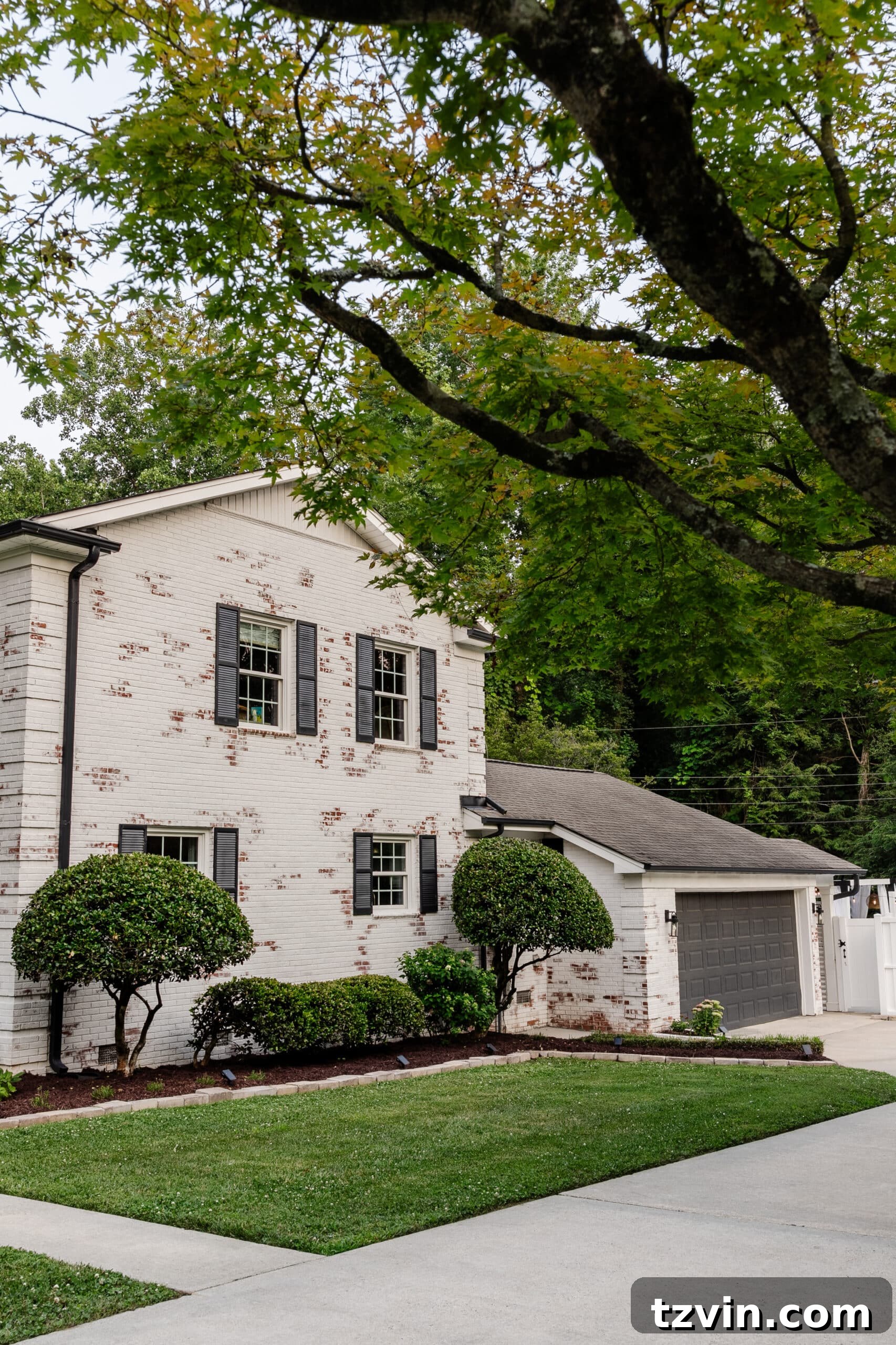

Got any other questions about limewash, its application, or maintenance? Let me know in the comments below. All these years later, our love for our limewashed home continues to grow stronger, and we’re confident you’ll feel the same about yours.
More Brick Limewash Project Advice
- DIY Lime Washed Brick Fireplace: A Weekend Project
- FAQs About Our Limewashed Brick: Insights from Country Living Magazine
- Limewash Exterior Brick Before and After: A Stunning Transformation