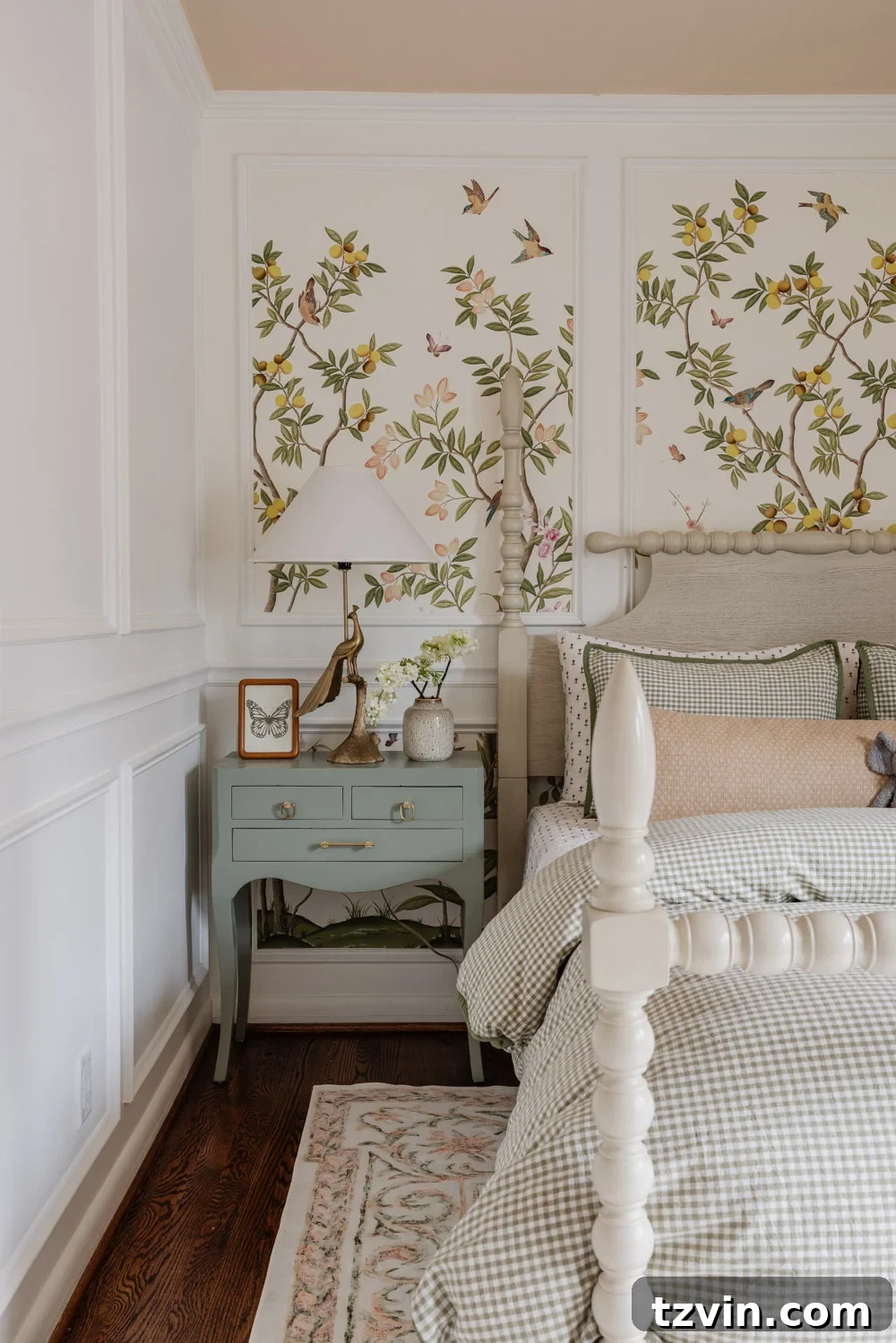
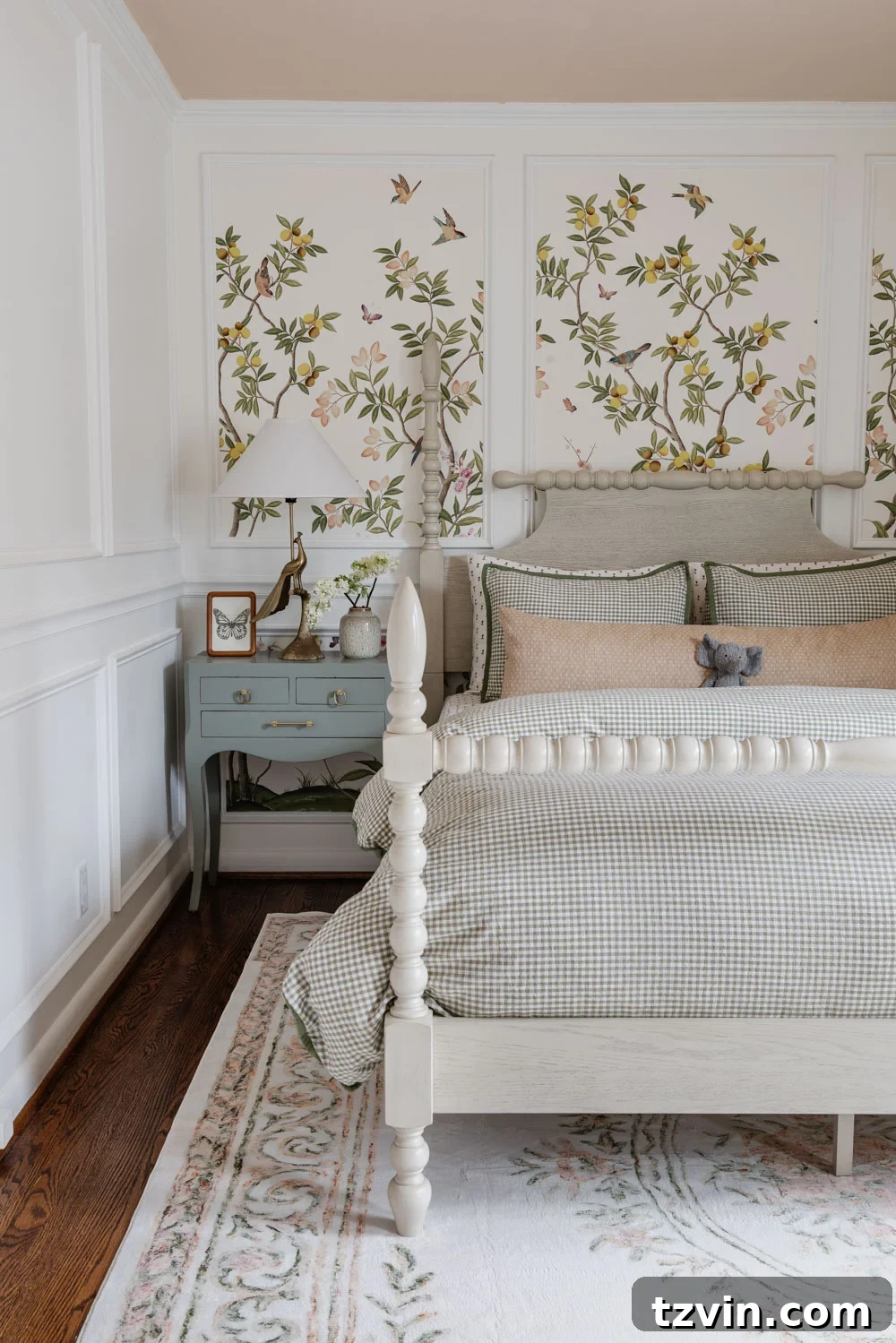
For a long time I assumed mixing patterns was an innate gift some people had. You know the ones: they pair floral wallpaper with striped curtains and a plaid pillow, and the result looks composed and intentional instead of chaotic.
I used to clutch a single plaid throw pillow and worry that adding one more print would ruin everything. But pattern mixing isn’t magic or luck — it’s a set of practical guidelines. Once you understand the basics, combining prints becomes straightforward and even fun.
After trying floral wallpaper, geometric bedding, striped accents, and patterned pillows in my daughters’ rooms and other spaces, I noticed the most successful rooms share a few reliable traits. Below are the rules I follow when mixing patterns to create layered, balanced rooms.
1. Start with One Pattern You Absolutely Love
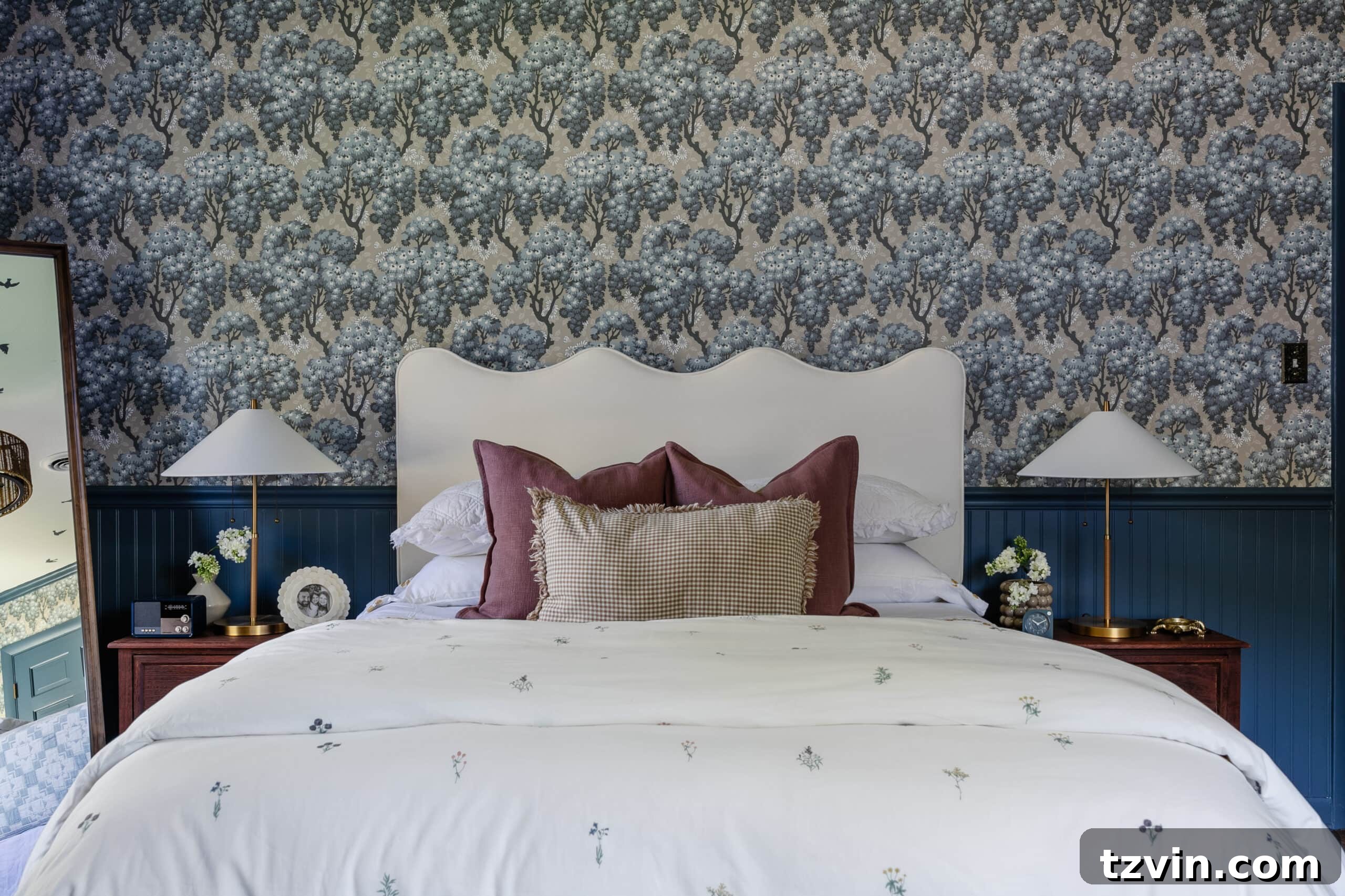
The biggest misstep is trying to pick several prints at once. That quickly becomes overwhelming. Instead, choose one “hero” pattern that you truly love — a floral wallpaper, a plaid rug, a striped chair or a patterned duvet. Let that pattern guide the room’s palette and mood. When you have a clear starting point, choosing complementary patterns becomes much easier.
Related: Our Cottagecore Style Girl’s Room Makeover
Shop: Regan’s Room
2. Mix Different Pattern Sizes
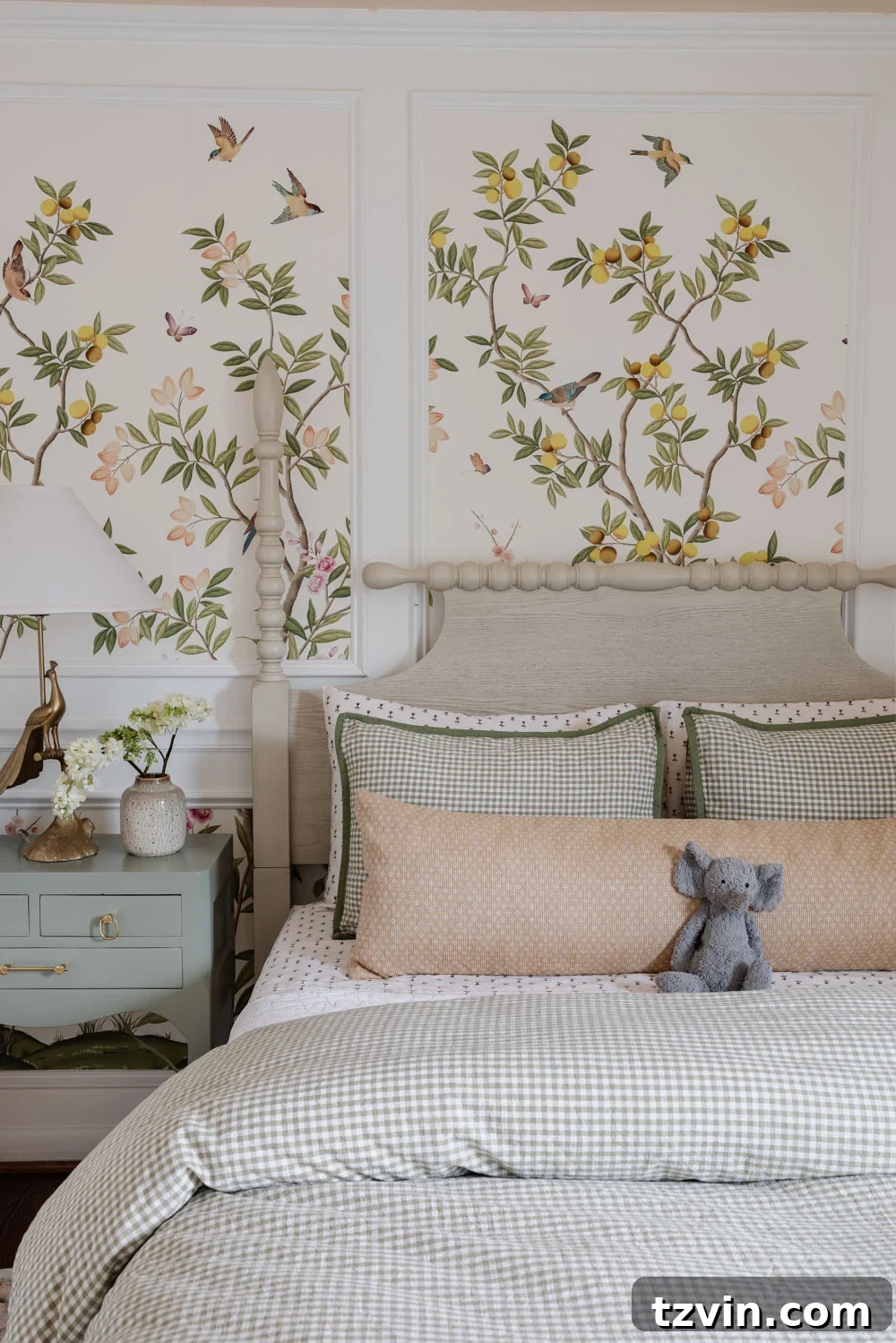
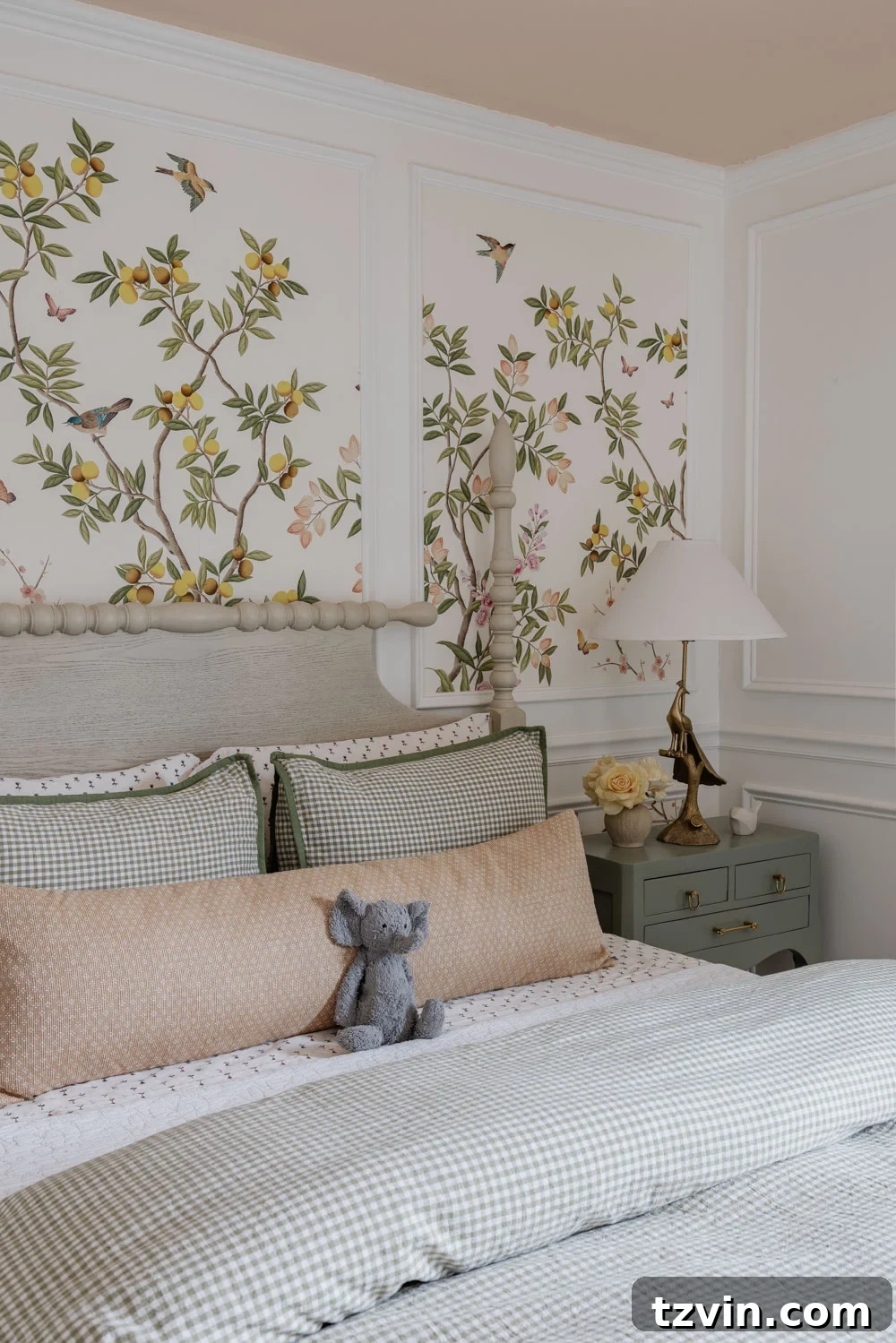
This is the most important rule. If every print shares the same scale, they compete visually. Think of patterns like voices: if everyone speaks at the same volume, you don’t know where to focus. Aim for one large-scale pattern, one medium-scale pattern, and one small-scale pattern. For example, pair oversized floral wallpaper with a medium striped duvet and a small ditsy-print pillow. That variety creates breathing room and clarity.
3. Repeat Colors Throughout the Room
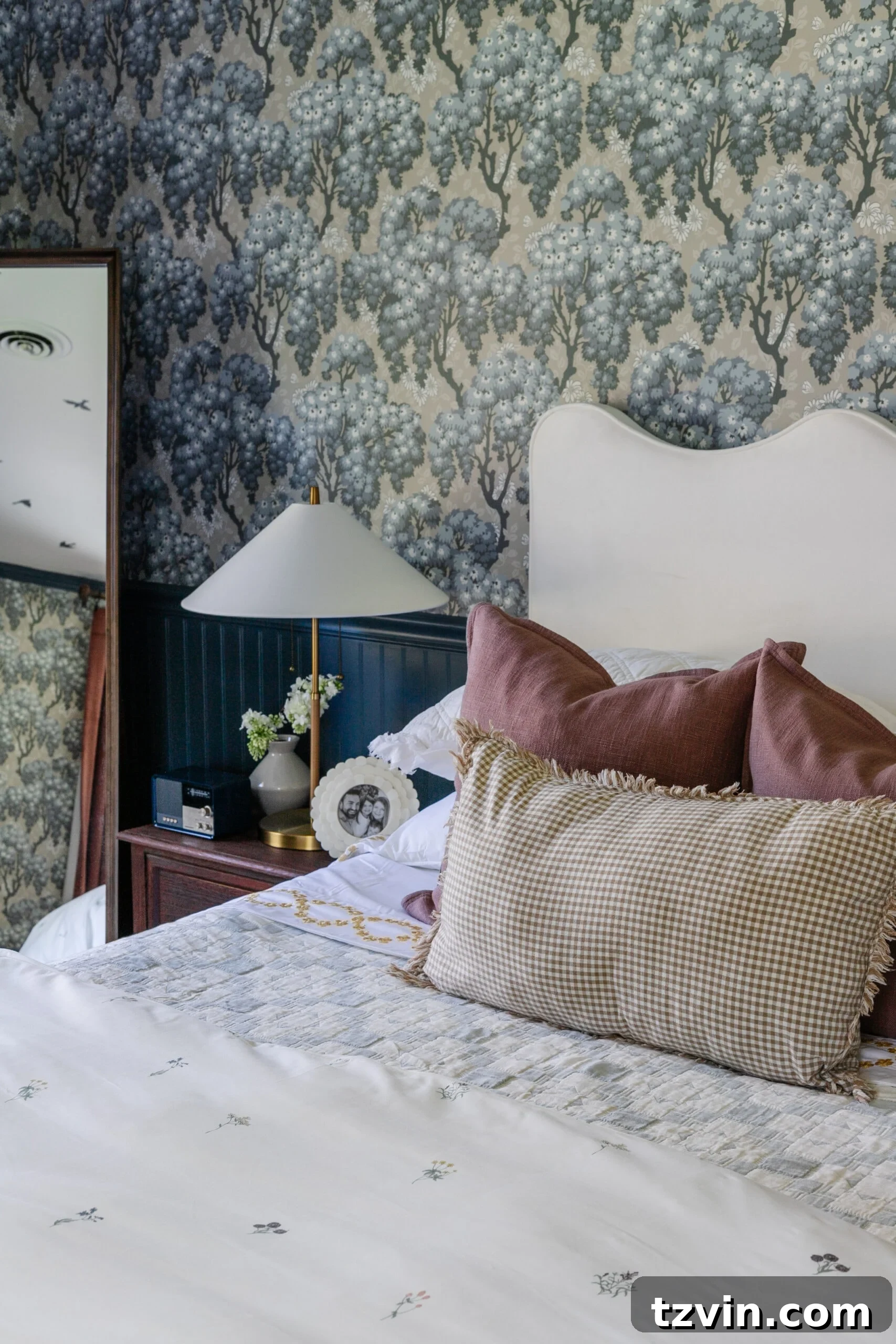
Different patterns work well together when they share a cohesive color palette. This is the secret ingredient. If your wallpaper features blues, greens, and ivory, select bedding, pillows, rugs, and curtains that echo those hues. Even if the prints differ, repeating color ties everything together and makes the mix feel intentional.
It’s like introducing friends from different circles who discover a shared interest — suddenly they belong in the same room.
Shop: Olivia’s Room
4. Mix Structured Patterns with Organic Ones
Balance comes from mixing structure and fluidity. Structured patterns include stripes, plaids, checks, and geometrics. Organic patterns include florals, botanicals, watercolor-like abstracts, and nature-inspired motifs. A room filled only with geometrics can feel rigid; one filled only with florals can be overly sweet. Combining both keeps the space grounded and interesting.
Related: Blue Teen Girl’s Bedroom Makeover Tour
5. Don’t Forget About Solids
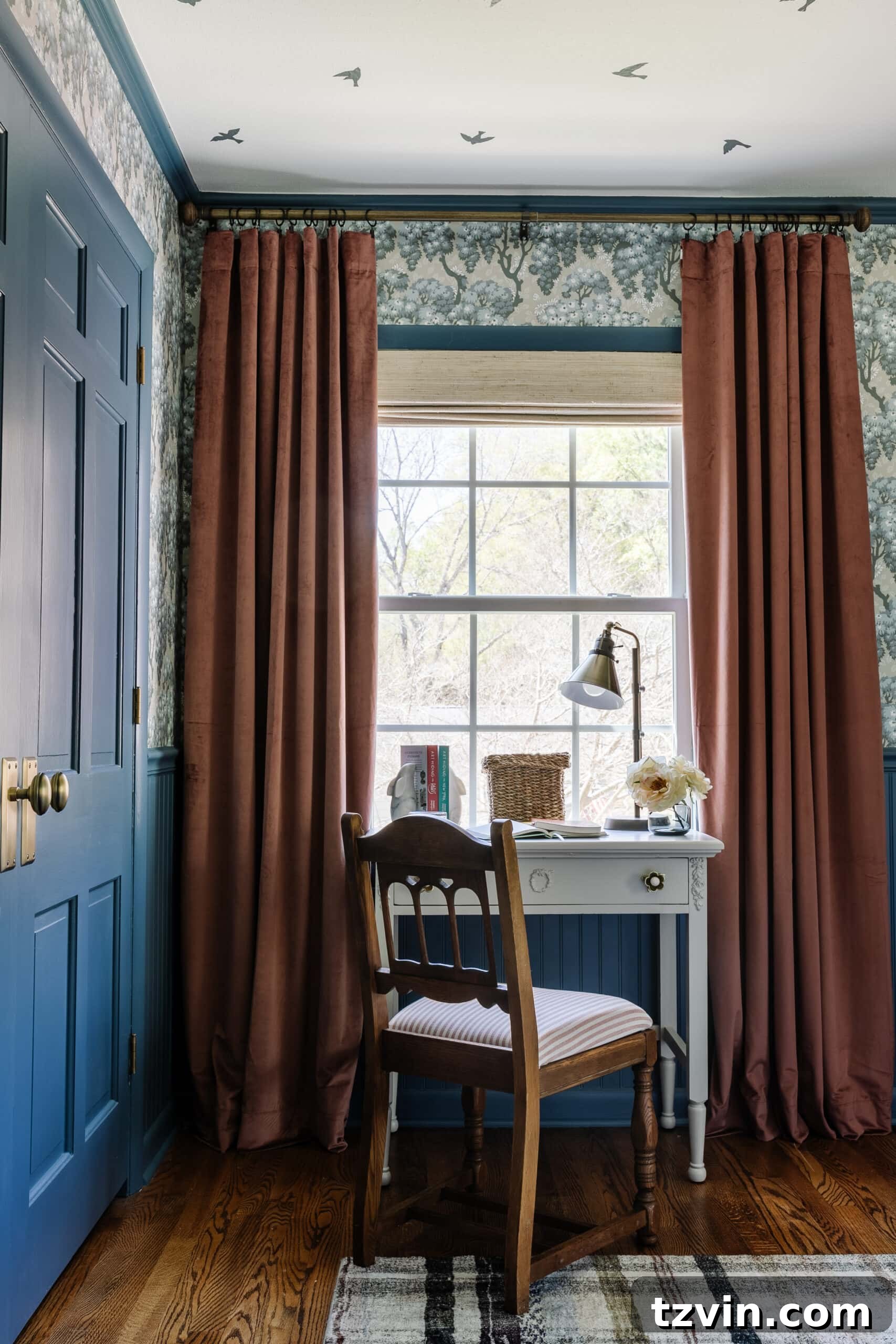
Ironically, one of the most important elements when mixing patterns is a non-pattern: solids. Solid fabrics and finishes give the eye a place to rest. If every surface is printed, the room becomes visually tiring. Use solid bedding, painted furniture, neutral curtains, and a simple rug to create pauses between prints. Solids act like punctuation, preventing the space from feeling like one long run-on sentence.
6. Let One Pattern Be the Star
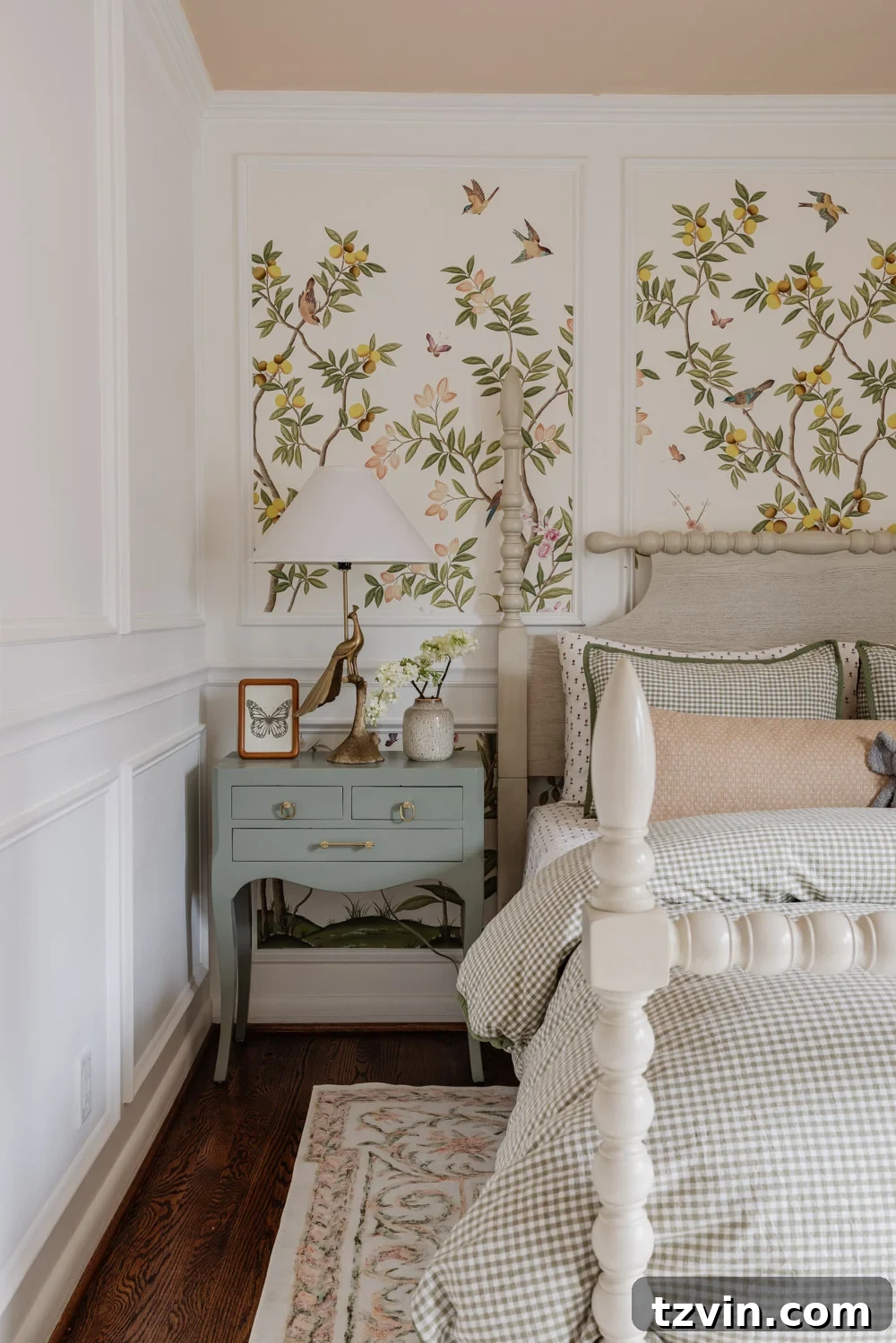
Every room benefits from a leader. If every print vies for attention, the result is confusing. Typically the largest pattern becomes the focal point — often wallpaper in my daughters’ rooms. Let that dominant print be the star and choose supporting patterns for bedding, pillows, artwork, and accessories. Ask yourself which pattern you want people to notice first, and let the others play supporting roles.
7. Trust the Process
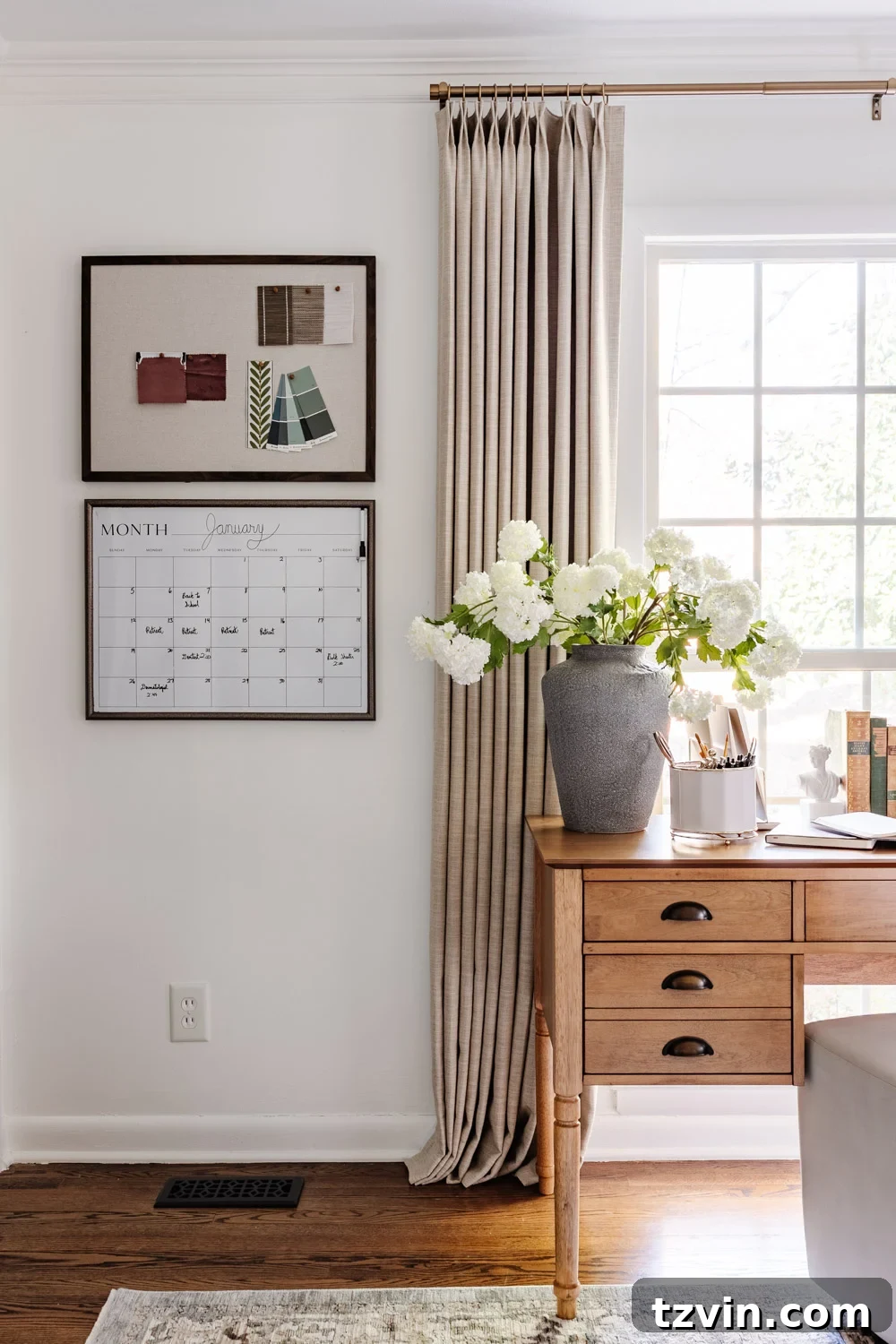
Pattern mixing often looks awkward halfway through. You add wallpaper, then a rug, then bedding and pillows, and it can feel wrong for a while. That’s normal. The room usually comes together in the final layers — artwork, lighting, accessories, and solid elements tie everything into a cohesive whole. Be patient; some of my favorite rooms looked the strangest right before they finished coming together.
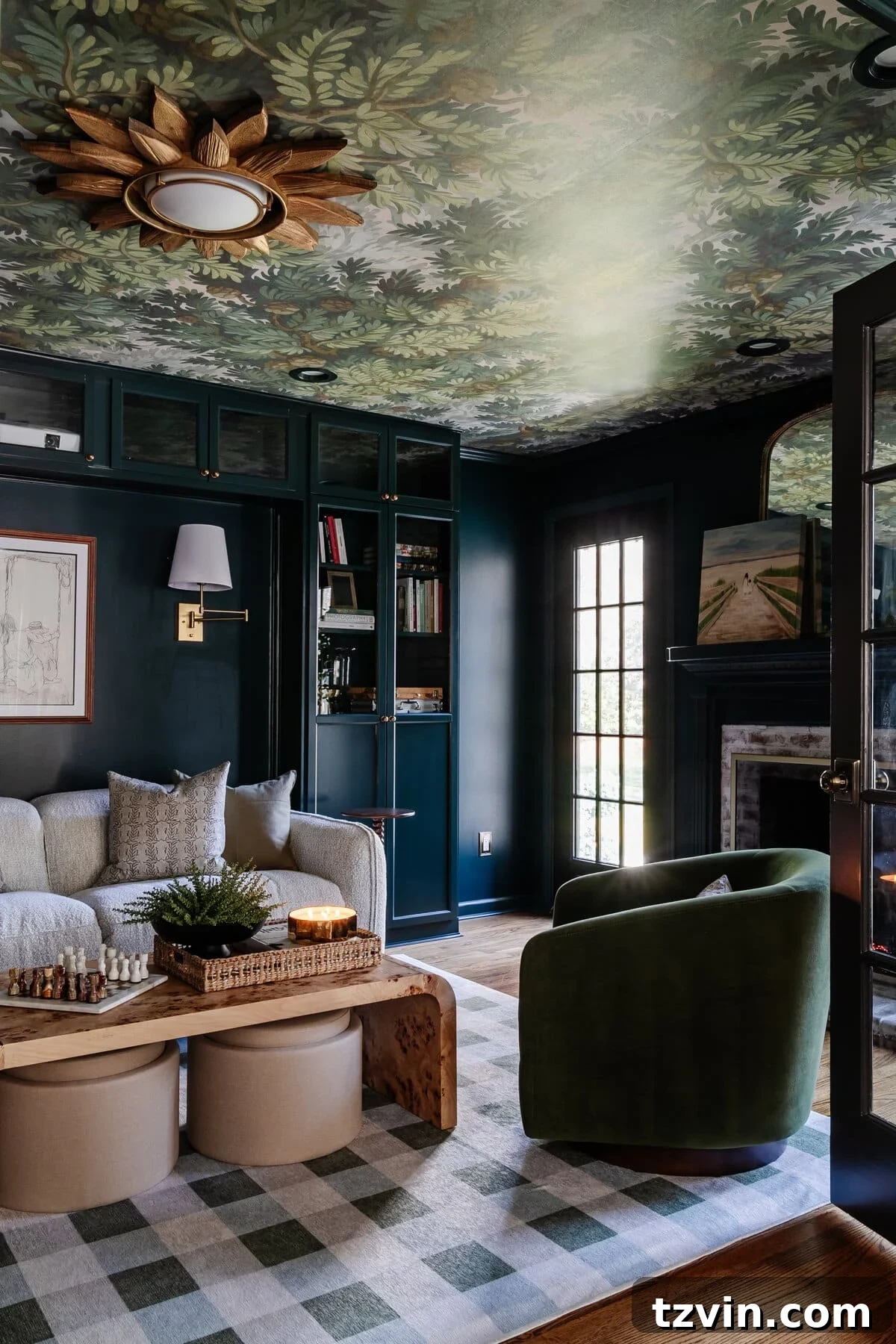
Shop Our Media Room
Source: Media Room Makeover Reveal
Pattern Mixing Is a Formula, Not a Talent
Over the years I’ve realized that many decorating “instincts” are actually repeatable principles. Pattern mixing is one of them. Focus on varying scale, repeating colors, balancing structured and organic prints, and allowing solids to provide breathing room. With those guidelines, mixing patterns becomes manageable and even predictable. Rooms that once felt impossible to recreate suddenly seem entirely achievable.
Decorating isn’t about innate talent — it’s about learning the formulas that make a room work.
Want More Decorating Tricks the Pros Use?
- How to Layer Rugs + Rug Pairings That Always Work Together
- What to Put on a Coffee Table: My Go-To Decorating Toolkit
- 23 Clever Ways to Make a Small Room Seem Bigger