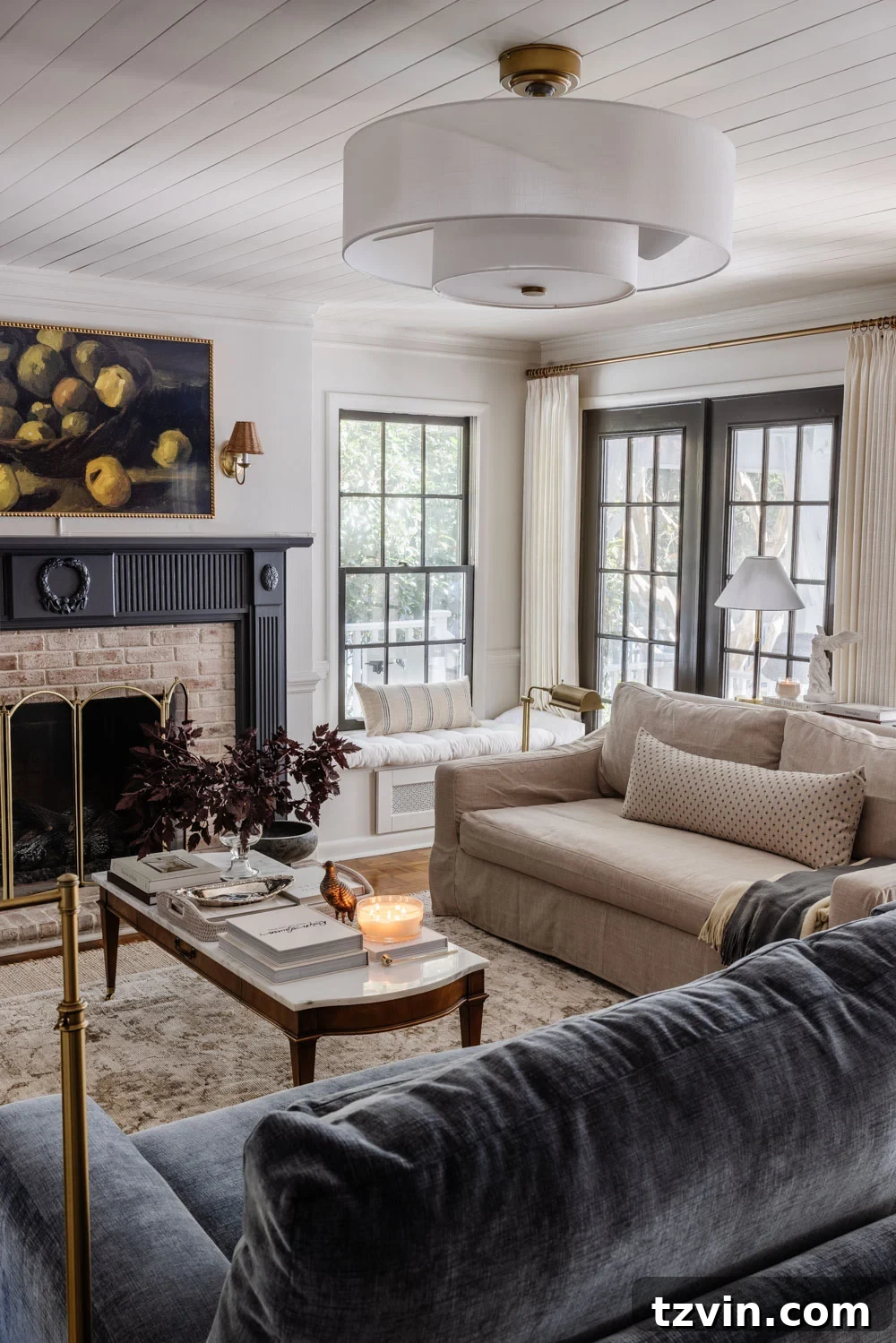
One of the questions I’m asked most often is: “Wait… your ceilings are only 8 feet?”
That question comes up even more now that our living room fandelier went viral.
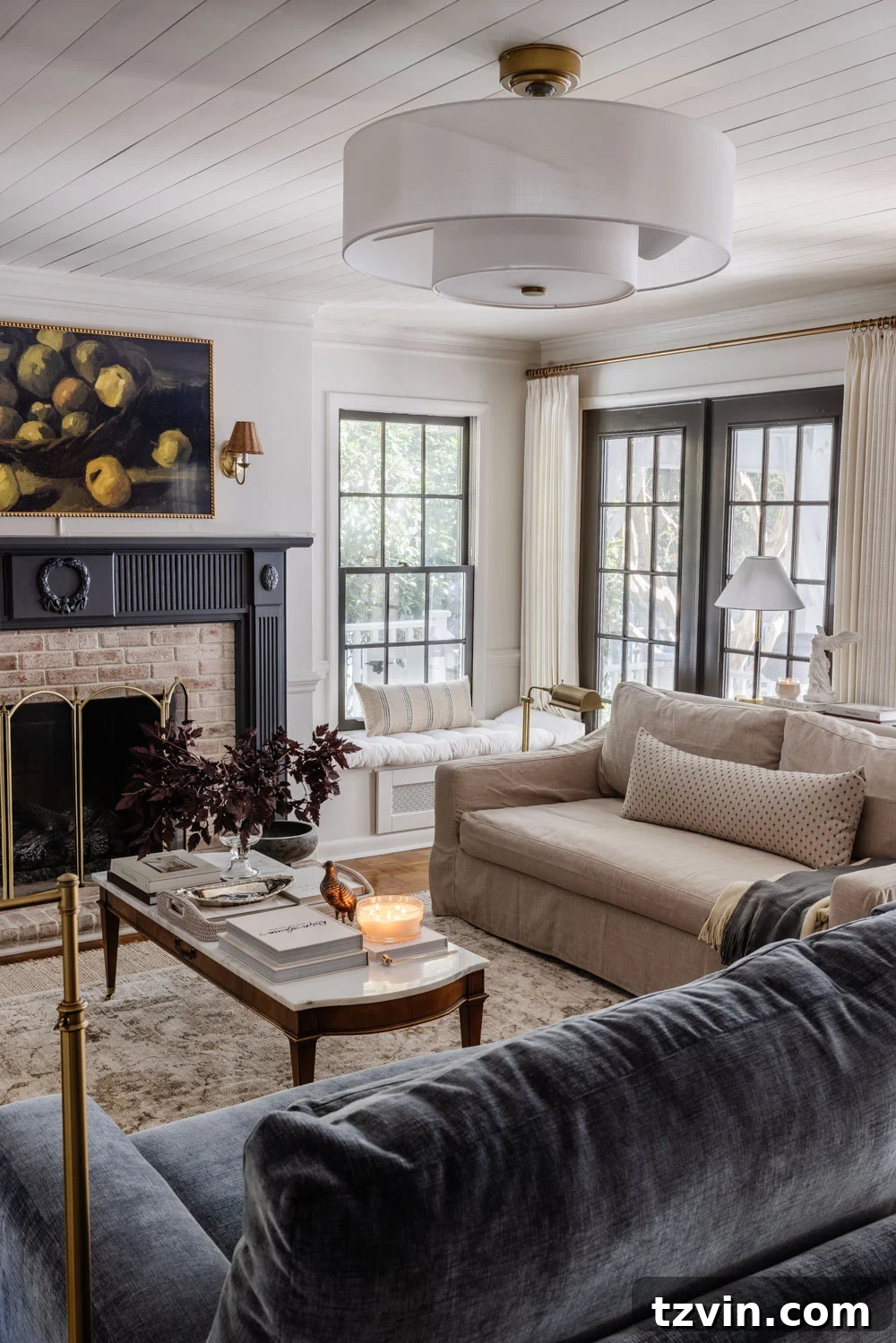
The number one comment I see is, “Would that work with my 8-foot ceilings?”
Surprisingly, the answer is yes. Our home was built in the 1960s and every ceiling is the standard 8 feet. Yet through a handful of deliberate design choices, many rooms look and feel much taller.
You don’t have to raise the roof or change the structure to create vertical drama. With intentional paint choices, millwork, furnishing, and styling, you can significantly change how a room reads visually.
Below are the exact techniques we used throughout our home to make 8-foot ceilings feel higher. These strategies are practical, often budget-friendly, and easy to adapt to different styles.
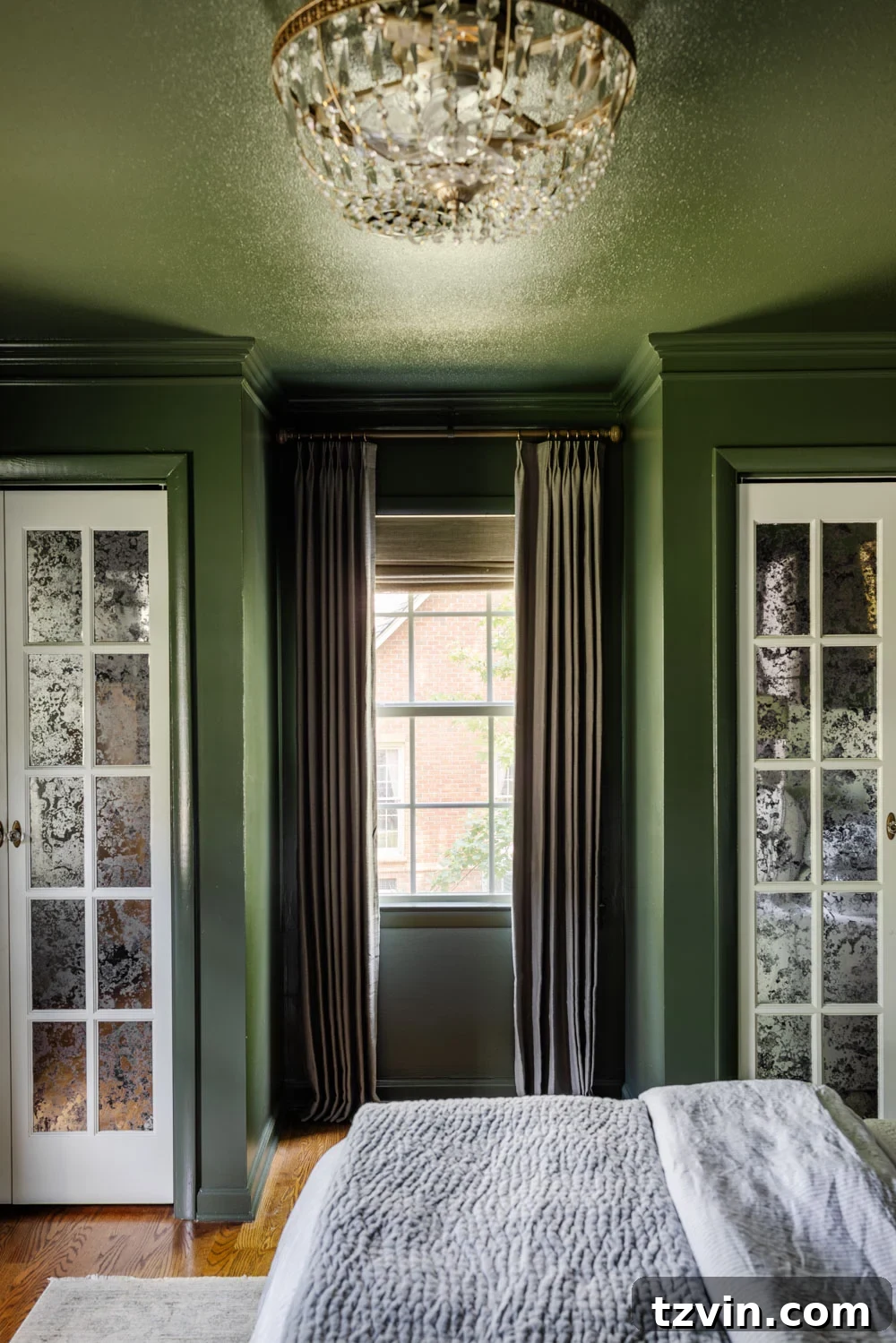
1. Color Drench the Entire Room
Color drenching means painting walls, trim, doors, and the ceiling the same hue. By removing the visual break at the wall-to-ceiling line, the eye reads the space as continuous, which creates the illusion of height.
We used this approach in our primary bedroom, dining room, and one of the bathrooms. Each room immediately felt more cohesive and somehow more elevated—cozy and spacious at once.
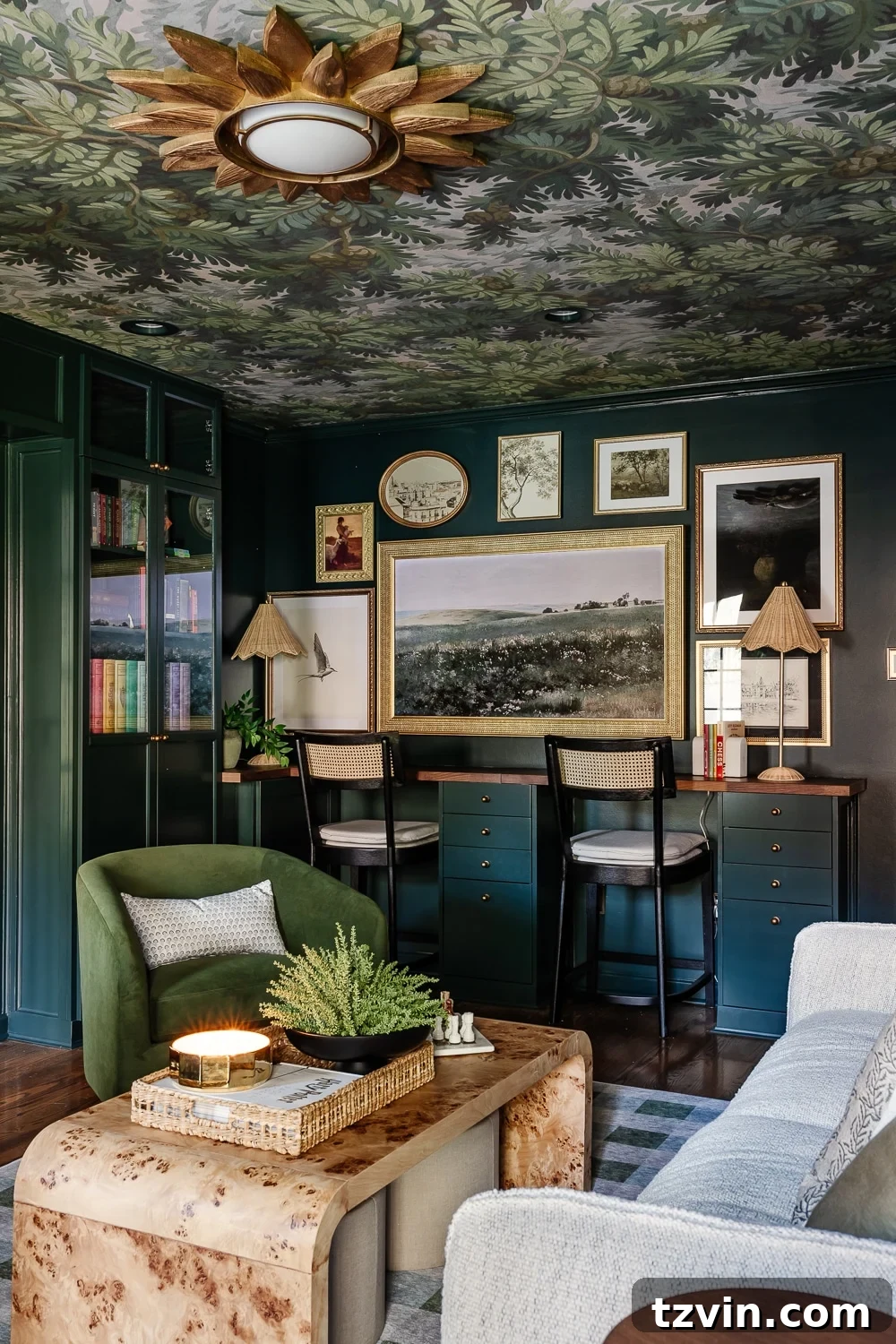
2. Wallpaper the Ceiling
Wallpapering the ceiling turns it into an intentional surface rather than something your brain ignores. When the ceiling becomes a design feature, your eye is drawn upward and the room feels more expansive.
We tried this in our media room and were surprised: instead of closing in the space, the patterned ceiling made the room feel taller and more purposeful.
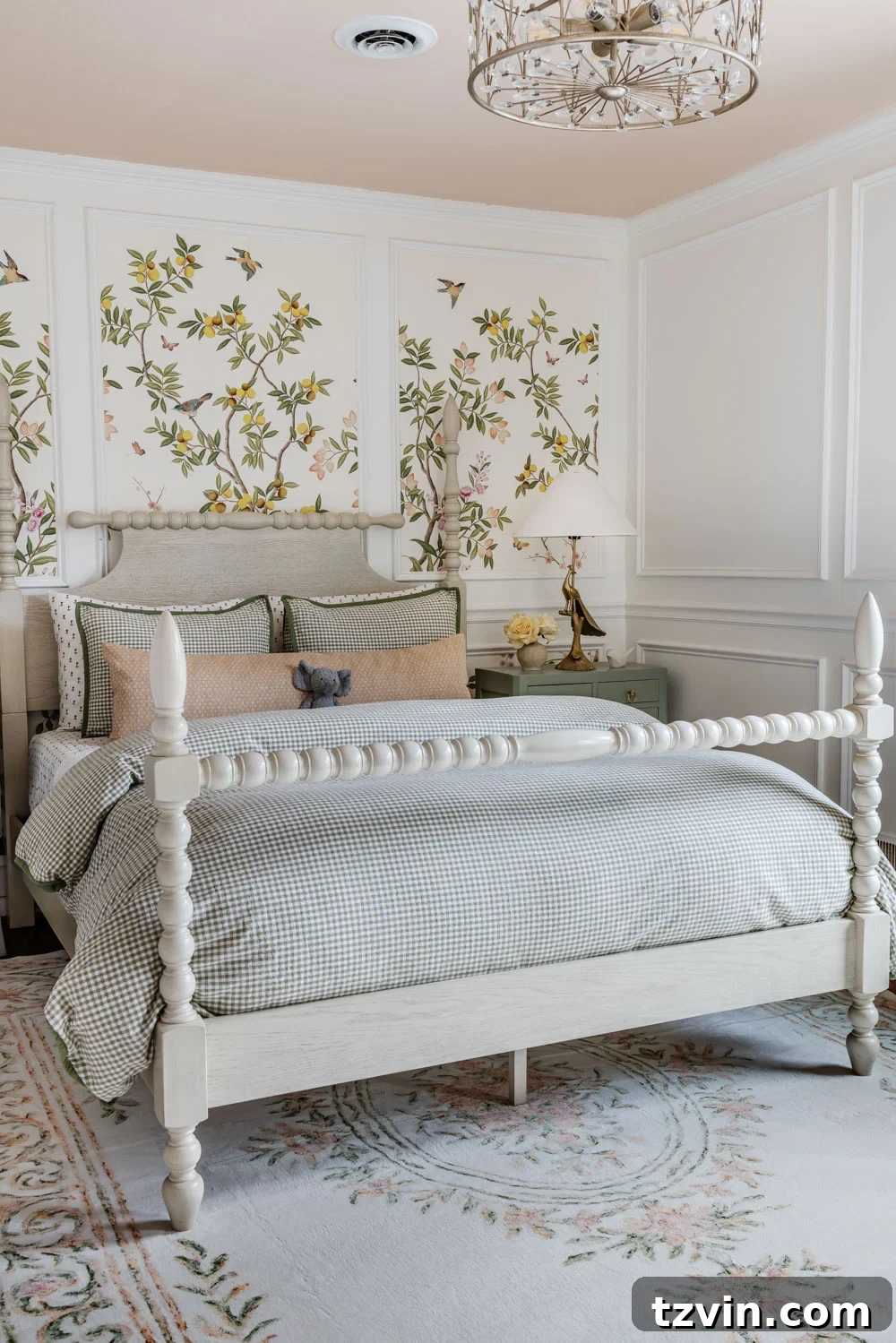
3. Paint the Ceiling a Soft Accent Color
Ceilings don’t have to be white. Painting the ceiling a soft accent color—like the dusty pink we used in a girl’s bedroom—creates a gentle focal point and encourages the eye to move upward.
A subtle color can feel whimsical and custom without visually shortening the room.
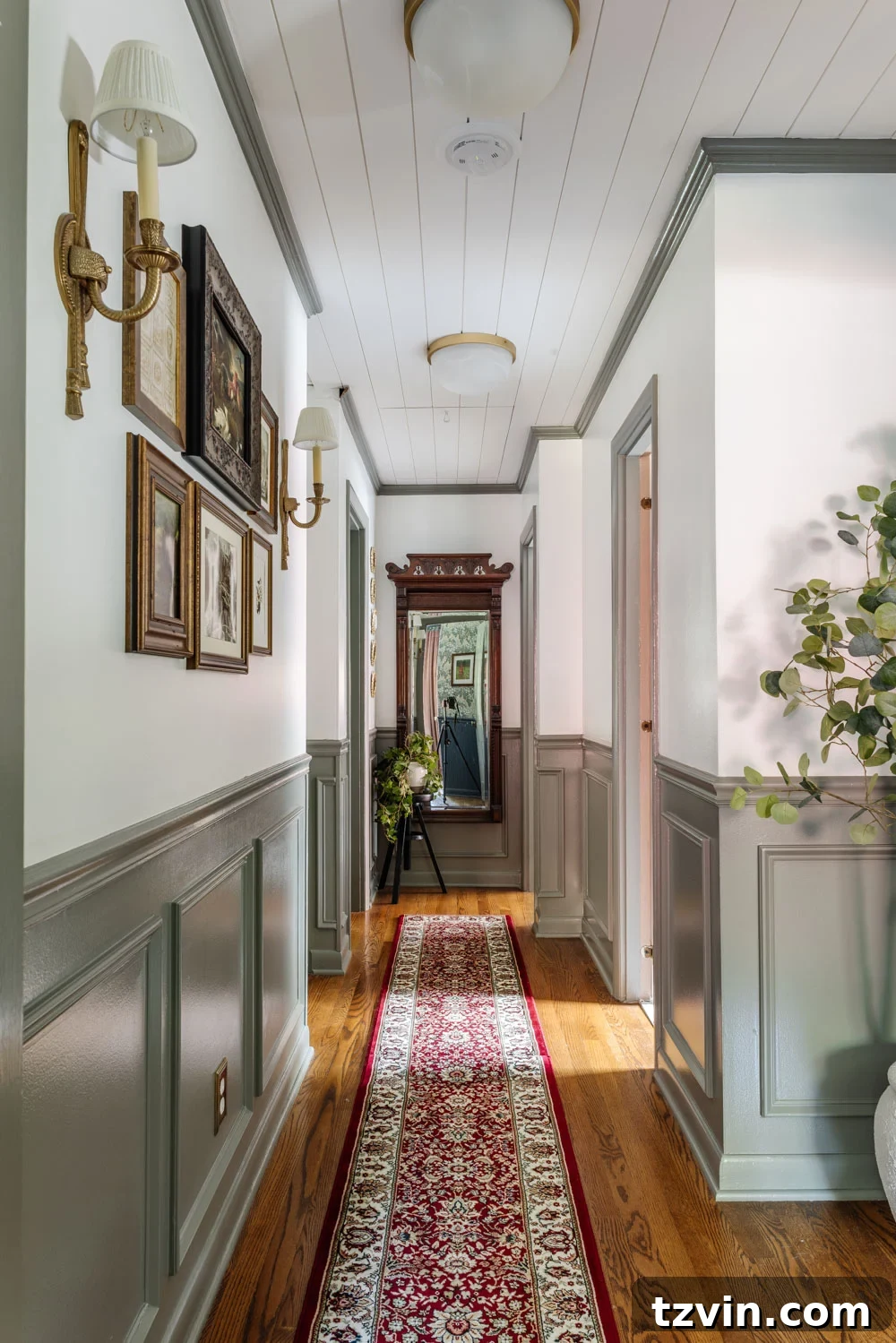
4. Add Tongue & Groove to the Ceiling
Tongue and groove planks add architectural interest and guide the eye along the ceiling plane. After installing it in our upstairs hallway and later in the living room, both spaces felt taller and more finished.
This treatment also hides imperfections and can be used to conceal things like attic doors while adding warmth and texture.
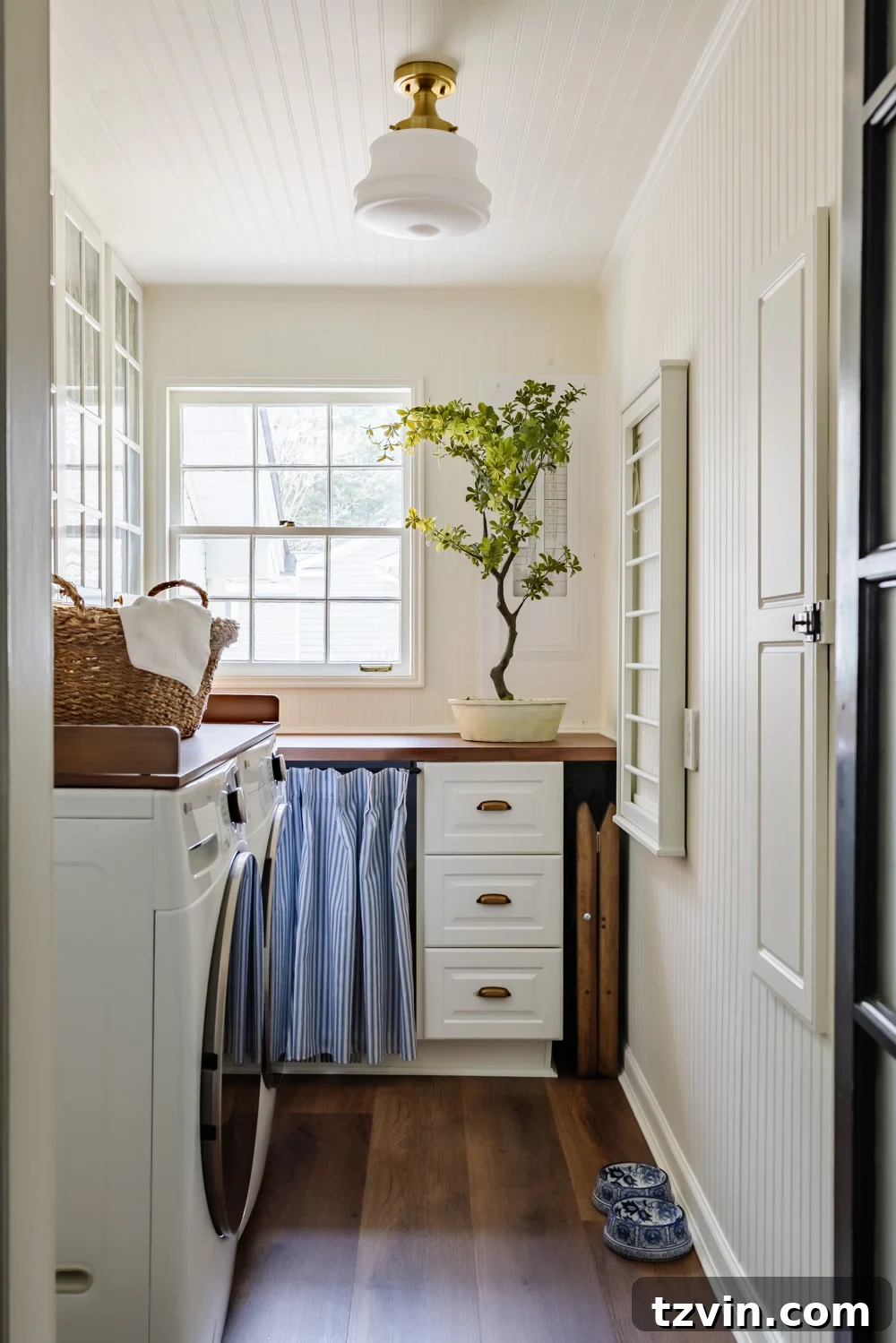
5. Cover an Ugly Ceiling with Beadboard
Beadboard is a fast, attractive solution when a ceiling needs fixing. The linear pattern adds visual height and texture without the work of extensive drywall repair.
In our laundry room it turned an eyesore into a favorite detail and helped the space feel taller and more intentional.
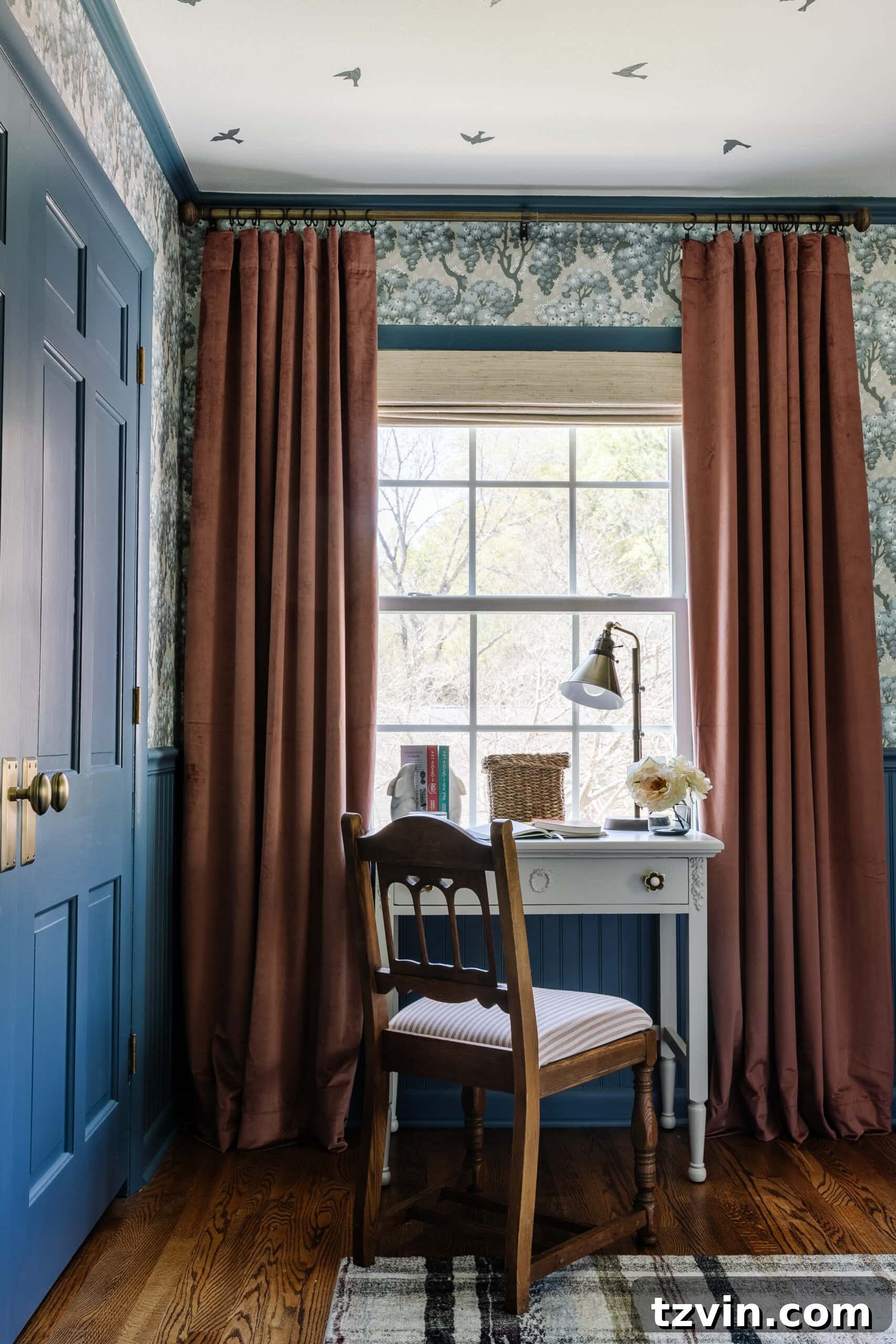
6. Hang Curtains High and Wide
Hanging curtain rods close to the ceiling and extending them past the window frame makes both windows and ceilings read larger. It’s a simple, high-impact trick we use in every room.
Extend the rod several inches beyond each side of the window and mount it high—this visually raises the ceiling line and makes rooms feel airier.
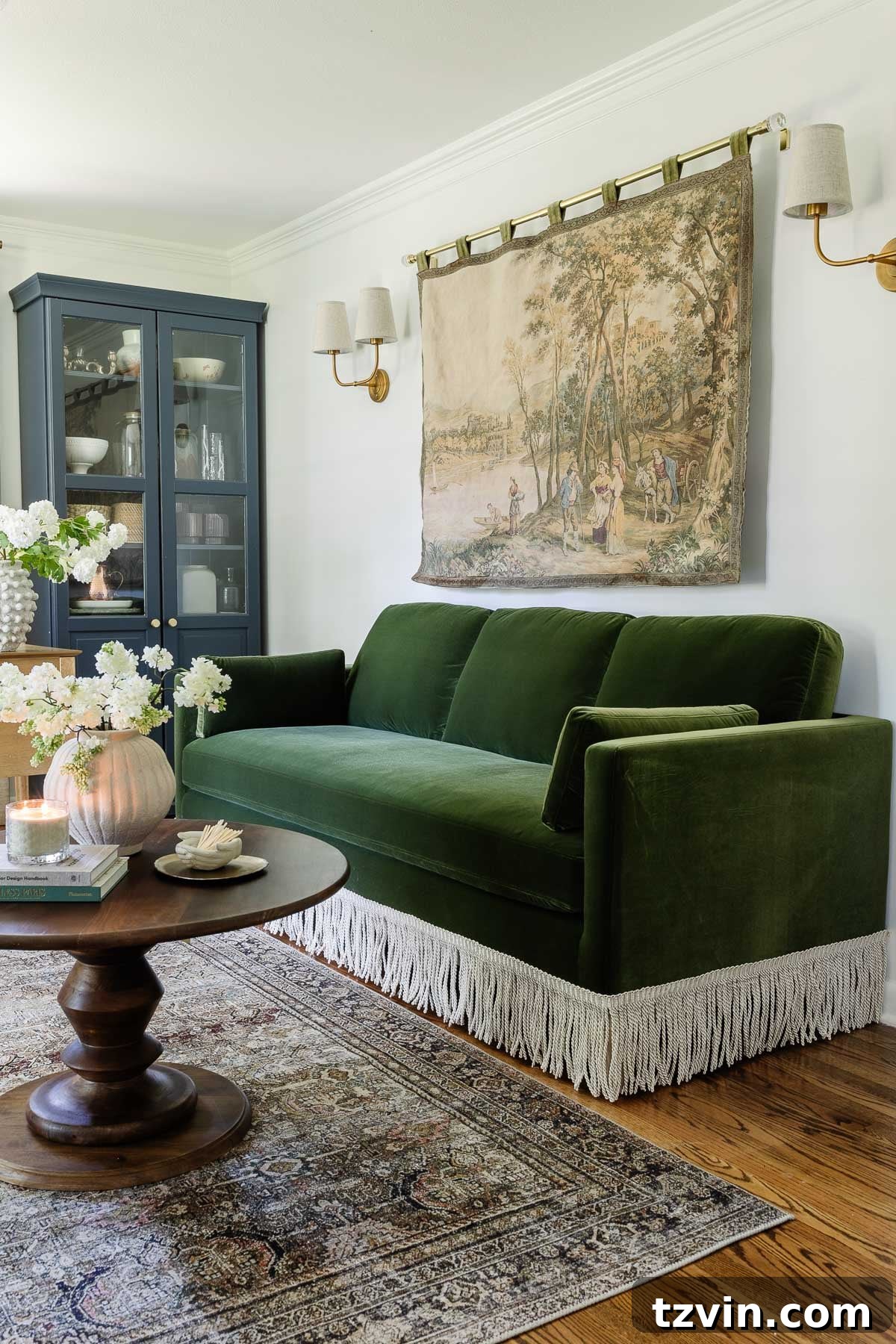
7. Choose Larger Wall Art
Small frames emphasize empty wall. Oversized art creates vertical presence and balances proportions, making the room feel grander. Opt for one or two large pieces rather than many small ones.
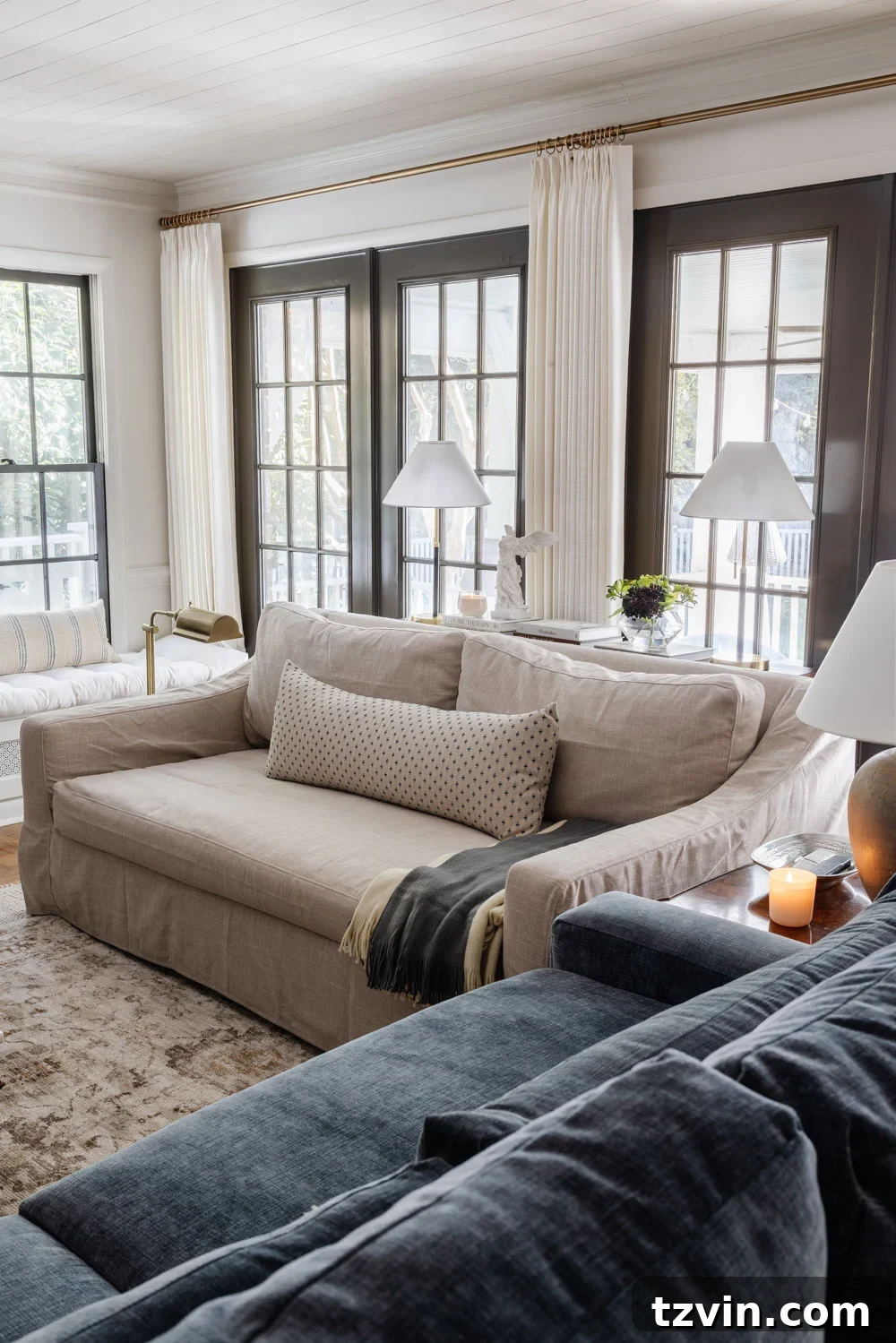
8. Choose Lower-Profile Furniture
Lower sofas, beds, and chairs reveal more wall above them, which makes ceilings appear taller in comparison. This is a subtle perspective trick that can have a big effect on how open a room feels.
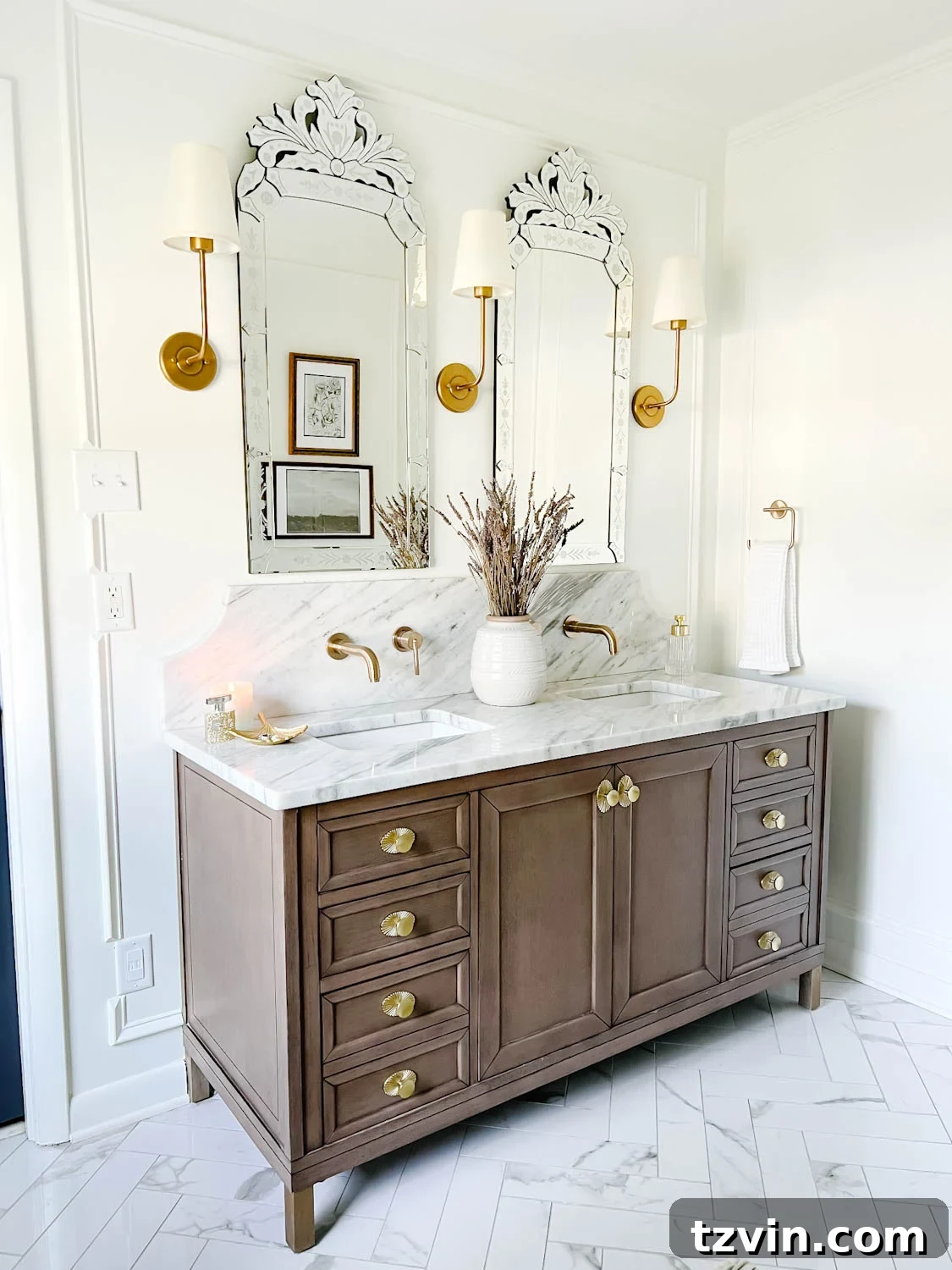
9. Hang Tall Mirrors
Tall mirrors emphasize the full vertical span of a wall and reflect light, amplifying the sense of space. In our primary bathroom, mirrors that nearly reach crown molding make the ceiling feel higher and the room brighter.
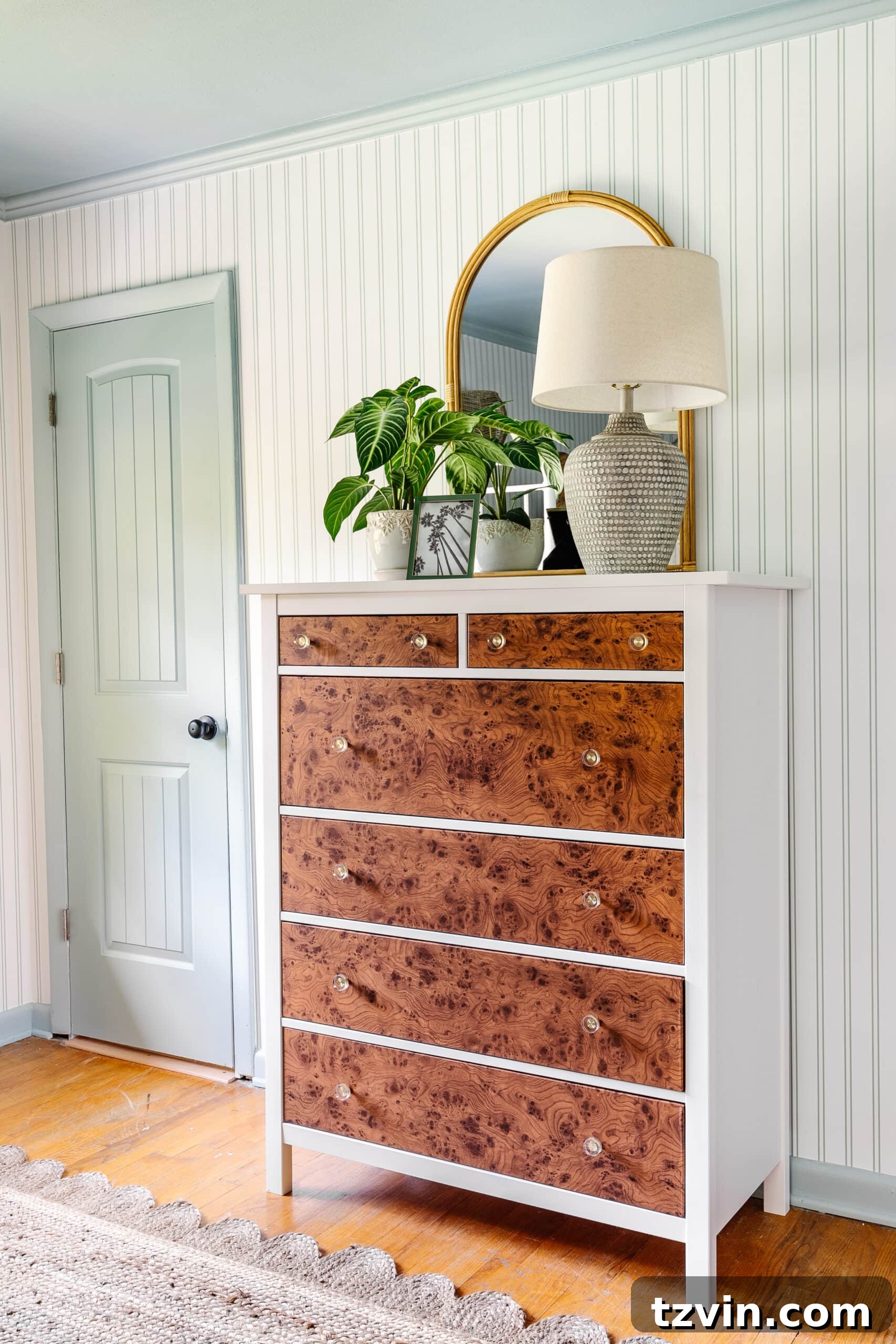
10. Add Vertical Lines
Vertical lines—whether wallpaper stripes or faux shiplap—encourage the eye to travel upward. We used vertical striped wallpaper and shiplap in two bedrooms and both felt instantly taller.
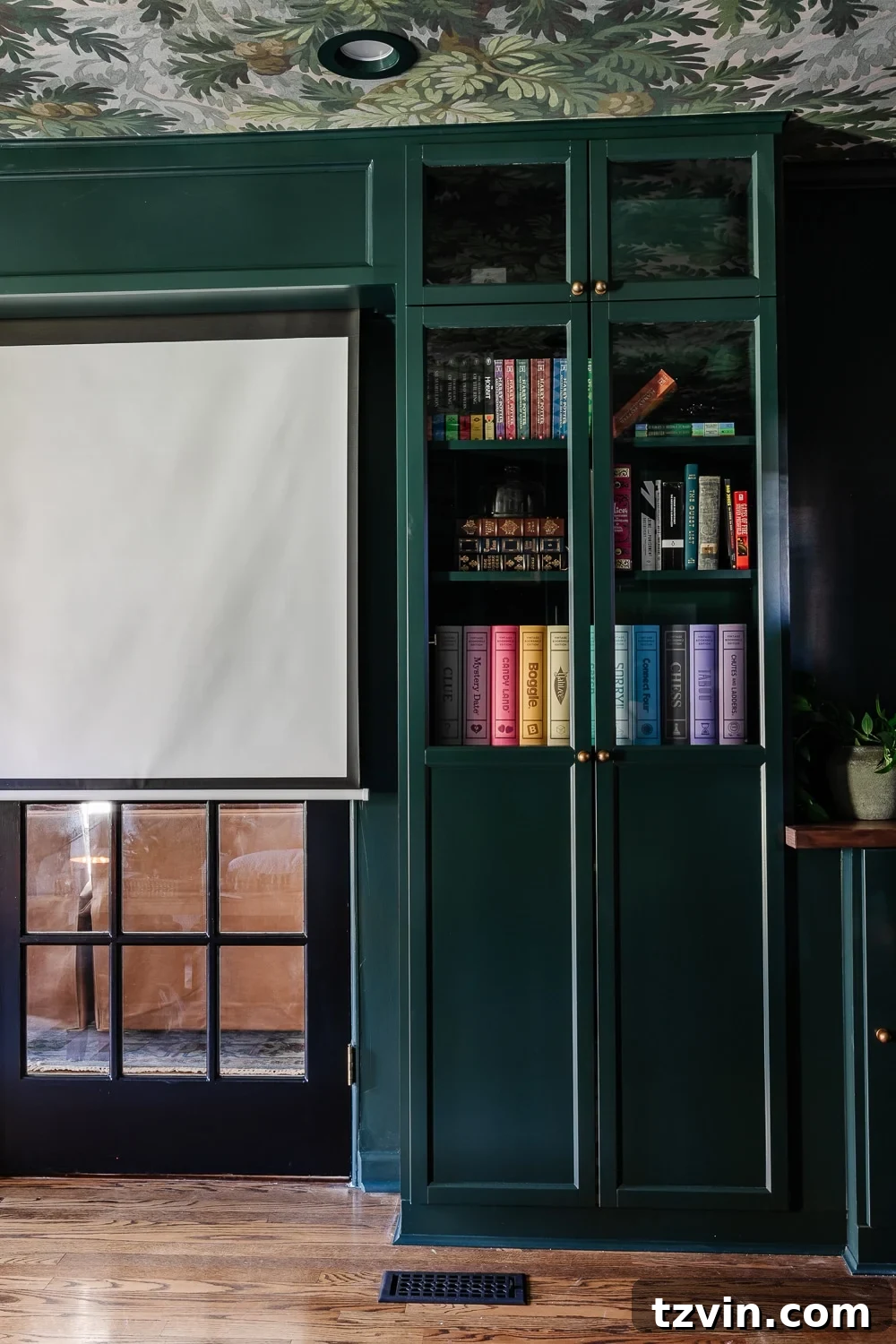
11. Take Cabinets and Bookcases All the Way to the Ceiling
Furniture that stops short of the ceiling creates an awkward visual gap and makes ceilings read lower. Extending cabinets and bookcases to the ceiling adds storage and visually stretches the room upward.
When we built our media room built-ins, taking them flush to the ceiling both increased storage and improved proportions.
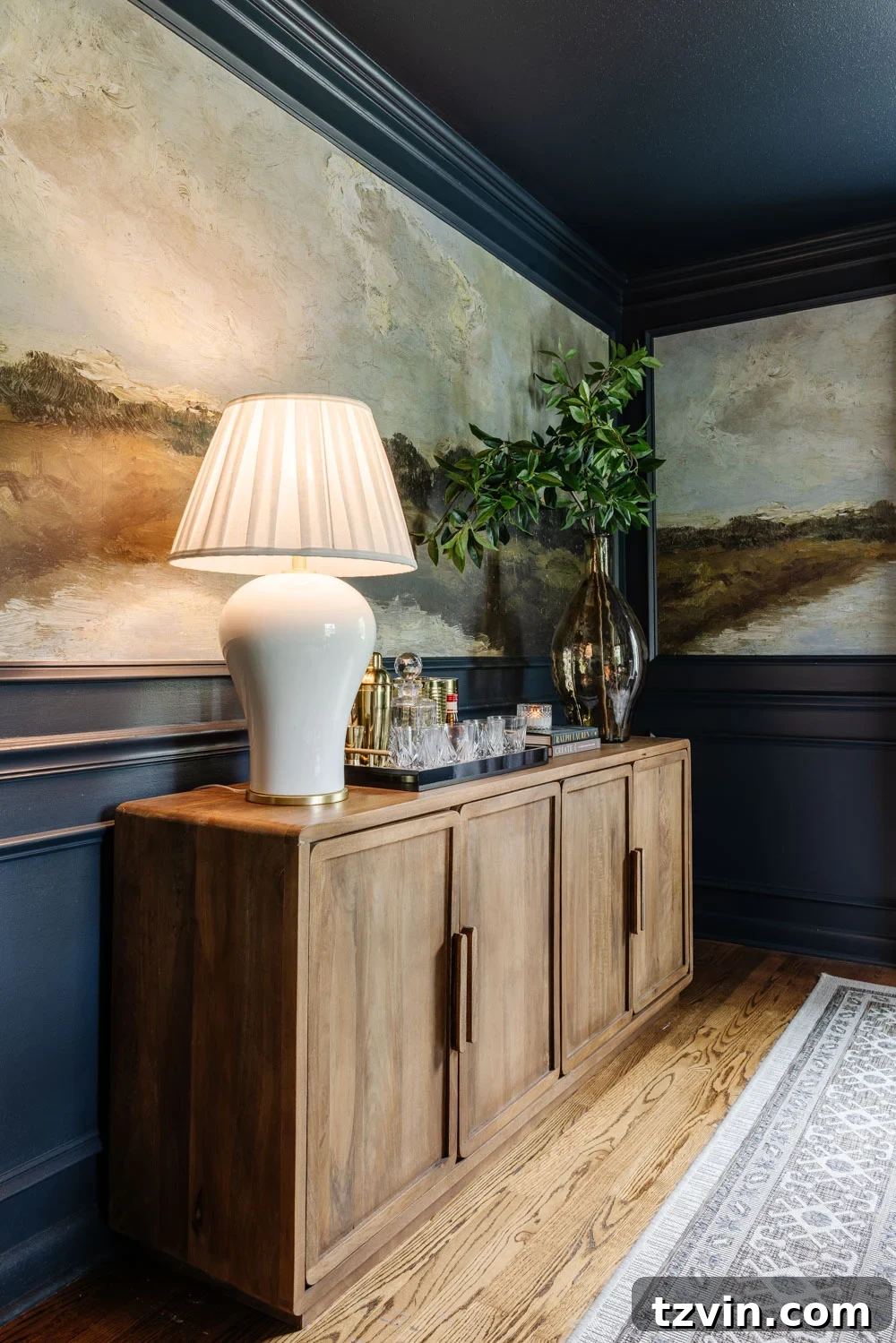
12. Add Crown Molding
Contrary to the belief that crown molding shortens a room, well-proportioned trim adds polish and draws the eye upward. It emphasizes the transition between walls and ceiling and creates architectural depth.
Adding crown molding in rooms without it has consistently made them feel more intentional and taller.
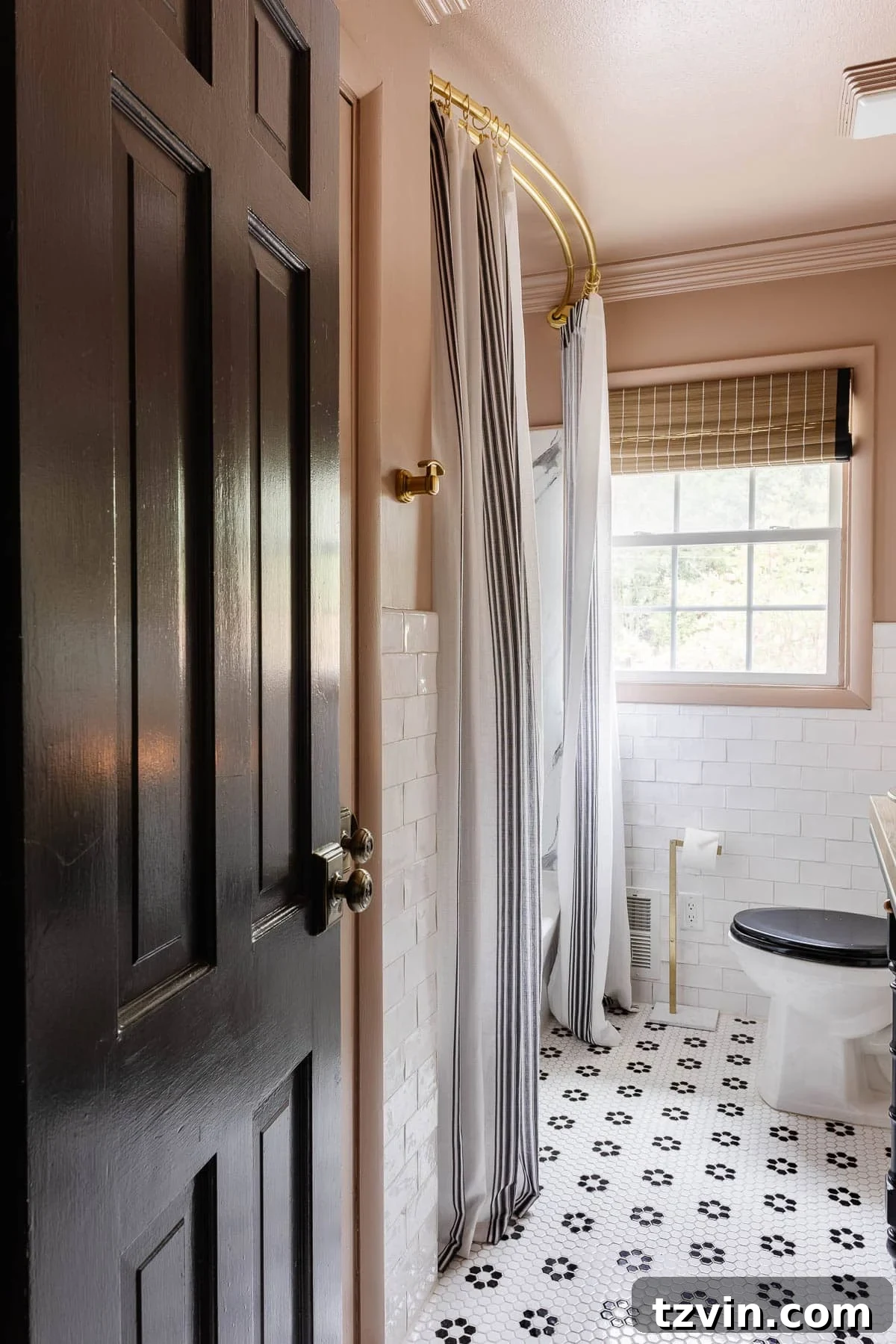
13. Hang Your Shower Curtain All the Way to the Ceiling
In small bathrooms, mounting an extra-long shower curtain near the crown molding draws the eye upward and gives the space a custom, luxe feel. This simple adjustment makes standard 8-foot bathrooms feel taller and more elegant.
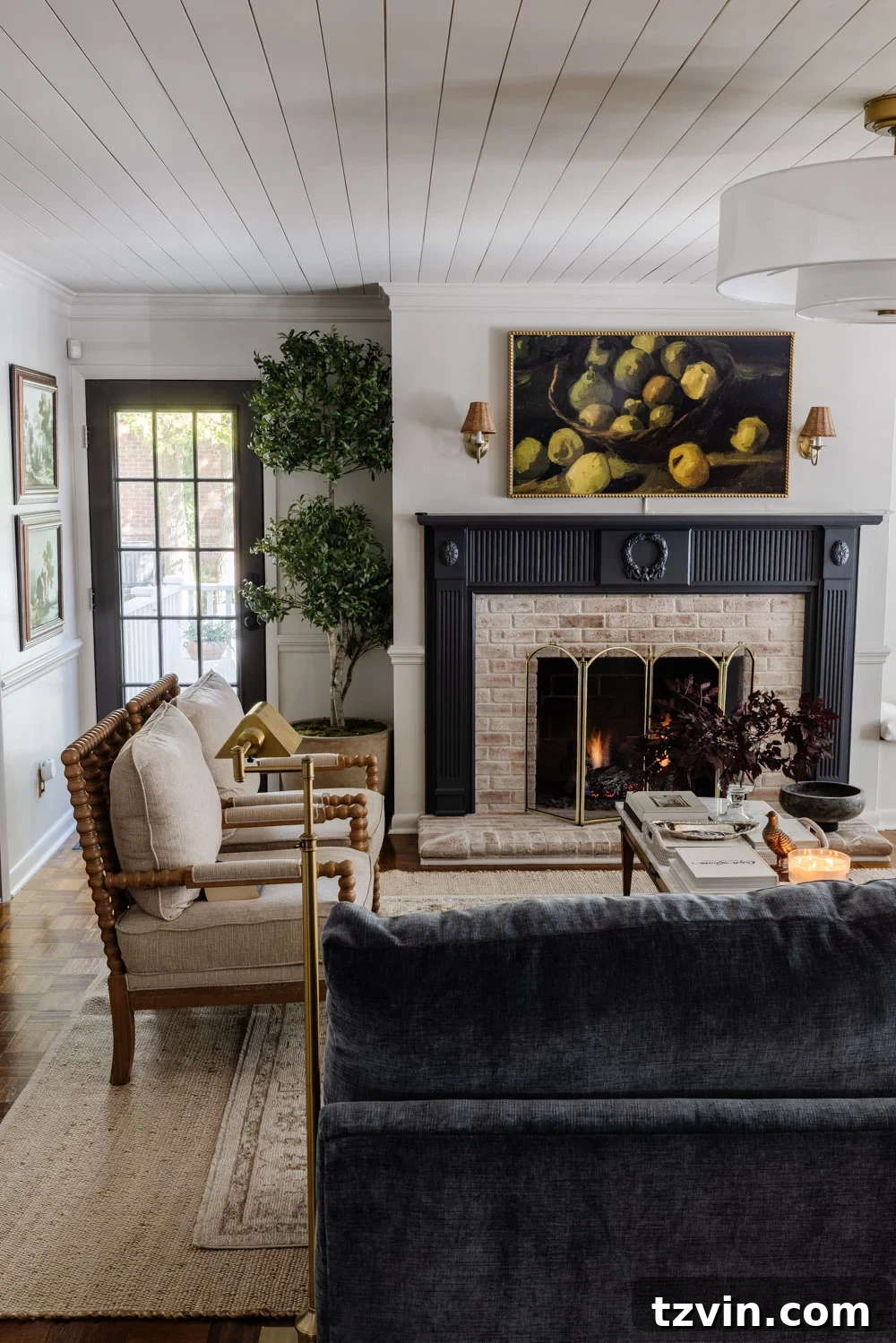
So Can You Use a Fandelier with an 8-Foot Ceiling?
Yes. Our living room demonstrates how a bold light fixture can work with an 8-foot ceiling when the surrounding design supports vertical perception. Combine high curtain rods, oversized art, ceiling treatments like tongue and groove, crown molding, and lower-profile furniture to convince the eye the room is taller than it is.
Final Thoughts
Standard 8-foot ceilings don’t limit great design. Over a decade of renovating, I’ve learned that small, thoughtful changes dramatically alter how people experience a space.
You don’t need every trick here—applying two or three will often make a noticeable difference. The goal is to guide the eye and create purposeful surfaces so rooms feel more spacious, polished, and intentional.
More Ways to Trick The Eye in Decorating
- 23 Clever Small Room Ideas to Make a Space Look Bigger
- 30 Ways to Make Your House Look Expensive on a Budget
- 14 Tricks to Make a Small Bathroom Look Bigger