I’m convinced our most recent room makeover — a bedroom we redid for friends — achieved its biggest impact because we were intentional about lighting.
Have you ever finished decorating and thought, “Why doesn’t this feel as cozy as the rooms I pin on Pinterest?”
Most people’s instinct is to add another throw pillow. More often than not, the better fix is to address the lighting.
One lone ceiling light trying to illuminate an entire room does a lot of heavy lifting. When that’s the only light, spaces can feel flat, harsh, or oddly clinical.
Lighting is one of those decorating details that seems unexciting until you get it right. Then the room feels warmer, cozier, more expensive, and finally finished.
For this bedroom I planned lighting from the start. Instead of choosing one pretty ceiling fixture and calling it a day, I added multiple light sources placed around the room.
The secret is to layer your lighting.
The 3 Types of Lighting Every Room Needs
You don’t need complicated rules. Think of lighting in three layers:
1. Ambient lighting – the main light that illuminates the whole room.
2. Task lighting – light where you need to do something: reading, dressing, working, cooking.
3. Accent lighting – small, cozy lights that highlight features and make a room feel inviting.
Combine all three and the room stops feeling like either a dark cave or a sterile space. You can change the mood depending on what you’re doing.
Here’s how we applied those layers in this bedroom.
Layer 1: Start With Ambient Lighting
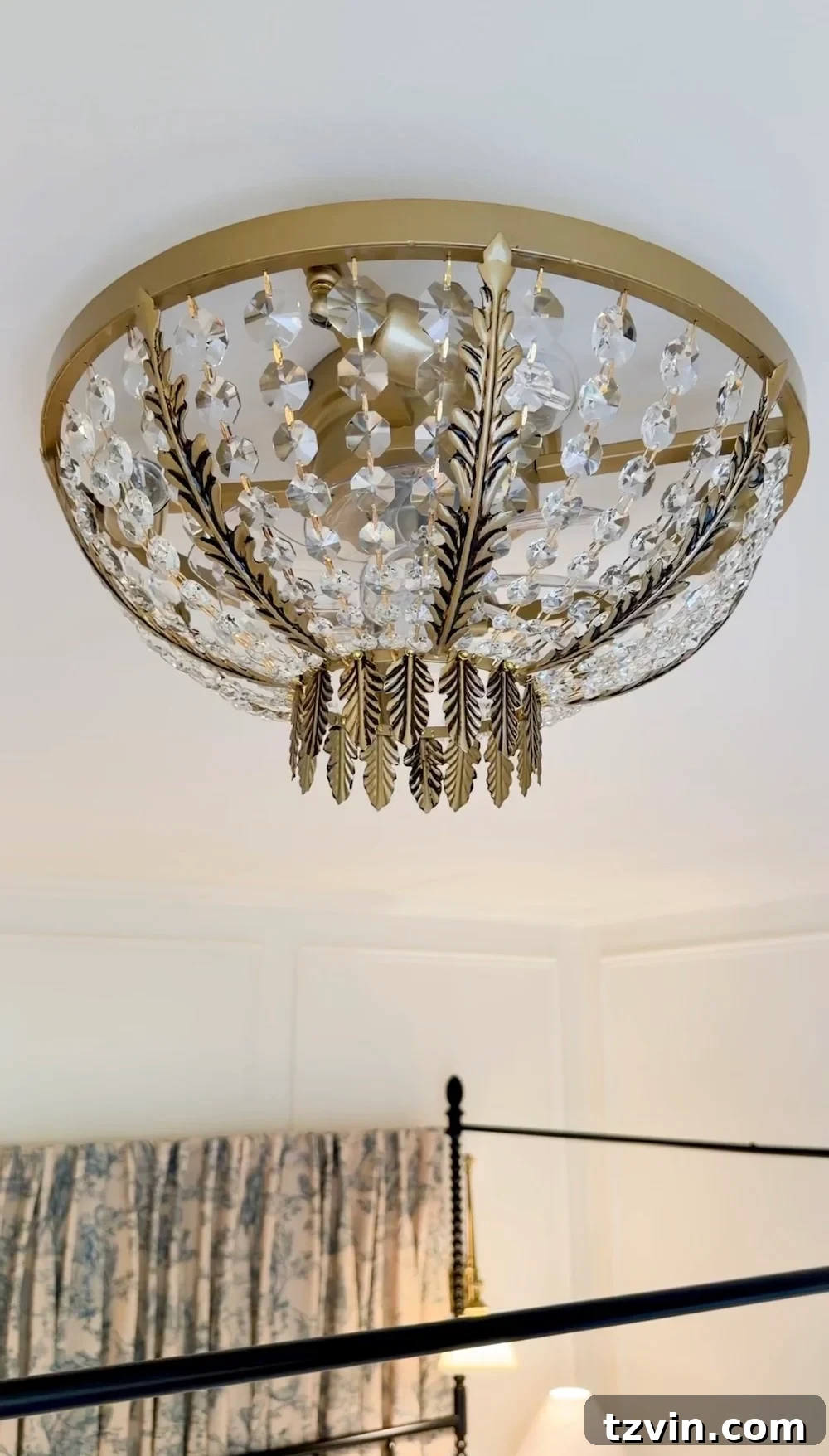
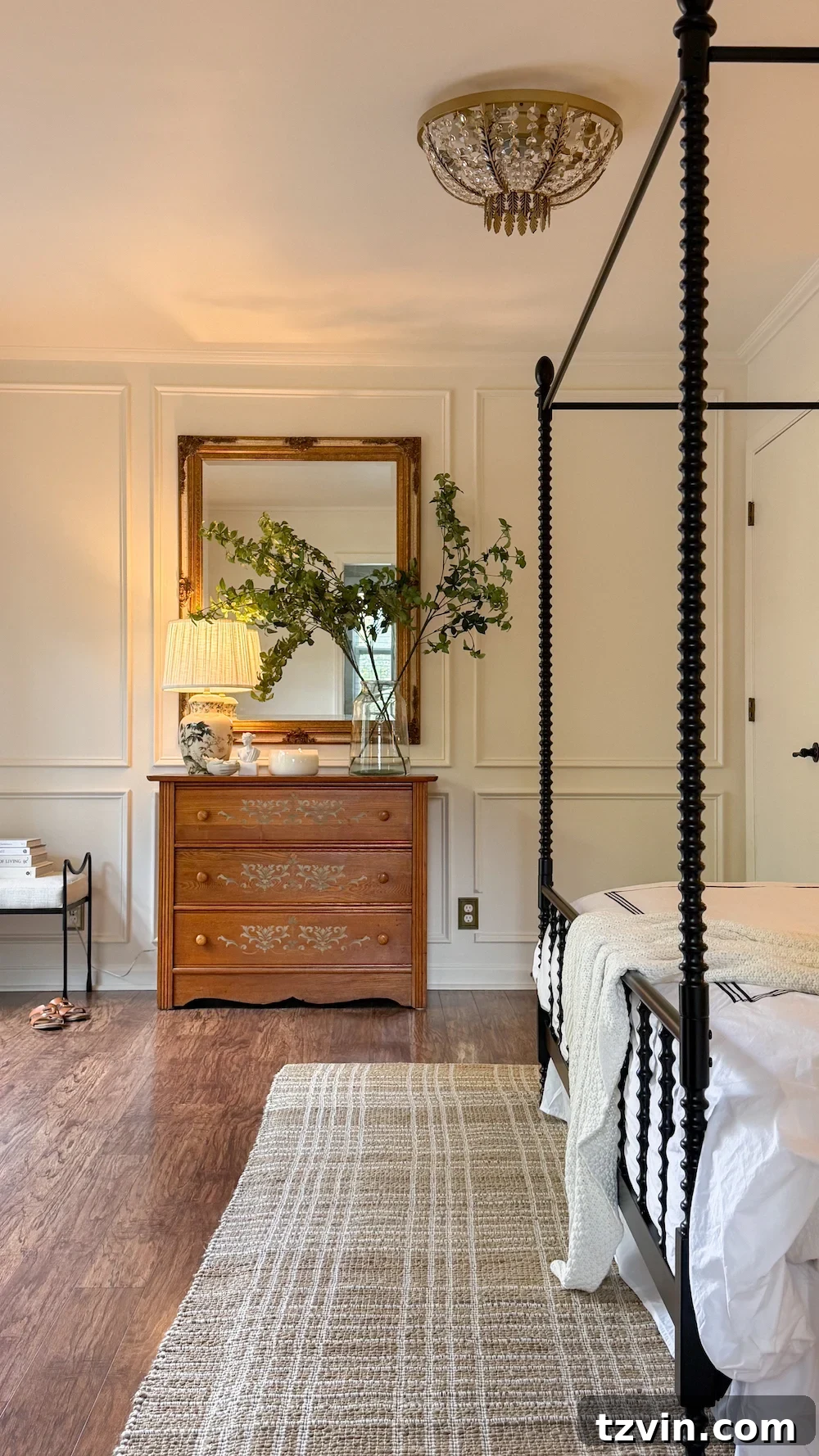
The room already had a ceiling fan and our friends wanted to keep the airflow, so I looked for a fandelier — a chandelier and fan combined. The overhead fixture provides the ambient light that brightens the entire room when needed.
We had to replace an initial choice because the fan barely moved air. The takeaway: pick fixtures that balance beauty and function.
Layer 2: Add Task Lighting Where You Actually Need It
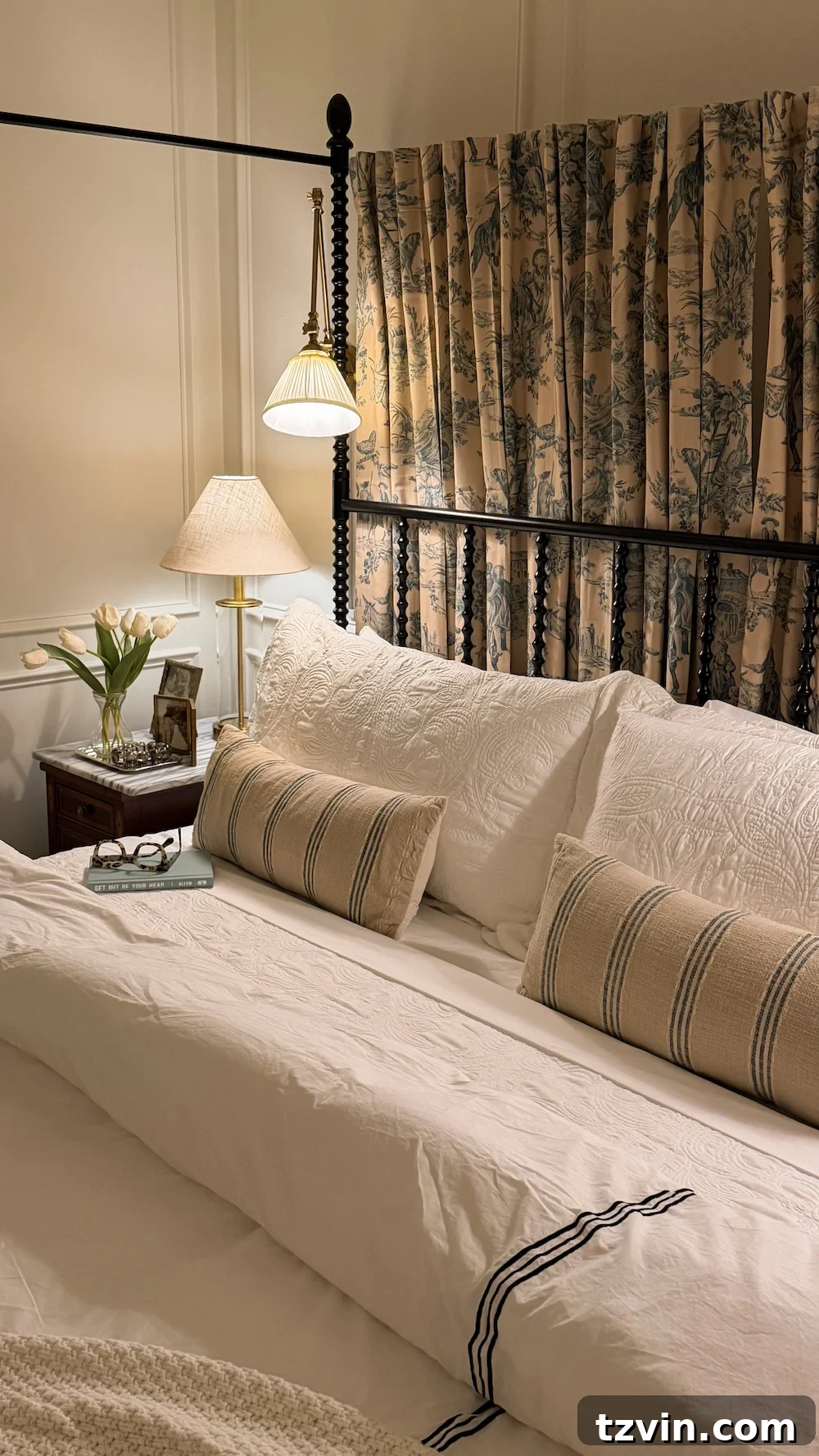
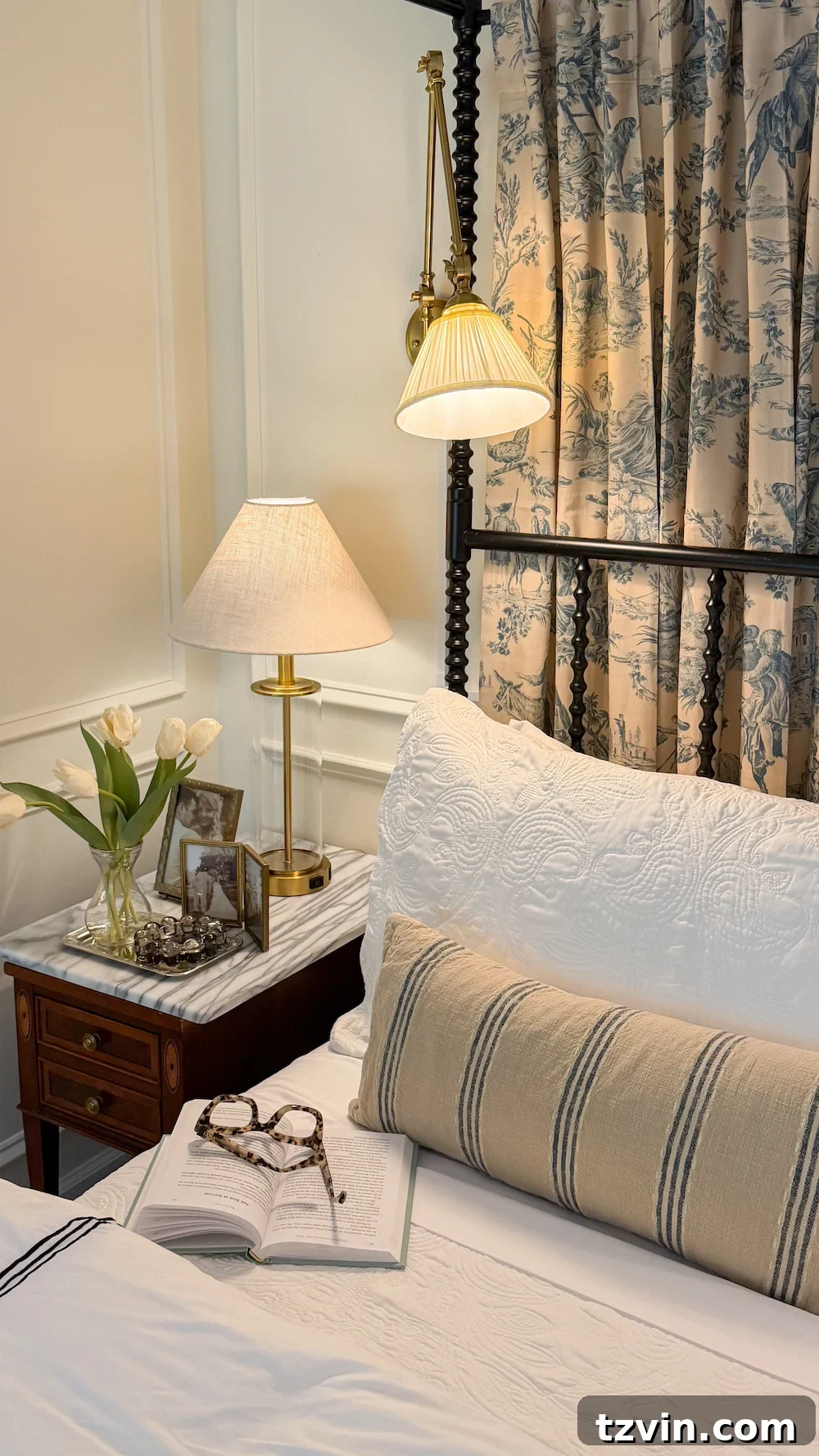
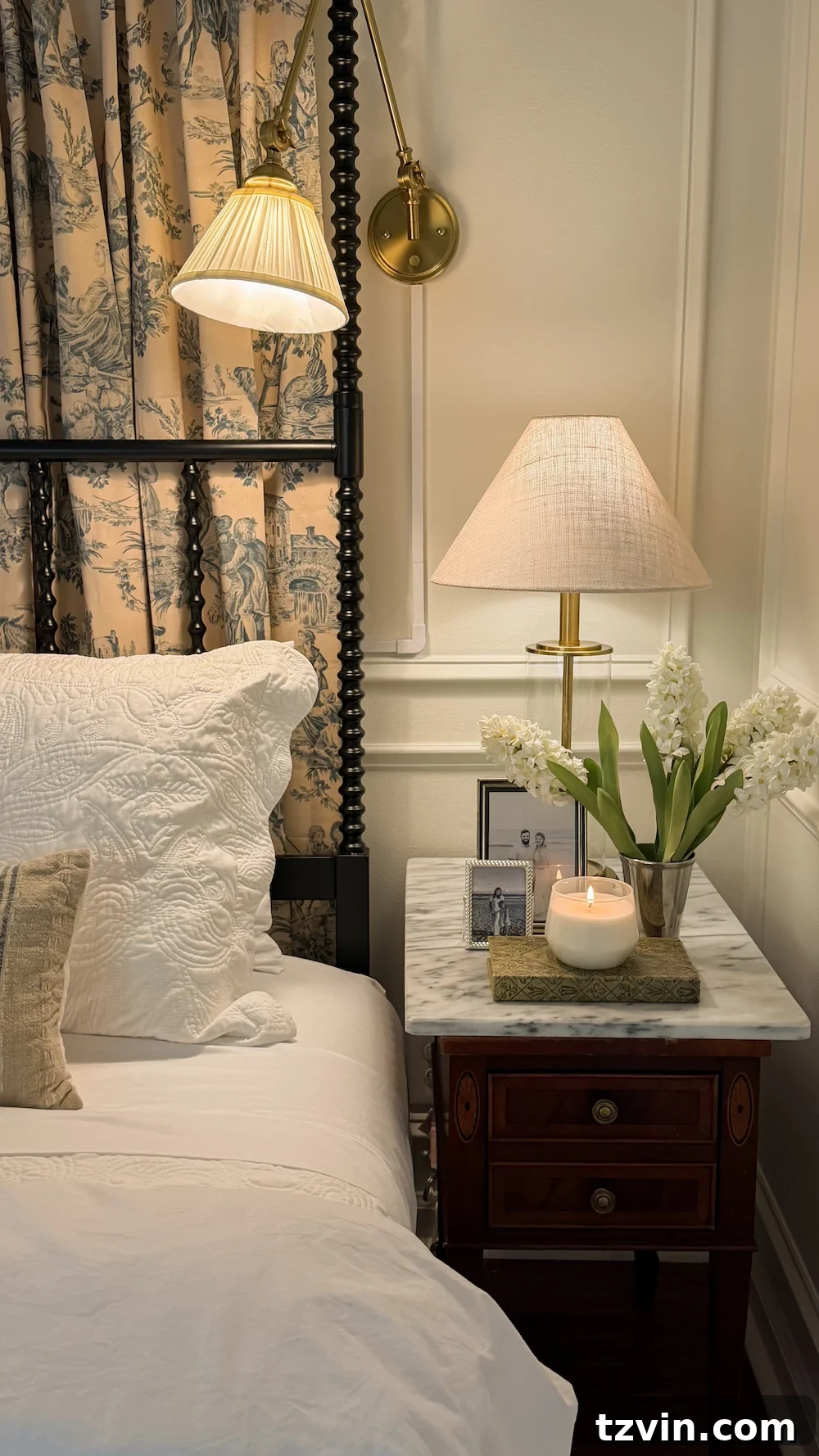
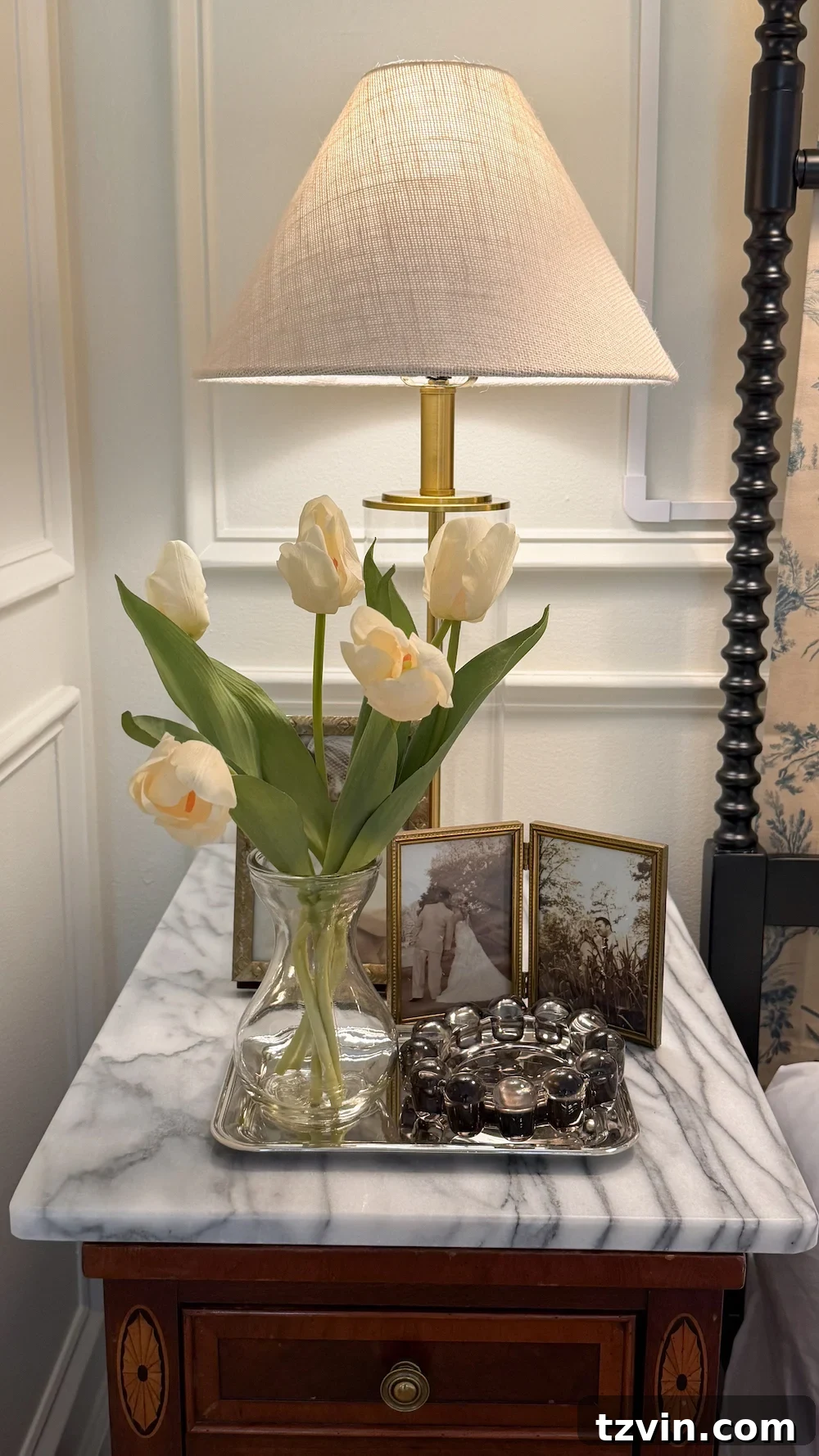
Think about what you do in the room. In a bedroom, bedside reading is a common need. We added swing-arm wall sconces on both sides of the bed so our friends can direct light where they need it. We also used table lamps for softer, ambient bedside glow.
Sconces and table lamps each serve different purposes: lamps create atmosphere while sconces deliver focused task light. You don’t need every option, but having alternatives is useful.
The Plug-In Sconce Trick
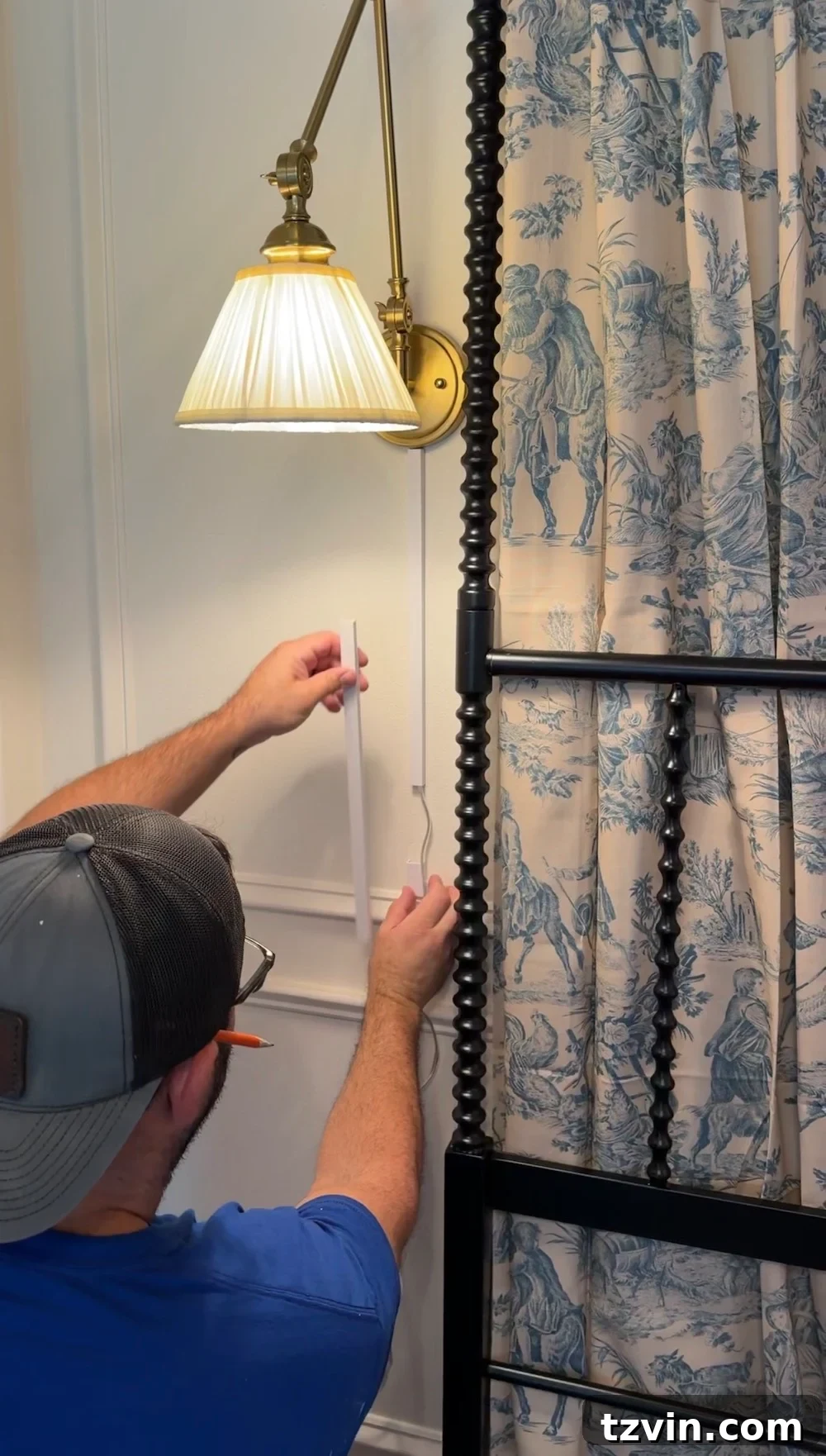
We used plug-in sconces so there was no need to hire an electrician. Mount them where you want, plug them in, and conceal cords with paintable cord covers. You get a polished look without opening drywall, and it’s easy to remove later — a renter-friendly and budget-wise solution.
Layer 3: Use Accent Lighting to Make the Room Feel Cozy
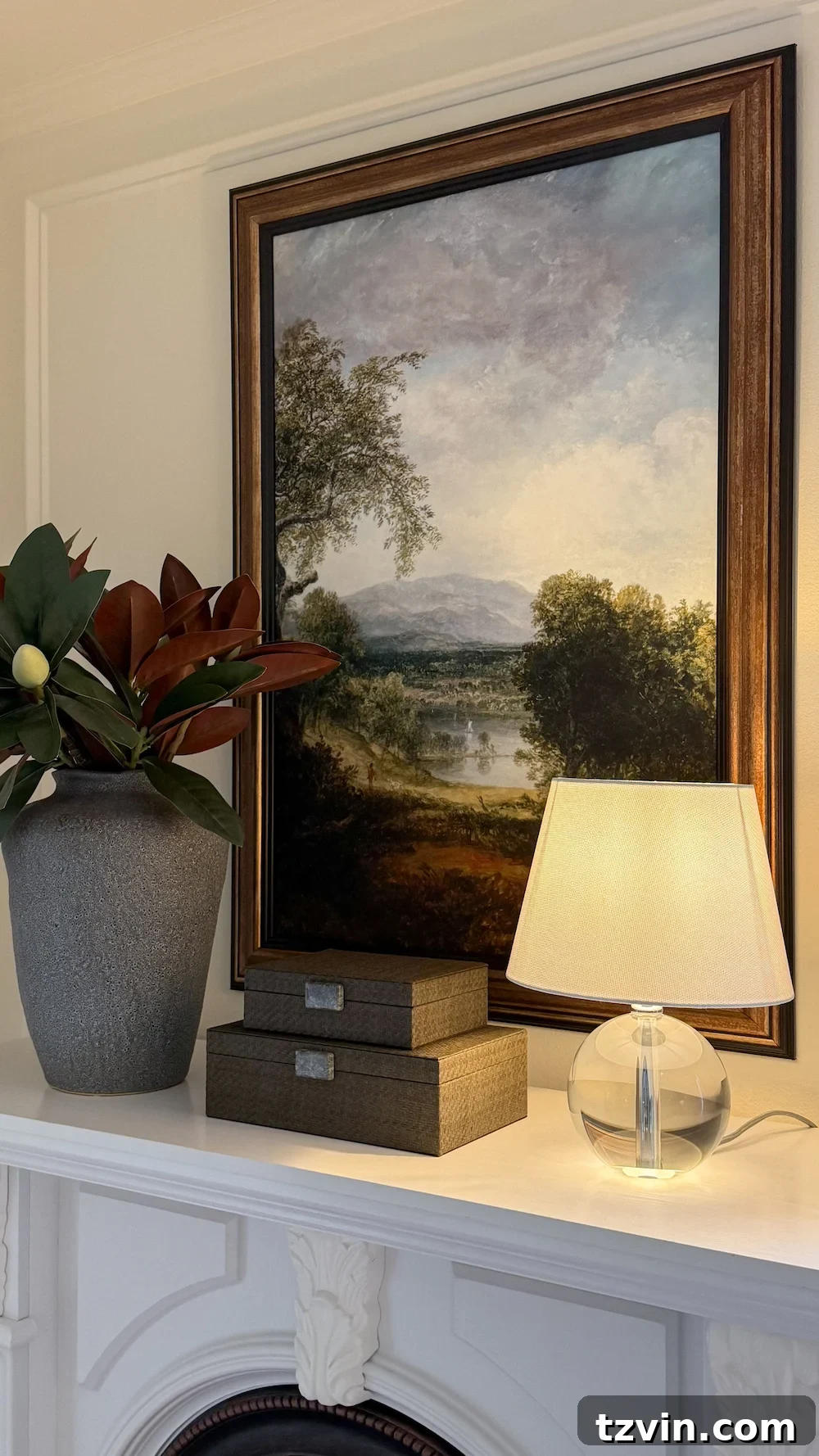
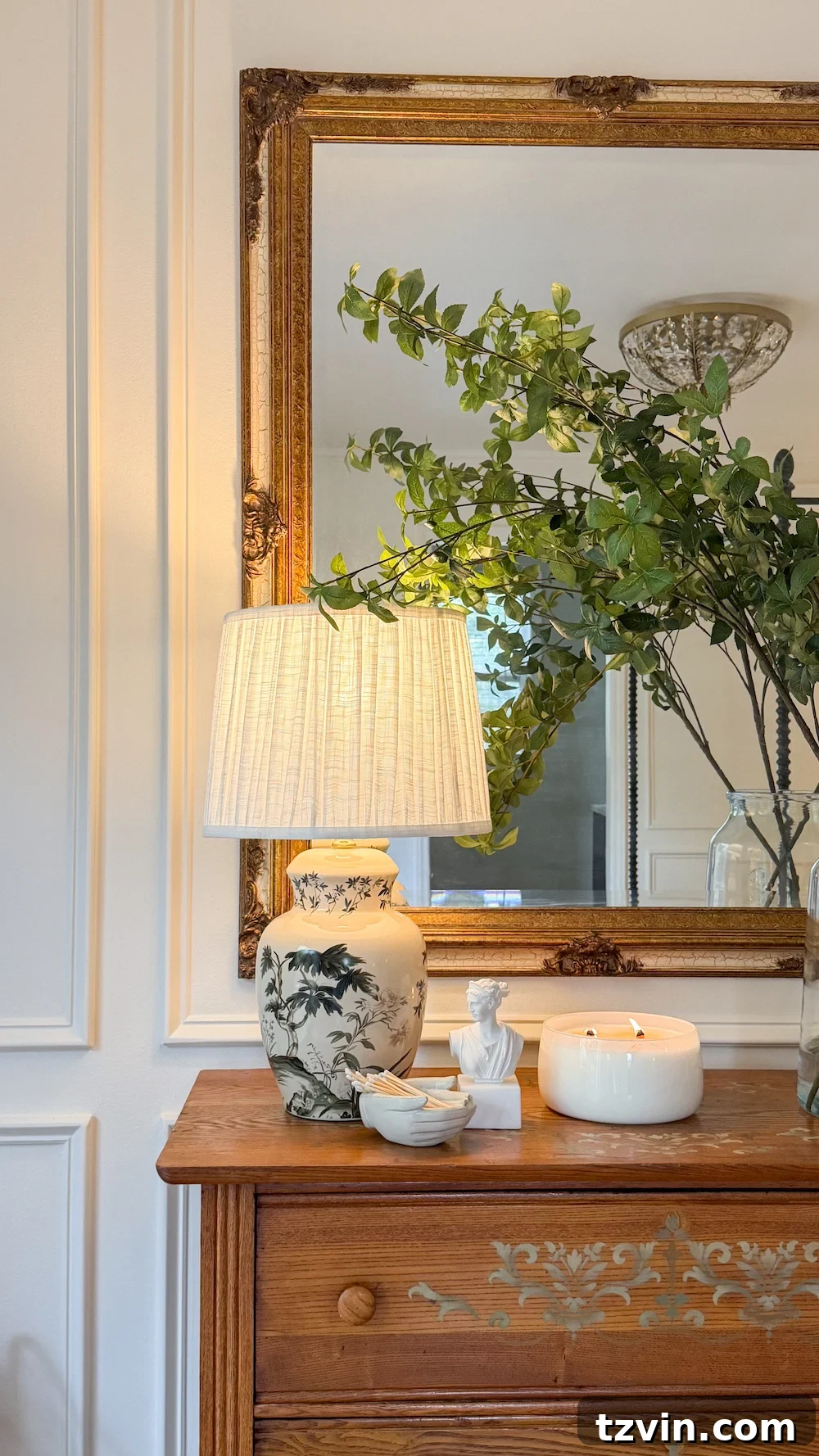
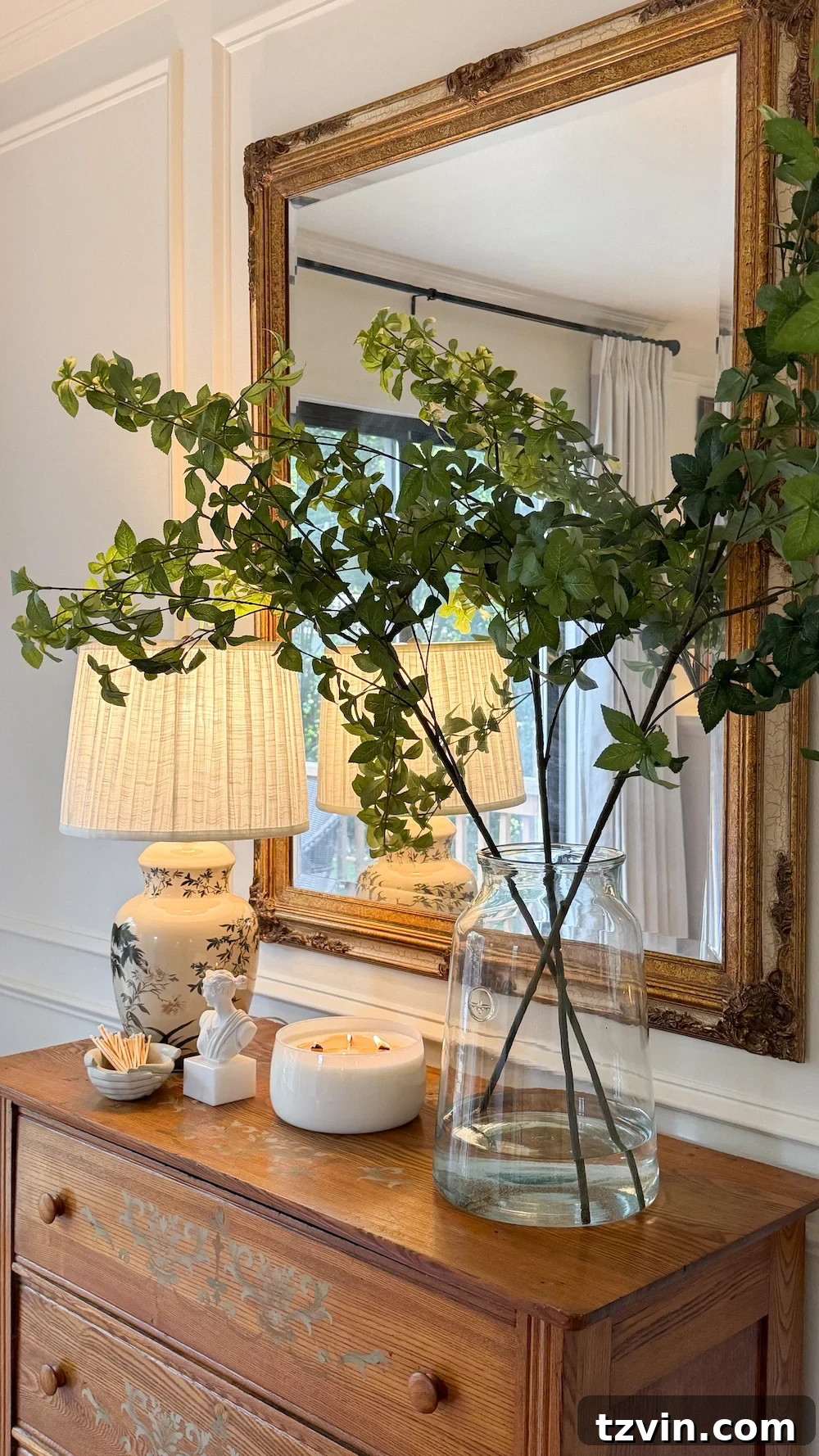
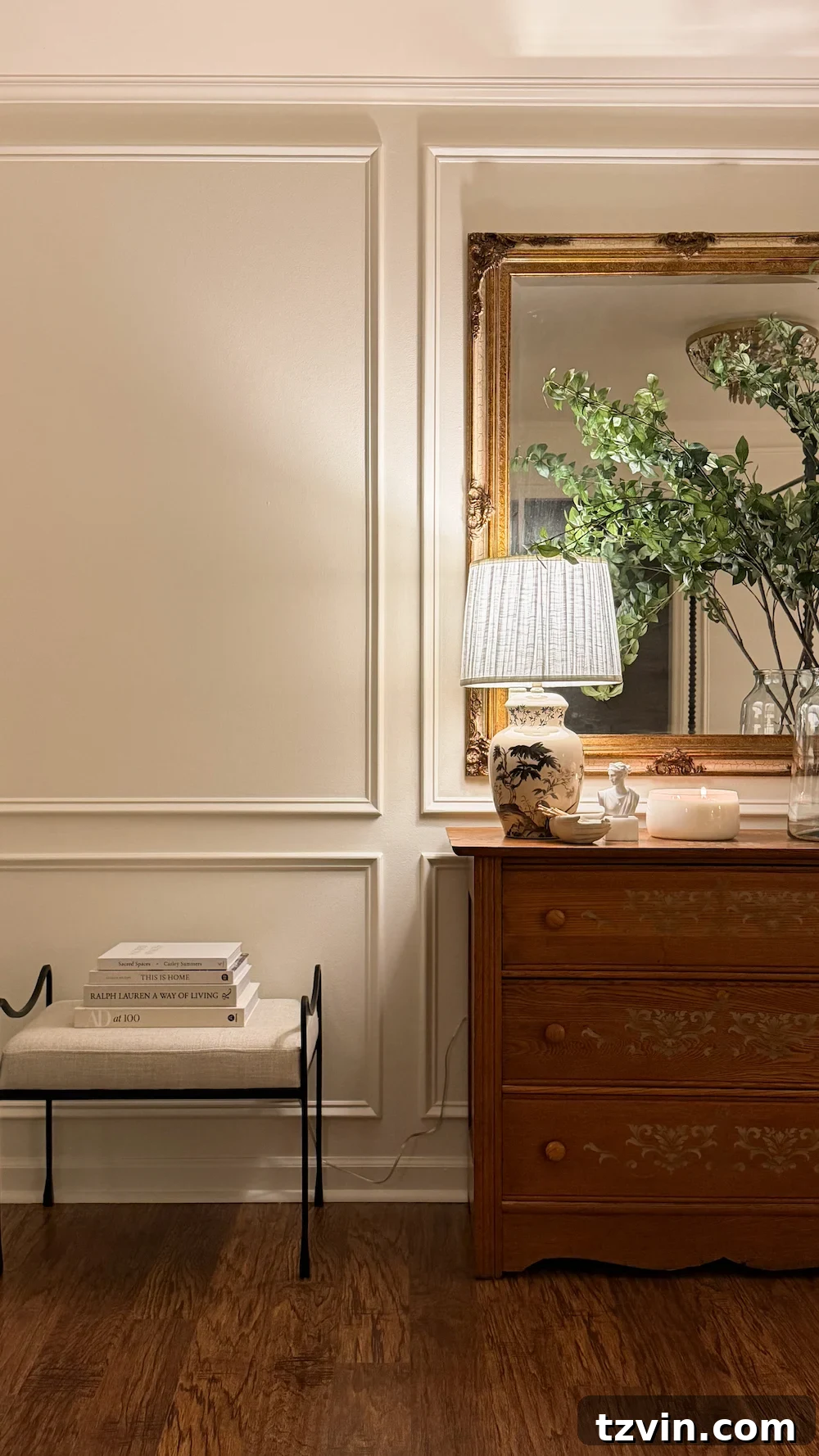
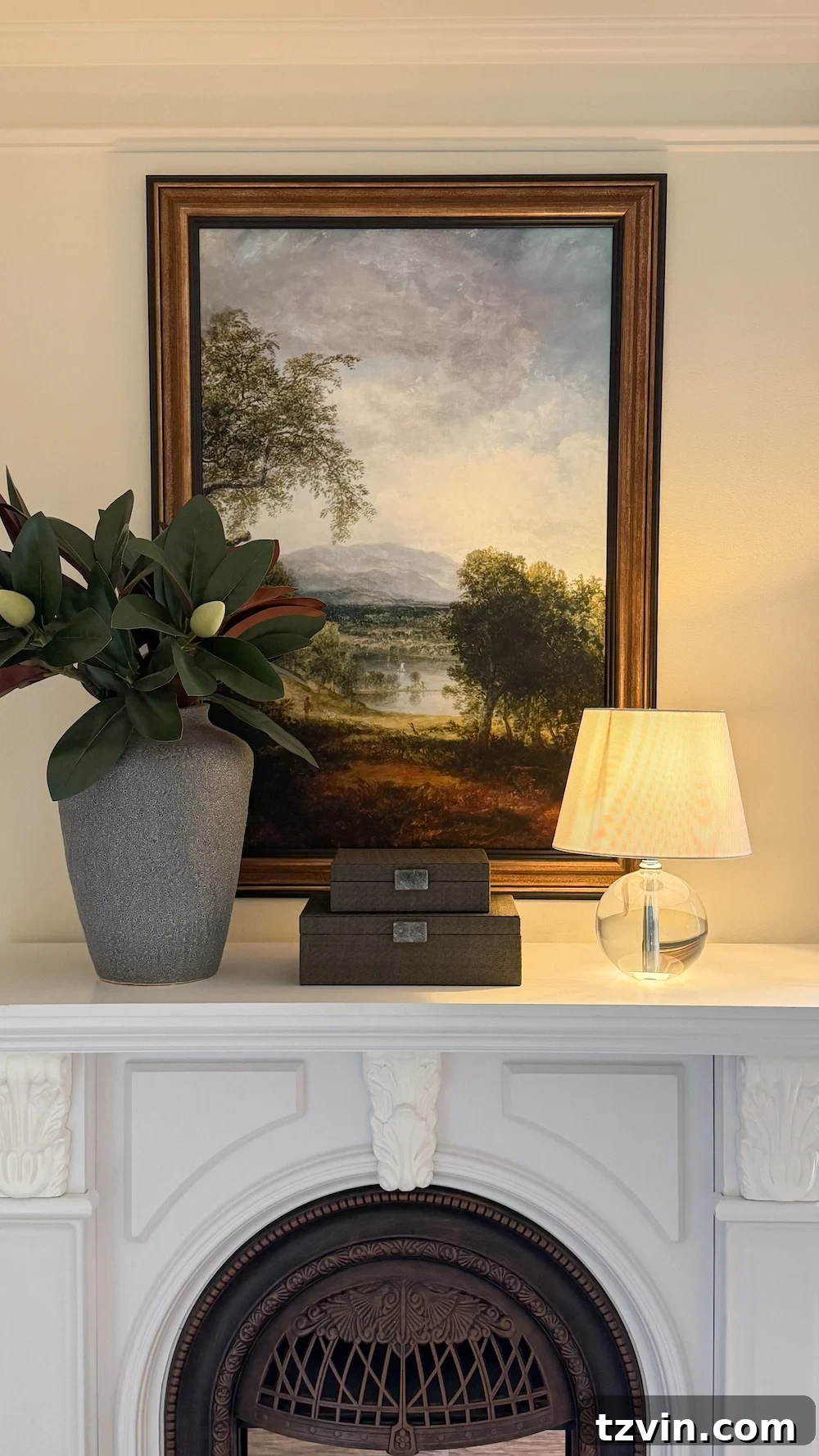
Accent lighting creates that warm, lived-in evening glow. It’s not always about visibility; it’s about atmosphere. We placed a chinoiserie lamp on the dresser and a small crystal lamp on the electric fireplace to illuminate architectural details and balance the room visually.
That small pool of light at the fireplace draws the eye and prevents that corner from disappearing into shadow — a small detail with a big impact.
Spread Your Lighting Around the Room
Don’t cluster all lamps on one side. Stand in the doorway and map where light sources sit. Little pockets of light spread throughout the room make the space feel balanced and cozy.
In this bedroom we used:
- The fandelier in the center
- Lamps and sconces around the bed
- A lamp on the dresser
- A small accent lamp by the fireplace
At night your eye moves from warm pool to warm pool, creating that layered, intentional effect.
Mix Different Types of Light Fixtures
Fixtures don’t need to match. Mixing chandeliers, wall sconces, table and floor lamps, pendants, and small accent lights makes a room look collected, not showroom-perfect. Coordinate finishes or shapes rather than buying identical sets — think cousins, not identical twins.
Don’t Forget Your Light Bulbs
A beautiful lamp can be ruined by the wrong bulb. For bedrooms and living rooms, choose warm light around 2700K–3000K for a soft, inviting glow. Pay attention to brightness: accent lamps should be softer, reading lights brighter, and overheads capable of full illumination when needed. This is another crucial part of layering.
Let Your Lighting Highlight the Pretty Stuff
Use lighting to guide the eye. Picture lights, small lamps, or under-cabinet lighting can emphasize art, shelves, architectural details, or a fireplace so those features don’t get lost in shadow. Lighting is both functional and directional.
How to Make a Lighting Plan for Any Room
Before buying another lamp, stand in the room and ask:
- What provides overall light? That’s your ambient layer.
- Where do I need light to actually do something? Reading, working, cooking — that’s task lighting.
- What do I want to highlight or make cozier? Dark corners, artwork, molding, or a fireplace — that’s accent lighting.
You don’t have to add everything at once. Start by moving what you already own around and see how the mood changes.
The Cozy Room Trick Might Be Lighting, Not More Decor
Lighting is one of the most underrated elements of decorating. When a room doesn’t feel right, our first reaction is usually to buy more stuff. Sometimes the space doesn’t need more items — it needs better lighting. Try a lamp in a dark corner, a small light to highlight a favorite object, or switch off the overhead and turn on several lamps tonight. You might be surprised how much warmer and more intentional your home feels.
Need more decorating help? Consider taking a course or following guided lessons to learn how to plan lighting and other design basics for your home.
More Lighting Tips
- Consider rated chandeliers and feasible fan-chandelier combinations.
- Choose the best light bulbs for each room.
- Repurpose unique items into fixtures for character.
- Try small, cozy lamps in bathrooms or showers where safe and practical.
Frequently Asked Questions
No. Mixing fixtures makes a space feel collected. Look for common threads like similar finishes, shapes, or colors rather than identical sets — coordinated cousins, not twins.
A common starting point is to place the center of a sconce about 60–66 inches from the floor. Function matters most: for bedside sconces, sit in bed and test the height so the light hits your reading spot without shining in your eyes.
For spaces where people walk underneath, aim for about 7 feet of clearance from the floor to the bottom of the chandelier. Over a dining table, hang roughly 30–36 inches above the tabletop for an 8-foot ceiling, adjusting upward for taller ceilings.
A simple rule: add the room’s length and width in feet, then use that number in inches as a starting point for diameter. For example, a 12′ x 14′ room totals 26, so a 26-inch fixture is a good scale reference.