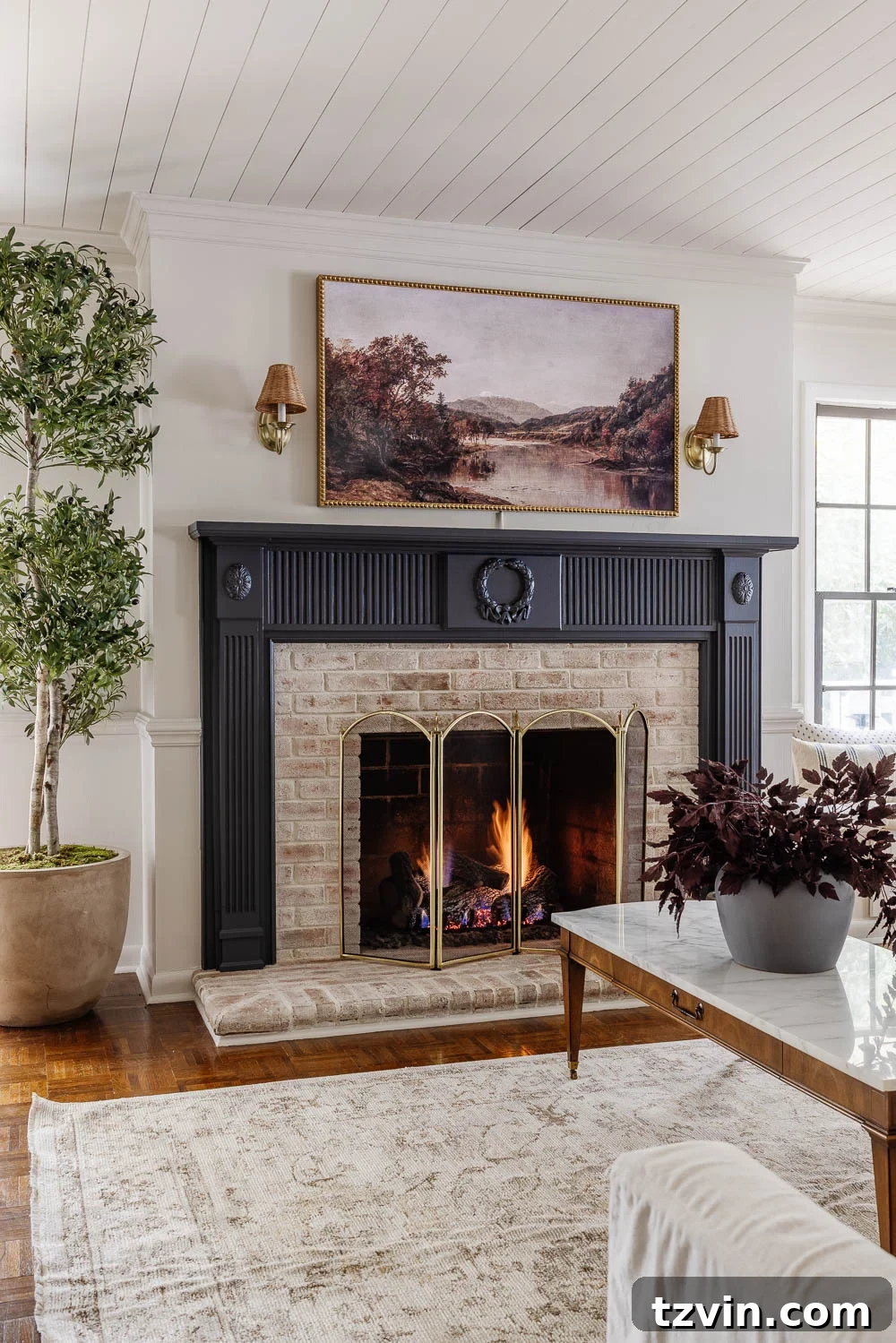
Mastering Seamless Home Design: Your Guide to a Cohesive & Harmonious Home
Have you ever walked from your living room into your kitchen and felt like you’ve stepped into a completely different house? Where each room operates independently, with its own unique color palette, textures, and style, creating a disjointed and often overwhelming experience? This is a common decorating dilemma that many homeowners face, and it’s a question frequently asked in design communities and workshops like our DIY Decorator School. The true art of home design lies in creating a cohesive atmosphere where every space, while distinct, unmistakably contributes to the same overarching story. Your home should feel like a well-composed symphony, not a chaotic collection of individual instruments playing different tunes.
Decorating your home should be an enjoyable and inspiring journey, not a source of stress or confusion. A beautifully designed home offers a sense of calm, comfort, and visual continuity that enhances daily living. It reflects your personality and provides a welcoming sanctuary for you and your guests. Today, we’re going to embark on a detailed exploration of how to decorate your entire home in a way that ensures a smooth, harmonious flow from one room to the next, transforming your living space into a truly unified and inviting haven.
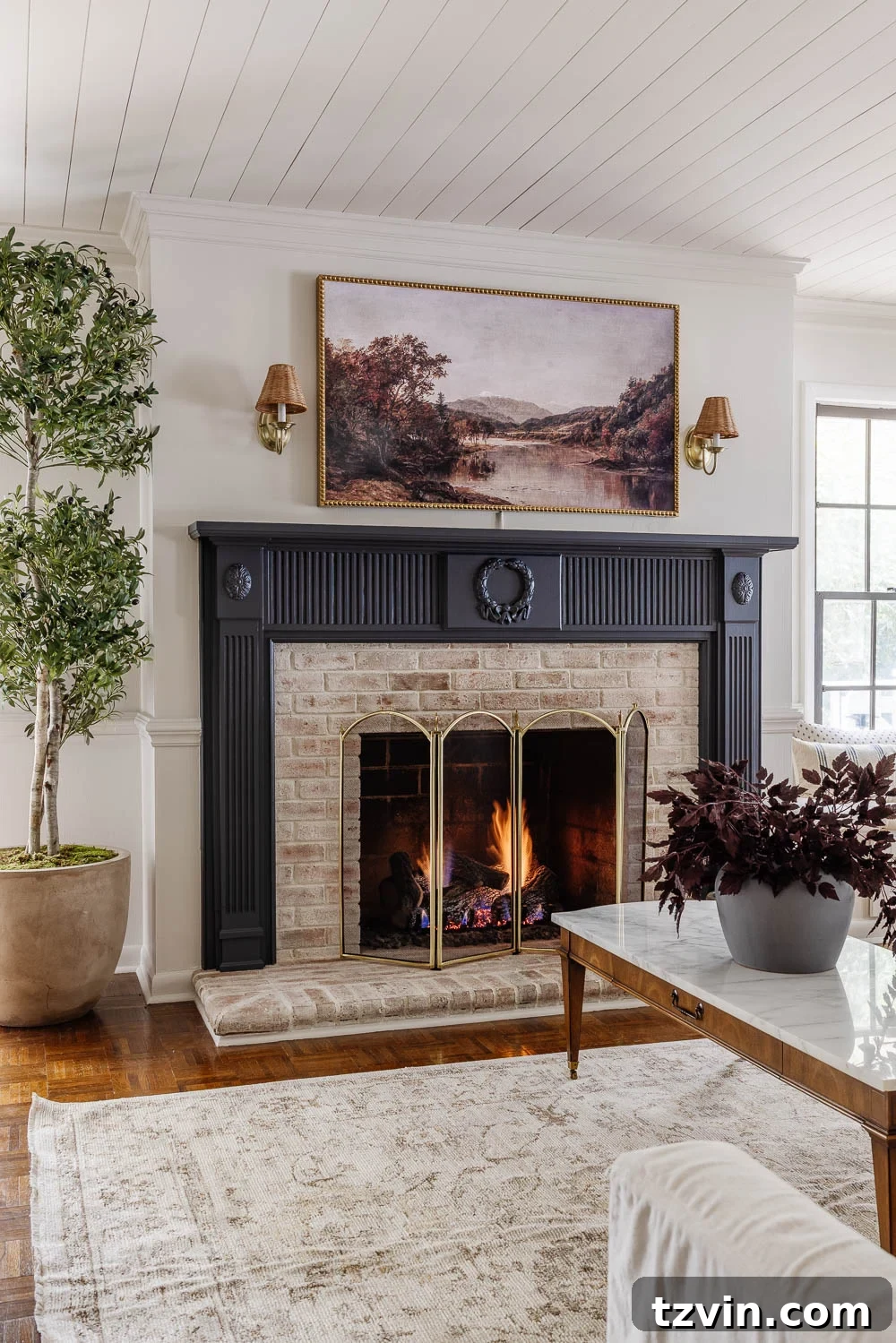
Related: Common Decorating Mistakes Most Homeowners Make and How to Avoid Them
1. Start With a Big-Picture Vision for Your Entire Home
Before you dive into selecting a new sofa, choosing paint colors, or hanging a piece of art, it’s essential to pause and adopt a holistic perspective. Think about the overarching feeling or mood you want your home to evoke. Do you envision a warm and cozy retreat, a calm and minimalist sanctuary, or a space rich with texture and collected treasures? Take a moment to define 2-4 key words that will serve as your guiding principles throughout the design process. These words—like “serene,” “vibrant,” “earthy,” or “modern classic”—will act as your compass, ensuring every decision aligns with your ultimate goal. If you find yourself struggling with this initial step, resources like the Style Identity 101 workshop can be incredibly helpful in pinpointing your unique aesthetic.
Once you have your guiding words, begin to build a visual representation of your vision. This could be a physical mood board filled with fabric swatches, paint chips, and magazine clippings, or a digital Pinterest board curated with inspirational rooms, furniture pieces, textures, and color schemes. The purpose of this board isn’t to create a rigid blueprint, but rather a flexible framework that allows your design choices to orbit around a consistent and coherent aesthetic. This vision board will become your ultimate filter. Whenever you encounter an item you like, ask yourself: “Does this truly resonate with the mood and style I’m aiming for?” If the answer is yes, embrace it. If not, be prepared to pass on it, or consider how it might be subtly tweaked to fit your established theme. This disciplined approach prevents impulsive purchases that can lead to a cluttered and incoherent home.
2. Choose a Core Palette for Seamless Color Flow
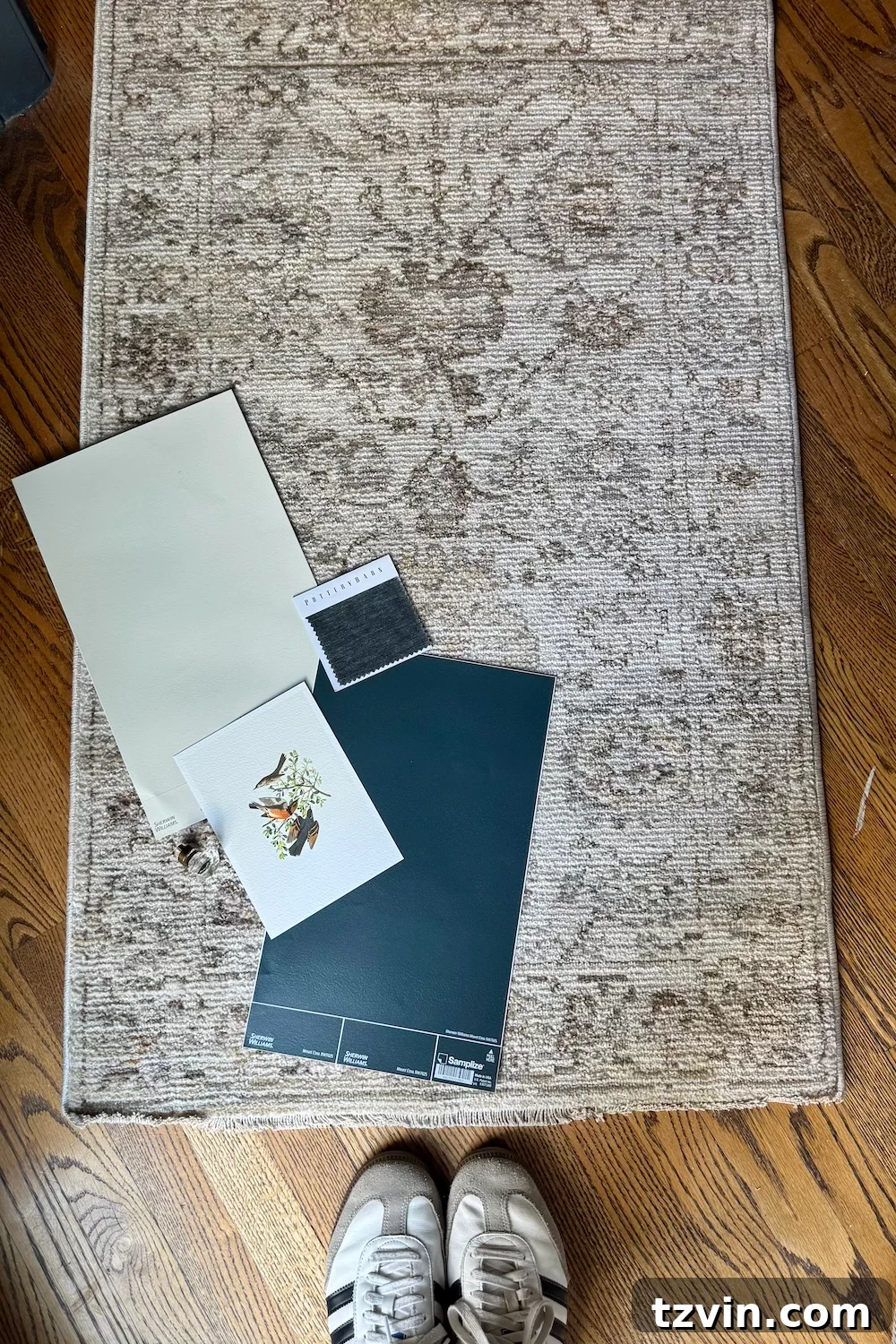
Color is one of the most powerful tools for creating visual continuity and tying different spaces together beautifully. However, achieving a cohesive look doesn’t mean every room must be painted the exact same shade. The key lies in consistency: maintaining similar undertones across your chosen colors and strategically sprinkling recurring accent hues throughout your home. This approach allows each room to have its own personality while remaining undeniably part of the same design family.
- Establish a Neutral Foundation: Begin by selecting one or two neutral base colors for significant elements like walls, trim, and ceilings. Think about versatile shades such as soft off-whites, calming greys, or warm beiges. The goal is to choose a neutral that harmonizes effortlessly across all spaces, providing a quiet backdrop for your accent colors and furnishings. Consider the natural light in your home and how these neutrals will appear in different settings.
- Introduce Complementary Accent Hues: Once your neutrals are set, select 2-3 accent colors (or even just one vibrant accent paired with various neutrals) that you will subtly weave through every space. Perhaps a muted sage green could appear in throw pillows, or a warm terracotta might be introduced in small decorative objects. The trick is to use these accents sparingly and intentionally, allowing them to pop and recede as you move from room to room, creating visual interest without overwhelming the senses.
- Harmonize Metallics and Finishes: Don’t overlook the impact of consistent metallics and finishes. Choose one or two dominant metal finishes—such as brushed brass, matte black, polished nickel, or oil-rubbed bronze—and lean on them consistently throughout your home. This consistency extends to door hardware, light fixtures, plumbing fixtures, and decorative accessories. A unified approach to finishes adds a layer of sophistication and ensures that even the smallest details contribute to the overall cohesive feel.
- Vary Depth, Maintain Undertone: To add dynamism while preserving cohesion, vary the depth or intensity of your chosen colors rather than introducing entirely new undertones. Explore lighter or darker versions of your core colors from room to room. Think of a paint swatch strip: it features varying shades within the same color family. Utilizing these related shades allows you to create depth and interest without disrupting the harmonious flow of your palette. This ensures that while a room might feel different, it still speaks the same color language as its neighbors.
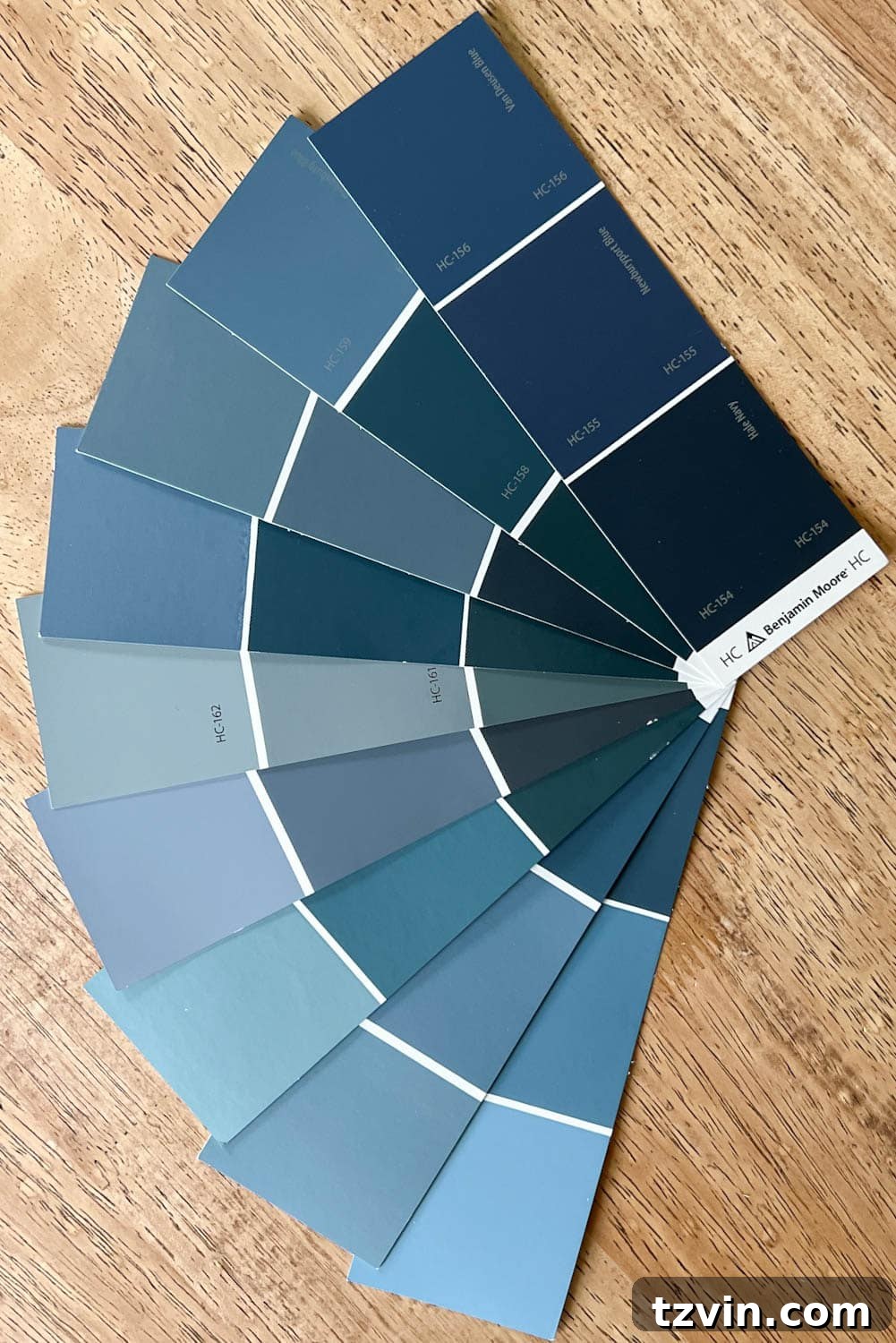
A carefully chosen and consistently applied color palette acts as your home’s unique design DNA, appearing in various forms and intensities in each room, creating a subtle yet powerful sense of unity.
Related: Our Calming Whole House Paint Color Palette
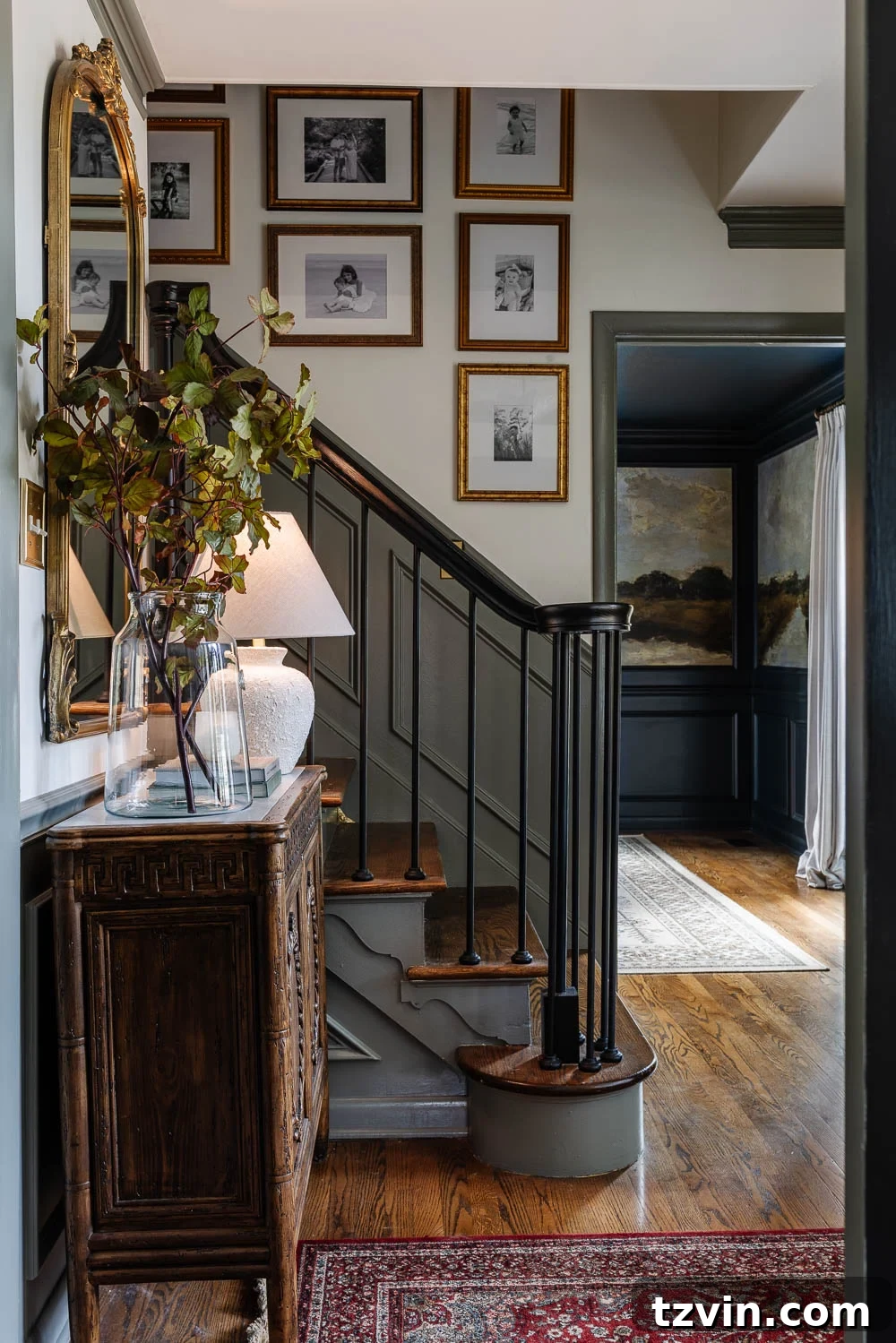
3. Repeat & Echo Key Design Elements Throughout Your Space
To truly make your rooms feel like harmonious siblings rather than unrelated strangers, the strategic repetition and echoing of key design elements is paramount. This technique builds subtle bridges between spaces, creating a subconscious sense of unity and thoughtful design.
- Consistent Architectural Details: Where possible, maintain consistency in architectural elements such as door styles, millwork, and trim profiles. Wildly different baseboards, crown molding, or interior doors in every room can create a choppy, disjointed feel. Aim for a unified approach to these structural details to establish a foundational sense of coherence.
- Harmonious Materials and Surfaces: If you incorporate natural elements like wood, stone, or rattan, strive to keep them within a related family of tones, grains, or textures throughout your home. For example, if you feature light oak in one room, consider incorporating similar light wood tones in other areas. This doesn’t mean identical items, but rather a consistent material language.
- Recurring Textiles & Patterns: Introduce signature textiles or patterns that appear in more than one room. This could be the soft drape of linen curtains, the organic texture of jute rugs, or a subtle recurring pattern like classic stripes or a botanical motif. The goal is not to match everything precisely, but to echo similar sensibilities. Let each item retain its unique character, but ensure it speaks the same design language as other textiles in your home.
- Unified Hardware & Lighting Styles: Using the same style or finish of light fixtures, door handles, and cabinet hardware in multiple rooms is an incredibly effective way to connect spaces visually. This consistency guides the eye from one area to the next, reinforcing the idea that these rooms belong together. For instance, if you choose minimalist black hardware in the kitchen, consider repeating that style in a bathroom or hallway.
- Intentional Decor Accents: Sprinkle similar accent shapes, materials, or types of decorative objects throughout your home. Whether it’s a collection of ceramic vases, a specific style of woven baskets, or framed abstract prints, these recurring elements will feel intentional and carefully curated rather than accidental. This subtle repetition creates a visual rhythm that unifies your entire home.
The ultimate objective here is not to create monotony or a sterile, matchy-matchy environment. Instead, it’s about fostering a profound sense of harmony where each room celebrates its individuality while simultaneously participating in a larger, shared design narrative.
Related: Classic Interior Design Trends That Never Go Out of Style
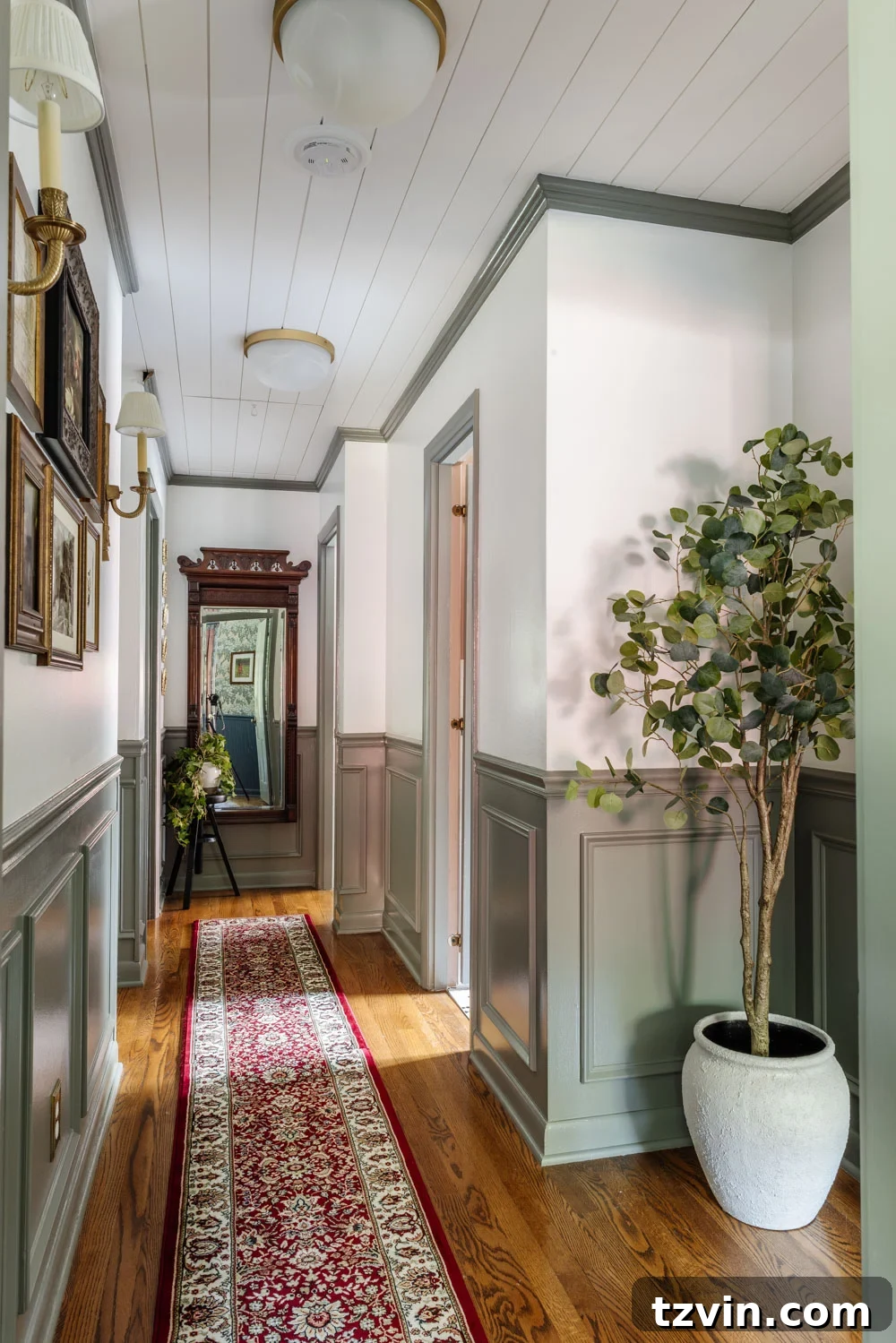
4. Strategically Design Transition Zones for Seamless Flow
Hallways, stair landings, foyers, and doorways are often overlooked, yet they are your secret design superpowers. These transition zones are the vital connectors between your main living spaces, and when designed strategically, they play a crucial role in enhancing the cohesive flow of your entire home. Instead of treating them as mere pass-throughs, view them as opportunities to gently guide the eye and reinforce your home’s overall design narrative.
- Bridge Colors in Walls or Trim: Utilize paint colors in these areas that act as a visual bridge between the adjacent rooms. If one room is a soft grey and the next is a warm beige, choose a transitional shade for the hallway that incorporates undertones from both, smoothly easing the visual shift. This can be a slightly deeper neutral or a lighter tint that complements both.
- Rugs and Runners as Connectors: Employ rugs or runners in your transition zones that carry elements of your core color palette or signature patterns from one room to the next. A long runner in a hallway, for instance, can feature a color or texture found in the living room and echo it in the dining room, physically and visually linking the spaces.
- Art as a Thematic Link: Select artwork for your hallways or foyers that includes tones, themes, or even subjects from nearby rooms. This creates a subtle narrative that flows through your home, indicating that while you’re moving to a new space, you’re still very much within the same story. A piece of art with an accent color repeated elsewhere is particularly effective.
- Consistent or Complementary Flooring: Maintaining consistent flooring throughout open areas and transition zones is one of the most impactful ways to create flow. If different flooring types are necessary, ensure they are complementary in tone and material, avoiding stark, abrupt changes that can visually chop up your home. Consider how the grout lines or wood grain run to enhance this sense of continuity.
- Curated Vignettes: Consider placing a small console table or a carefully curated vignette in a hallway or foyer. This can introduce decorative elements that hint at what’s to come in the next room, or tie back to a central theme, acting as a mini-preview or a subtle reminder of the home’s overall style.
These transitional spaces are not afterthoughts; they are essential design opportunities to softly signal to anyone moving through your home, “Hey, we’re still very much in the same beautiful house, and the journey continues seamlessly.”
Related: 30 Ways to Make Your House Look Expensive on a Budget
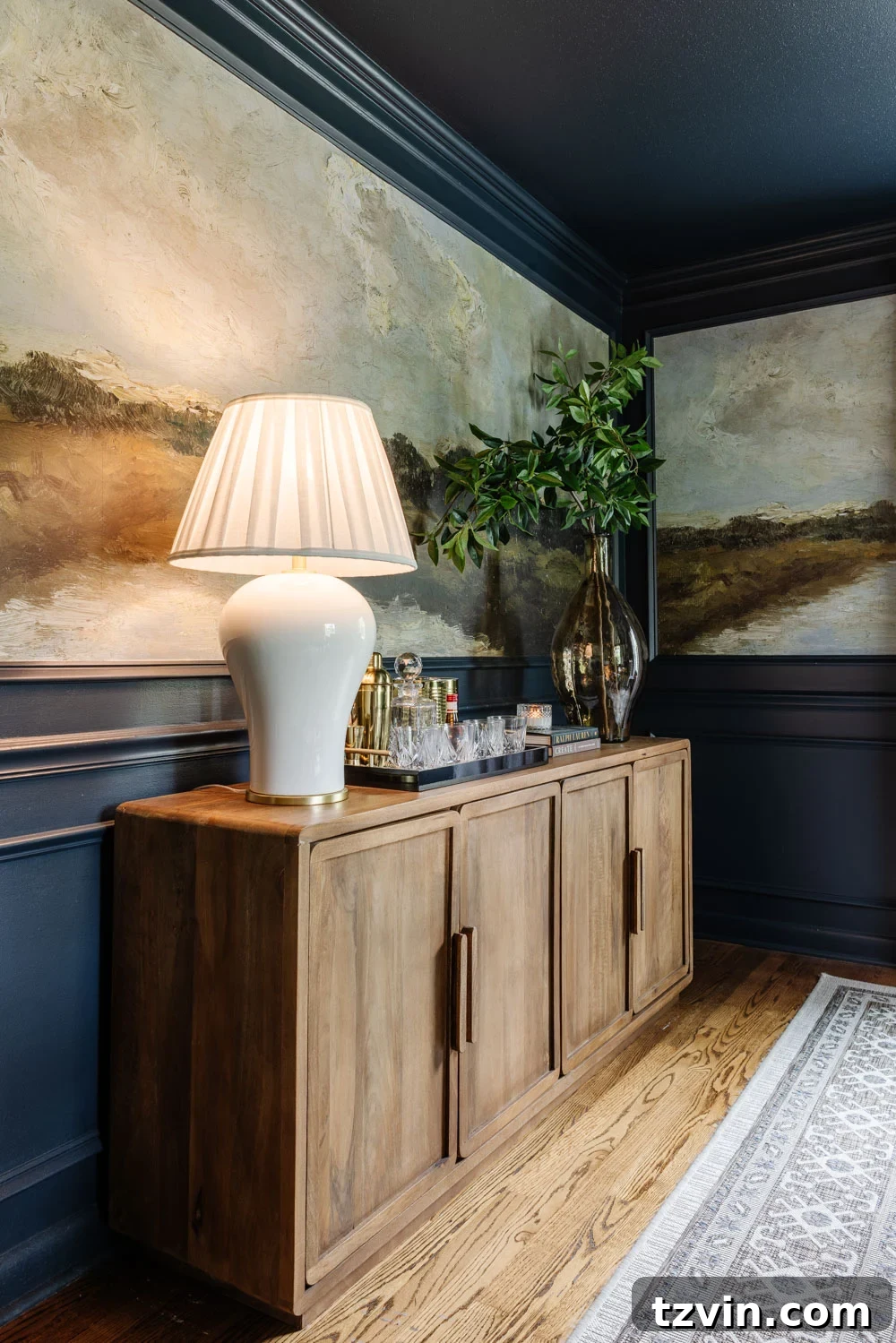
5. Mind the Flow & Layout of Your Furniture and Pathways
Think of your home as a guided tour. The way you arrange furniture, define pathways, and place rugs profoundly impacts whether your rooms feel connected and inviting or awkward and disconnected. A well-considered layout is fundamental to achieving a cohesive home that flows effortlessly from one space to the next.
- Conduct a Walk-Through Test: Physically walk from room to room, paying close attention to your movement and sightlines. Is the path clear and easy to navigate? Does your eye land on anything jarring, cluttered, or out of place as you transition? Are there any bottlenecks or areas that feel cramped? This exercise often reveals layout issues that aren’t apparent on paper.
- Rugs as Space Defines, Not Disruptors: Area rugs are excellent for defining zones within a room, but they should enhance, not disrupt, the flow. Avoid awkward overlaps between rugs in adjacent rooms or placing rugs with weird edges that cut into a natural walkway. Ensure rugs are appropriately sized for their space, allowing for clear pathways around them. In open-concept areas, rugs can subtly delineate living, dining, or seating zones without physically blocking them.
- Avoid Dominant, Disconnected Pieces: While a statement piece can be fantastic, be cautious of allowing one bold furniture item or art piece to completely dominate a room and scream “This is a totally different house!” unless that is your explicit design intention for a specific, isolated space. In a cohesive home, even statement pieces should echo some element of the broader design, whether it’s a color, a texture, or a particular style.
- Delineate Zones in Open-Concept Layouts: For homes with open-concept designs, furniture placement, strategic use of color, and varying rug sizes are crucial for subtly delineating different functional zones without creating visual barriers. Arrange seating groups to face each other or a central focal point, use console tables as gentle dividers, and let rugs define the boundaries of each ‘room’ within the larger space. The goal is to create distinct areas that still feel interconnected and breathable.
Remember, if your home’s layout feels awkward, choppy, or simply “off,” often the solution lies in editing or rearranging your existing pieces rather than rushing to make new purchases. A thoughtful re-evaluation of your furniture placement can restore harmony and enhance flow more effectively than any new decor item.
Related: How to Decorate a Room From Start to Finish in 13 Steps
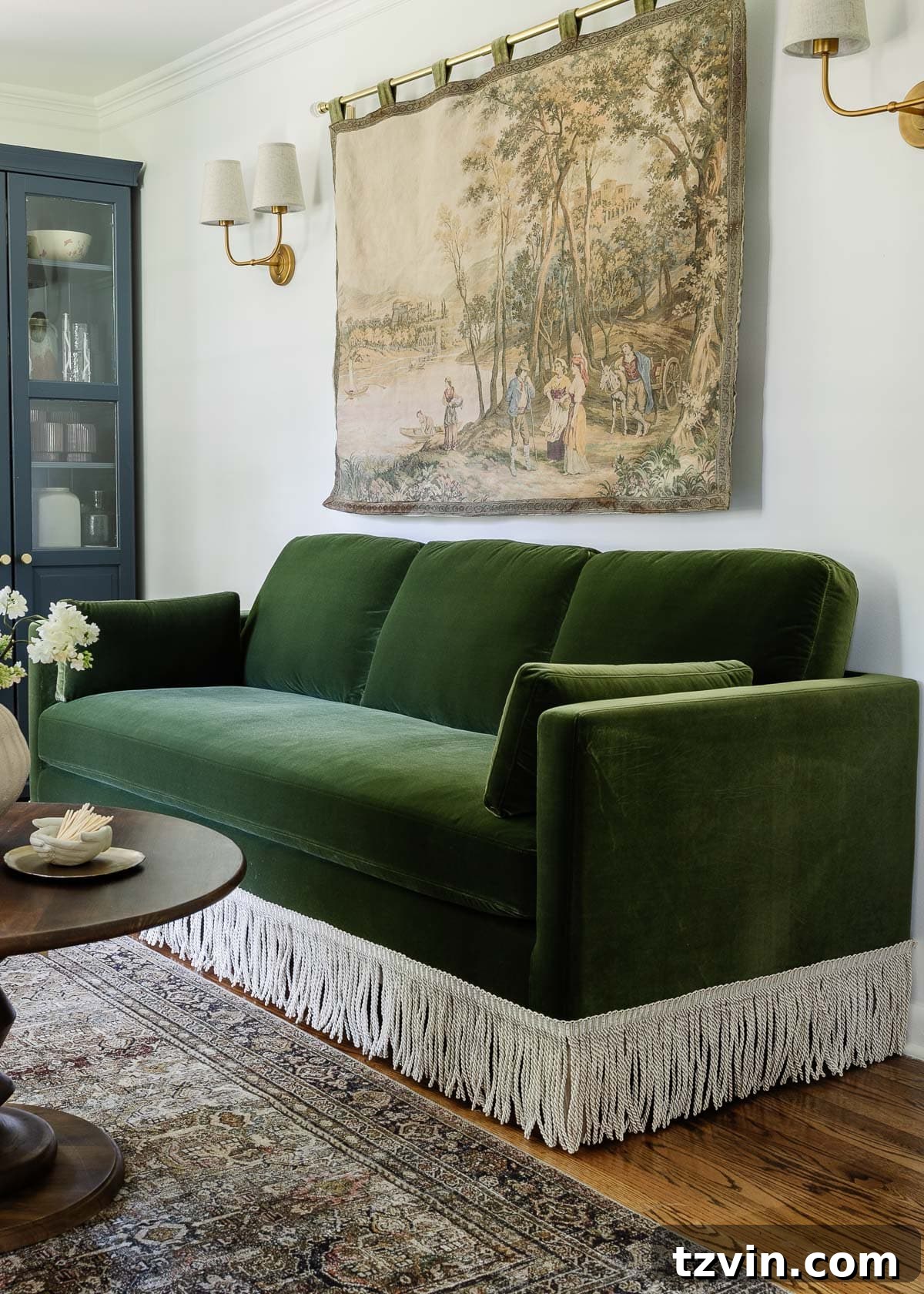
6. Let Your Personality Be the Tie That Binds Your Home’s Style
Achieving design consistency absolutely does not equate to bland uniformity. In fact, a cohesive home is far more compelling and authentic when every space genuinely feels like *you*. Injecting your unique personality while maintaining overall coherence is the hallmark of truly great design. It’s about creating a home that tells your story, rather than just following a trend.
- Dominant Style with Supporting Accents: Identify your primary design style—whether it’s modern farmhouse, coastal, traditional, minimalist, or eclectic. This will be the foundation. Then, feel free to sprinkle in supporting styles or elements (vintage finds, artisanal crafts, industrial accents) that complement your dominant theme. The key to mixing styles successfully is ensuring that scale, finishes, and the overall balance of pieces are intentional and thoughtfully considered. Think of the 70/30 rule: 70% your main style, 30% complementary accents.
- Mindful Scale and Proportion: If you have a penchant for large statement pieces, ensure they feel at home by echoing a similar scale or aesthetic in other rooms. A towering bookshelf in one room might be balanced by a grand piece of art or an oversized light fixture elsewhere. Consistent attention to scale prevents any single item from feeling out of place or disproportionate to its surroundings.
- Curate with Intention: Every single item in your home should serve a purpose, either visually or functionally. Before bringing something new into your space, or even simply moving an existing item, ask yourself if it contributes positively to the overall vision. If a piece feels ‘off’ or doesn’t spark joy, try relocating it to a more suitable spot, or consider if it truly belongs in your home at all.
- Edit Ruthlessly and Regularly: The power of editing cannot be overstated. Sometimes, the most impactful design decision is to remove a piece rather than add one. Decluttering and simplifying can give your rooms breathing space, allowing the truly cherished and intentional pieces to shine. Regular editing keeps your home fresh, purposeful, and free from visual noise.
- Build in Layers: Approach your decorating in layers. Begin with the foundational elements: large furniture pieces, area rugs, and primary lighting. Once these essentials are in place, gradually layer in texture through textiles (throw blankets, pillows), then add decorative objects, art, and personal mementos. This layered approach adds depth, warmth, and complexity without descending into visual chaos.
Related: 40 Cheap Decor Ideas to Improve Your Home for Under $100
7. Be Patient. Cohesion and Harmony Take Time.
Let’s be honest: creating a truly cohesive and harmonious home is rarely a project completed in a single weekend or even a few weeks. It is, by its very nature, an evolutionary process. Most homes, even those designed by professionals, develop and refine their aesthetic room by room, often over the course of many years. Embrace this journey, rather than rushing through it.
As you make changes, acquire new pieces, or consider a renovation, consistently bring your big-picture vision and mood board back to the forefront of your mind. Before committing to a purchase or a design choice, ask yourself: “Does this new addition genuinely feel like it belongs to the same family as what I already have? Does it align with the guiding words and aesthetic I’ve defined for my home?” If the answer is a resounding yes, then it’s likely a perfect fit. If there’s hesitation, or a clear disconnect, be prepared to store it away, adapt it to better suit your style, or perhaps pass it on to someone who will truly appreciate it in their own space. This thoughtful, iterative process is what builds a cohesive home, piece by careful piece.
Remember that homes are living, breathing entities. They will always undergo shifts and changes. Your tastes might evolve, you might discover a new style you love, or you may simply decide to swap out an old piece for something fresh. And that is perfectly okay. Cohesion doesn’t demand that everything must match perfectly or be permanently static. Instead, it signifies that everything, despite its individual charm or purpose, feels intrinsically connected and belongs within the broader narrative of your home. It’s about creating a collection of spaces that feel unified and intentional, even as they grow and adapt with you.
When you diligently follow these core design principles – starting with a clear vision, establishing a consistent color palette and material language, strategically repeating and echoing key elements, thoughtfully designing transition zones, minding the flow and layout of your space, and allowing your unique personality to be the unifying force – you will slowly but surely witness your home transform. It will evolve from a collection of isolated rooms into a cohesive, flowing sanctuary.
One day, you’ll walk from your front door through to your bedroom, and it won’t feel like a jumble of disparate spaces. Instead, it will unfold like a single, beautifully flowing narrative, each chapter complementing the last. And that, my friend, is truly the best feeling in the world – the profound satisfaction of knowing your journey of style self-discovery has finally culminated in a home that feels entirely, beautifully, and cohesively yours.
Want More Expert Decorating Help?
Ready to take your home design to the next level? Explore these valuable resources:
- Join DIY Decorator School™: Unlock your inner decorator with our comprehensive courses and community support.
- Steal My Room Visualizer Prompt: Learn how to leverage AI tools to visualize your dream spaces.
- Decorating Mistakes Most Homeowners Make: Avoid common pitfalls and create a more polished, professional look.