
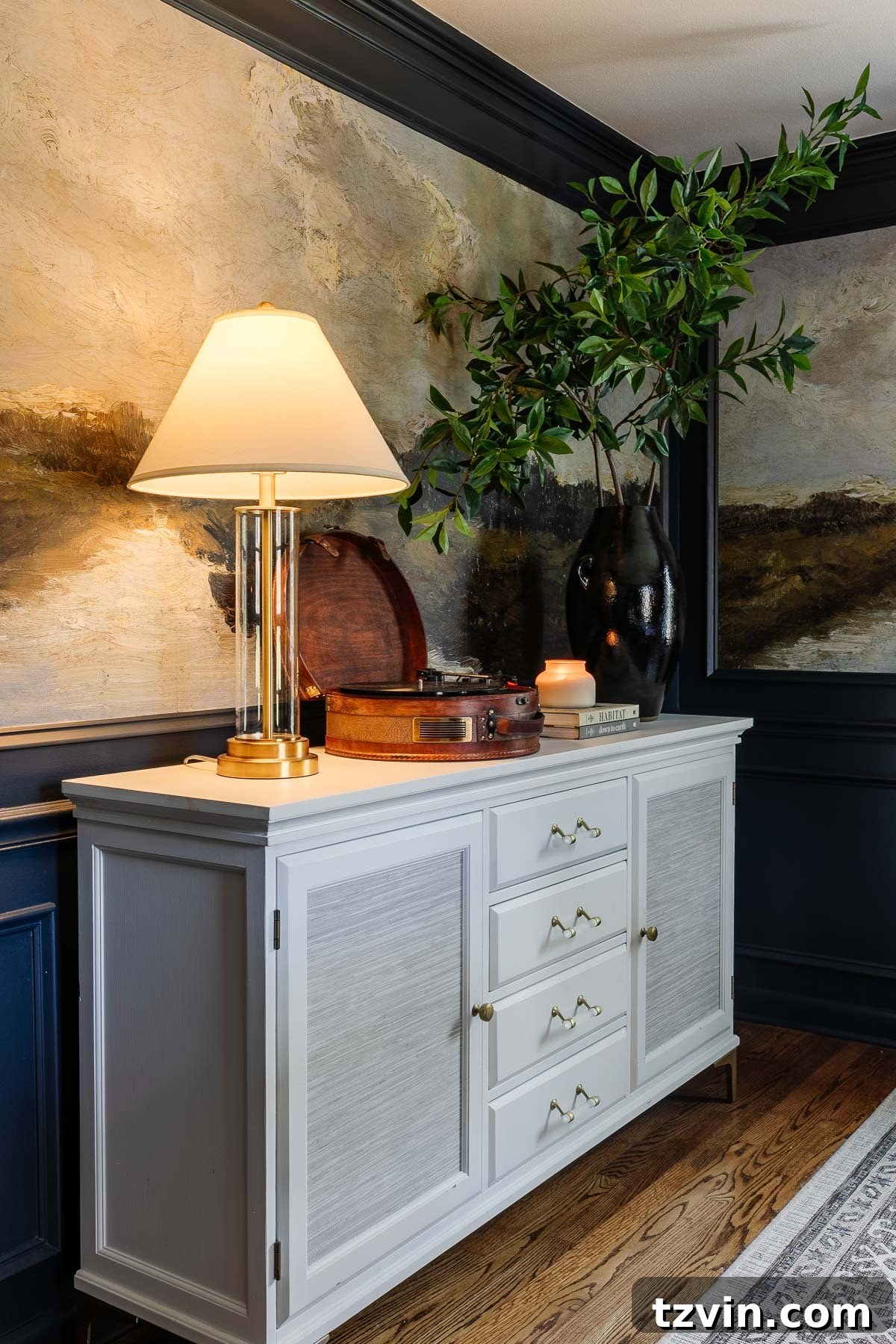
The gentle descent of the sun earlier in the evening often signals the end of summer days, bringing with it a subtle shift in our routines and home environments. While the thought of shorter days might evoke a touch of melancholy for some, for others, it heralds the much-anticipated return of “cozy lamp season.” This time of year transforms our homes into inviting sanctuaries, largely thanks to the strategic use of lighting. It’s a reminder that even as natural light wanes, we have the power to infuse our spaces with warmth and comfort.
In countless conversations and direct messages across platforms like Instagram, one question consistently surfaces, often with a hint of bewilderment: “What light bulb should I actually use?” It seems like a simple query, yet the answer holds the key to unlocking the true potential of your home’s ambiance and functionality. This article aims to demystify the world of light bulbs, guiding you through the essential concepts to make informed choices for every room in your house.
Living Room Decor Sources
As an Amazon Associate, I earn from qualifying purchases. Full disclosure
Related Reading: Explore our comprehensive test of the 4 Best Flame Light Bulbs here.
Why Lighting Matters: More Than Just Brightness
It’s truly astounding how a seemingly minor detail, such as the choice of a light bulb, can profoundly influence the perception and utility of an entire room. Think about it: what kind of lighting springs to mind when you picture a bustling hospital waiting room? Most likely, stark, bright white light that feels sterile and functional, designed for clarity and alertness rather than comfort.
Now, shift your focus to a romantic, intimate restaurant. The lighting is almost certainly soft, warm, and dim, carefully crafted to foster a relaxed and inviting atmosphere. This stark contrast highlights a fundamental truth: the type of light bulbs you select can completely transform how a space feels and functions. Lighting plays a powerful role in our subconscious, setting moods, influencing productivity, and creating intentional experiences within our homes. It’s not merely about illumination; it’s about sensation, emotion, and purpose.
Spoiler Alert: For versatility and exceptional performance, these adjustable color temperature light bulbs are my top recommendation for almost any space. They offer dimmable functionality and the ability to switch between warm and cool tones, all at an incredibly affordable price point of around $3 per bulb.
Setting the Mood with Light Bulb Choices: A Transformative Impact
To truly grasp the impact of light bulb choices, consider a recent project: a meeting room makeover we undertook for a local women’s shelter. Initially, the room felt cold and unwelcoming, dominated by harsh 5000K “daylight” bulbs. This cool, blue-toned light, while bright, created an uninviting, almost sterile environment.
Given that this space was vital for counseling and aimed to provide comfort and solace, we made a crucial change: we swapped out the bulbs for 3000K “soft white” lights. The transformation was remarkable. The warmer light instantly softened the room, evoking a “coffee shop” ambiance where individuals could feel significantly more relaxed and supported during sensitive discussions. This project perfectly illustrates how a simple change in lighting can fundamentally alter the emotional resonance of a space.
View the Full Meeting Room Makeover Details
Creating the perfect ambiance in your home is an art, and lighting is undoubtedly the most powerful brushstroke. The right light bulb has the ability to transform a sterile area into a cozy nook, inject vibrancy into a dull corner, or even make a small room feel more expansive. However, with the vast array of options available today – from different types of bulbs to various specifications – choosing the ideal light can feel overwhelming. Don’t worry, we’re here to illuminate the path forward.
Below, you’ll find comprehensive guidance and practical tips to empower you in making the best lighting choices for every unique space within your home, ensuring both aesthetic appeal and optimal functionality.
Further Inspiration: Discover Budget-Friendly DIY Home Media Room Ideas
Understanding Light Bulb Terminology: Lumens, Kelvin, and Watts
Before diving into specific room recommendations, it’s crucial to grasp the fundamental metrics used to describe light bulbs. For decades, wattage was our primary guide, but with the advent of energy-efficient LED technology, lumens and Kelvin have become far more important indicators. Let’s break down these key terms.
Lumens: Measuring Brightness for Optimal Illumination
Lumens (lm) are the true measure of a light bulb’s brightness. Unlike watts, which tell you how much energy a bulb consumes, lumens indicate how much visible light is produced. The higher the lumen count, the brighter the light output. This shift in measurement is particularly important with LED bulbs, as they can produce the same or greater brightness as old incandescent bulbs using significantly less energy.
When selecting bulbs, consider the desired brightness for each specific activity in a room. For example, a 450-lumen bulb delivers a light output roughly equivalent to a traditional 40-watt incandescent bulb. For functional areas like a kitchen, laundry room, or home office, where tasks require clear visibility, you’ll typically need brighter bulbs, ranging from 800 to 1,100 lumens. Conversely, for spaces dedicated to relaxation and comfort, such as a bedroom or living room, a softer, more intimate glow (around 450-800 lumens) will create a more comfortable and inviting atmosphere.
Convenience Alert: See our top picks for The Best Wireless Lights from Amazon
Kelvin (K): Unlocking Color Temperature and Ambiance
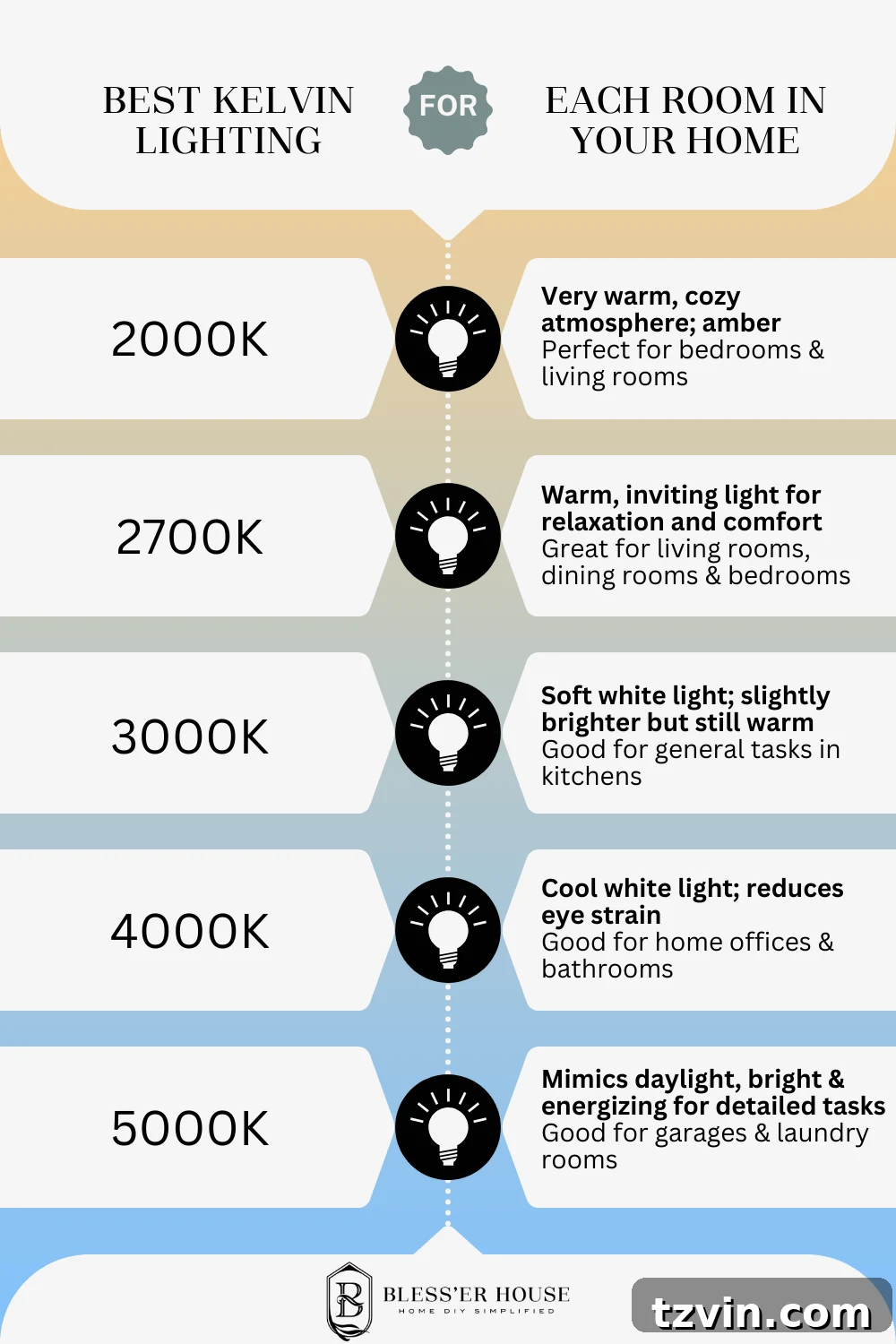
The Kelvin (K) scale measures the color temperature of light, essentially telling you whether the light appears warm or cool. This is where the magic of mood-setting truly happens. A lower Kelvin number indicates a warmer light, appearing more yellow or orange, akin to the glow of a candlelight or an old incandescent bulb. As the Kelvin number increases, the light becomes cooler, moving towards crisp white and eventually blue, like natural daylight or fluorescent office lighting.
For spaces where you want to foster a cozy, inviting, and relaxed feel, such as living rooms, dining rooms, or bedrooms, aim for bulbs in the 2,700-3,000K range. These “soft white” or “warm white” lights are incredibly popular for residential settings because they create a comfortable and welcoming glow.
For task-oriented areas like kitchens, bathrooms, or home offices, where clarity and focus are paramount, a cooler temperature of 3,500-4,000K is often preferred. This “neutral white” or “cool white” light helps with visibility and alertness. While some might suggest 5,000K (“daylight”) for these areas, personally, I find anything above 4,000K to be too blue and somewhat harsh for most home interiors. I tend to lean more towards the 3500-4000K range for practical rooms, ensuring brightness without sacrificing a touch of warmth.
In our media room, for instance, we intentionally opted for (soft white) 3000K light bulbs in many fixtures to ensure the space feels consistently cozy and perfect for unwinding.
Sources for this Media Room
However, for specific tasks requiring heightened visibility, we do have (daylight) 5000K light bulbs installed in the can lights of the same media room. While effective for task lighting, I’ve found them to be a tad too blue for my overall preference, and I’m planning to transition these to 4000K light bulbs for a better balance of brightness and color warmth.
Creative Lighting Ideas: Learn how to make a DIY Light Fixture from a Repurposed Sunburst Mirror
Watts: Understanding Energy Consumption (and Why LEDs Changed Everything)
Historically, watts (W) were the primary unit we looked at when buying light bulbs. Watts measure the amount of electrical power a bulb consumes, indicating its energy appetite. In the era of incandescent bulbs, higher wattage directly correlated with greater light output and, unfortunately, more heat and higher electricity bills.
With the widespread adoption of LED (Light Emitting Diode) bulbs, wattage has become far less of a concern for brightness and more about energy efficiency. LEDs consume significantly less power to produce the same amount of light as their incandescent predecessors. For example, an LED bulb using just 5-15 watts can often generate as much light as a traditional incandescent bulb consuming 40-100 watts. This drastic reduction in energy consumption makes LEDs a superior choice for both your wallet and the environment.
While wattage is no longer the primary factor for brightness (that’s what lumens are for!), it’s still important to be mindful of it, especially regarding fixture compatibility. Ensure that the wattage of your chosen LED bulb does not exceed the maximum wattage rating of your light fixture, although with LEDs, this is rarely an issue due to their low power draw.
Crafting the Perfect Atmosphere: Light Bulb Recommendations for Every Room
Now that you’re familiar with lumens, Kelvin, and watts, let’s explore specific recommendations for each area of your home. Tailoring your lighting to the function and desired mood of each room is essential for creating a truly harmonious living space.
Living Room: Creating a Cozy and Inviting Retreat
The living room is often the heart of the home, a place for relaxation, entertainment, and gathering with loved ones. For this reason, soft, warm lighting is paramount. Opt for dimmable LED bulbs with a color temperature between 2,000K and 3,000K. This range will produce a comfortable, golden glow that encourages unwinding and conversation. A brightness level of 800-1,100 lumens per bulb (or across multiple light sources) allows for flexible illumination, easily adjusted to suit different activities, from reading to movie nights. Dimmers are crucial here, offering the ultimate control over ambiance.
Upgrade Your Ceiling Fan: See our guide on Best Rated Fandeliers + DIY Ceiling Fan Makeover
Decor Sources for this Fall Living Room
Kitchen: Brightness and Clarity for Culinary Tasks
The kitchen is a highly functional space where precision and visibility are key. You’ll need bright, clear lighting to safely and efficiently handle meal preparation, cooking, and cleaning. Aim for a higher lumen count, typically between 1,100 and 1,600 lumens, to ensure adequate illumination across countertops and workspaces. Regarding color temperature, a cooler range of 3,000K to 4,000K (neutral to cool white) is ideal. This type of LED lighting provides excellent color rendition, ensuring that food appears true-to-color and reducing eye strain during intricate tasks. Consider layering different types of kitchen lighting, such as overhead fixtures combined with under-cabinet lighting, for optimal coverage.
DIY Project Idea: Check out our Cordless DIY Mini Lamp Using a Thrifted Terracotta Vase
Sources from this Budget Kitchen Refresh
Dining Room: Setting the Scene for Memorable Meals
The dining room is a place for shared meals, celebrations, and intimate conversations. Lighting here should be inviting and adaptable. A warm light temperature of 2,700K to 3,000K creates an elegant and relaxed mood, making guests feel comfortable and food look appealing. Dimmable LED bulbs, typically around 800-1,100 lumens, are ideal, especially when housed in a stylish chandelier or pendant fixture above the dining table. The ability to dim the lights allows you to transition from a brighter setting for family dinners to a softer, more romantic glow for special occasions. Accent lighting, such as lamps on a buffet or sconces, can further enhance the room’s depth and atmosphere.
Design Tip: Explore Inexpensive Designer Dupe Lamps for your dining room.
Sources for this Dining Room Design
Bedroom: Cultivating Serenity and Relaxation
The bedroom is your personal sanctuary, a space designed for rest, relaxation, and rejuvenation. The lighting here should reflect that purpose. Employ soft, very warm light (2,000K-2,700K) to promote a calm and soothing environment conducive to sleep. Dimmable bulbs are essential, allowing you to gradually adjust the light from a brighter setting for dressing to a gentle glow for winding down. Aim for bulbs in the 450-800 lumen range for ambient lighting. Consider bedside lamps with adjustable light for reading without disturbing a partner, and avoid overly bright overhead fixtures that can disrupt your circadian rhythm.
Bedside Lighting Ideas: Explore 32 Best Vintage Wall Sconces for All Budgets in Every Room
Sources for this Modern Bedroom Design
Bathroom: Optimal Lighting for Grooming and Refreshment
Bathroom lighting needs to be bright and clear to facilitate grooming tasks like makeup application, shaving, and skincare, ensuring accurate color perception. Choose bulbs with a color temperature of 3,000K to 4,000K (neutral to cool white) and a brightness of 800-1,100 lumens. “Daylight” or “cool white” LED bulbs are particularly effective here, especially in windowless bathrooms where natural light is absent. Position vanity lights around mirrors at eye level to minimize shadows, and supplement with overhead lighting for overall illumination. Avoid overly yellow or blue tones, which can distort reflections.
Sources for this DIY Half Bath Makeover
Home Office: Boosting Productivity and Reducing Eye Strain
In a home office, lighting should promote concentration and minimize eye strain during long hours of work. Select bright bulbs with a cooler color temperature, ranging from 4,000K to 5,000K. This “cool white” or “daylight” mimics natural light, which is known to enhance alertness and focus. Aim for a total brightness of 800-1,600 lumens, utilizing a combination of overhead lights and a good quality desk lamp. Proper office lighting reduces glare on screens and helps maintain consistent visual comfort throughout your workday, preventing fatigue.
Maximize Your Workspace: Get Home Office Setup Quick Tips to Improve Your Workspace
Sources for Home Office Layout Ideas
Hallways and Entryways: Welcoming Pathways and Safe Transitions
Hallways and entryways serve as transitional spaces and the first impression of your home. The lighting here should be inviting and ensure safe navigation. Choose a warm light temperature of 2,700K to 3,000K to create a welcoming atmosphere. A brightness between 450-800 lumens is generally sufficient for these areas. Since these lights are often on for extended periods, opting for energy-efficient LED bulbs is a smart choice to keep electricity costs low. Consider motion-sensor bulbs in less-frequented areas or smart bulbs for scheduled lighting.
Sources for this DIY Stair Makeover
Beyond the Basics: Advanced Lighting Considerations
While lumens, Kelvin, and wattage are the foundational elements, a few other factors can elevate your home lighting strategy even further.
Dimmable vs. Non-Dimmable: Enhancing Versatility
The ability to dim your lights is a game-changer for creating flexible ambiance. Dimmable bulbs, paired with compatible dimmer switches, allow you to adjust the light output from full brightness to a soft glow, catering to various moods and activities. Not all LED bulbs are dimmable, so always check the packaging. Investing in dimmable options, especially for living areas, dining rooms, and bedrooms, provides unparalleled control over your home’s atmosphere.
Smart Light Bulbs: Modern Control and Customization
For those seeking ultimate convenience and customization, smart light bulbs are an excellent option. These bulbs connect to your home Wi-Fi and can be controlled via smartphone apps, voice assistants, or smart home hubs. Many smart bulbs offer a full spectrum of color temperatures (tunable white) and even a rainbow of colors, allowing you to fine-tune your lighting precisely. You can set schedules, create lighting scenes, and adjust ambiance from anywhere, adding a layer of modern sophistication to your home.
Specialty Bulbs: Accent, Decorative, and Flame Effects
Don’t forget specialty bulbs that add character and unique effects. Edison-style bulbs, with their visible filaments, offer a vintage aesthetic and warm, low light perfect for decorative fixtures. Flame effect bulbs simulate the flickering glow of a natural flame, ideal for outdoor lanterns or creating a cozy fireplace ambiance indoors. Spotlights and floodlights are designed for accentuating artwork or architectural features. These specialized options add layers of interest and personality to your lighting design.
Finding Your Ideal Light: Tools and Recommendations
Is there a way to tell how much light a room needs?
Absolutely! Taking the guesswork out of lighting a room is easier than ever with helpful online tools. I recently discovered this incredibly useful Omni Calculator for determining a room’s lighting requirements. This calculator considers factors such as the room’s dimensions, its intended purpose, and the amount of natural light it receives to suggest the ideal lumen output and even the number of light fixtures needed.
Whether you’re planning lighting for a desk lamp, overhead kitchen illumination, or a cozy reading nook in your bedroom, this tool can provide tailored recommendations, ensuring your spaces are perfectly lit for their function.
My Favorite Light Bulb for Unbeatable Versatility
If you’re ever in doubt or looking for a reliable, go-to option that performs beautifully across most scenarios, I typically recommend starting with 3000K light bulbs. From there, you can adjust the lumens based on the specific brightness required for the task or ambiance in a particular room.
However, for the ultimate flexibility and ease, these are my absolute favorite adjustable color temperature light bulbs that I confidently use in nearly every single room of my home. The reason is simple: they allow you to easily adjust the color temperature (from warm to cool) without physically changing the bulb, they are fully dimmable, and the price point is incredibly budget-friendly. This combination of features makes them a standout choice for anyone looking to simplify their lighting decisions without compromising on quality or style.
Conclusion: Illuminate Your Home with Confidence
Choosing the right light bulbs for your home is far from a trivial decision. It’s an opportunity to consciously shape the atmosphere, functionality, and overall comfort of each space. By understanding the fundamentals of lumens, Kelvin, and watts, and applying room-specific recommendations, you can transform your home into a perfectly illuminated sanctuary that reflects your desired mood and supports your daily activities.
Don’t be afraid to experiment and observe how different lights impact your feelings and productivity. With the wide range of efficient and versatile LED options available today, creating a beautifully lit home has never been easier or more accessible. Step into the cozy lamp season with confidence, knowing that you have the knowledge to make every corner of your home shine just right.
More Lighting Tips for Your Home
4 Best Flame Light Bulbs for a Gas Lantern Look: Ranked
How to Install a Picture Light Without Hardwiring
The Best Wireless Lights from Amazon