The Ultimate Guide to Exclusive Pumping: Smart Hacks, Essential Tools, and Inspiring Resources for Every Mom
Okay, let’s get real for a moment. This post is a significant departure from the usual home decor and DIY projects you might expect from this space. If you’re here for paint swatches and renovation tips, feel free to skip today’s read. However, when a life-altering discovery emerges that profoundly simplifies aspects of life—whether it’s navigating weight loss, embracing postpartum fashion, or achieving financial peace—I simply have to share it.
The core mission of this blog has always been to share insights that genuinely help others. For quite some time now, I’ve felt a deep conviction to open up about this particular chapter of my motherhood journey, especially for those who might be navigating similar challenges and feeling a sense of struggle.

Photo credit: Alisha Rudd Photography
A few months ago, while filming a casual series of Instagram Stories, I realized with a chuckle on playback that the distinct whirring sound of my breast pump was quite audible in the background. Whoops! This unplanned disclosure, however, prompted a spontaneous and incredibly valuable conversation about my journey into exclusive pumping for my little one, Regan.
After a challenging first month of breastfeeding, plagued by severe colic, persistent acid reflux, and a dairy intolerance that initially went undiagnosed, I had to make the difficult switch. Admitting that breastfeeding wasn’t working out initially felt like a personal failure. Despite the widely accepted and profoundly true mantra that “fed is best” (and it truly IS the most important thing), that insidious little voice of “mom guilt” still whispered in my ear.
With my first daughter, Olivia, I faced similar hurdles after returning to work as a teacher. I exclusively pumped for six months before ultimately transitioning to formula, primarily because I felt overwhelmed and on the verge of losing my sanity. Looking back, I believe if I had known then what I know now—some of these transformative tricks—my journey would have been far less stressful and much more sustainable.
This time around, I made a silent promise: if I found more success with exclusive pumping during Regan’s infancy, I would dedicate a post to sharing all my insights with fellow EP (exclusive pumping) mamas. And now, as I confidently approach the significant one-year mark of providing breast milk, I feel not only confident but compelled to share every hack, tool, and strategy I’ve used. These revelations have allowed me to master the art of juggling an active, on-the-go baby, maintain a thriving blog, and even travel occasionally, all while consistently managing my pumping routine.
(Please note: Some affiliate links are included below. For full disclosure, please refer here.)
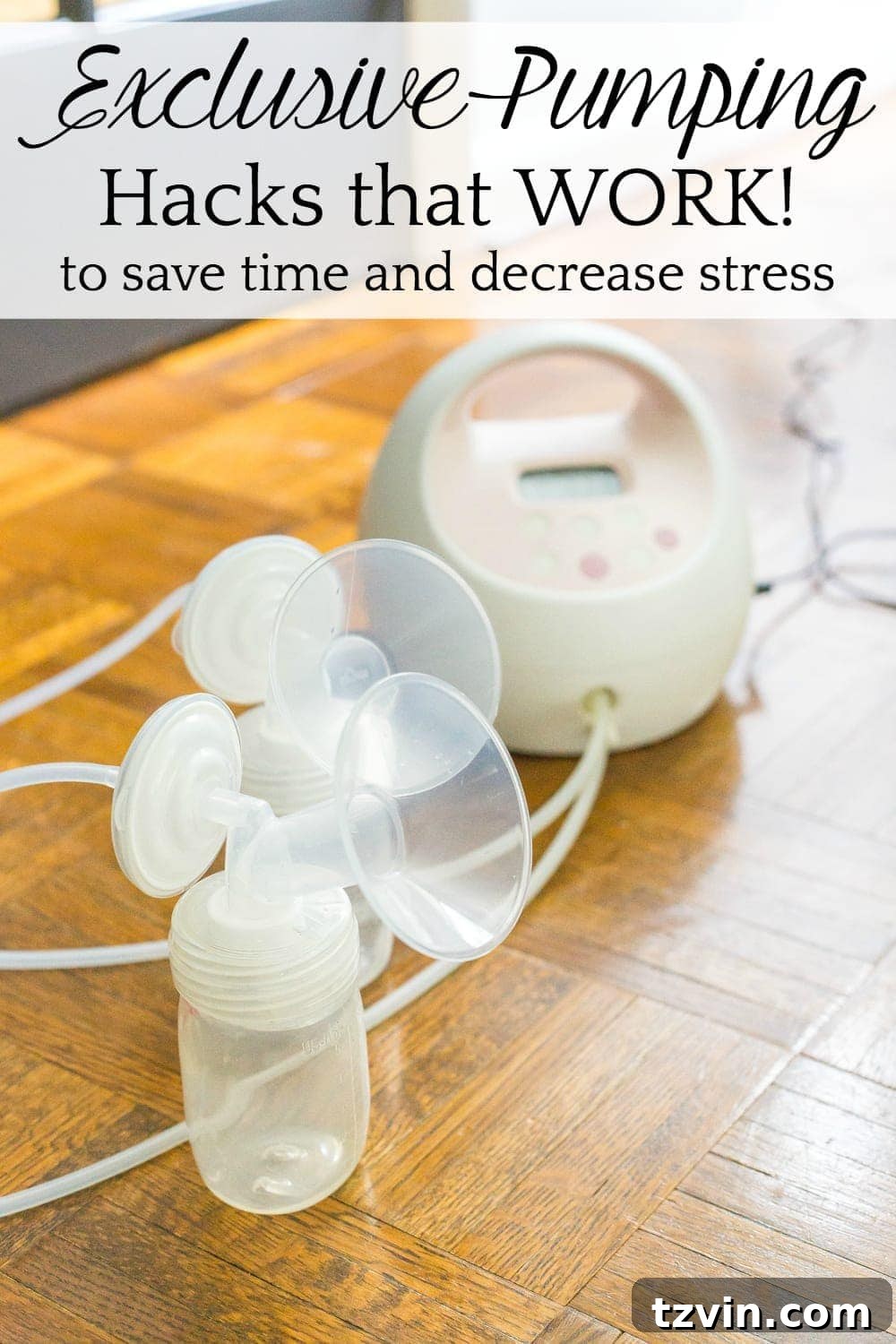
Unexpected Joys: Why Exclusive Pumping Became a Positive Experience
What I discovered, much to my surprise, is that in many respects, I actually preferred exclusive pumping over direct breastfeeding. This preference stemmed from several key advantages:
- Shared Feeding Responsibilities: I loved that my husband, Robert, my older daughter, Olivia, or even my parents could participate in bottle-feeding Regan. This not only fostered bonding for them but also provided me with precious opportunities for much-needed rest and naps – a true lifesaver for any new mom!
- Precise Intake Monitoring: Pumping allowed me to accurately measure exactly how much milk Regan was consuming at each feeding. This provided immense peace of mind, especially during those early weeks, ensuring she was getting adequate nutrition and growing well.
- Simplified Travel: In many situations, traveling with a bottle-fed baby proved less complicated. Feeding in a car seat or on the go was often smoother than trying to find a private, comfortable spot for breastfeeding, making road trips and outings considerably less stressful.
- Ability to Donate: I was incredibly proud and fulfilled to be able to donate over 1000 ounces of breast milk to another baby in need. Knowing my efforts were helping another family was an incredibly rewarding experience that added another layer of purpose to my pumping journey.
- Flexibility in Weaning: Having a substantial freezer stash of milk, often a month’s worth or more, offered the invaluable flexibility to stop pumping at the 11-month mark. This meant I could achieve my personal feeding goals without the pressure of needing to pump right up to the very end of our journey.
So, to all the incredible EP mamas out there, if you’re feeling a shred of guilt or beating yourself up, please stop. You are doing an amazing job!
Important Disclaimer: While I’m thrilled to share my personal journey and discovered strategies, please understand that I am not a medical professional or a certified lactation consultant. The information shared here is based on extensive personal research, invaluable guidance from several lactation consultants throughout my journey, and a healthy dose of good old-fashioned ingenuity born out of necessity and desperation. Always consult with your healthcare provider or a lactation specialist for personalized medical advice.
Exclusive Pumping Hacks That Truly Work: Mastering Your Routine
*Note: A comprehensive list of my absolute favorite exclusive pumping tools and resources is provided at the very end of this post.
1. Create an Efficient “Cockpit” Pumping Station on the Floor
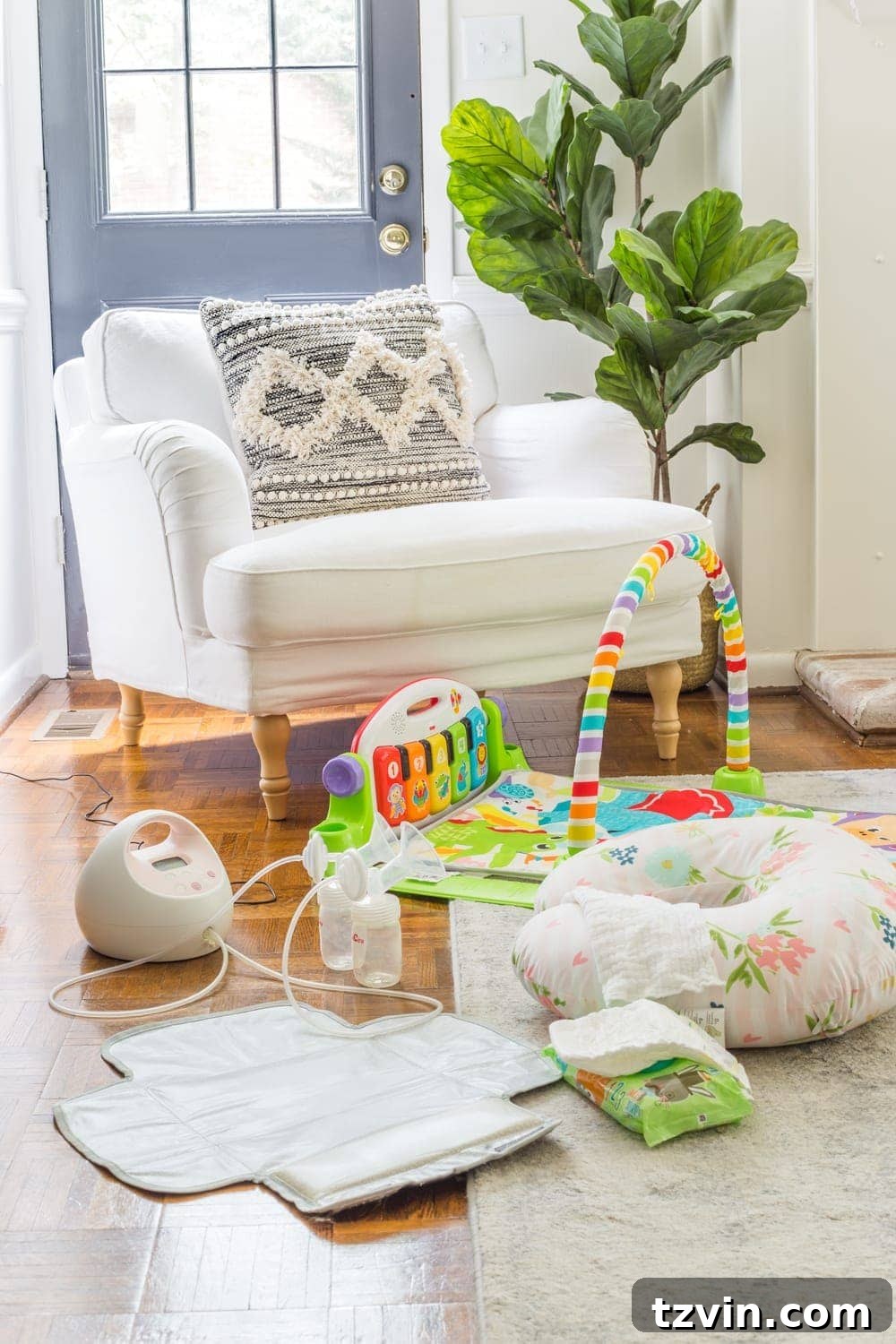
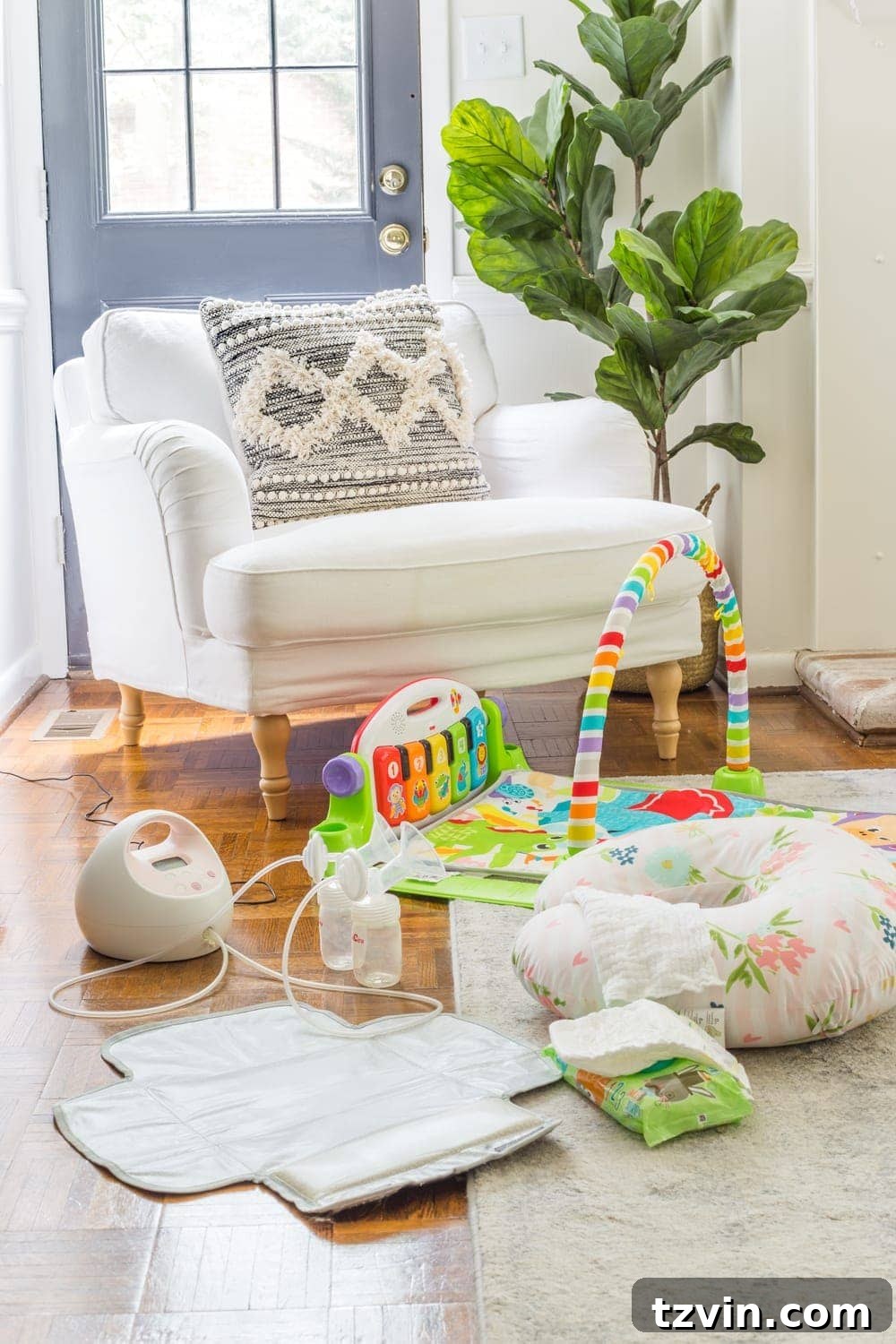
This organizational hack was my absolute lifesaver during the first six months of Regan’s life, before she became mobile and began exploring everything. This setup allowed me to pump efficiently while simultaneously attending to all of her needs, eliminating the need to constantly disconnect from the pump.
- Strategic Seating: Position yourself comfortably on the floor with your breast pump (I highly recommend the Spectra for its efficiency) plugged securely into the nearest outlet. Ensure you have ample space around you.
- Hands-Free Freedom: A high-quality hands-free pumping bra is non-negotiable. It liberates your hands, allowing you to engage with your baby, enjoy a snack, read, or even work while pumping.
- Baby’s Zone: Arrange a soft play mat, a supportive Boppy pillow, and a portable changing pad complete with diapering essentials (diapers, wipes, cream) all within arm’s reach. This creates a seamless flow: you can easily prop baby for bottle feeding on the Boppy, then transition them to the changing pad for a quick diaper change, or onto the play mat for some engaging tummy time or independent play. The goal is to meet all your baby’s needs without ever having to unhook from your pump, saving precious time and preventing interruptions.
2. Master Your Pumping Schedule for Optimal Supply
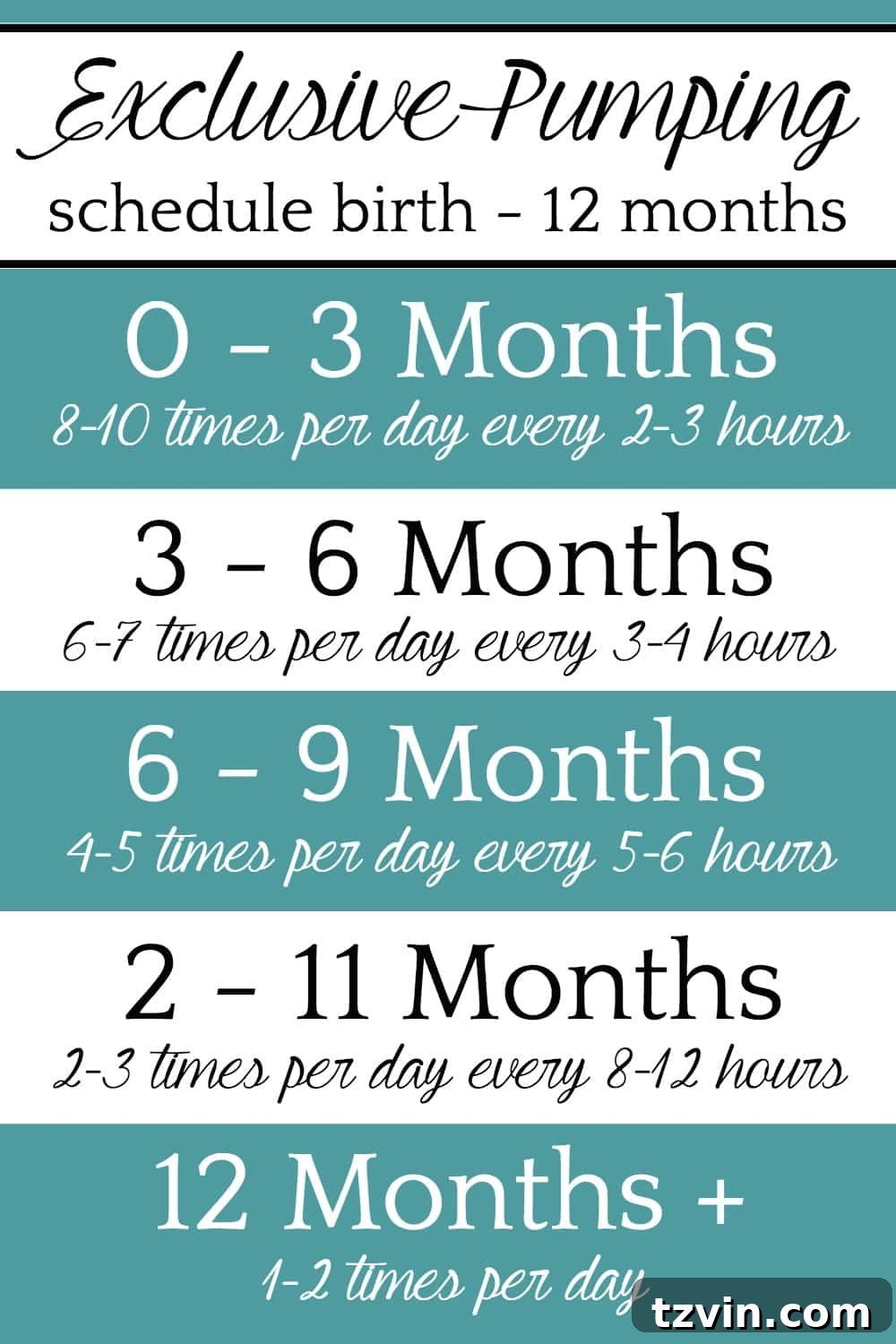
Establishing a consistent pumping schedule is paramount for building and maintaining a strong milk supply, essentially mimicking the natural demand of direct breastfeeding. In the early weeks, particularly after Regan stopped latching at one month, I synchronized my pumping sessions with her feeding cues.
Initially, I would connect to my “cockpit” pump station every 2-3 hours, typically whenever Regan began to fuss for a bottle. This strategy helps to stimulate milk production in response to your baby’s feeding needs, setting a robust supply-and-demand cycle. Each session should ideally last around 20 minutes, ensuring adequate breast drainage to signal your body to produce more milk.
Once my supply was well-established, usually around the 3-month mark, I gradually began to drop some pumping sessions. A major turning point came at 6 months when Regan started sleeping through the night (a huge shout-out to Taking Cara Babies’s sleep course, which was an absolute godsend!). This allowed me to joyfully eliminate my nighttime pumping sessions, granting me much-needed consolidated sleep. The image above provides a helpful general guide for setting up a pumping schedule based on your baby’s age and needs, but always remember to adjust based on your unique body and supply.
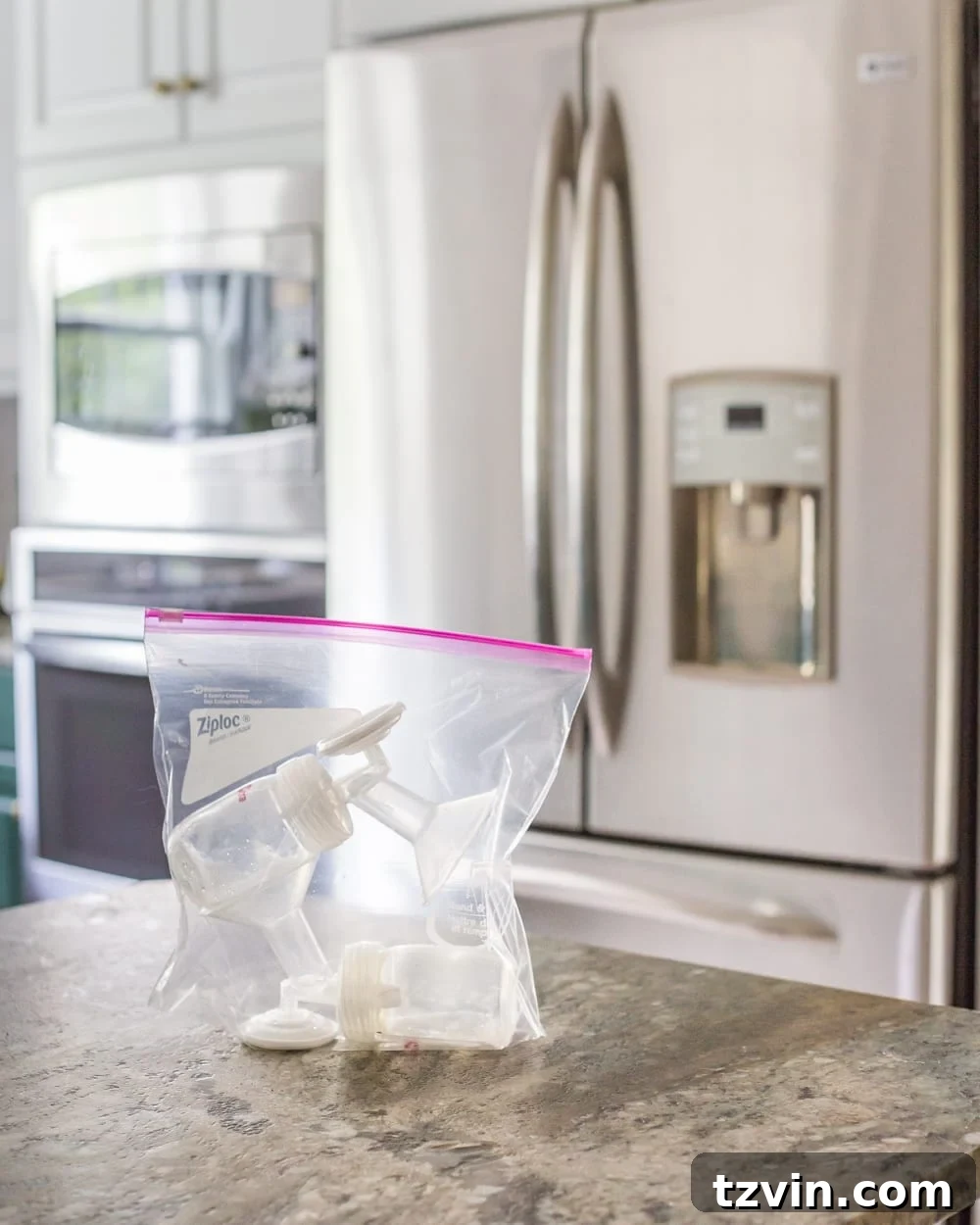
3. The “Fridge Hack”: Store Pump Parts Between Sessions to Save Time
This ingenious hack has been a game-changer for me, drastically cutting down on the time spent washing pump parts between sessions. Instead of washing everything after each use, you can safely store your pump parts in the refrigerator.
My routine involved washing my pump parts thoroughly once in the morning and once before bed (during the initial months when nighttime pumping was still necessary). In between these washes, I would simply place the used pump flanges, bottles, and connectors into a clean gallon-sized Ziploc bag and pop it into the fridge. The cold temperature inhibits bacterial growth for short periods, making this a safe and hygienic way to reduce washing frequency.
For added convenience, especially if you’re splitting your time between home and work, consider purchasing an extra set of pump parts. This allows you to keep one set at the office and another at home, further streamlining your routine. Important Note: If your baby is a newborn, premature, or has any immune system vulnerabilities, always sanitize pump parts after every single use to ensure maximum safety.
4. Embrace Mobility: Car Adapters and Cordless Pumps for On-the-Go Pumping
For moms with long work commutes or those who love to travel, being tethered to an outlet can be incredibly restrictive. This is where portable pumping solutions become indispensable.
Initially, a reliable car adapter for your pump was my go-to solution. It transformed car rides into productive pumping sessions, allowing me to maintain my schedule without missing a beat. Pair this with a hands-free pumping bra, and you’re set for hands-free pumping, making the investment well worth every penny. This setup was invaluable for the first six months of Regan’s life, granting me freedom during road trips and daily errands.
As Regan became more mobile and my need for even greater freedom increased, I transitioned to a cordless pump. This allowed me to pump discreetly and efficiently whether I was driving, chasing a crawling baby, or even finding a quiet corner in an airport nursing room before takeoff. The ability to pump without being tied to an electrical outlet is a game-changer for maintaining an active lifestyle.
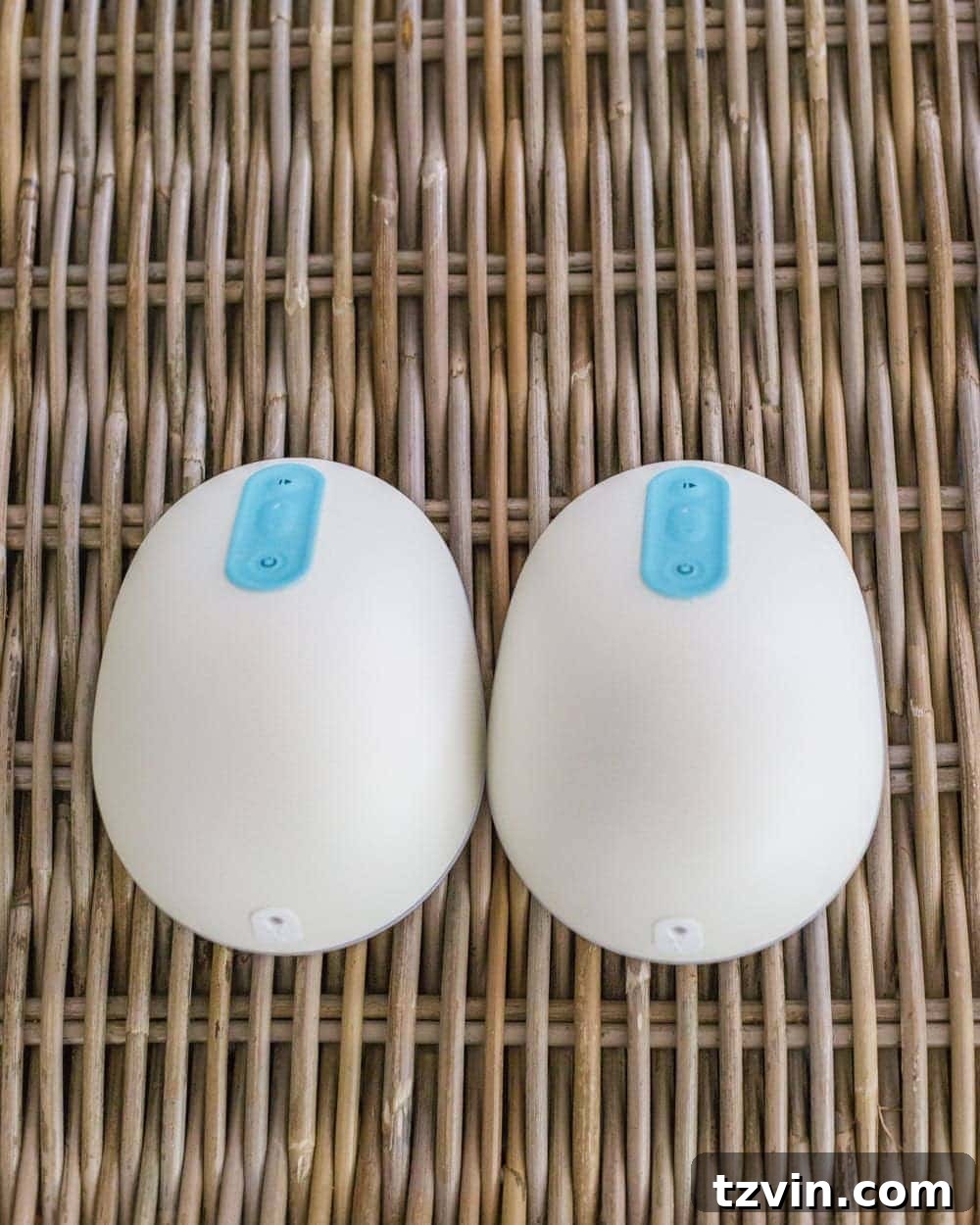
5. Investing in a Cordless Pump: Freedom When Baby Becomes Mobile
My decision to purchase the Willow pump came when Regan reached six months old and was on the cusp of crawling, needing constant supervision. While my relationship with the Willow is undeniably a love/hate one, I’m confident that I would have abandoned exclusive pumping months ago without its unique capabilities.
Pros of a Cordless Pump:
- Unmatched Portability: Its greatest advantage is the ability to pump anywhere, anytime, without needing a power source. This freedom is unparalleled for busy moms.
- Enhanced Mobility: Chasing after a crawling or walking baby becomes infinitely easier. You can continue your pumping session while staying engaged with your little one.
- Increased Productivity: I found my productivity levels soared. I could tackle light chores, prepare meals, or even work on my computer while pumping, making the most of my time.
- Sense of Independence: It significantly reduced the feeling of being “glued” to a wall outlet, fostering a greater sense of independence and normalcy.
- Nighttime Convenience: The ability to pump while half-asleep in bed, especially during those early morning sessions, was a huge benefit.
- Potential Supply Boost: For me, it unexpectedly helped increase my milk supply and made power pumping less time-consuming due to its hands-free nature. However, it’s worth noting that some users report the opposite experience, so results may vary.
Cons of a Cordless Pump:
- Comfort Issues: I personally found it slightly less comfortable than my traditional Spectra plug-in pump.
- Lack of Discretion: While hands-free, it’s not entirely discreet. Wearing it can make you look a bit like Dolly Parton, which might not be ideal in all social settings!
- Milk Loss: There is a small but noticeable loss of about half an ounce of milk when carefully removing the collection bags.
- Battery Management: You absolutely must remember to keep the pumps charged. Discovering dead batteries when you’re desperate to pump can be a highly frustrating situation.
- App Glitches: The accompanying app, which monitors sessions, can occasionally be glitchy, leading to minor inconveniences.
- Cost of Supplies: The proprietary collection bags are quite expensive, costing approximately 50 cents each. Given that they only hold 4 ounces, this translates to roughly $1-$2 per pumping session, which can add up significantly over time.
Due to these drawbacks, I strategically reserve the Willow for specific situations: when I need to be mobile, during travel, or in certain social environments where a plug-in pump isn’t feasible. For all other instances, my trusty plug-in Spectra remains my preferred choice. Nevertheless, the Willow has undeniably been an invaluable asset in extending my exclusive pumping journey.

6. Hack Your Nighttime Feedings for More Restful Sleep
Nighttime feedings were always a significant challenge for us. The routine of venturing to the fridge in the middle of the night, waiting five minutes for a bottle to warm up, and then carrying it upstairs to a screaming baby was an exhausting cycle. But once I discovered this simple yet revolutionary trick, our nights became infinitely easier:
Keep a bottle of freshly pumped milk right on your nightstand, ready for when your baby wakes. Freshly expressed breast milk can safely remain at room temperature for up to six hours, according to CDC guidelines. This hack was particularly amazing for us because Regan consistently disliked cold milk, so having it readily available at an ideal temperature was a game-changer.
If you’re still in the phase of pumping at night, this strategy works double duty, eliminating those weary trips back and forth to the kitchen. Simply keep an empty, clean bottle handy for your middle-of-the-night pumping session, and you can quickly get back to sleep. And for those truly desperate moments, the Willow pump allows you to pump while drifting back to sleep. Pure genius!
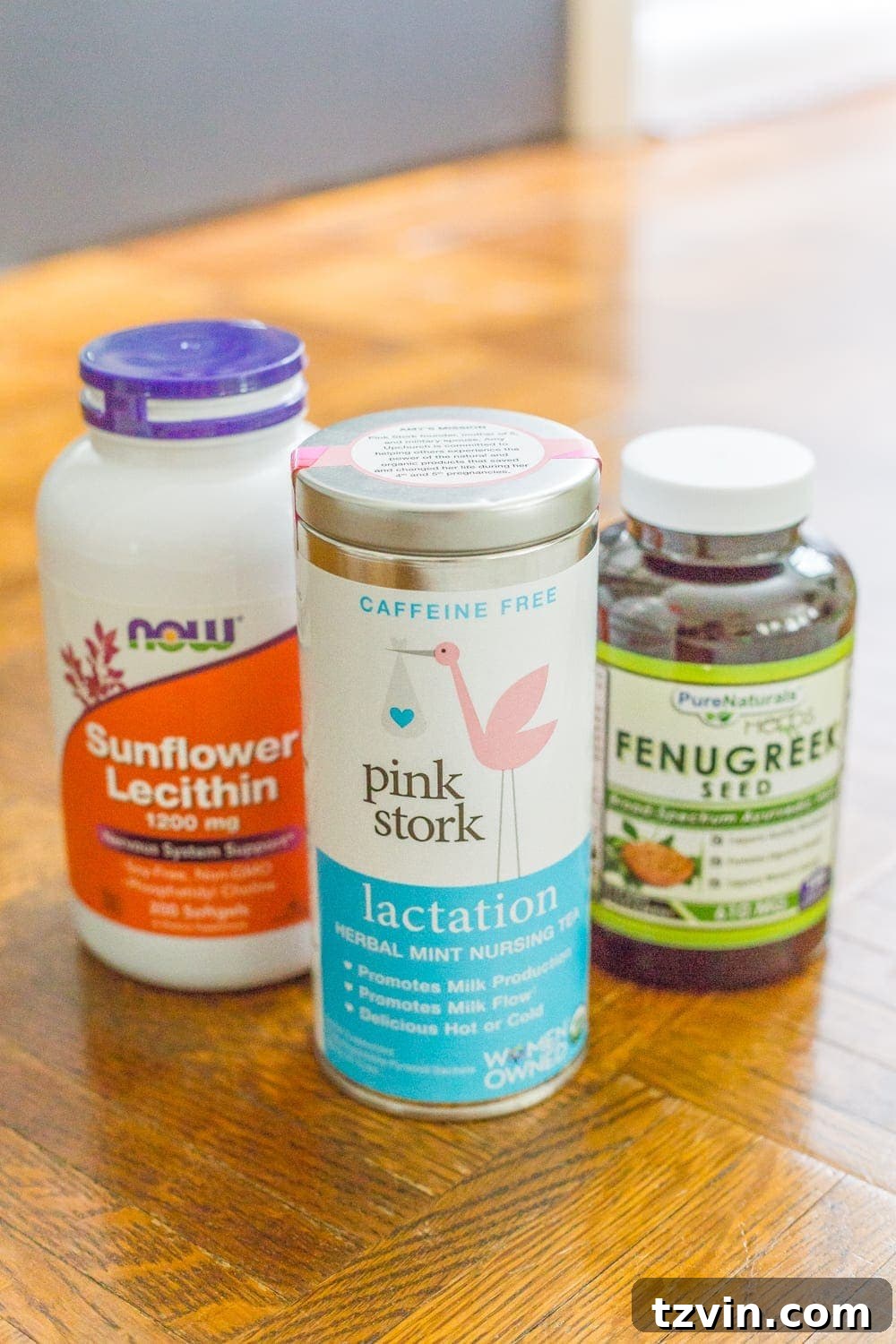
7. Boosting Milk Supply and Preventing Painful Blocked Ducts
The cornerstone of a healthy milk supply is consistent and effective pumping habits, adhering to a well-structured schedule. However, there are times when factors like illness, dehydration, stress, or even simply missing a session can cause a temporary dip in supply. When I experienced these dips, I turned to a combination of strategies:
- Power Pumping Sessions: This technique mimics cluster feeding, which babies naturally do to signal for more milk. To power pump, follow this schedule: pump for 20 minutes, rest for 10 minutes, pump for 10 minutes, rest for 10 minutes, and finally, pump for another 10 minutes. This intensive session sends a strong signal to your body to increase milk production.
- Fenugreek: This herbal supplement is well-known for its galactagogue properties, meaning it can help increase milk supply for many mothers. Always consult with your doctor or lactation consultant before starting any new supplement.
- Lactation Tea: Often containing herbs like fenugreek, blessed thistle, and fennel, these teas can also be a gentle way to support milk production. They also encourage hydration, which is crucial for supply.
Beyond boosting supply, preventing painful plugged milk ducts is essential for a comfortable pumping journey. Plugged ducts occur when milk flow is obstructed, leading to tender, sometimes red lumps in the breast. To effectively prevent these or address them when I felt one beginning, I found great relief and preventative success with Sunflower Lecithin. This supplement acts as an emulsifier, helping to thin out the milk and prevent fat from clumping, thus promoting smoother milk flow. Additionally, ensuring proper flange size, applying warm compresses, and gentle breast massage can also be very effective preventative measures.
My Essential Exclusive Pumping Tools: Making the Journey Easier and More Enjoyable
Over my exclusive pumping journey, I’ve discovered a collection of tools that have truly made a difference, transforming what could be a challenging endeavor into a manageable, even rewarding, experience. These are my must-haves:
- Spectra S1/S2 Breast Pump: This electric, plug-in pump was my primary workhorse and offered consistently impressive milk output compared to other models I’ve tried. Its quiet operation and strong suction make it a top recommendation.
- Willow Wearable Breast Pump: While it comes with a higher price point for bags and can have occasional app quirks, the freedom and mobility it provides are invaluable, especially when you need to pump on the go or manage an active baby. It’s a fantastic secondary pump.
- Lanolin Nipple Cream: An absolute essential for soothing sore, cracked, or tender nipples. A little goes a long way in providing comfort and promoting healing.
- Lansinoh Breastmilk Storage Bags: After experimenting with various brands, these stood out for their durability and minimal leakage issues. They also store milk flat, which is crucial for maximizing precious freezer space.
- Hands-Free Pumping Bra: This is arguably the most important accessory for any exclusive pumper. It allows you to multitask, care for your baby, and maintain your sanity by freeing up your hands during pumping sessions.
- Car Adapter for Pump: A true game-changer for commuters or anyone planning road trips. It transforms travel time into productive pumping time, ensuring you stick to your schedule.
- Medela Quick Clean Micro-Steam Bags: These bags were a lifesaver, especially during my teaching days when I needed to sterilize pump parts quickly and efficiently using only a microwave in the break room.
- Manual Breast Pump: Every exclusive pumper should have one. It’s an invaluable backup in emergencies—think power outages, forgetting your electric pump, or simply needing quick relief. Trust me, you don’t want to be without one!
- Silverette Nursing Cups: These little silver cups are pure magic for healing nipple blisters and soreness. As an added sentimental bonus, once your pumping journey concludes, you can send them back to the company to be transformed into a beautiful silver necklace pendant, a lasting memento of your infant years.
- Fenugreek Supplement: My reliable go-to for boosting milk supply whenever I experienced a dip, often due to illness or fatigue. (Consult your doctor before use.)
- Lactation Tea: If you find fenugreek isn’t for you or prefer a milder approach, lactation teas are an excellent alternative for gently supporting and boosting your milk supply.
- Large Water Bottle: Staying well-hydrated is absolutely critical for maintaining milk supply, whether you’re exclusively pumping or not. This particular bottle is fantastic for tracking your daily water intake.
- Bamboobies Reusable Nursing Pads: These pads are incredibly soft and comfortable, far superior to many other brands. They are perfect for preventing leaks and protecting your clothing.
- Comfortable Sleeping Bras: Avoiding tight, underwire nursing bras, especially during sleep, is crucial for preventing blocked ducts and even mastitis. These soft, comfortable bras are ideal for wearing around the house and at night. Plus, they’re pretty!
- Lansinoh 3-in-1 Breast Therapy Packs: A true lifesaver for instant relief from the pain and discomfort of blocked ducts. These warm or cold packs offer targeted soothing when you need it most.
- Insulated Bottle Cooler Bag: Essential for safely transporting and storing pumped milk when you’re out and about and don’t have immediate access to a refrigerator.
- Stylish Tote Bag for Pump: While not strictly a necessity, investing in a chic tote bag for your pump can make carrying it feel less like a medical device and more like a fashion accessory. Choose one you’ll love using even after your pumping days are over!
So, there you have it—a comprehensive guide to exclusive pumping, a post I honestly never anticipated writing! Haha!
But in all seriousness, I truly hope these insights and resources provide invaluable support to any of you who follow this little corner of the internet and are currently navigating the demanding yet rewarding baby phase, just as I am. I intimately understand the struggles; I know how isolating, exhausting, and often overwhelming it can feel. But I am here to tell you, with absolute certainty, that you *will* make it through.
And if, at any point, you feel the need to give your body a much-deserved rest and choose to nourish your baby with formula, please know there is absolutely zero shame in that decision. More than anything else, your baby thrives when they have a healthy, happy, and well-rested mama. Prioritizing your well-being is prioritizing theirs.
If you’re interested in revisiting any of my past baby-related posts, you can find them linked below. It’s truly hard to believe we are just a few weeks away from transitioning out of the baby phase and into the exciting world of toddlerhood. How quickly time flies!
- Regan’s Birth Story: The Day Our Family Grew to Four
- My Top Newborn Baby Essentials: What You Really Need for the First Months
- 30 Postpartum Recovery Must-Have Essentials for New Moms
- Nursery Organization Tour: Creating a Functional and Beautiful Space
- Nursery Closet Makeover and Free Printable Closet Divider Set
- White Floral Nursery Makeover Reveal: A Dreamy Space for Baby
- 20 Stylish and Budget-Friendly Nursery Gliders
- 20 Affordable Cribs for Every Small Budget
- My Maternity Must-Have Essentials Guide: Comfort and Style for Expectant Moms
- Bumpdate Confessions: Honest Thoughts from Pregnancy
Sending big hugs and endless encouragement, moms! You’ve truly got this! But next time, I promise, I’ll be back to decorating or painting something fabulous. This mama needs her creative outlet, too!