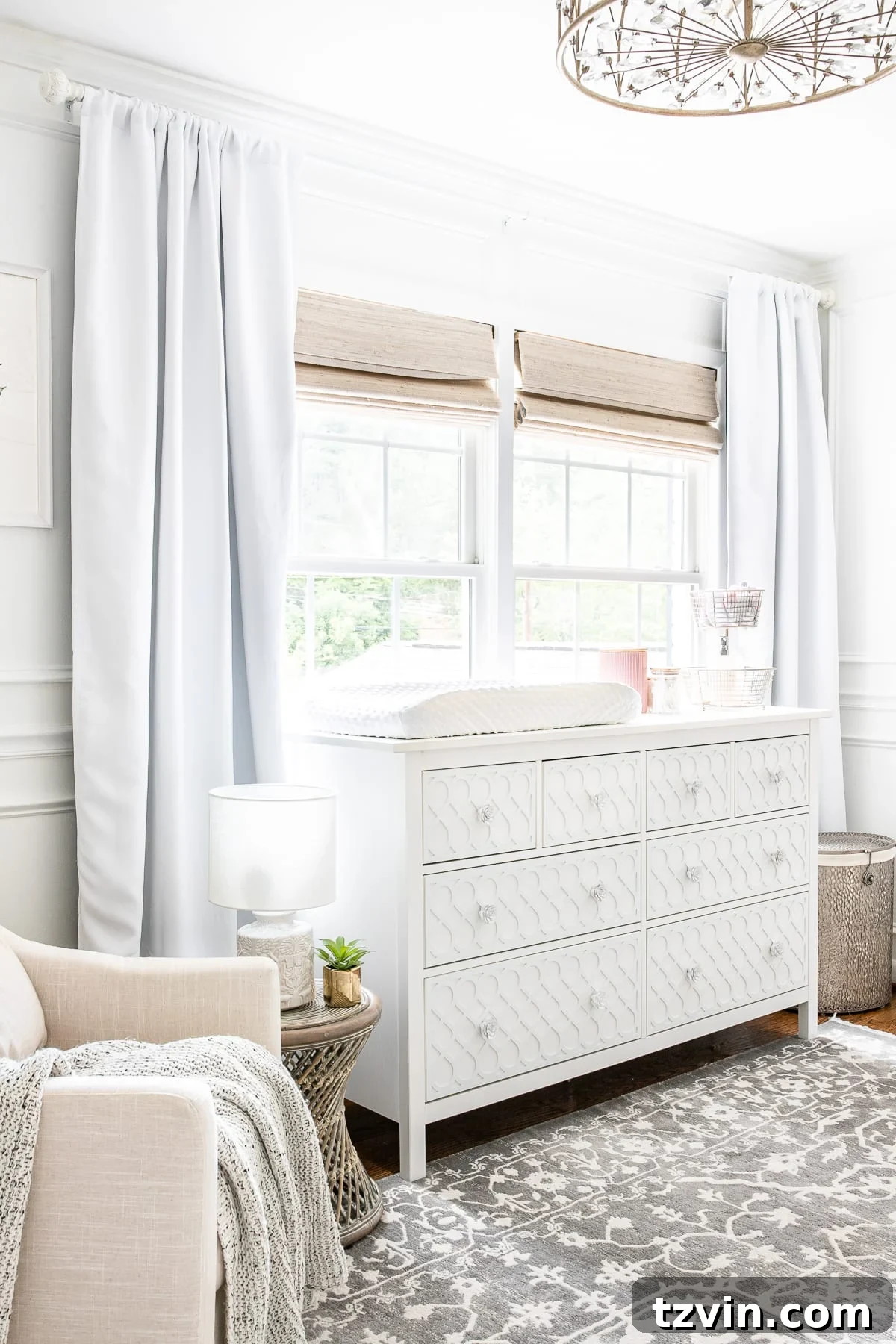
Mastering Curtain Hanging: Elevate Your Home with Blackout Curtains for Taller Ceilings and Larger Windows
There are certain home decor discoveries that simply revolutionize daily life, and for many, the magic of blackout curtains is high on that list. While the thought might initially conjure images of hotel rooms, their true potential for comfort, style, and improved well-being in a family home is often overlooked. As someone who navigates the delightful chaos of summer evenings where the sun lingers well past bedtime, and mornings begin far too early, the profound impact of this simple solution truly hit home.
For weeks, the struggle was real: a battle against endless daylight infringing on precious sleep schedules. Despite employing every trick in the book – from soothing white noise machines to the softest pajamas and even the occasional, desperate bribe – getting our little ones to embrace slumber felt like an Olympic sport. And as for mornings? The first peek of dawn inevitably signaled an early start, long before anyone was truly ready to face the day.
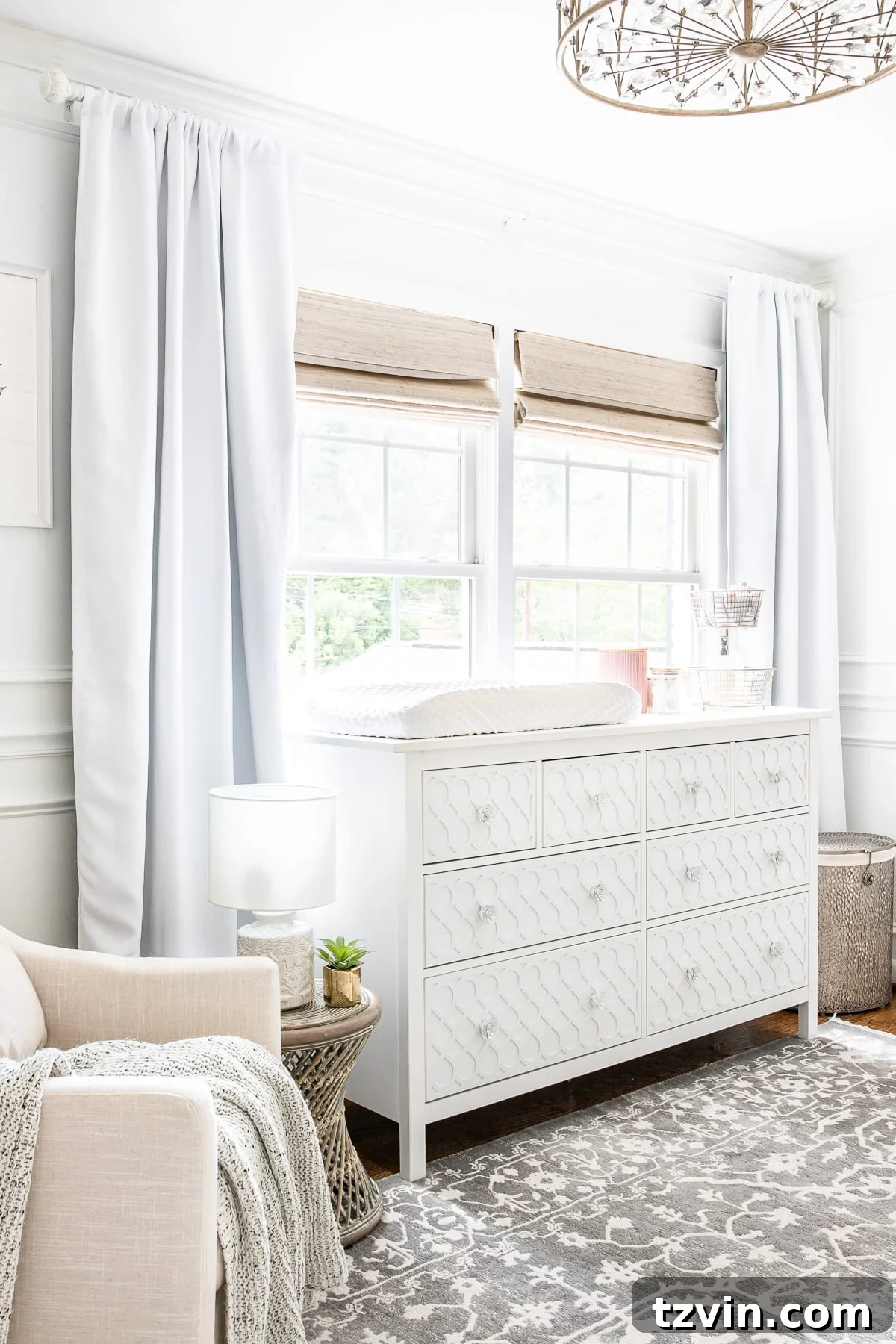
It was a revelation, almost embarrassingly obvious in hindsight: blackout curtains. Swapping out flimsy, light-filtering panels for robust, pitch-black alternatives was nothing short of a miracle. The transformation was immediate and astounding. Bedtime became a smoother transition, with fewer arguments and a quicker path to sleep. And in the mornings, the once-dreaded early wake-up calls were pushed back, gifting everyone an invaluable extra hour of restful sleep. The difference was night and day, quite literally!
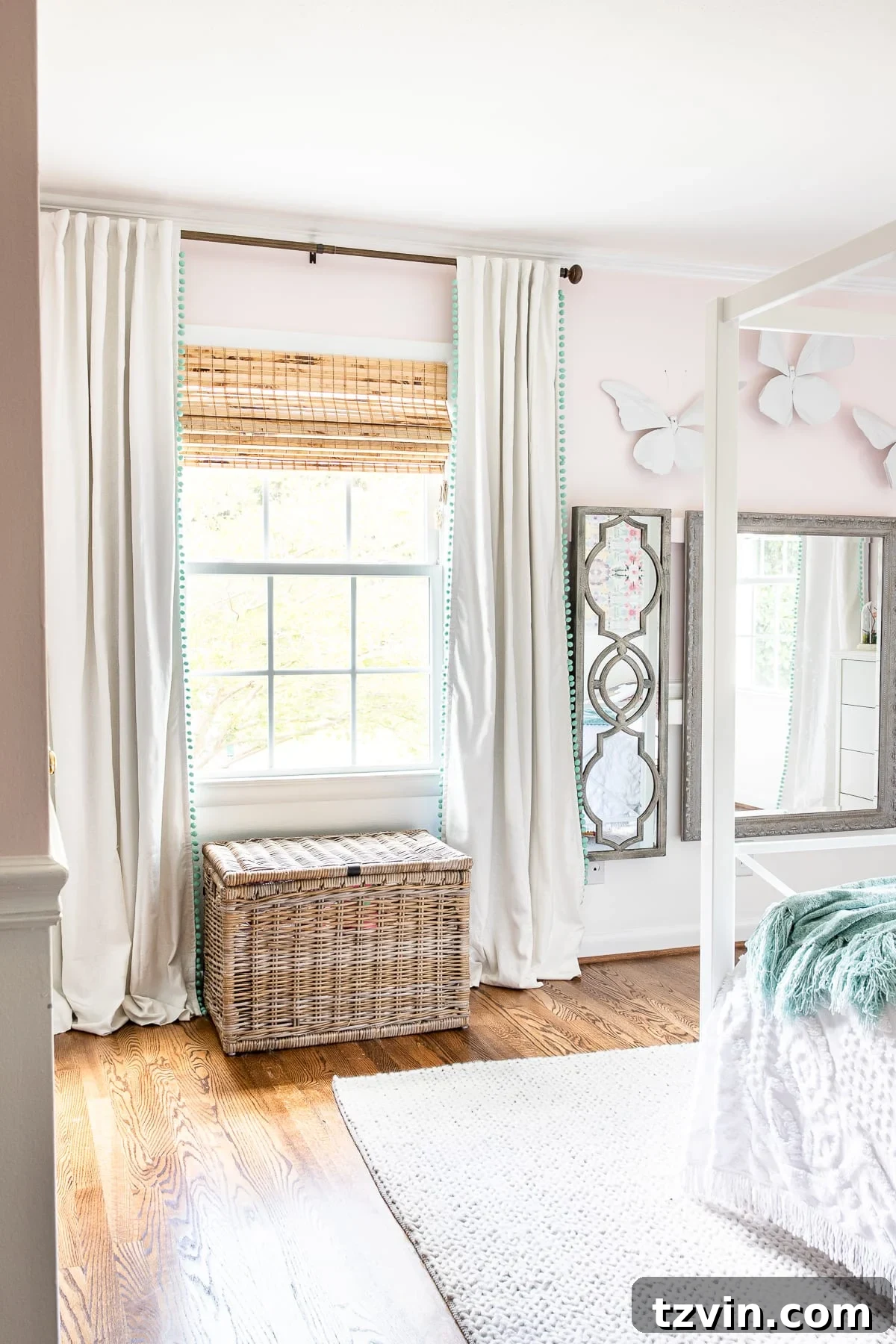
The Unsung Hero: Why Blackout Curtains Are a Game-Changer
While their primary benefit of blocking light for better sleep is widely known, blackout curtains offer a wealth of advantages that extend far beyond the bedroom. They are a versatile and often understated element in interior design, providing both functional utility and aesthetic appeal.
Beyond Just Sleep: Hidden Benefits of Blackout Curtains
- Energy Efficiency: Blackout curtains act as an excellent insulator. In summer, they help block harsh sunlight, keeping rooms cooler and reducing the strain on air conditioning. In winter, they prevent heat from escaping through windows, contributing to warmer interiors and lower heating bills. This thermal barrier makes them a smart investment for any climate.
- Enhanced Privacy: Whether you live on a busy street or simply desire more seclusion, blackout curtains offer complete privacy, day or night. Their thick, opaque fabric ensures that no silhouettes or internal light escape, giving you peace of mind.
- Furniture Protection: Prolonged exposure to UV rays from direct sunlight can fade furniture, flooring, and artwork over time. Blackout curtains provide a protective shield, preserving the color and integrity of your beloved home furnishings.
- Noise Reduction: The dense material of blackout curtains also contributes to sound dampening. While they won’t completely eliminate outside noise, they can significantly muffle street sounds, chatter, or other disturbances, creating a quieter and more peaceful indoor environment.
- Home Theater Experience: For movie enthusiasts, blackout curtains are indispensable. They create optimal viewing conditions by eliminating glare and unwanted light, transforming any room into a dedicated media space.
Choosing the Right Blackout Curtains
When selecting blackout curtains, consider factors beyond just their light-blocking capability. Look for curtains made from thick, tightly woven fabrics, often with a special acrylic foam lining or an integrated blackout layer. Polyester and cotton blends are common and durable. Pay attention to the fabric’s GSM (grams per square meter) – a higher GSM generally indicates better light blockage and insulation. While dark colors tend to be more effective at blocking light, modern manufacturing techniques mean you can find excellent blackout curtains in a wide range of colors and patterns to match your decor, often with a white or neutral backing visible from the outside to maintain curb appeal.
Mastering the Art of Curtain Hanging: Elevate Your Space
The way you hang your curtains can dramatically alter the perception of a room’s size and height. It’s a simple, yet incredibly effective, design trick that interior designers have employed for decades. Forget hanging curtains right over the window frame; by applying the “high and wide” principle, you can create an illusion of grandeur that instantly elevates your living space.
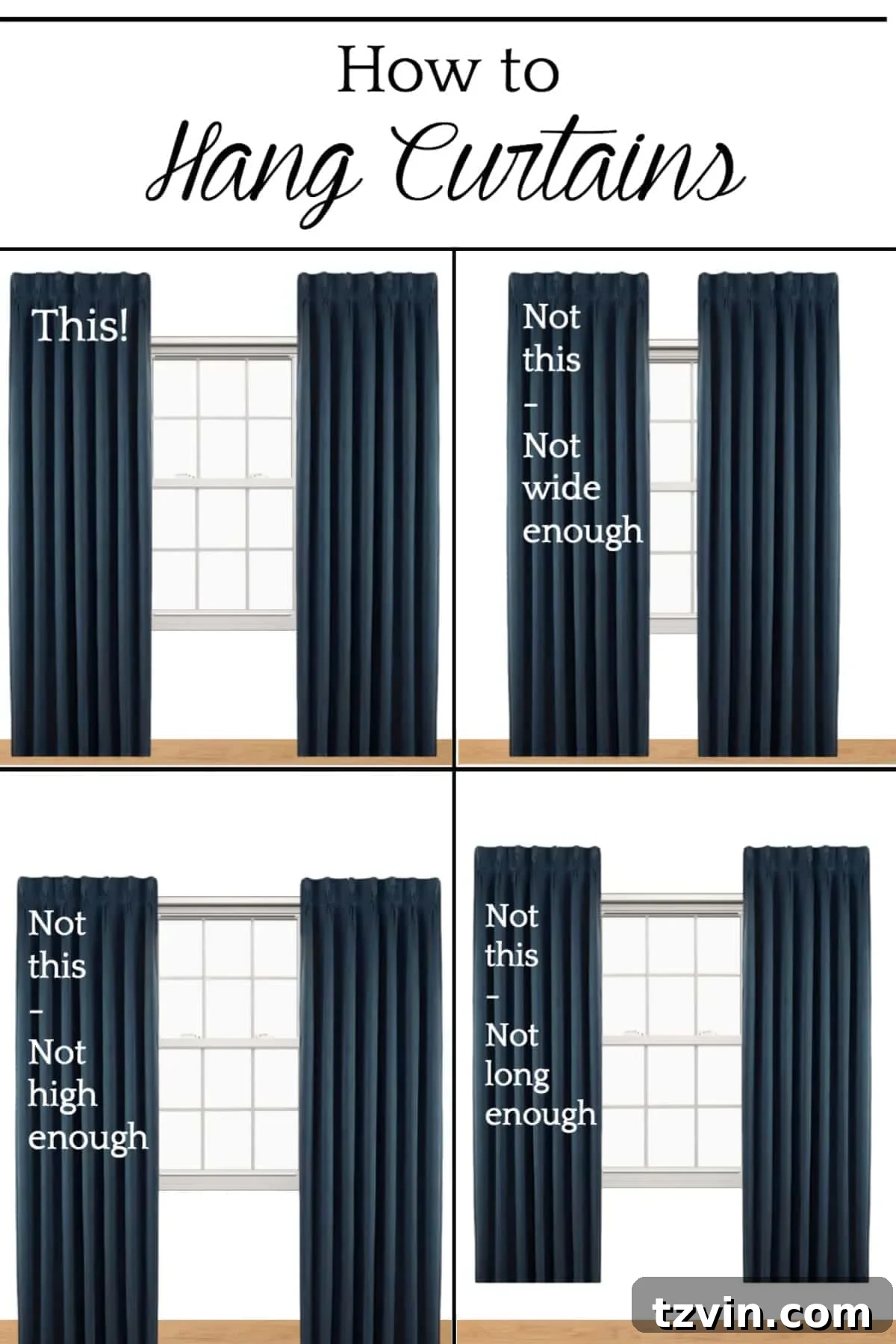
The “High” Secret: Maximizing Ceiling Height
To make your ceilings appear taller, the rule is to hang your curtain rods as high as possible. Ideally, aim for a position that is 2 to 6 inches below your crown molding, or if you don’t have crown molding, simply as close to the ceiling as aesthetically pleasing. For standard 8-foot ceilings, this means placing the rod approximately 90-94 inches from the floor. This draws the eye upward, creating a continuous vertical line that visually elongates the walls and makes the room feel more expansive and airy. It’s a trick of perspective that adds an immediate sense of elegance and spaciousness.
The “Wide” Illusion: Making Windows Appear Grand
Just as important as hanging high, hanging your curtains wide is key to making your windows look larger and allowing maximum light when the curtains are open. Extend your curtain rod significantly beyond the window frame, typically 12 to 18 inches on either side. This allows the curtain panels to rest entirely on the wall when open, framing the window beautifully without obscuring any of the glass. The result is an abundance of natural light flooding the room and a visual expansion of the window’s perceived width. It prevents the common mistake of blocking part of the window with the curtain stack, which ironically makes the window seem smaller.
Length Matters: The Perfect Drape
The length of your curtains can define the mood and style of your room. For an 8-foot ceiling, a 96-inch long curtain panel is often ideal, allowing for a few popular draping styles:
- The “Puddled” Look: This is where the curtain fabric gathers slightly on the floor (an extra 2-6 inches of length). It offers a luxurious, romantic, and slightly more informal aesthetic. While beautiful, it can be a dust magnet and might not be practical in high-traffic areas or homes with pets.
- “Kissing the Floor” (or Breaking): Here, the curtain just barely touches the floor, creating a clean, tailored line. This is a very popular and versatile choice, offering a polished look that works well in most settings. It’s practical and elegant, making rooms feel sophisticated without being overly formal.
- “Floating” (or Hovering): For a more contemporary and practical approach, especially in kitchens or children’s rooms, curtains can float about half an inch above the floor. This prevents the fabric from touching the ground, keeping it cleaner and making it easier to open and close. It’s a functional choice for high-traffic areas.
When measuring, always measure from where your rod will be placed down to the floor to determine the appropriate length, then add or subtract based on your desired drape style.
Considering Curtain Weight and Fabric
The fabric and weight of your curtains also play a crucial role in how they drape and their overall impact. Lighter fabrics like linen or sheer cotton will offer a softer, more ethereal drape, perfect for a relaxed, airy feel. Heavier fabrics, such as velvet or thick polyester, will create a more structured, opulent drape, ideal for formal settings or where significant light blockage is required. The fabric choice should complement the room’s existing decor and desired ambiance, as well as its functional requirements.
Selecting Your Curtains: Style Meets Function
Once you understand the principles of hanging, the next step is choosing the right elements: curtains, shades, and rods. There are countless options available, many of which are budget-friendly alternatives to high-end designer pieces, proving that style doesn’t have to break the bank.
Blackout Curtains: Essential for Serenity
Beyond their light-blocking prowess, blackout curtains come in various styles and heading types, each offering a distinct aesthetic:
- Grommet Top: Features metal rings (grommets) along the top edge, allowing the curtain rod to thread through. This creates a modern, clean, and wavy fold, making them easy to open and close.
- Rod Pocket: A casing sewn into the top of the curtain panel where the rod slides through. This creates a gathered, somewhat informal look. They can be harder to slide open and close, making them best for stationary panels.
- Back Tab: Similar to rod pocket but with fabric loops sewn on the back of the panel. The rod slides through these loops, creating a neat, pleated appearance from the front, with the rod hidden.
- Pinch Pleat: More traditional and formal, these curtains have permanent pleats sewn into the fabric at regular intervals, often requiring specific hardware like hooks and rings. They offer a tailored, elegant look.
Consider the color and texture of the curtains. While any color can be blackout with the right lining, darker shades like navy, charcoal, or deep green can inherently absorb more light. Lighter shades will rely heavily on the backing material. Choose a texture that complements your existing textiles and furniture for a cohesive look.
Window Shades: An Alternative or Complement
Window shades offer another layer of light control and privacy, and can be used alone or layered with curtains for added insulation and style:
- Roller Shades: Simple, sleek, and minimalist, these shades roll up into a discrete headrail. Available in various opacities, from sheer to full blackout.
- Roman Shades: Offer a softer, more elegant look, folding into neat pleats when raised. They can be custom-made in virtually any fabric, including blackout options.
- Cellular (Honeycomb) Shades: Known for their superior insulation properties due to their unique honeycomb structure. Available in light filtering and blackout versions, they are very energy-efficient.
- Venetian Blinds: Classic horizontal slats that can be tilted to control light and privacy. While not full blackout, some offer significant light reduction.
Shades are excellent for maintaining privacy while still allowing some natural light or for adding a minimalist layer under decorative drapes.
Curtain Rods: The Foundation of Your Window Treatment
The right curtain rod is essential for both function and aesthetics. It needs to be strong enough to support the weight of your curtains and wide enough to achieve the “wide” hanging effect:
- Standard Rods: Simple, single rods, available in various diameters and finishes (metal, wood). Choose a diameter appropriate for your curtain heading type (e.g., thicker rods for grommets).
- Double Rods: Allow for layering, typically holding sheers on the inner rod and heavier drapes on the outer. This adds versatility in light control and depth to your window treatment.
- Traverse Rods: Ideal for heavy drapes or frequently opened and closed curtains, these rods use a pulley system for smooth operation, preventing wear on the fabric.
- Finials: The decorative ends of the curtain rod. Choose finials that complement your room’s style, from minimalist caps to ornate designs.
Ensure the rod extends sufficiently beyond the window frame on both sides to achieve the desired “wide” look. Investing in a sturdy rod is crucial, especially for heavier blackout curtains.
Beyond the Basics: Advanced Tips for Window Dressing
For those looking to truly master their window treatments, a few advanced techniques can elevate your design even further, adding layers of sophistication and functionality.
Layering for Depth and Functionality
Layering window treatments is a hallmark of professional design. Combining sheer curtains with blackout drapes on a double rod not only provides maximum flexibility in light and privacy control but also adds visual depth and texture to your windows. During the day, you can pull back the heavy drapes and enjoy diffused light through sheers, maintaining privacy without sacrificing brightness. At night, or when full darkness is desired, both layers can be closed for ultimate comfort and insulation.
Hardware Selection: Don’t Overlook the Details
The hardware supporting your curtains is more than just functional; it’s an integral part of the overall design. Rings and clips can make it easier to open and close curtains, especially with rod pocket styles, and can also add a touch of decorative flair. Holdbacks or tiebacks are practical for keeping curtains neatly open during the day and can introduce an elegant element to your window treatment. Choose finishes and styles that harmonize with your curtain rod and the room’s general aesthetic.
Measuring Accurately: The Key to Success
Accurate measurements are paramount for a successful window treatment. For width, measure the entire span you wish to cover (window frame plus your “wide” extension on each side), then multiply this by 1.5 to 2.5 times for adequate fullness, depending on the fabric and desired gather. For length, measure from the top of your curtain rod down to the floor, adjusting for your preferred drape style (puddled, kissing, or floating). Always double-check your measurements before purchasing to avoid costly mistakes.
Transforming your windows with correctly hung curtains, especially with the added benefits of blackout panels, is one of the most impactful home improvements you can make. It’s an investment in comfort, style, and a better night’s sleep. Embrace the “high and wide” philosophy, choose your fabrics and hardware wisely, and watch your rooms instantly feel larger, taller, and more refined.
Want More Ideas for Dressing Up Windows?
- DIY Window Trim – The Easy Way
- 3 Must-Do Tricks to Upgrade Plain Windows
- DIY Window Boxes from Repurposed Scrap Wood
- DIY Window Seat from a Kitchen Cabinet