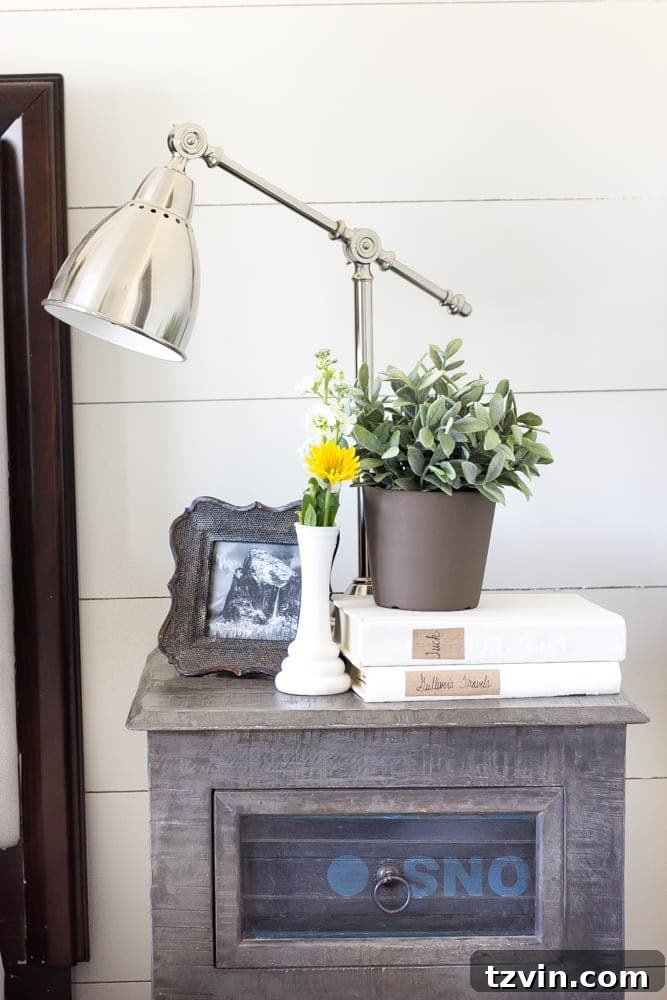
Mastering Vignette Styling: Expert Decorating Rules for Every Surface
Welcome to your essential guide to effortless home decor! Today, we’re diving deep into the art of vignette styling – a fundamental skill that transforms ordinary surfaces into captivating focal points. Many find themselves staring at a blank mantelpiece, an empty shelf, or a plain tabletop, unsure how to begin. The good news is, creating beautiful vignettes doesn’t require a design degree or expensive new purchases. With a few simple, actionable rules, you can elevate your space using items you likely already own.
This comprehensive guide is designed to demystify the styling process, offering clear, step-by-step techniques that professional designers use. You’ll learn how to arrange objects on mantels, tabletops, shelves, dresser tops, and nightstands with confidence, ensuring every corner of your home tells a cohesive and stylish story. Forget the frustration of cluttered or uninspired displays; our system provides the framework for creating balanced, visually appealing arrangements every time.
For years, I’ve honed these techniques through observation and practice, realizing that sophisticated decor is less about innate talent and more about understanding foundational principles. What began as a personal quest to beautify my own home evolved into a clear, systematic approach to styling. Now, I’m thrilled to share these tried-and-true rules with you. Once you grasp these six simple decorating tips, you’ll find styling any flat surface not only easier but also immensely enjoyable.
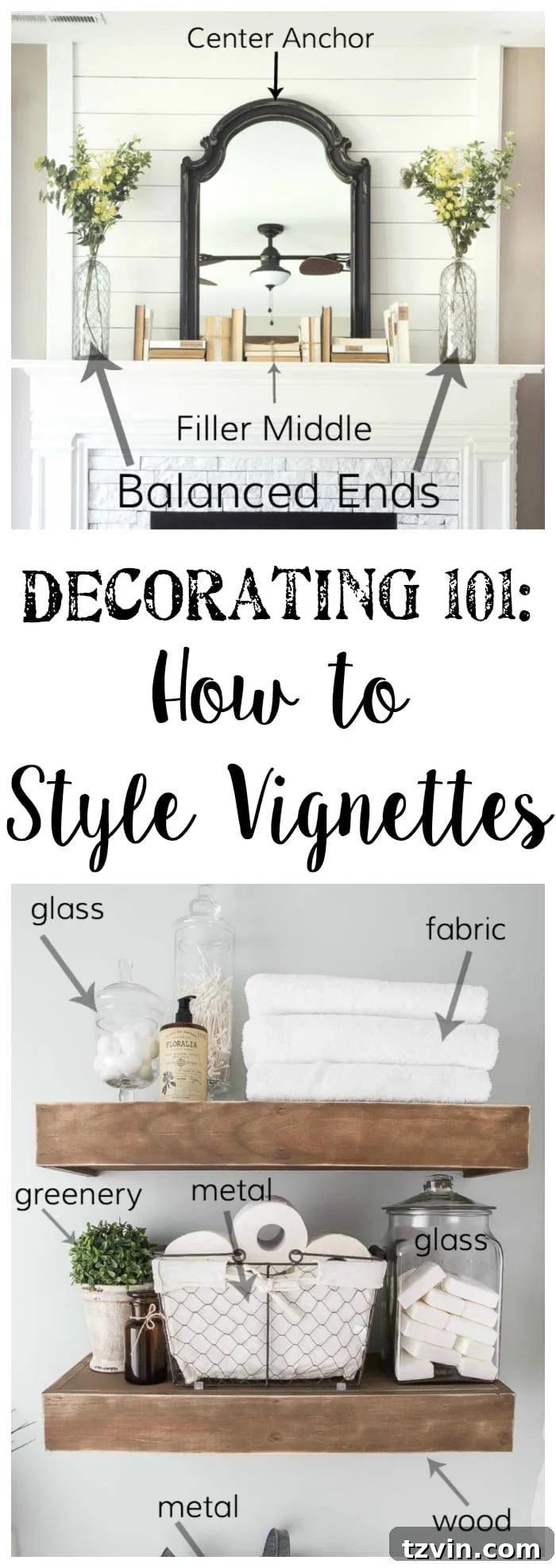
Ready to unlock your inner decorator? Let’s explore the essential principles for creating stunning vignettes that reflect your personal style and enhance your home’s aesthetic.
Expert Tips for Styling Captivating Vignettes:
- Symmetry is Your Design Foundation.
Achieving a harmonious and uncluttered look in your vignettes begins with embracing symmetry. It’s a foundational principle in interior design because it inherently creates a sense of order, balance, and visual calm that is deeply pleasing to the human eye. If you pay close attention to professional designs featured in magazines, showrooms, or television programs, you’ll consistently observe the deliberate application of symmetry. This isn’t merely a trend; it’s a timeless strategy for creating sophisticated and inviting spaces.
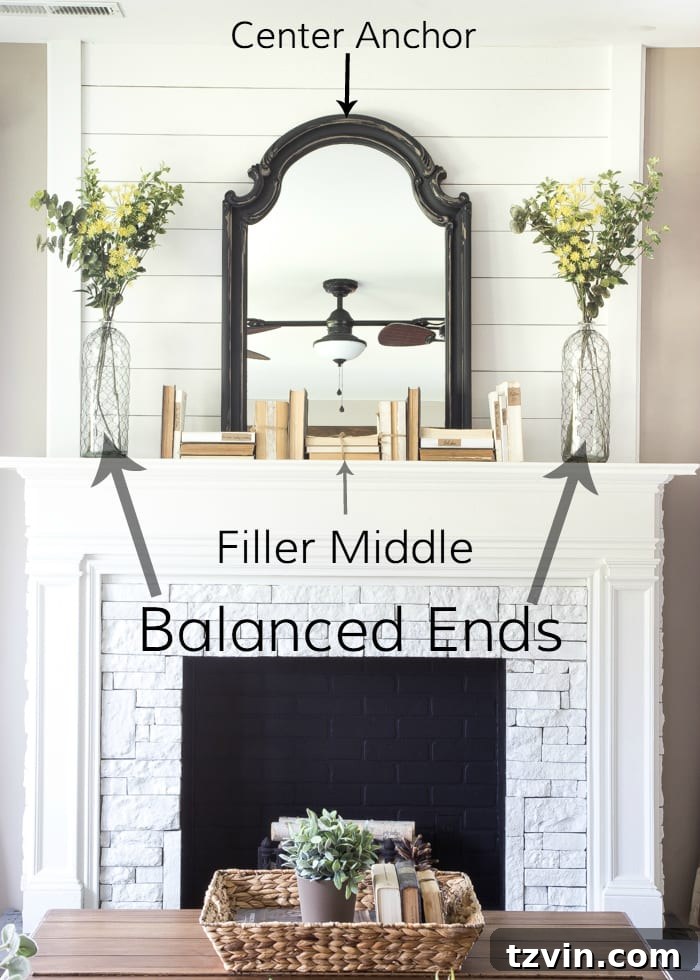
(From post: Thrifted Charcoal Mirror Makeover)
When faced with an empty surface, always begin by selecting a prominent “anchor” or focal point for the very center of your vignette. This central piece should be visually substantial and captivating, drawing the eye instantly. Ideal choices include a striking piece of art, an elegant mirror, or an oversized, uniquely shaped decorative object. This anchor establishes the visual core around which your entire arrangement will be built.
Next, choose two items that are similar in height, scale, and general visual weight, and strategically place one on each side of your central anchor piece. These flanking elements create the balanced framework for your vignette. Classic choices often include tall lanterns, elegant vases, stylish candle holders, or slender sculptures—anything that provides a complementary height to frame your focal point.
Finally, introduce “filler” items into the middle section, surrounding the base of your anchor and between your symmetrical flanking pieces. This is where you can add personal touches and intricate details. Consider stacking a few visually appealing books, arranging a fresh bouquet of flowers, placing an oblong bowl filled with vibrant greenery, or showcasing a curated collection of small objects like antique clocks, varied picture frames, or unique bottles. These filler elements add depth, texture, and personality, ensuring your vignette feels complete and thoughtfully arranged rather than sparse or haphazard.
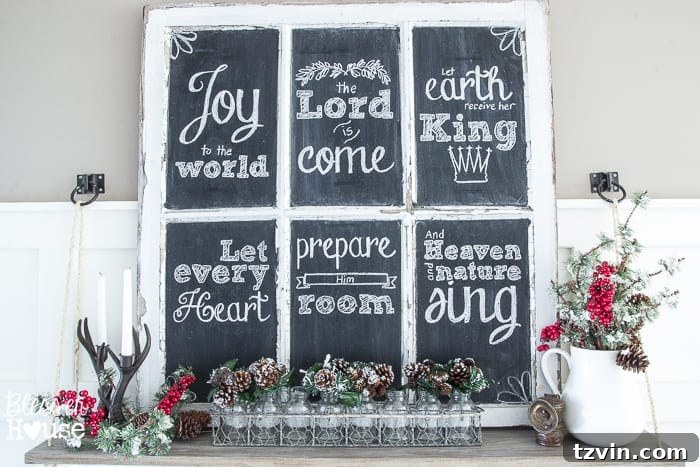
(From post: Christmas Home Tour 2015)
2. Three and Five: The Magic Decorating Numbers. The principles of symmetry are beautifully reinforced by the use of odd numbers, particularly three and five. These numbers are inherently conducive to creating balanced and aesthetically pleasing arrangements without appearing too rigid or contrived. When you group items in threes or fives, you naturally establish a focal point and supporting elements that visually balance each other, leading to a dynamic yet harmonious display.
Consider a tablescape: Starting with three core items, such as a trio of candle holders, immediately establishes a symmetrical anchor. This central grouping forms the backbone of your display, providing structure and definition. Once these anchors are in place, you can then artfully fill the spaces in between with smaller decorative elements, like individual bottles holding delicate flowers or small curios. This layered approach ensures that while the “filler” items add charm and character, the fundamental symmetry provided by the initial three pieces prevents the arrangement from becoming cluttered or chaotic. The entire composition comes alive with the thoughtful placement of these magical numbers.
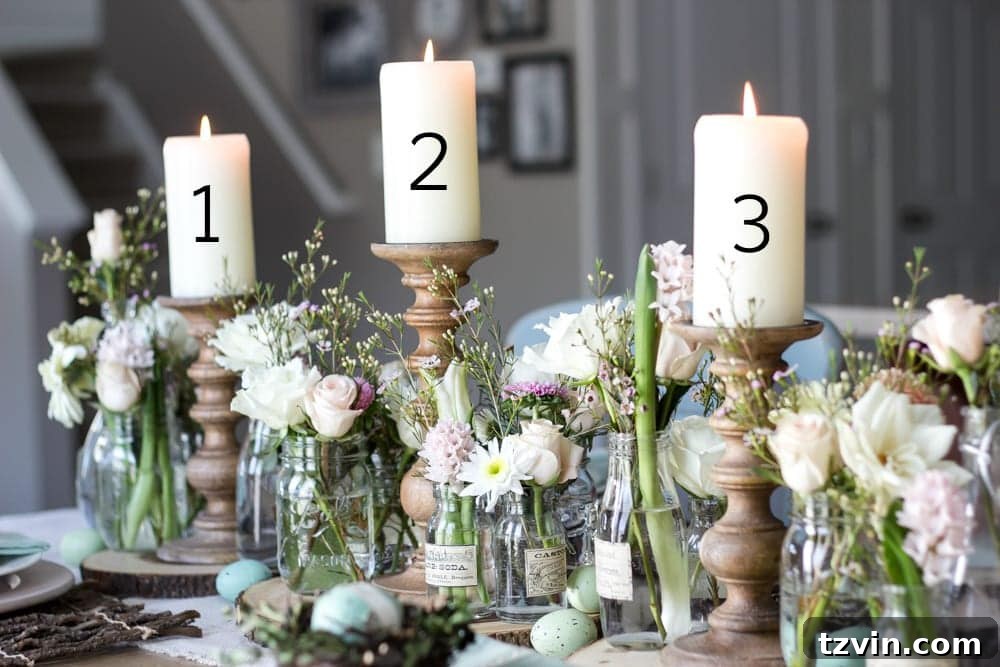
(From post: Easter Brunch Tablescape)
Similarly, working with five items allows for a more expansive yet equally balanced vignette. Imagine a large console table or a wide shelf. Here’s an excellent example demonstrating the power of five:
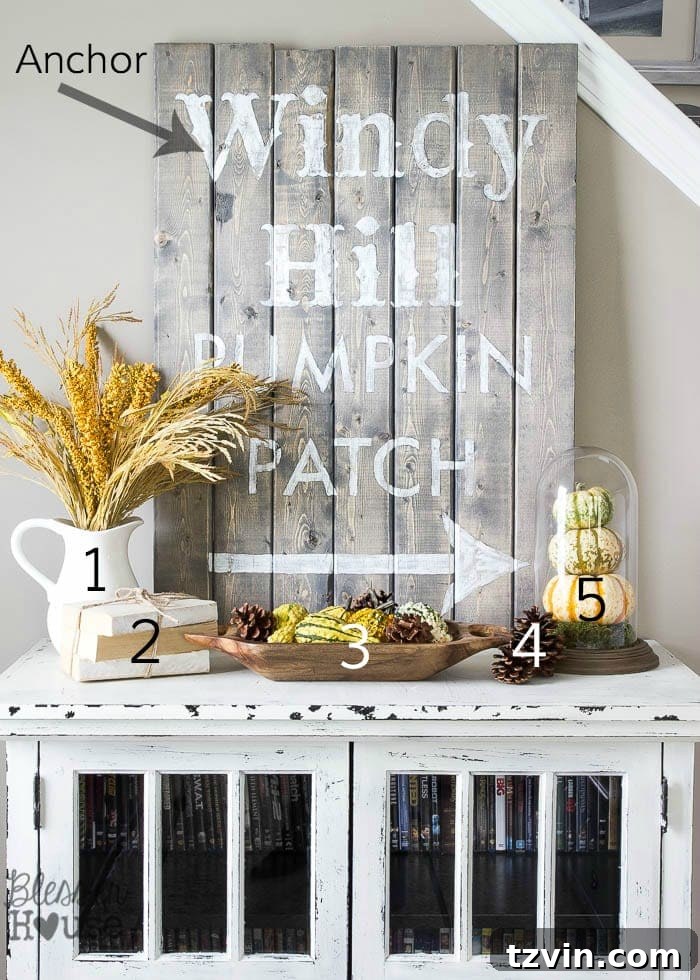
(From the post: DIY Pumpkin Patch Sign)
In this arrangement, the rustic wooden sign serves as the compelling anchor and central focal point. Flanking it are a charming pitcher of wheat and two delicate pumpkin terrariums, which act as the balanced bookends, creating the necessary symmetry. The final two elements, a stack of vintage books, a small wooden bowl, and a handful of decorative pine cones, are strategically placed as sophisticated filler. Together, these five distinct elements work in concert to create a cohesive, balanced, and visually engaging vignette that feels complete and intentionally styled.
3. Mix Materials for Rich Texture and Depth. Even when adhering strictly to the rules of symmetry and odd numbers, a vignette can sometimes fall flat or feel one-dimensional if it lacks textural variety. The secret to a dynamic and visually rich display lies in intentionally mixing different materials. Texture adds depth, interest, and a tactile quality that invites the eye to linger and appreciate each element. If your vignette feels “blah” despite perfect placement, it’s often a sign that you need to introduce more diverse materials.
A good rule of thumb is to incorporate at least one item from each of the following material categories: wood, glass, metal, and natural greenery. Wood elements, whether a rustic tray, a carved sculpture, or a stack of books, bring warmth and an organic feel. Glass pieces, such as vases, bottles, or clear decorative objects, introduce lightness, reflection, and sophistication. Metal accents, like brass candle holders, iron figurines, or framed art, add a touch of industrial chic, shine, or antique charm. And greenery, from a potted plant to a sprig of eucalyptus, instantly injects life, color, and a connection to nature.
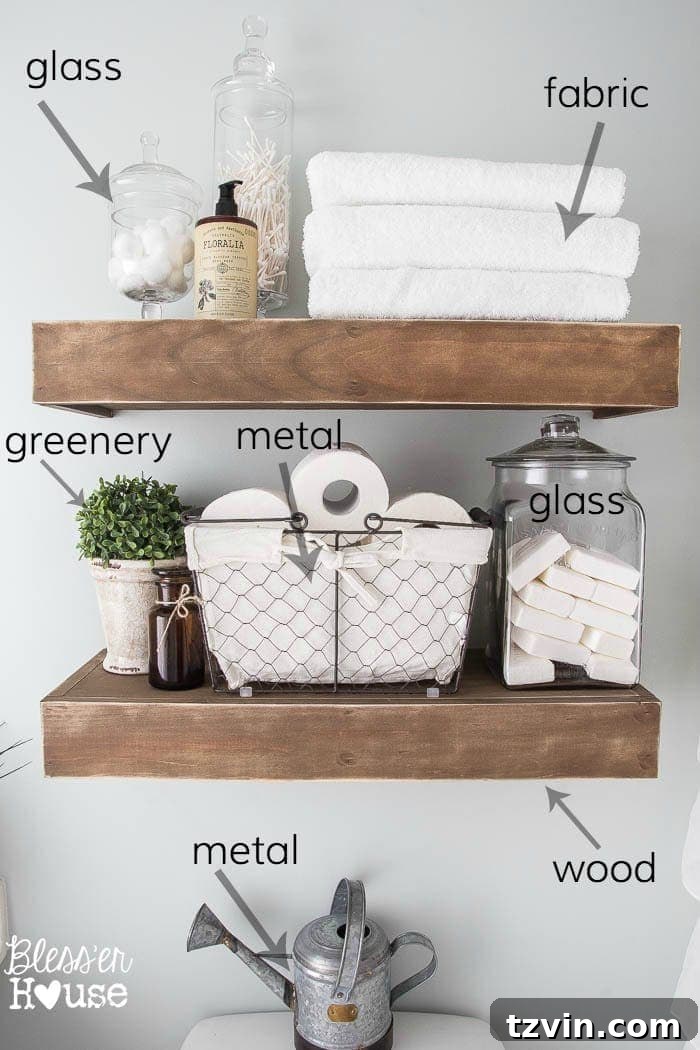
(From post: Modern Farmhouse Bathroom Makeover)
For even greater impact, consider adding materials like paper (think textured art prints or layered books), woven natural fibers (a small basket or a linen runner), or ceramic pieces (a handcrafted mug or decorative bowl). The more variety of textures and materials you thoughtfully combine, the more layered, sophisticated, and visually engaging your vignette will become. Experimentation is key; observe how different materials play off each other, creating a rich tapestry of surfaces and reflections.
4. Always Incorporate an Item or Two from Nature. One of the quickest and most effective ways to infuse life, freshness, and a sense of calm into any vignette is by adding elements from nature. Whether it’s a vibrant bloom, a lush potted plant, or a collection of organic treasures, natural items instantly soften a display, add a touch of the outdoors, and make a space feel more inviting and alive. Whenever a shelf or tabletop arrangement feels incomplete or a bit sterile, reaching for a natural element is often the perfect solution.
Beyond their aesthetic appeal, natural elements offer an effortless way to update your vignettes seasonally. This makes your decor feel current and responsive to the changing year. In the autumn months, swap out summer flowers for rich fall leaves, small gourds, or miniature pumpkins. As winter approaches, introduce elegant pine cones, evergreen branches, sprigs of holly berries, or dried floral arrangements to evoke a cozy atmosphere. Spring is the ideal time for delicate pastel blossoms, budding branches, or cheerful daffodils, signaling renewal and growth. During the vibrant summer, experiment with brighter, bolder blooms, lush ferns, or seashells to capture the season’s energy. This simple seasonal swap breathes new life into your decor with minimal effort, transforming your vignettes into dynamic, evolving displays.
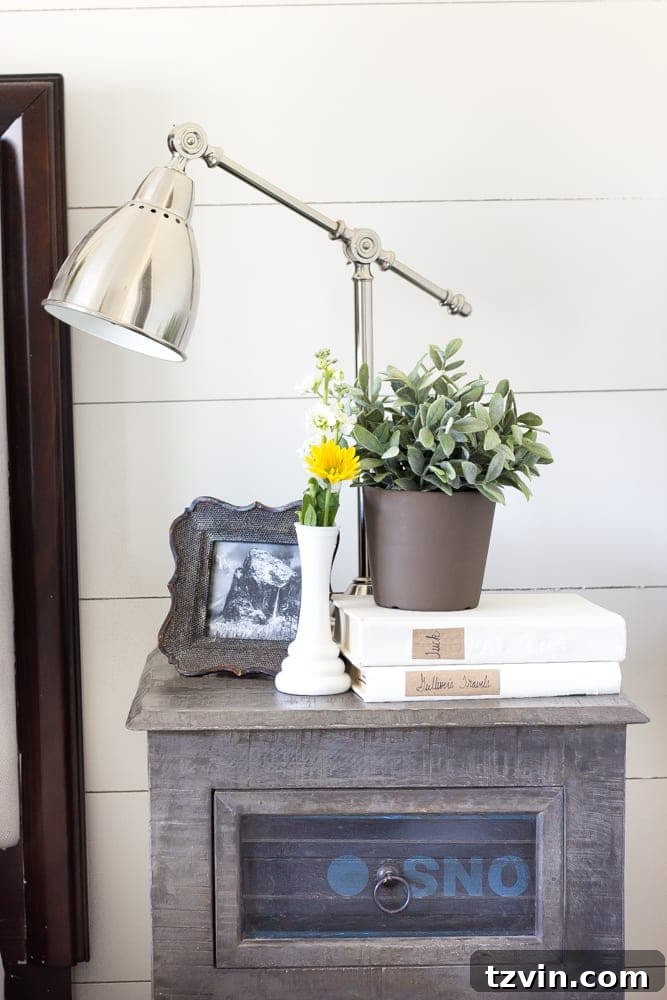
From simple cuttings in a vase to small terrariums, incorporating nature is a design choice that is both impactful and budget-friendly, making it an indispensable tip for any home decorator.
5. Layer a Variety of Different Shapes and Sizes. A compelling vignette is built on visual interest, and one of the most effective ways to achieve this is by varying the shapes and sizes of your decorative items. A flat, monotonous display lacks energy; conversely, an arrangement featuring a mix of heights, widths, and forms creates movement, depth, and encourages the eye to explore. Every successful vignette should consciously incorporate small, medium, and large items to ensure visual hierarchy and dimension.
Beyond varying sizes, playing with different shapes adds another layer of sophistication. Juxtaposing contrasting forms creates an intriguing visual dialogue. For instance, imagine a circular wreath placed strategically against a backdrop of square framed pictures or vertical rectangular shutters. The soft curves of the wreath beautifully break up the straight lines and sharp angles of the other elements, instantly making the entire display feel more inviting, dynamic, and expertly curated. This intentional layering prevents a static appearance, leading the eye naturally through the composition.
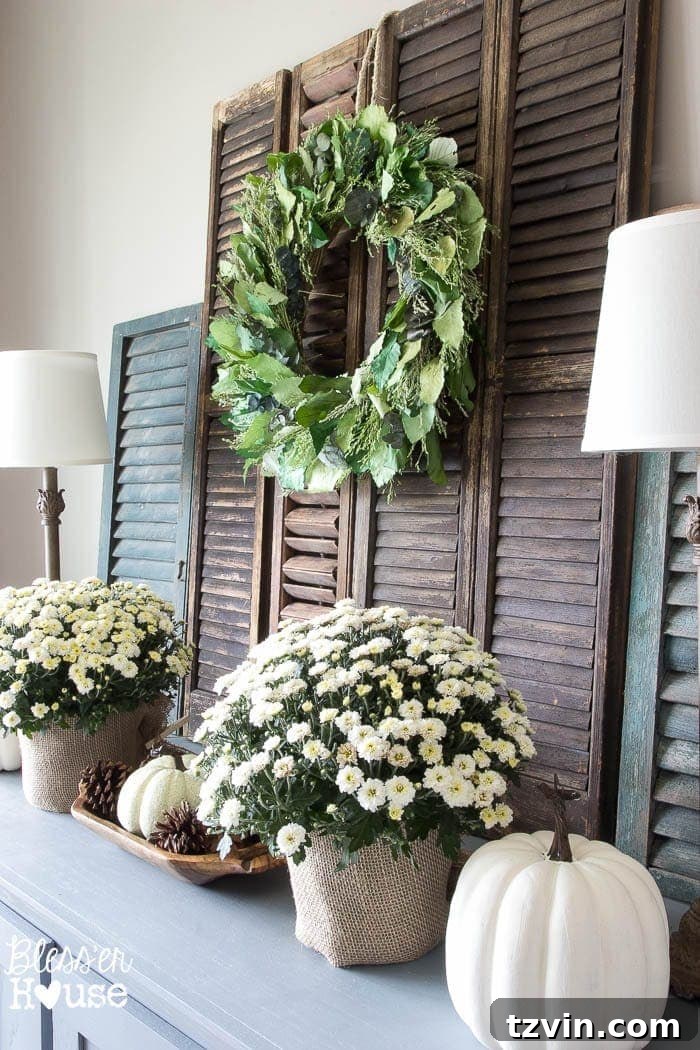
(From post: Fall Home Tour 2015)
Think about combining linear objects with organic shapes, geometric forms with free-flowing elements, or smooth textures with jagged edges. These deliberate contrasts create visual tension and excitement, ensuring your vignette is far from boring. Experiment with stacking, leaning, and overlapping items to build layers and give your display a three-dimensional quality that draws observers in.
6. Create Visual Balance in Your Arrangement. While symmetry is a powerful tool, not every vignette needs to be perfectly mirrored to achieve balance. Think of your shelf, mantel, or tabletop as a seesaw; the goal is to distribute visual weight evenly across the surface, preventing one side from feeling heavier or more crowded than the other. Achieving visual balance ensures that your arrangement feels stable, harmonious, and pleasing to the eye, even when using asymmetrical elements.
If you place a tall, dominant item on one side of your display, you should counterbalance it with an item or a grouping of items of similar visual weight or height on the opposite side. This doesn’t mean they have to be identical, but their combined presence should create an equilibrium. For example, a single substantial vase might be balanced by a cluster of three smaller objects or a framed print of comparable height. The key is to perceive the “weight” each object carries visually – its size, color, texture, and density all contribute to this perceived weight.
Consider this example: on this shelf, a taller picture frame on the left is intentionally positioned opposite a hanging dress on the right. While they are completely different objects, their verticality and visual presence effectively balance each other. If the dress were absent, the tall picture frame would make the left side feel significantly heavier, throwing the entire composition off balance. By thoughtfully arranging items so that visual “pressure” is evenly distributed, you create a sense of calm and order that defines a well-styled vignette. It’s about thoughtful compensation and ensuring no single element overwhelms another.
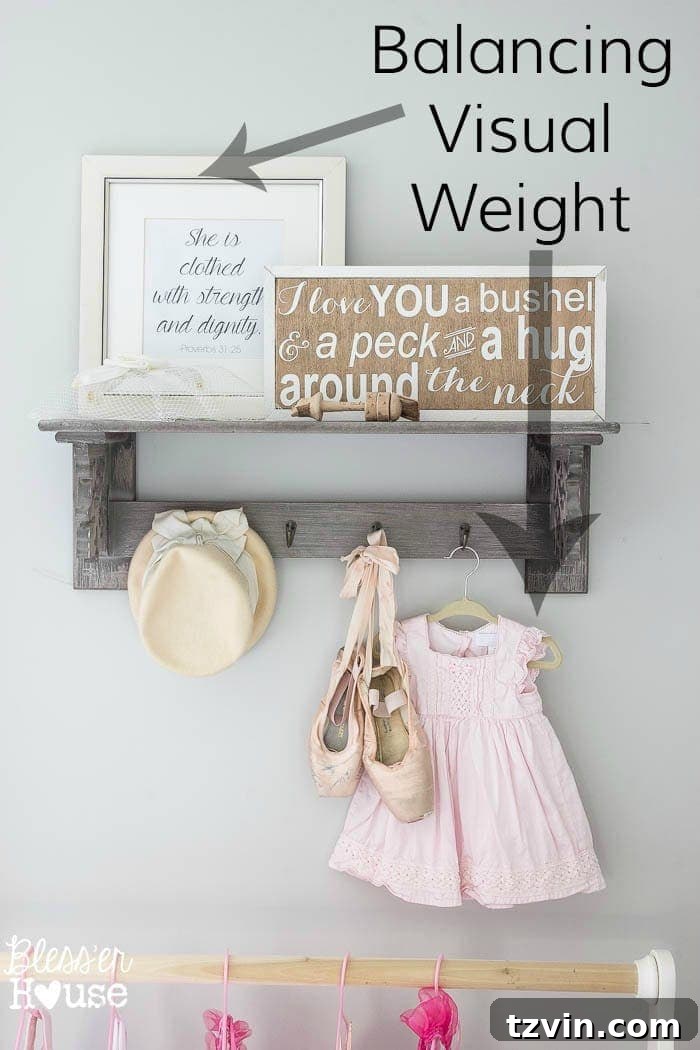
(From post: Ballerina Girl Bedroom Makeover)
Mastering balance allows for greater creative freedom, enabling you to combine diverse elements into a cohesive and stylish arrangement that looks effortlessly sophisticated.
Applying these six essential decorating rules will undoubtedly transform the way you approach styling your home. From the calming power of symmetry to the dynamic interplay of textures and the vital touch of nature, each tip offers a practical step towards creating beautiful and engaging vignettes. Don’t be afraid to experiment with items you already possess; often, the most charming displays are born from thoughtful rearrangement and a fresh perspective on familiar objects.
Now it’s your turn to unleash your creativity! Start by surveying your home for potential decor pieces, then pick a surface and begin styling. I encourage you to try these methods and discover how easily you can achieve a designer look. Do you have any personal styling secrets or favorite decorating tips you swear by? We’d love to hear them! Share your insights and inspire fellow readers in the comments below, because in the world of home decor, there’s always something new to learn and share. Happy decorating!