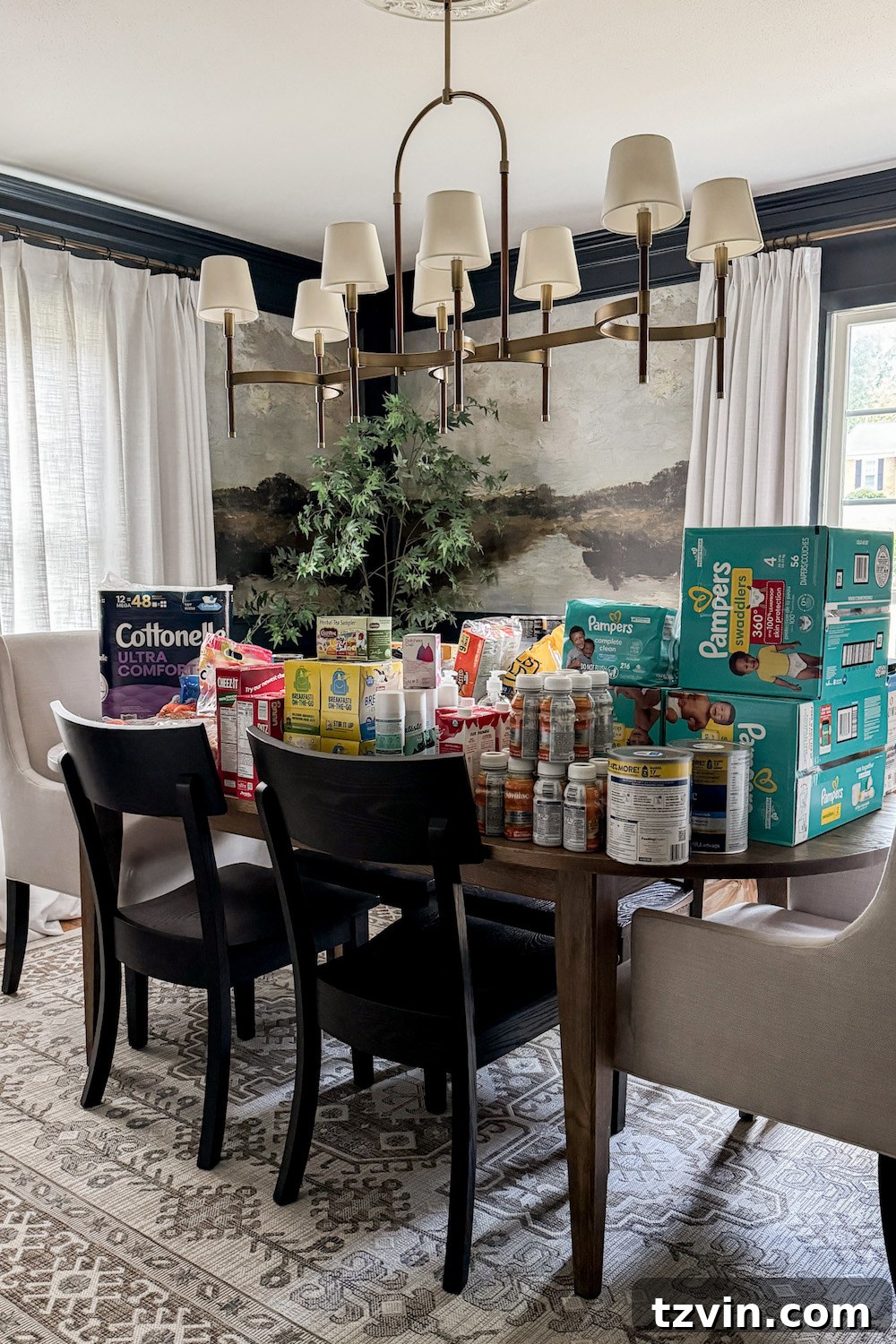
Essential Home Disaster Kit: Your Ultimate Guide to Emergency Preparedness
In light of recent events that have impacted communities across the Carolinas and beyond, the topic of emergency preparedness has taken on a new and critical urgency. While it’s not something we typically discuss, my husband Robert and I have prioritized maintaining a well-stocked home disaster kit for many years. We’ve learned that unforeseen emergencies can strike at any moment, making proactive preparation absolutely essential for family safety.
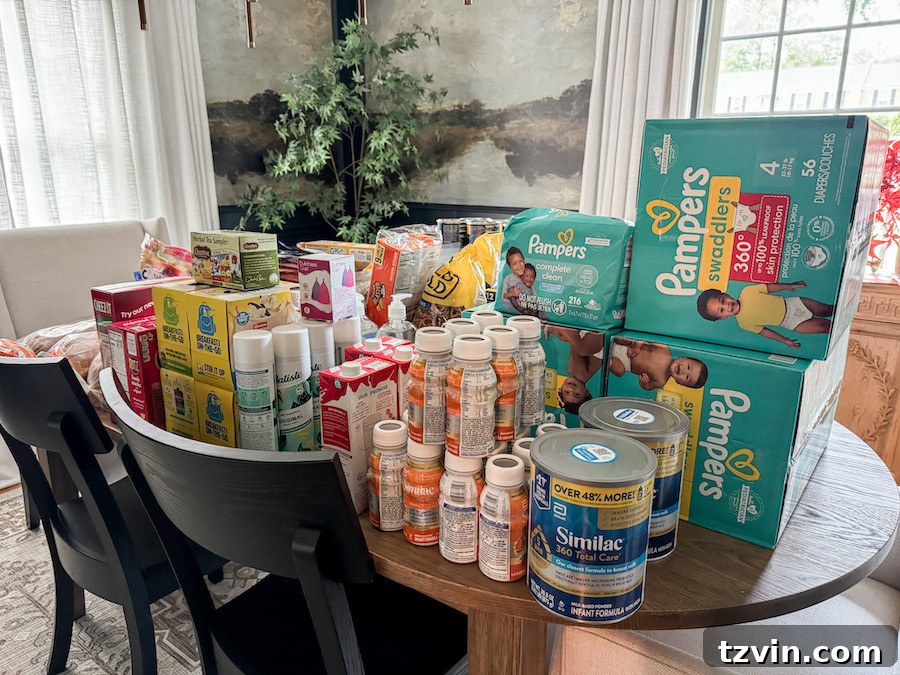
Just yesterday, as we gathered supplies to deliver to affected areas in Western North Carolina, a powerful realization hit: this vital information needs to be shared. People truly NEED to understand how to prepare effectively for potential disasters.
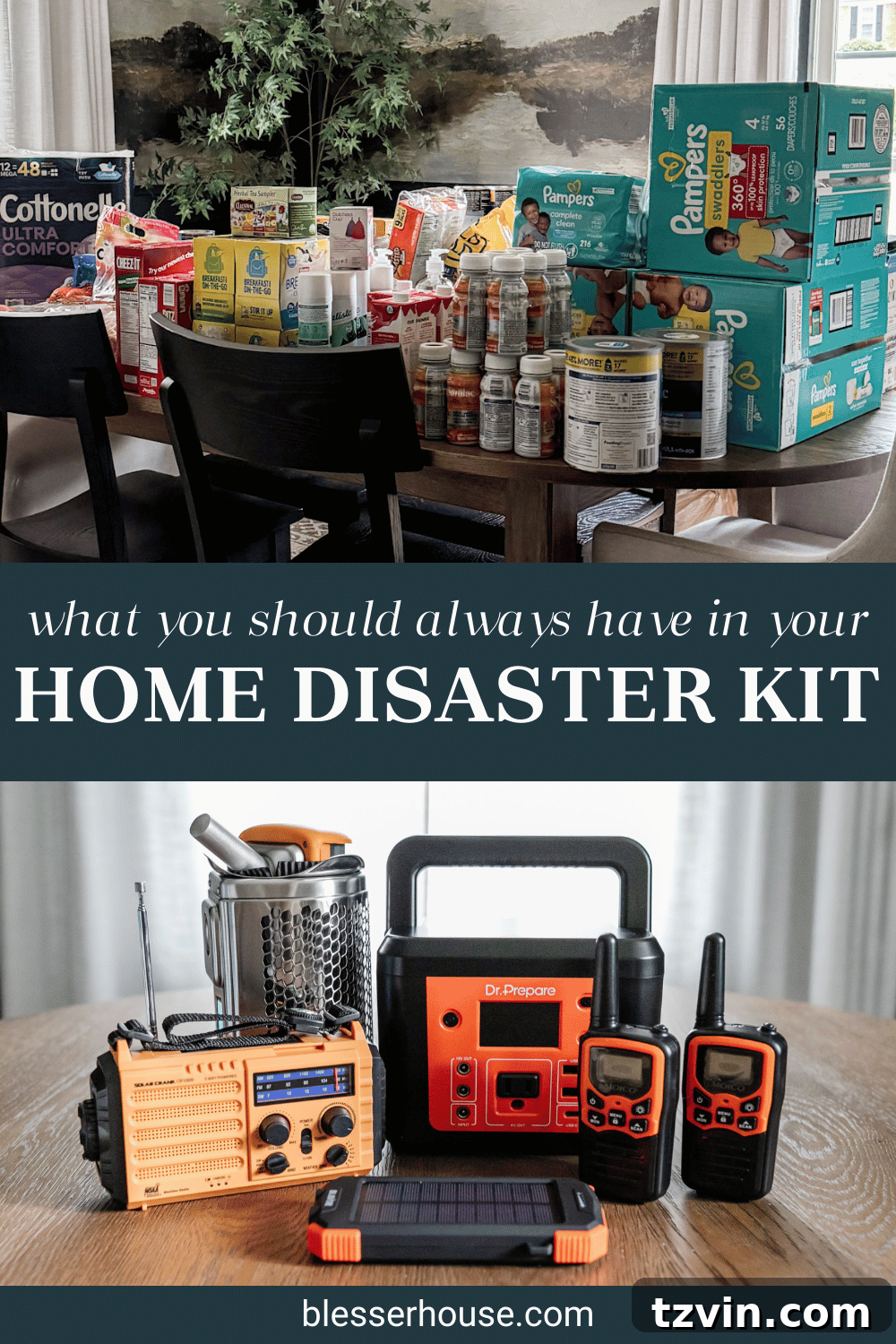
Proactive Emergency Planning: Steps to Take Before Disaster Strikes
My husband, Robert, gained invaluable experience during his time in the Marine Corps, participating in Hurricane Katrina relief efforts and undergoing extensive survival training. His insights have profoundly influenced how we prepare our household for natural disasters. The key takeaway? Preparation is paramount.
Taking these essential steps now can significantly enhance your family’s safety and resilience when an emergency arises:
- Enroll in a First Aid Course: Knowing basic first aid can be life-saving. The Red Cross offers online first aid courses that take as little as two hours to complete. I completed one before my oldest child was born, and I’m incredibly grateful I did. It provides critical skills for treating injuries and illnesses when professional medical help might be unavailable.
- Develop a Family Emergency Plan: Creating a clear and concise emergency plan with your family is non-negotiable. Discuss in detail with your children what to do, where to meet, and how to communicate in various scenarios. Practice these plans regularly so everyone knows their role.
- Engage in Community Safety Training: Check for local community events offering safety training, especially those for children with local firefighters or emergency services. These programs can teach valuable skills and foster a sense of preparedness.
- Assemble Your Disaster Kit Proactively: Gather and inventory all necessary supplies long before any storm or emergency is even forecasted. Waiting until a disaster is imminent often leads to supply shortages, panic buying, and inflated prices. By compiling your disaster kit well in advance, you avoid contributing to panic and ensure you have what you need when it matters most.
Immediate Preparations: Tasks for 24 Hours Before a Storm
One small advantage of a hurricane, unlike sudden events like earthquakes or tornadoes, is the precious window of time it often provides for preparation. When a hurricane is forecasted for our area, we diligently complete these tasks the day before its expected arrival:
- Fuel Up Vehicles: Ensure all family vehicles have full tanks of gas. This is crucial for evacuation or simply for charging devices if power goes out and you need a temporary power source.
- Generator Check and Fuel: If you own a generator, test it to ensure it’s in working order and confirm you have an adequate supply of fuel. Generators are invaluable for maintaining essential power during extended outages.
- Pack Go Bags and Storage Bins: Fill your “go bags” (or “bug-out bags”) and larger storage bins with all necessary supplies. We’ll detail specific contents below, but having everything packed and ready saves precious time.
- Prepare Emergency Water Ice Blocks: Fill Tupperware containers or 2-liter bottles with water and place them in the freezer. If the power goes out, these frozen blocks can be transferred to your refrigerator to keep food cold longer, slowing spoilage. Once melted, they also serve as a backup source of drinkable water.
Always remember, the four fundamental priorities in any disaster situation are: **protection, rescue, water, and food.** These pillars will guide your preparedness efforts.
*Please note that our emergency kit in the accompanying photos may appear slightly less full than usual, as some resources have already been utilized for recent storm relief efforts.
I have included affiliate links in this blog post. However, we are committed to donating all affiliate commissions earned from this post this week to Hurricane Helene relief efforts, at no additional cost to you. Full disclosure.
Strategic Kit Storage: Keeping Your Supplies Accessible and Protected
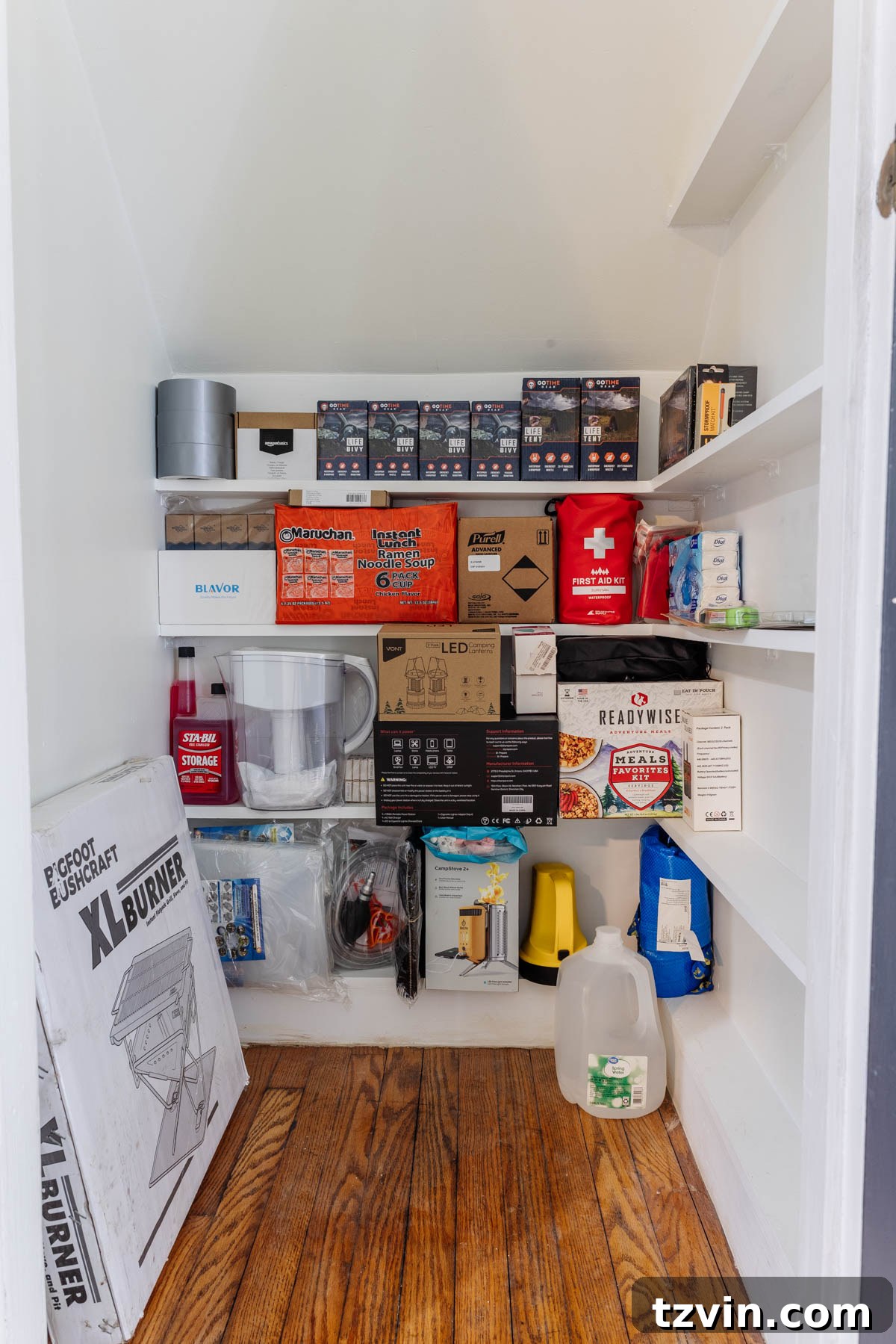
Effective storage is just as important as the contents of your emergency kit. The items detailed in this guide represent our recommended stash, with the most absolutely essential basics highlighted at the end of the post for those just starting out.
At a minimum, aim to store your emergency supplies in a cool, dry place away from direct sunlight and off the floor, such as a closet shelf or cabinet. For superior protection against extreme disaster scenarios, we highly recommend investing in a waterproof backpack for each family member and a large, lidded waterproof storage bin for bulk items.
The Indispensable “Go Bag” (Bug-Out Bag)
Our family prioritizes having individual “go bags,” which are essentially waterproof backpacks, for each adult. These bags contain the absolute most essential items needed for survival for at least 72 hours. In a critical situation where you only have moments to evacuate, grabbing your go bag ensures you have the fundamental resources to sustain yourselves until you can reach safety or additional aid. It’s designed for rapid deployment when immediate evacuation is necessary due to fire, flood, or other imminent threats.
What Every Go Bag Should Contain: Your 72-Hour Survival Checklist
When packing a go bag, every item should be chosen for its utility, compactness, and ability to support short-term survival. Think minimal, multi-purpose, and life-sustaining. Here’s what we include:
- Hydration Essentials:
- Gallon-sized water bottle: Can be easily clipped to the outside of the bag with a carabiner for quick access.
- LifeStraw personal water filter: Converts unsafe water sources into drinkable water, a crucial tool when tap water is unavailable or contaminated.
- Nutritional Support:
- Non-perishable food for 3 days: Focus on high-protein, calorie-dense foods that take up minimal space. Think jerky, protein bars, peanut butter packets, and dried fruit. These provide maximum fuel with minimal weight.
- Health and Safety:
- Compact first aid kit: Essential for treating minor injuries and illnesses. Include any necessary prescription medications, clearly labeled and with dosages.
- Hand sanitizer and wet wipes: For maintaining basic hygiene when water is scarce, preventing infection.
- Insect repellent and sunscreen: Protect against environmental hazards, especially if you’ll be outdoors for extended periods.
- Whistle: For signaling for help or attracting attention.
- Contact saline solution & spare eyeglasses: Crucial for those who rely on corrective vision.
- Tools and Utilities:
- Multipurpose tool (like a Leatherman): Combines pliers, knives, screwdrivers, and more into one compact device.
- Flashlight (and extra batteries or a hand-crank option): For illumination in dark conditions.
- Waterproof matches and fire starter: For warmth, cooking, and signaling.
- Pocket knife: Versatile for various tasks.
- Duct tape: A universal repair tool for almost anything.
- Work gloves: Protect hands from debris and injury.
- Shelter and Warmth:
- Emergency blanket / tent: Lightweight options for immediate shelter and warmth.
- Sturdy shoes, socks, and a change of clothing: Practical, durable clothing suitable for various weather conditions and walking long distances.
- Communication and Navigation:
- Solar powered phone charger: To keep essential communication devices running.
- Solar crank radio: For receiving emergency broadcasts and weather updates.
- Paper map of your local area & compass: Essential for navigation when GPS is unavailable.
- Important Documents and Currency:
- Cash in small bills: ATMs and electronic payment systems may not work during power outages.
- Important documents in a fireproof/waterproof pouch: Copies of IDs, insurance policies, and critical contact numbers.
The All-Purpose Grab-and-Go Bin: For Shelter-in-Place Scenarios
Beyond the individual go bags, a larger, communal “grab-and-go bin” houses the rest of your comprehensive emergency kit. We recommend a durable, waterproof storage solution like the Rubbermaid ActionPacker Bin. While our main emergency supplies are stored accessibly in a closet, this bin is kept nearby, ready to be quickly filled with additional items and moved if necessary.
This bin is particularly useful for “shelter-in-place” scenarios. For example, during a tornado watch, we pre-stock the bin with essentials. Should a tornado warning be issued, we immediately grab the bin and move to our designated safe zone – our downstairs, windowless central bathroom – ensuring we have immediate access to all vital supplies for the duration of the threat. This two-tiered approach (individual go bags and a communal bin) ensures maximum flexibility and preparedness for various disaster types.
Sustenance in Crisis: Essential Food and Water Supplies
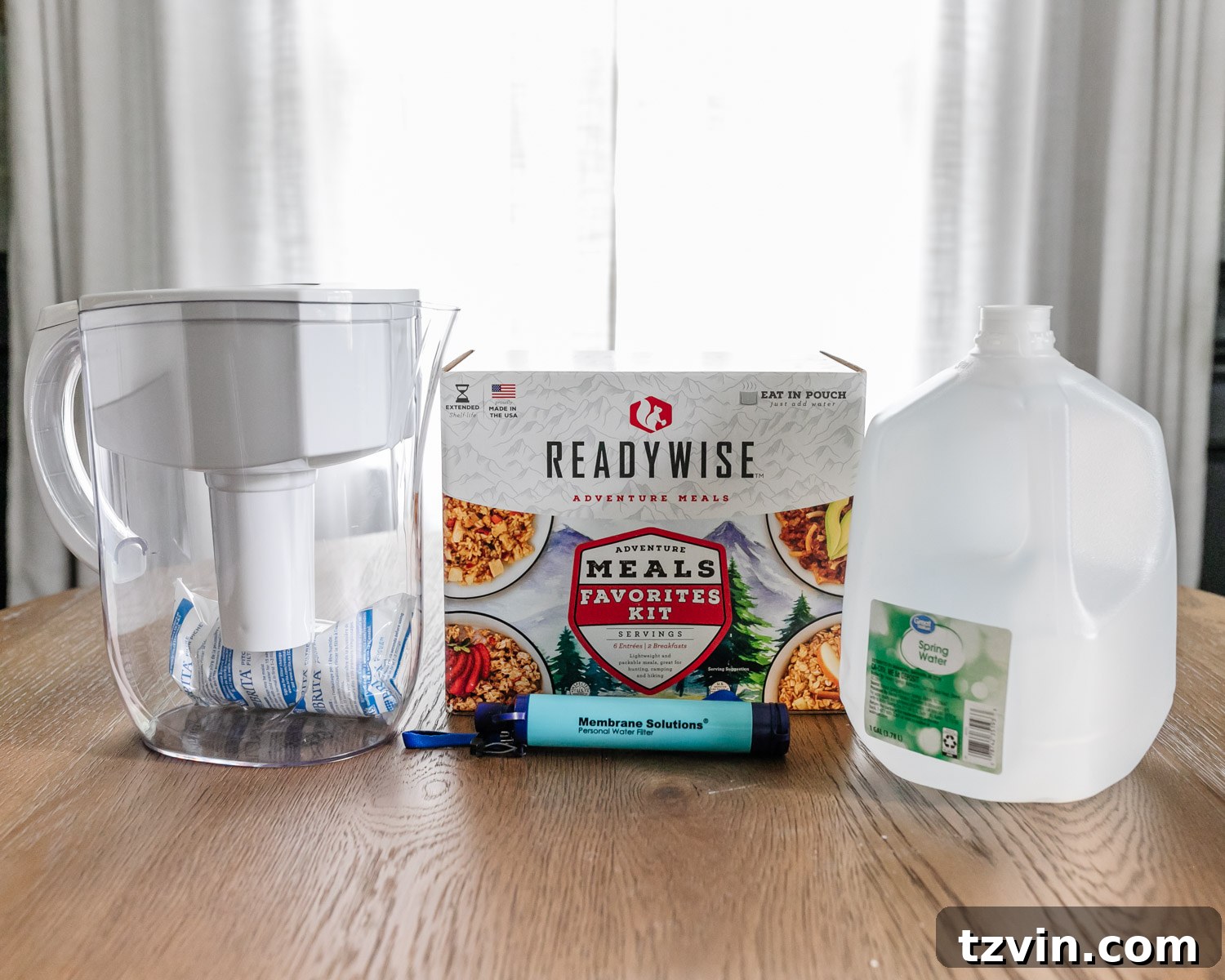
Access to safe drinking water and nutritious food is paramount during an emergency. We cannot stress enough the importance of having these items readily available. FEMA (Federal Emergency Management Agency) recommends storing at least a 3-day supply of water, with a guideline of 1 gallon per person per day. Even without specialized storage systems, simply filling pitchers and other clean containers with tap water before a storm can make a significant difference.
Here are some of our highly recommended items for robust food and water preparedness:
- Water Storage Cubes: These collapsible jugs are incredibly efficient for storing large quantities of water. We pre-fill ours before a hurricane hits. During recent events, when bottled water was scarce, these allowed us to purify our own water and send crucial supplies to affected areas. A single 5.3-gallon jug can provide drinking water for one person for five days.
- AquaPod Kit: This ingenious water storage bag is designed to be filled in your bathtub, holding up to 100 gallons of water. It’s a fantastic solution for maximizing water storage with relatively short notice (typically 24-48 hours before a hurricane). The bag protects the water from contaminants, keeping it safe for use.
- LifeStraw Personal Water Filter: This compact yet powerful filter makes virtually any unsafe water source drinkable. It effectively removes bacteria, parasites, and microplastics, providing up to 1,000 gallons of clean, safe drinking water. For a more budget-friendly alternative, the Membrane Solutions personal filter offers comparable effectiveness.
- ReadyWise Emergency Food Supply: While we used to rely heavily on canned goods, rotating them before expiration was a constant challenge. This type of emergency food supply kit offers a remarkable shelf life of up to 25 years, making long-term food storage much more manageable and reliable.
Recommended Food Categories for Your Emergency Stash
For detailed guidance on how and where to store your food supply, and what specific kinds of food to keep stocked, consult the Food and Water in an Emergency list from FEMA. In addition to long-term emergency rations, we maintain a stock of these readily accessible food items:
- Protein-Rich Foods: Ready-to-eat meats (like tuna, beef jerky, and Spam – these are our top staples!), beans, and peanut butter. These are vital for sustained energy.
- Canned Goods: A variety of canned fruits, vegetables, and juices to provide essential vitamins and minerals.
- Grains and Starches: Crackers, pretzels, granola bars, oatmeal, and rice offer carbohydrates for energy.
- Dairy Alternatives: Shelf-stable boxed milk or powdered milk, and shelf-stable boxed protein shakes provide dairy and additional protein.
- Comfort and Convenience Items: Canned soups (easily heated), honey (a long-lasting sweetener), instant coffee, and tea bags can offer a sense of normalcy and comfort.
- Dining Supplies: Paper plates, disposable cups, and disposable utensils reduce the need for water-intensive dishwashing.
- Tool for Food Access: Crucially, keep a manual can opener in your stash – electric ones are useless without power!
Special Considerations:
- Infants and Toddlers: If you have young children, plan to store an adequate supply of formula, baby food, and any specific medications they may need.
- Pets: Don’t forget your furry family members! Store a container of pet food. A portable pet water bottle can also be very helpful.
Maintenance is Key: Make it a habit to check expiration dates every six months. Rotate out any items nearing their expiration by using them in your daily meals and immediately replacing them with fresh supplies. If you lose power, prioritize eating perishable food from your refrigerator first, followed by freezer items (which can last up to 48 hours if the freezer remains closed), before finally turning to your non-perishable pantry items.
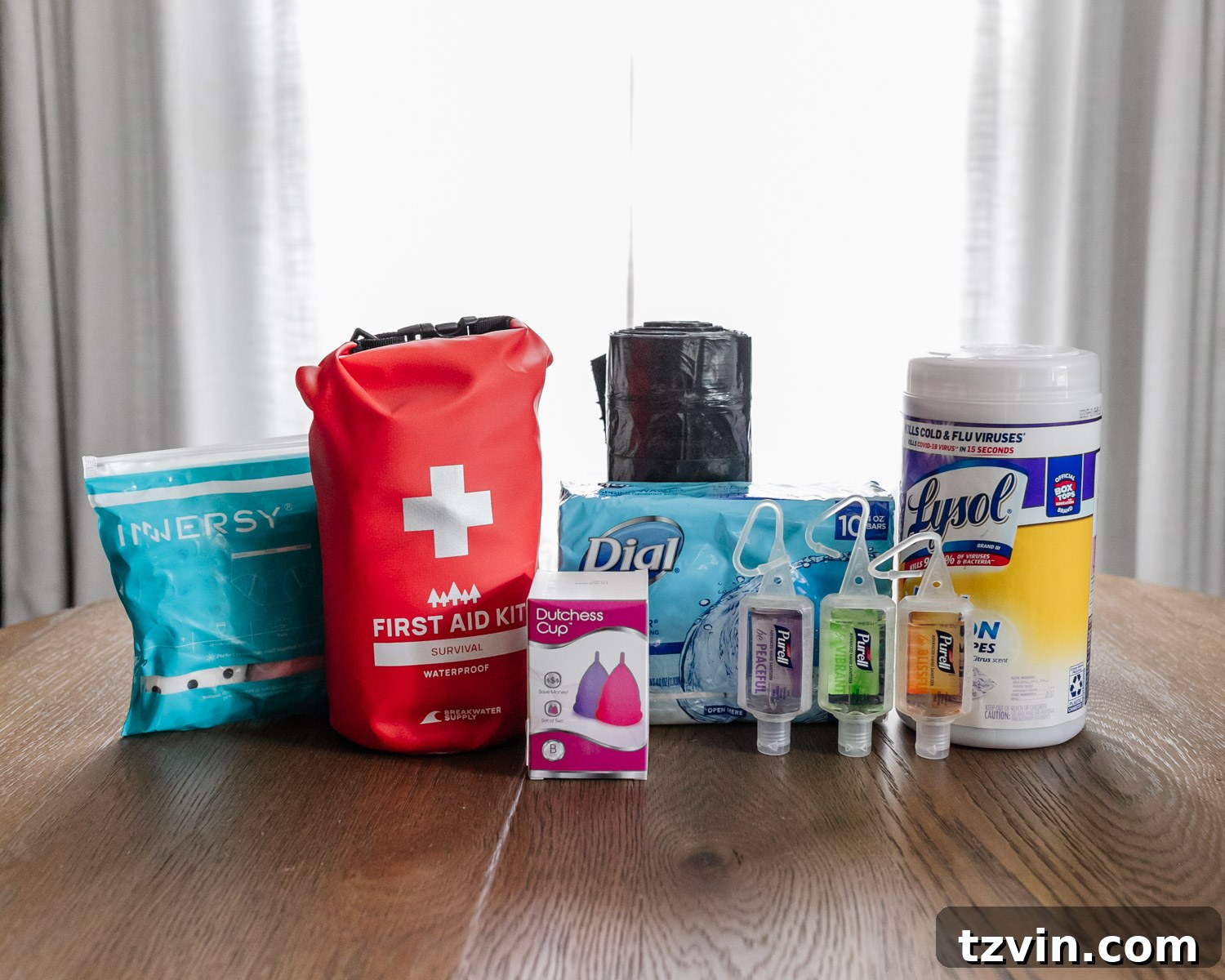
Prioritizing Hygiene and Health in Emergency Situations
Maintaining personal hygiene and treating medical issues promptly are crucial for preventing illness and infection, especially in disaster conditions where medical services might be compromised. Robert’s experience last year with a severe staph infection from a seemingly minor cut underscored for us just how vitally important it is to properly treat wounds and stay clean.
Beyond a well-stocked first aid kit, ensure you have at least a month’s supply of all necessary prescription medications in your emergency stockpile. Additionally, plan to store the following:
- Oral Care: Toothbrushes and toothpaste for everyone.
- Vision Care: Contact lens saline solution and an extra pair of eyeglasses if applicable.
- Feminine Hygiene: Products such as pads or tampons. A menstrual cup is an excellent, long-lasting, and reusable option that can serve for several years.
- Soap: Simple, antibacterial soap like Dial is effective and economical for general cleaning.
- Personal Protection: Bug repellent to prevent insect-borne diseases and sunscreen to protect against prolonged sun exposure.
- Infant Care: Diapers, wipes, and diaper rash cream for families with infants or toddlers.
Consider these specialized hygiene products for critical situations:
- Biodegradable Body Wipes: When water is scarce, these are an absolute must for maintaining personal cleanliness and preventing skin infections or illnesses. They provide a quick and effective way to feel refreshed without water.
- Waterproof First Aid Kit: This specific kit is waterproof, floats, and comes with a carabiner clip, allowing you to attach it directly to your go-bag. This ensures critical medical supplies are always protected and accessible for any emergency.
- Hand Sanitizer: Not all sanitizers are created equal. We trust Purell, often used in hospitals, for its proven efficacy in killing germs. A reliable hand sanitizer is essential for preventing the spread of disease when handwashing facilities are unavailable.
Furthermore, don’t overlook cleaning supplies vital for maintaining sanitary conditions:
- Garbage bags: For waste disposal and maintaining a clean environment.
- Clorox wipes: For disinfecting surfaces.
- Work gloves and chemical-resistant gloves: To protect hands during cleanup or handling potentially hazardous materials.
- Dust masks: To protect against airborne particles from debris or mold.
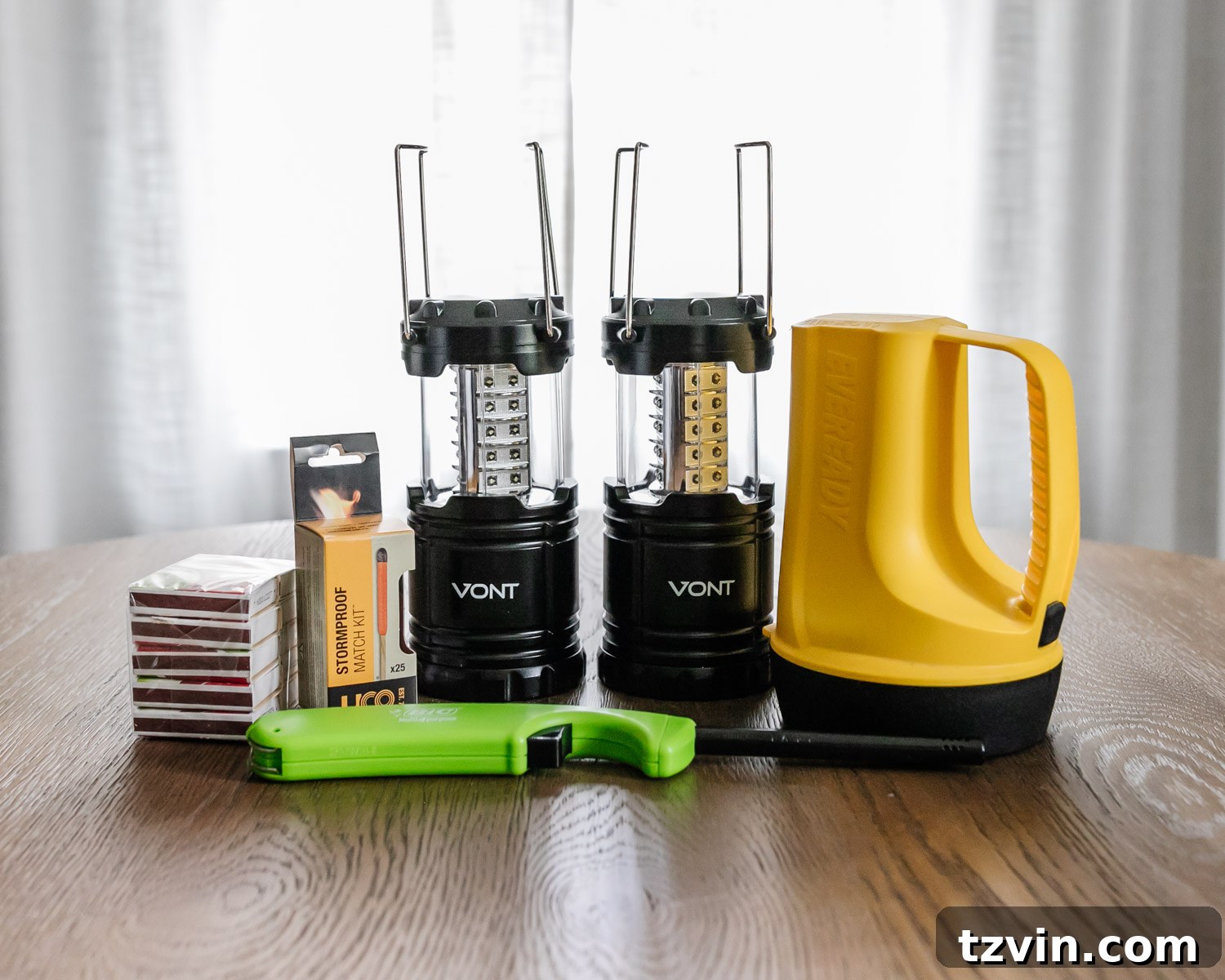
Essential Heat and Light for Power Outages
Power outages are one of the most common challenges during emergencies, making reliable sources of heat and light indispensable. Over the years, we’ve extensively tested various lighting solutions and have found certain products to be consistently effective. Here are our top recommendations:
- Waterproof Camping Lantern: This versatile lantern offers significant runtime (up to 25 hours per charge) and boasts solar charging capability, making it sustainable for extended periods. As an added bonus, it can also serve as an emergency backup charger for your phone, providing both light and power.
- Stormproof Match Kit: A reliable fire source is critical. This kit comes in a waterproof case containing 25 windproof and waterproof matches. These matches are designed to relight even after being submerged in water, ensuring you can start fires in challenging conditions.
- Insta-Fire Fire Starter: For quick and easy fire ignition, these fire starters are incredibly effective. A single pack can facilitate up to 120 fires across 30 individual uses, simplifying the process of getting a fire going for warmth or cooking.
- BioLite CampStove: This innovative wood-burning camping stove generates electricity while it cooks, featuring a built-in USB charger. It functions as a portable grill, coffee press, and kettle, allowing you to boil water and cook meals. Crucially, it runs on readily available biomass like twigs and pinecones, ensuring a continuous fuel supply even when other resources are scarce.
- 3-in-1 Portable Grill and Fire Pit: A more budget-friendly alternative to the BioLite CampStove, this unit provides a reliable way to build a fire for cooking, boiling water, and staying warm. While it doesn’t offer electricity generation, its simplicity and effectiveness make it a valuable addition to any kit.
- Solar Powered Head Lamp: For tasks requiring both hands, a headlamp is invaluable. This solar-powered option eliminates the need to stockpile batteries, providing consistent, hands-free illumination with the ability to recharge using sunlight.
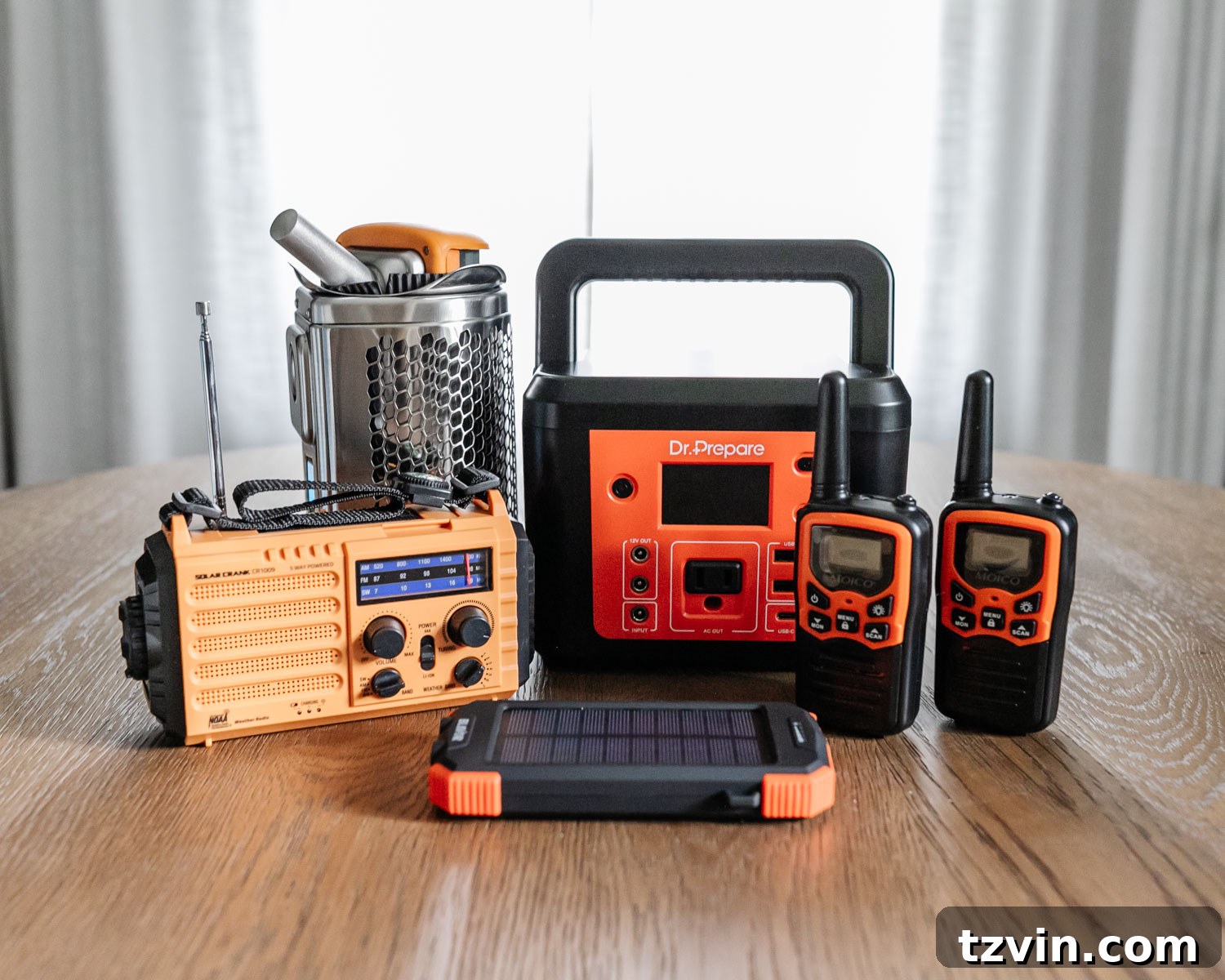
Staying Connected: Power and Communication Essentials
In a world reliant on digital connectivity, losing power and communication can be incredibly isolating and dangerous during an emergency. Even in daily life, I always carry a small backup charger in my purse, a habit that underscores the importance of being prepared for the unexpected. Here are our recommendations for ensuring you stay powered and connected:
- Solar Powered Phone Charger: When the grid is down, solar power is your best friend for keeping essential devices charged. This specific model also includes a built-in flashlight, adding another layer of utility. It’s an indispensable item for maintaining communication.
- Solar Generator: While gas-powered generators typically offer higher performance, a solar generator provides a sustainable power source, particularly beneficial when gasoline supplies are scarce or inaccessible. For those who prefer gas-powered options, the Honda generator is widely regarded as one of the best on the market for reliability and efficiency.
- Long Range Walkie Talkies: These are excellent for maintaining communication within your group, especially if someone needs to leave for a supply run or to seek help. They operate independently of cell towers and electricity, making them a reliable option when traditional networks fail.
- Solar Hand Crank Radio: This NOAA weather alert radio is a crucial piece of equipment. It features a built-in flashlight, a USB output port for charging small devices, and an SOS alarm. Its ability to operate via solar power or a hand crank ensures you can receive vital weather updates and emergency broadcasts even during extended power outages.
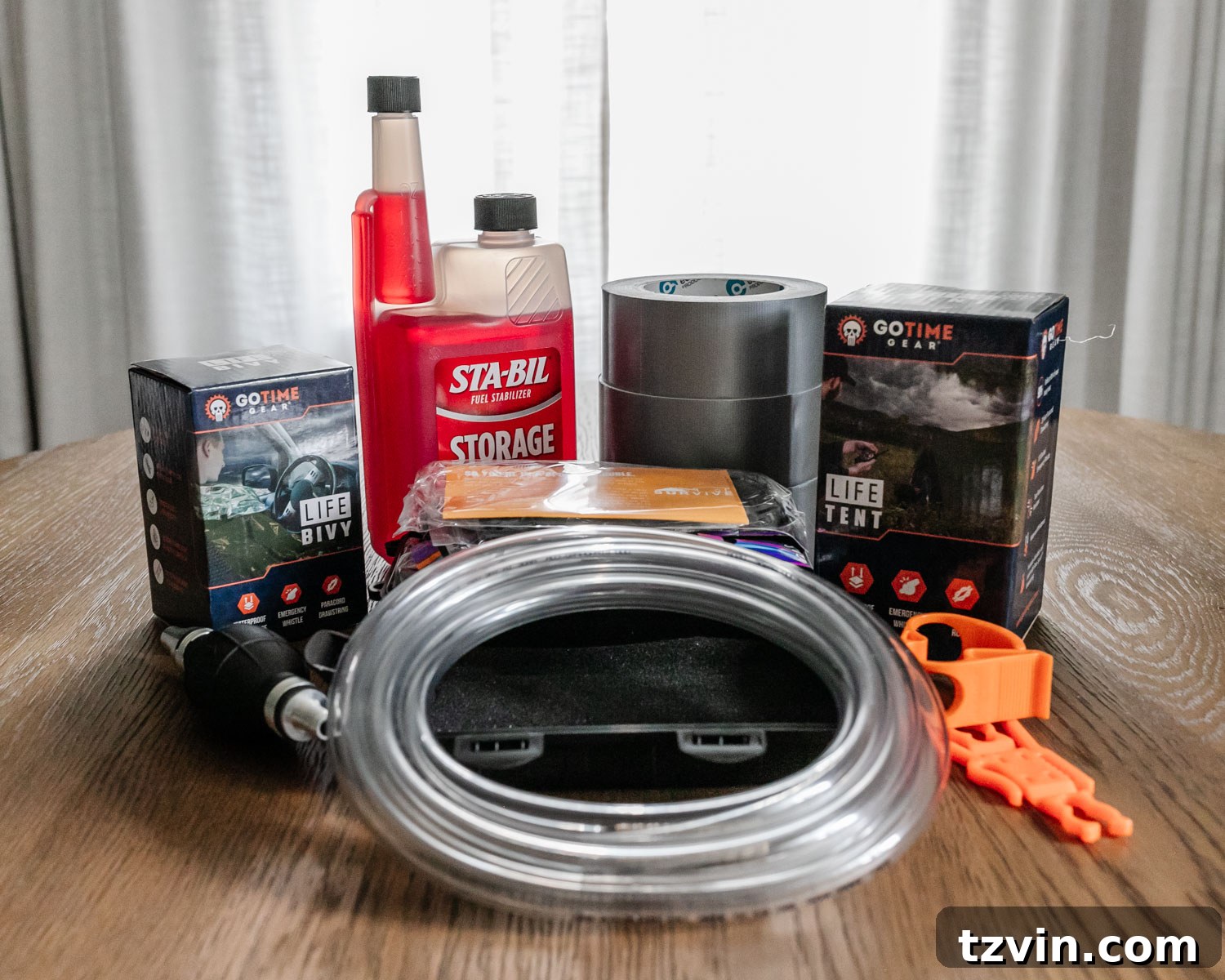
Indispensable Tools for Emergency Situations
In a disaster, resourcefulness and the right tools can make all the difference. Simple items like a sturdy knife and duct tape can go a surprisingly long way. Here’s a curated list of essential tools we keep on hand for various emergency scenarios:
- Survival Tool Kit: A comprehensive kit typically includes a variety of tools, from cutting implements to signaling devices. If a full kit is beyond your immediate budget, prioritize at least a reliable pocket knife and/or a versatile multitool. These compact tools offer a range of functionalities essential for survival.
- Life Bivy: This remarkable piece of gear serves as both a thermal sleeping bag and an emergency tent. It’s incredibly compact, folding down to the size of a soda can, making it perfect for your go-bag. It often comes equipped with an emergency whistle, and its paracord can even be used as a fire starter.
- Gas Siphon Pump: Post-disaster, fuel sources can be critically limited. This siphon kit allows you to safely transfer fuel from a stranded vehicle or other accessible sources to where it’s most needed, such as a generator or another vehicle.
- Storage Fuel Stabilizer: If you plan to stockpile gasoline for emergencies, stabilization is crucial. This gasoline treatment keeps fuel fresh and usable for up to 24 months, preventing degradation. Always use designated, approved gas storage jugs, and never improvise with other containers. Ensure you store gasoline safely in a well-ventilated area that is easily accessible but secure from unauthorized access.
Additionally, for clearing debris or securing your property, it’s highly advisable to have a sturdy axe and a chainsaw (with extra fuel and maintenance tools) at the ready.
Protecting Your Identity and Finances: Documents and Cash
In the aftermath of a disaster, the chaos of dealing with insurance claims, banks, and temporary living arrangements can be overwhelming, especially if your critical documents are lost or inaccessible. Protecting your family’s most important documents and having readily available cash is absolutely paramount.
A fireproof and waterproof document bag is a non-negotiable item. It’s compact enough to slip into your go-bag at a moment’s notice, ensuring these irreplaceable items are safeguarded.
Crucial Documents and Information to Safeguard
Prepare hard copies of the following documents and information, stored securely in your waterproof/fireproof pouch:
- Identification: Social security cards, birth certificates, passports, military IDs, copies of drivers’ licenses, marriage licenses, adoption papers, and other vital identification for all family members.
- Contact Information: A physical list of important phone numbers and addresses for emergency contacts, family members, doctors, and workplaces. Do not rely solely on your phone.
- Medical Information: Hard copies of current prescription medications, known medical conditions, allergies, and contact information for your healthcare providers.
- Financial & Insurance Information: Health insurance cards, copies of all insurance policies (home, auto, life), property deeds, bank account numbers (or at least contact info for your banks), and other financial records.
Additional Items for Comprehensive Preparedness
While the lists above cover the most critical categories, these additional items can further enhance your safety and comfort during a disaster:
- Waterproof Camping Backpack: Beyond your go-bag, a larger waterproof backpack can be useful for transporting bulkier items or additional supplies for a longer displacement.
- Clothing and Footwear: A complete change of clothing, including sturdy socks and durable boots for each person. Preferably, opt for waterproof tactical boots, which offer superior protection and support in various terrains and weather conditions.
- Navigation Aid: A detailed paper road map of your local area. GPS and digital maps can become unusable without power or signal.
We understand that this can feel like an extensive list, and the idea of acquiring everything at once might seem overwhelming. If that’s the case, remember that starting small and gradually building your stash is perfectly acceptable and highly encouraged.
If you need to keep it to the absolute basics to start, here is a foundational list of essential items to stockpile first:
- Water: Jugs of water – aim for 1 gallon per person per day, for at least 3 days.
- Water Purification: A LifeStraw water filter for backup.
- Food: Enough non-perishable food for each person for 3 days (e.g., protein bars, canned goods).
- First Aid: A waterproof first aid kit, including any essential prescription medications.
- Lighting: Reliable camping lanterns or flashlights.
- Power for Phones: A solar power bank phone charger.
- Hygiene: Hand sanitizer and wet wipes.
- Information: A solar hand crank weather radio for emergency broadcasts.
- Fire Starting: A lighter and/or waterproof matches.
- Shelter/Repair: A tarp and duct tape for immediate repairs or temporary shelter.
- Multi-Purpose Tool: A versatile multitool.
- Clothing: Sturdy shoes, socks, and a change of clothing for everyone in your household.
- Warmth: A blanket for each person.
- Financial Backup: Cash in small bills.
- Critical Documents: Important documents stored in a waterproof, fireproof bag.
- Storage: A waterproof storage bin to keep everything organized and protected.
Maintaining Your Emergency Supplies: A Seasonal Schedule
A disaster kit is only as effective as its most current supplies. Therefore, regular maintenance is absolutely crucial. We recommend marking your calendar for supply checks twice a year, aligning these dates with typical storm seasons in your region. For us, in an area prone to hurricanes and tornadoes, late winter and late summer are ideal times to review our emergency kit.
During these maintenance checks, perform the following tasks:
- Food and Water Rotation: Inspect all food and water items for expiration dates. Rotate out any items that are nearing expiration by using them in your daily meals and immediately replenishing your stock with fresh supplies. This ensures a consistent supply of safe, edible provisions.
- Battery Replacement: Replace batteries in flashlights, radios, and any other battery-powered devices. Even unused batteries can lose charge over time.
- Replenish Used Items: After any minor emergency or power outage where you’ve dipped into your supplies, make it a priority to replace those items as soon as possible.
- First Aid Kit Review: Check your first aid kit for expired medications, depleted bandages, or other used items. Replenish as needed.
- Document Review: Briefly check your document bag to ensure all essential papers are still there and up-to-date.
Our sincerest hope is that you never have to fully utilize these supplies. However, by providing this comprehensive list and detailed guidance, we aim to offer you a clear direction and the invaluable peace of mind that comes with being prepared. Knowing you’ve taken proactive steps to protect your family, especially your children, is the ultimate “mama bear protection” one can provide in the face of uncertainty. This readiness, combined with faith, empowers us to face whatever comes our way.
Is there anything you would add to this essential list? We’d love to hear your insights.
More Home Tips to Enhance Your Self-Sufficiency and Survival Skills
Cultivating Resilience: How to Plant a Raised Bed Vegetable Garden for High Yield
Illuminating Your Home: The Best Wireless Lights from Amazon for Emergencies and Everyday Use