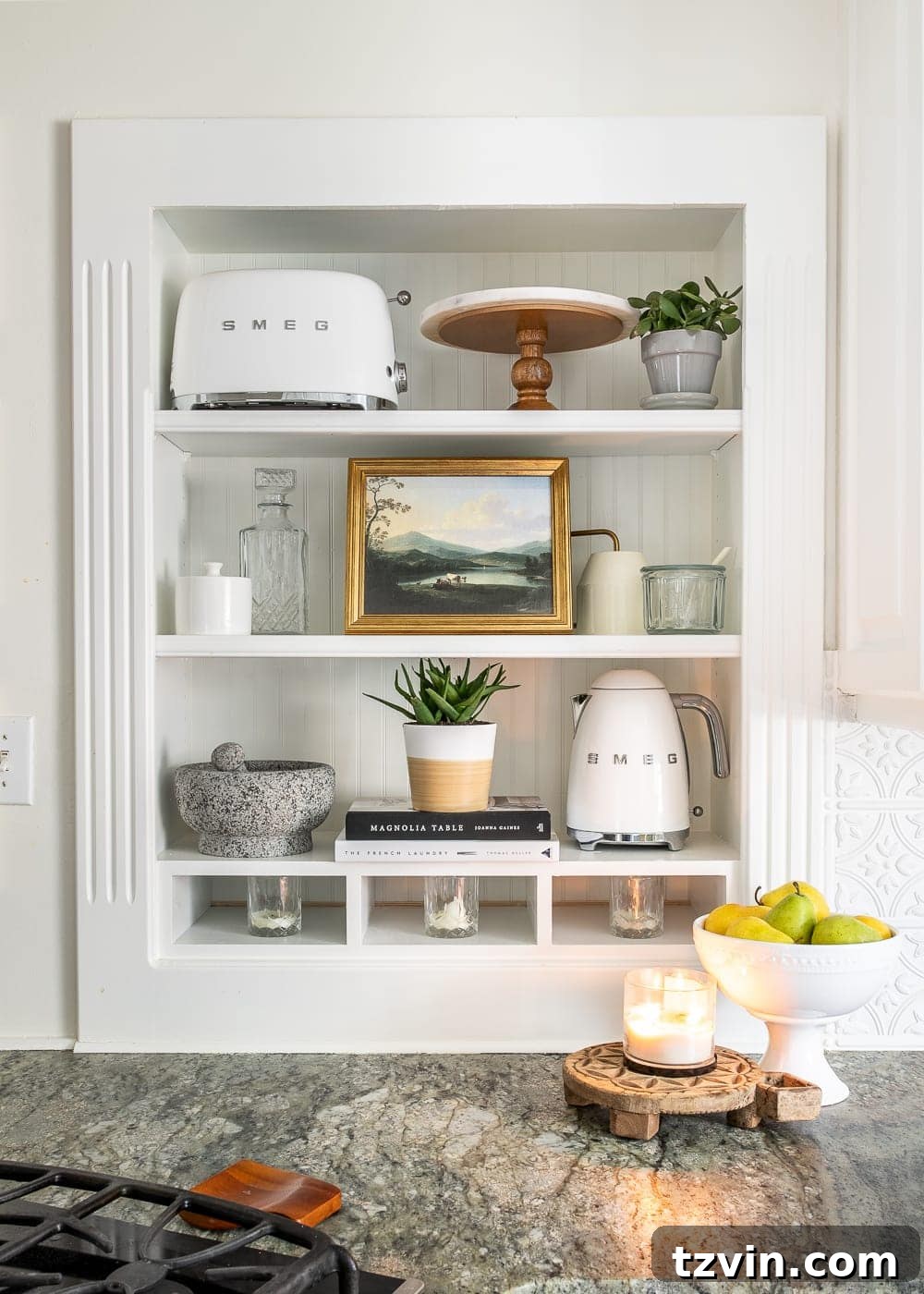
Elevate Your Space: 8 Expert Tips for Styling Perfectly Balanced Shelves
Do you ever find yourself staring blankly at your shelves, wondering how to transform them from a storage spot into a stunning focal point? You’re not alone! Many homeowners struggle with “decorator’s block” when it comes to styling these often-prominent features. But what if we told you there’s a simple, methodical approach to creating beautiful, balanced, and impactful shelf displays every single time?
Welcome to our Simplified Decorating series, where we break down common design challenges into easy-to-follow steps. We’ve previously tackled end tables, kitchen countertops, and even making your bed look luxuriously fluffy. Now, it’s time to unlock the secrets of exquisite shelf styling.
Open shelving, whether in a kitchen, living room, or home office, offers an incredible opportunity to infuse personality and charm into your space. However, it requires a delicate balancing act to ensure each piece contributes to a cohesive and visually pleasing arrangement. Forget the guesswork and endless rearranging. We’ve distilled the art of shelf decorating into eight actionable tips that will help you achieve a professionally styled look with ease and confidence.
From curating your collection to understanding the principles of visual balance, this guide will empower you to create shelf displays that not only look fantastic but also tell your unique story. Get ready to transform your ordinary shelves into extraordinary showcases that truly make a statement in any room.
(Some affiliate links are provided in this post. Full disclosure here.)
How to Decorate Shelves: 8 Essential Styling Principles
Achieving beautifully styled shelves is less about having expensive decor and more about understanding fundamental design principles. By following these eight tips, you can transform any set of shelves into a captivating display that adds character and sophistication to your home.
1. Start with a Clean Slate: Remove Everything
Before you begin the exciting process of styling, the first and most crucial step is to completely clear your shelves. Remove every single item, dust the surfaces, and literally start with a blank slate. This provides an unobstructed view of the space you’re working with, helping you visualize the potential and prevent the temptation to simply rearrange existing clutter. A clear canvas allows for fresh ideas and intentional placement, ensuring that every item you reintroduce serves a purpose and contributes to the overall aesthetic.
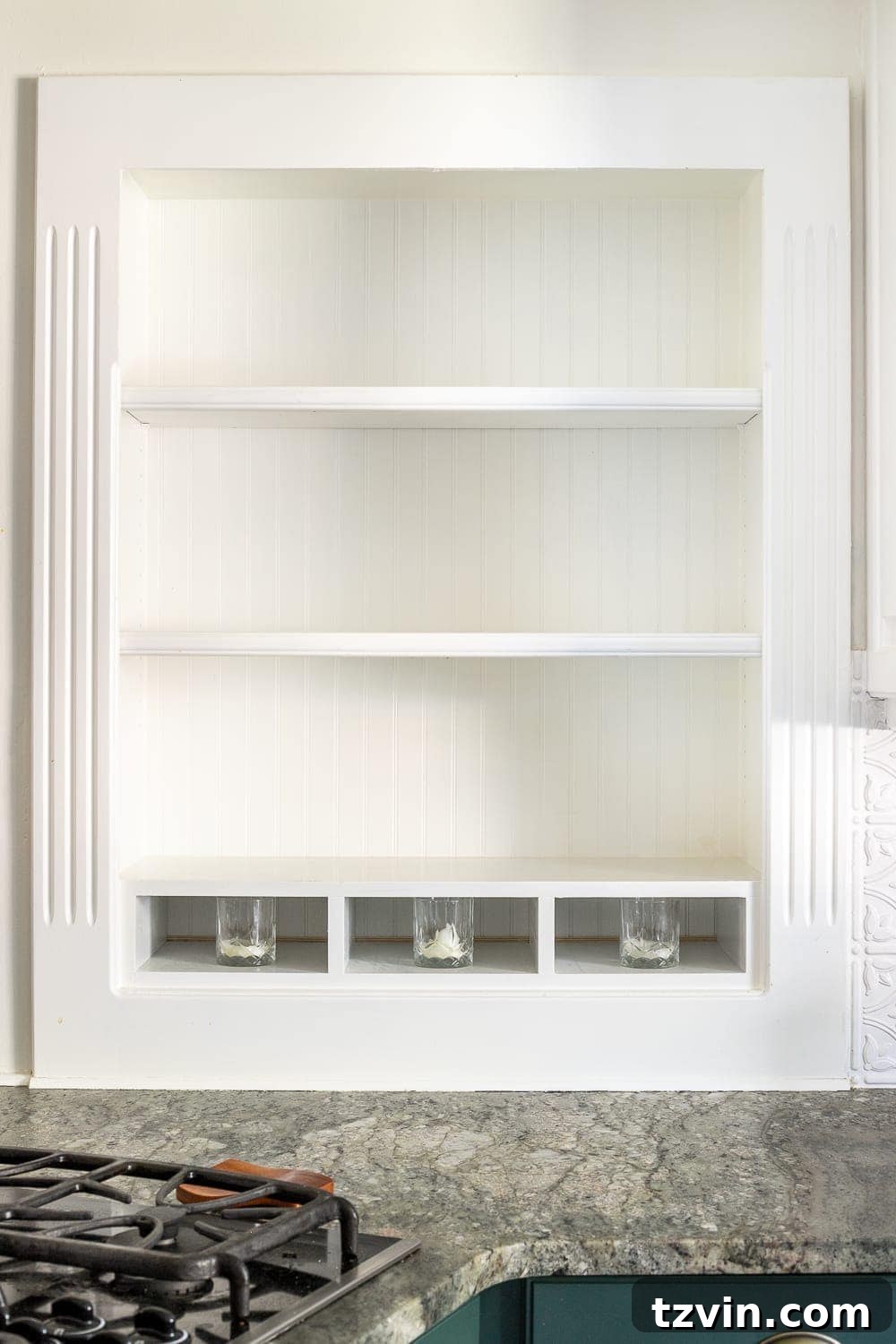
2. Curate a Diverse Collection: Mix Textures, Colors, and Forms
The secret to dynamic shelf styling lies in variety. Before you place anything back, gather a wide array of items from around your home that offer different textures, colors, materials, shapes, and heights. Think beyond mere trinkets. Look for objects that bring visual interest: a rustic wooden bowl for texture, a vibrant ceramic vase for color, metallic accents for shine, sculptural pieces for unique shapes, and items of varying heights to create dimension. This diversity ensures your display is rich and engaging, rather than flat and monotonous. Shopping your home first is a fantastic way to discover forgotten treasures and ensure your decor reflects your personal style without spending a dime.
3. Anchor Your Design: Identify Your Focal Point
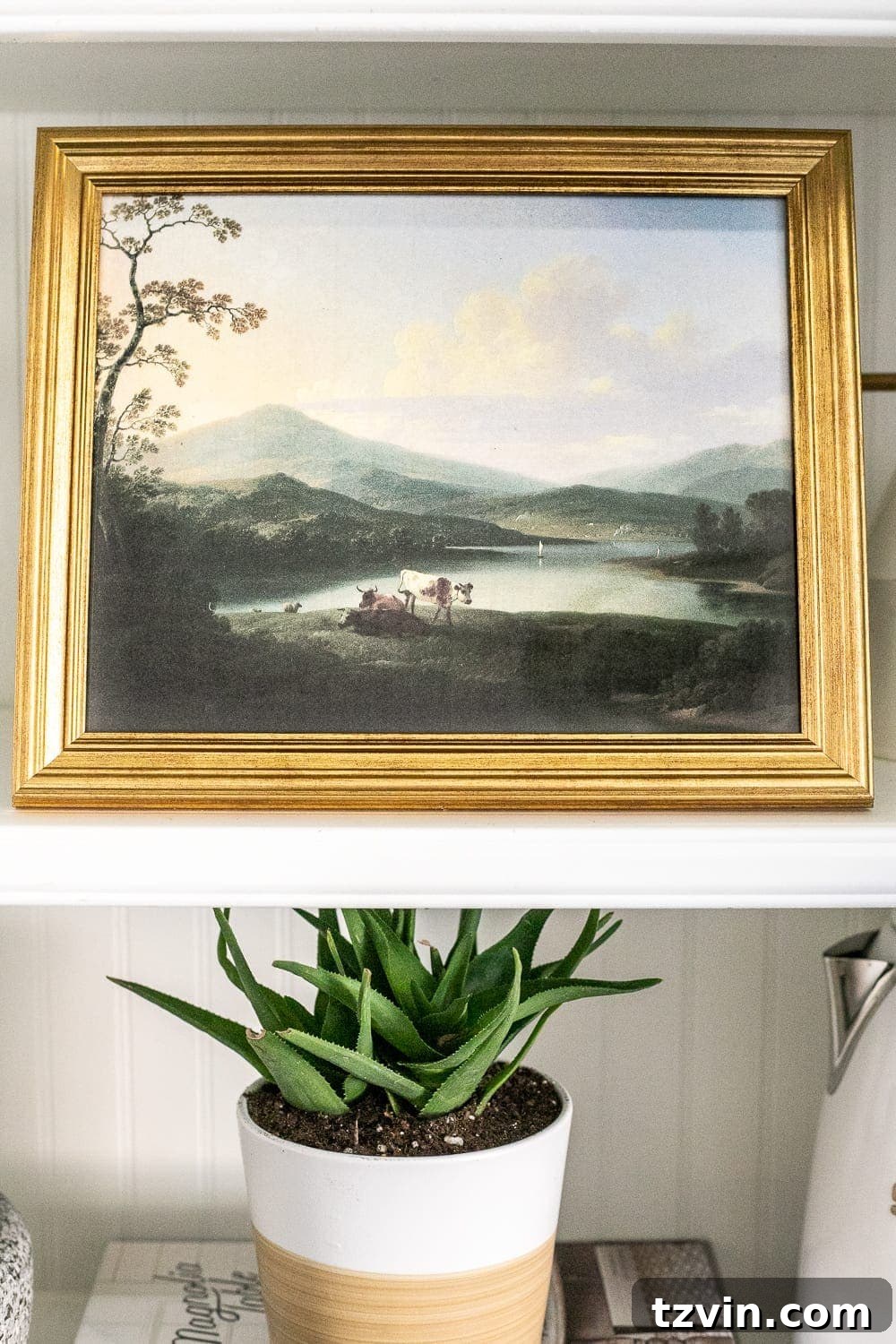
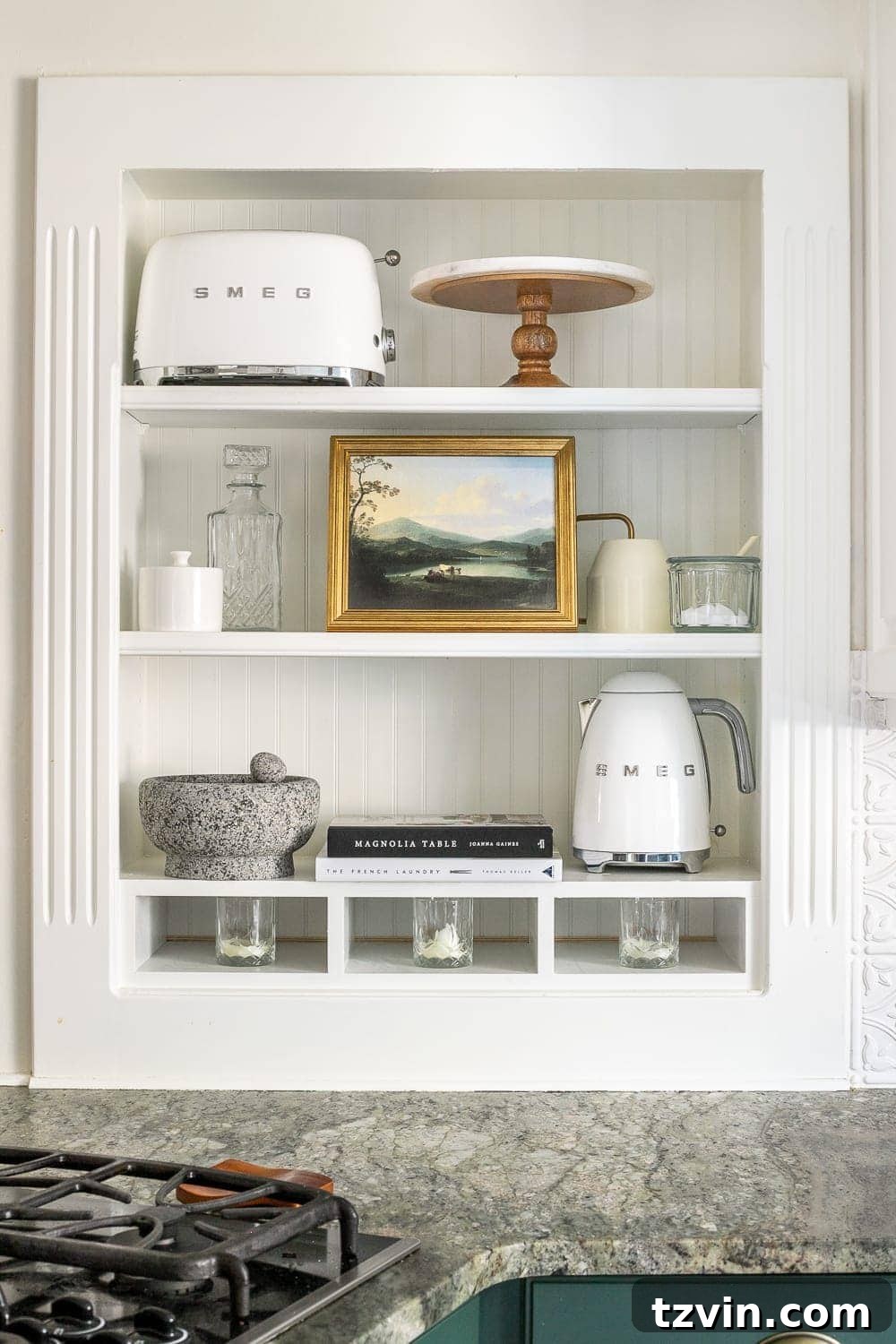
Every compelling display needs an anchor – a central piece that draws the eye and guides the rest of your arrangement. This could be a statement piece of art, a large vase, a unique sculpture, or even a cherished collection. Start by placing this focal point on one shelf. Alternatively, if you have multiple shelves, work on one shelf at a time, establishing a mini focal point for each. This systematic approach prevents overwhelm and allows you to build a cohesive story shelf by shelf. For instance, a vintage-style framed art piece, as shown in the examples, can serve as an exquisite starting point, dictating the mood and color palette for its surrounding decor.
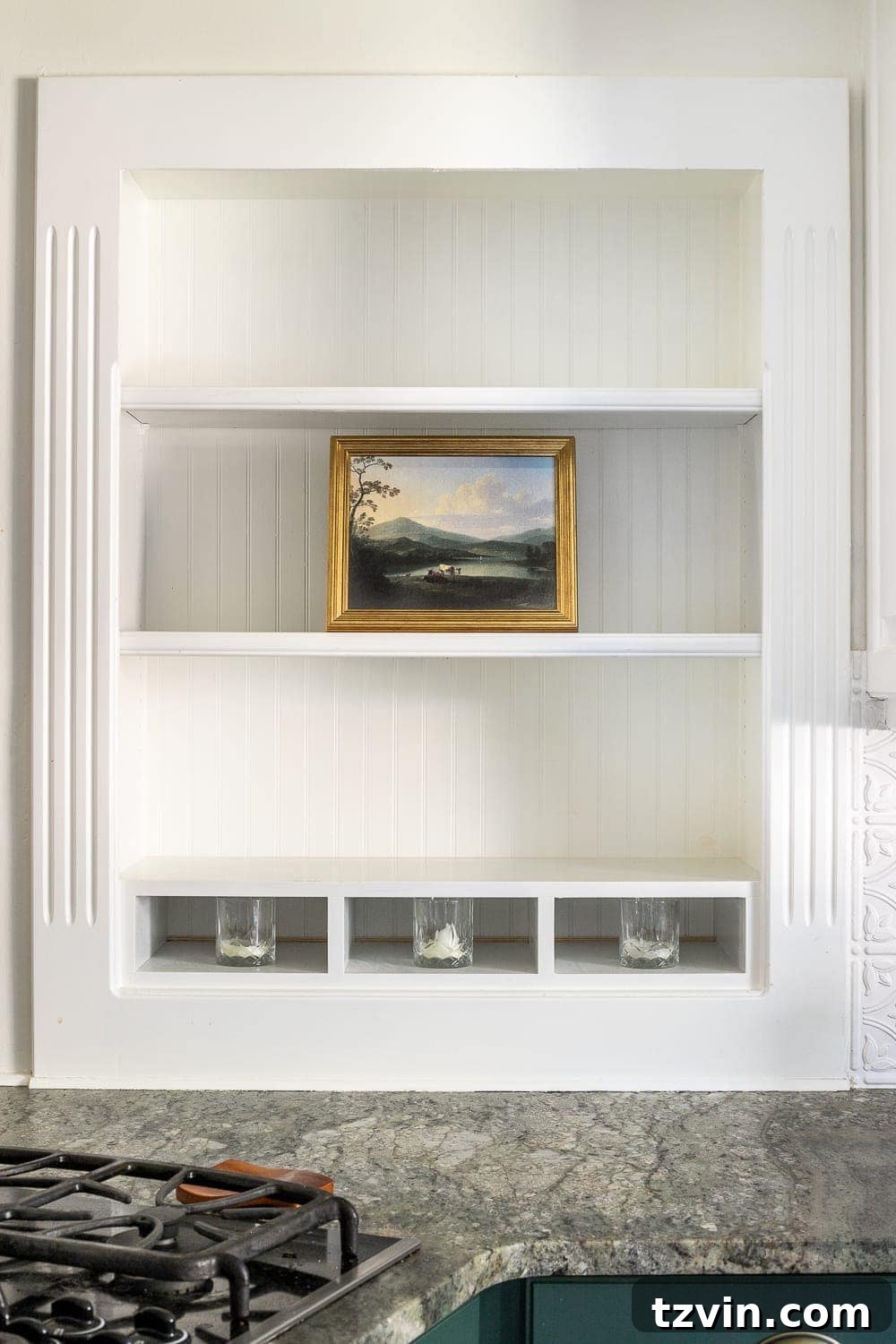
4. Strategically Space Similar Items for Visual Balance
To avoid a cluttered or unbalanced look, be mindful of where you place “like” items. If you have two similar objects in terms of color, size, or material, avoid placing them right next to each other or on the same shelf side. Instead, space them out, often in opposing corners or on different shelves, to distribute their visual weight evenly across your display. This creates a sense of harmony and intentionality, guiding the eye smoothly across the entire arrangement without getting stuck on a single heavy spot. For example, two white kitchen appliances, while similar in color, can be positioned diagonally opposite each other to achieve this balanced effect.
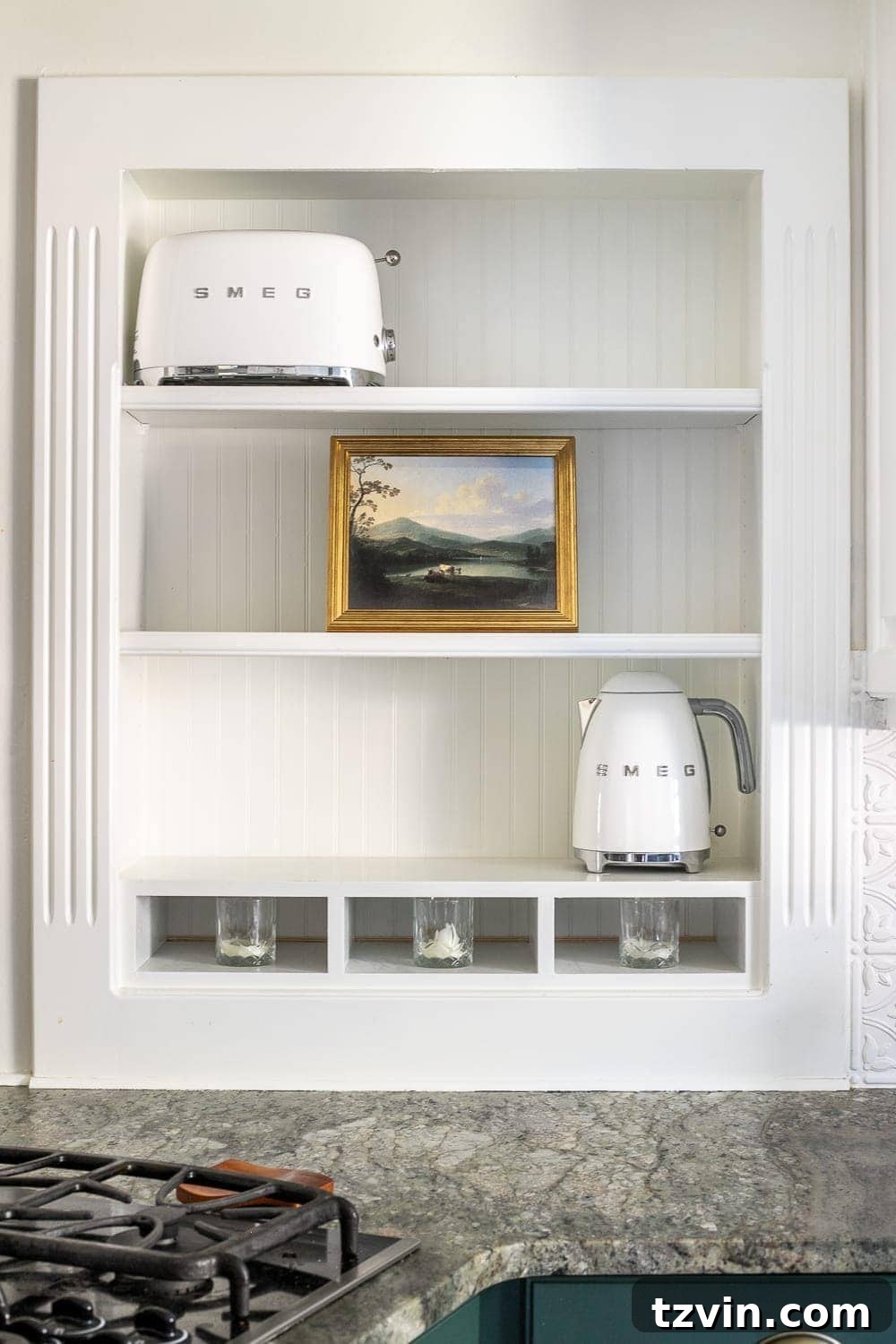
5. Repeat Larger Items to Ensure Overall Cohesion
Once your focal point and initial like items are placed, continue to strategically position other larger decor pieces to further enhance balance. The goal is to create visual equilibrium across all your shelves, not just individually. This often involves forming invisible “styling triangles” – arranging items of similar scale or visual weight in a triangular formation across different shelves. This technique prevents one side from looking heavier than the other and ensures that the entire display feels harmonious and well-thought-out. Experiment with stepping back and squinting to see if your larger items feel equally distributed.
6. Integrate Books for Height, Texture, and Personality
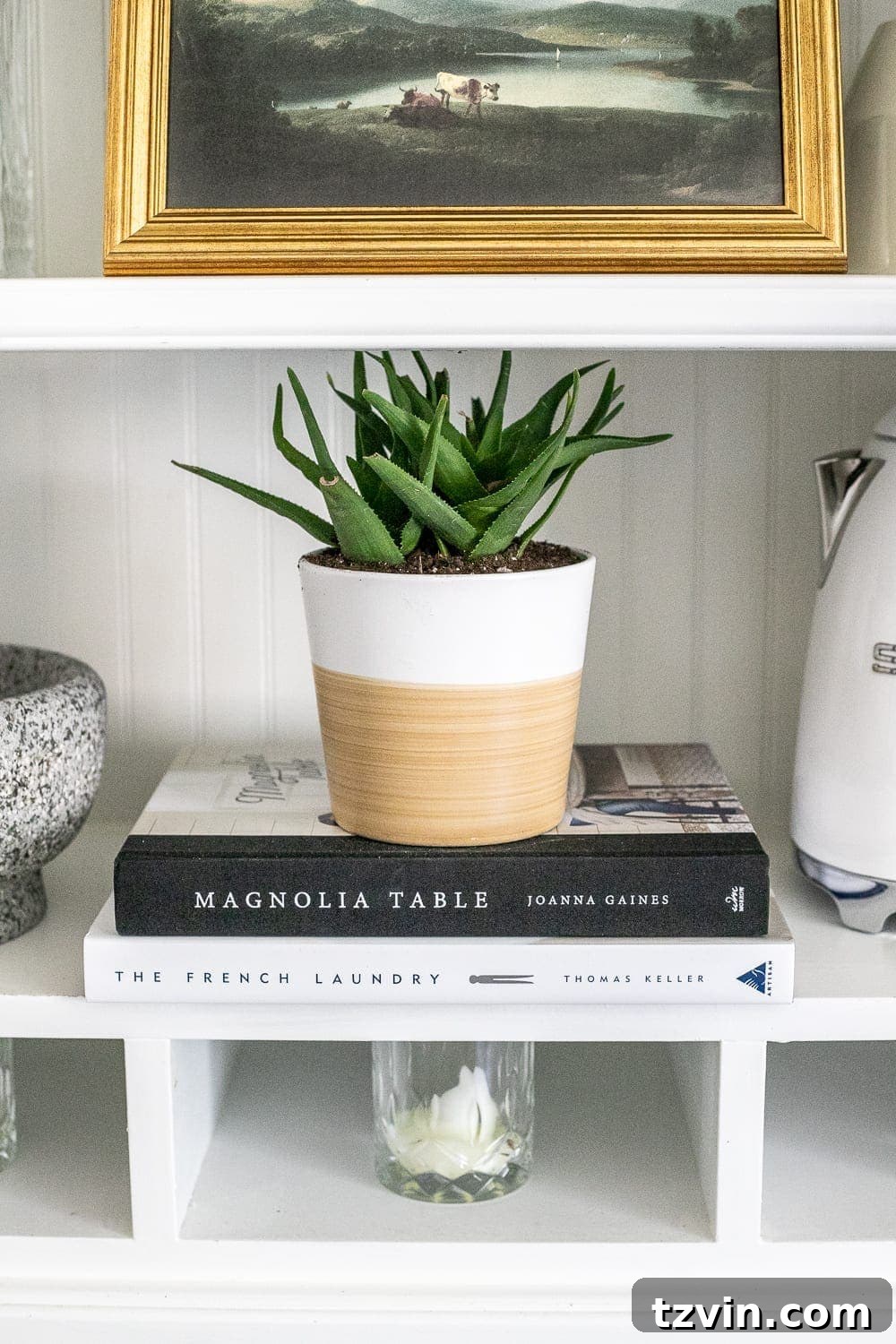
Books are a decorator’s best friend. They instantly add character, color, and texture to any shelf. Beyond their aesthetic appeal, they are incredibly versatile functional elements. Use them standing upright with an interesting bookend, or stack them horizontally to create a stable riser for smaller items. Stacking books allows you to vary heights, adding vertical interest and creating small pedestals for your delicate accents. You can arrange them by color, size, or even turn them backward for a more neutral, textural look. Books provide an excellent foundation upon which to build your vignettes, making them indispensable for stylish shelf decor.
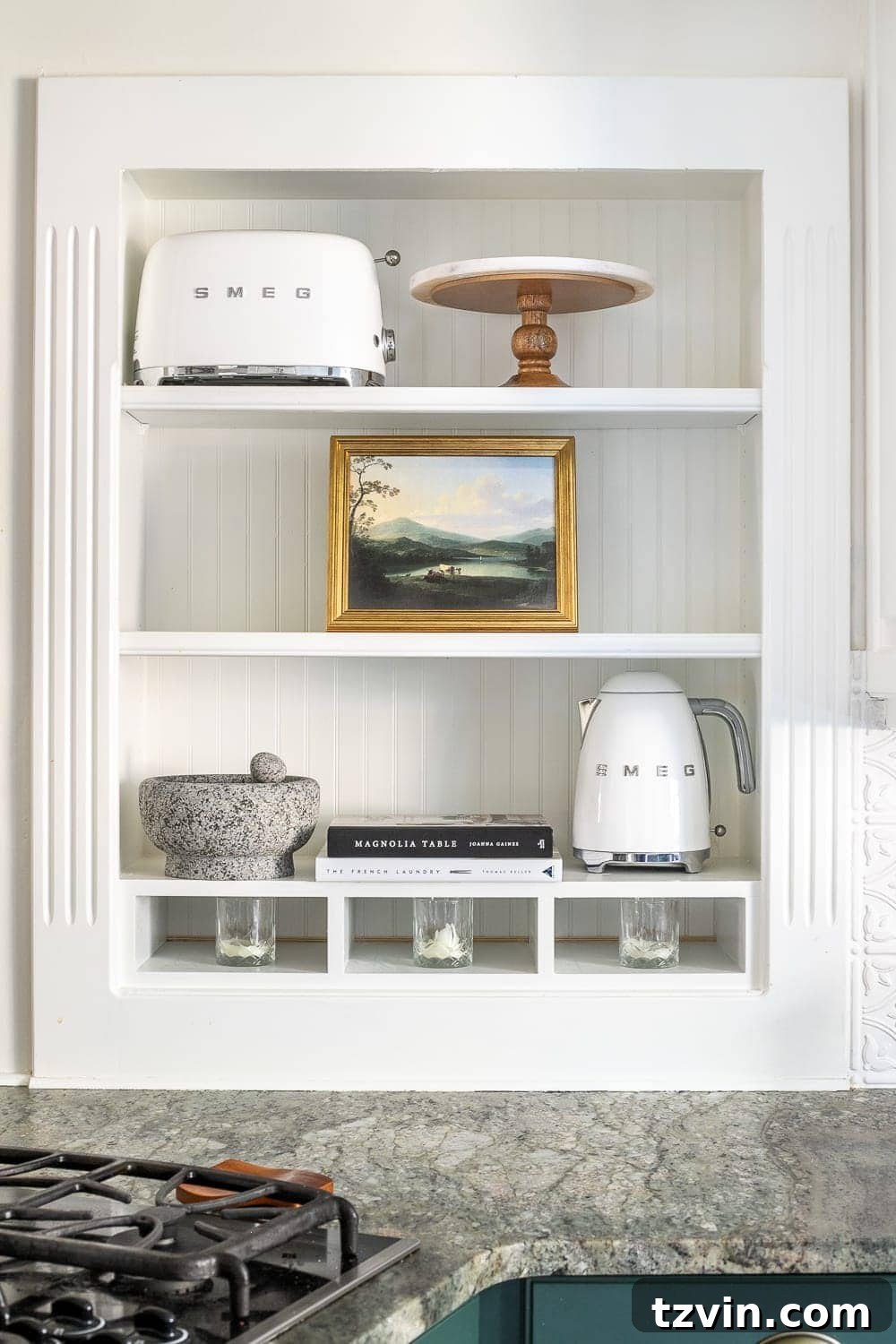
7. Layer with Smaller Accents to Fill and Personalize
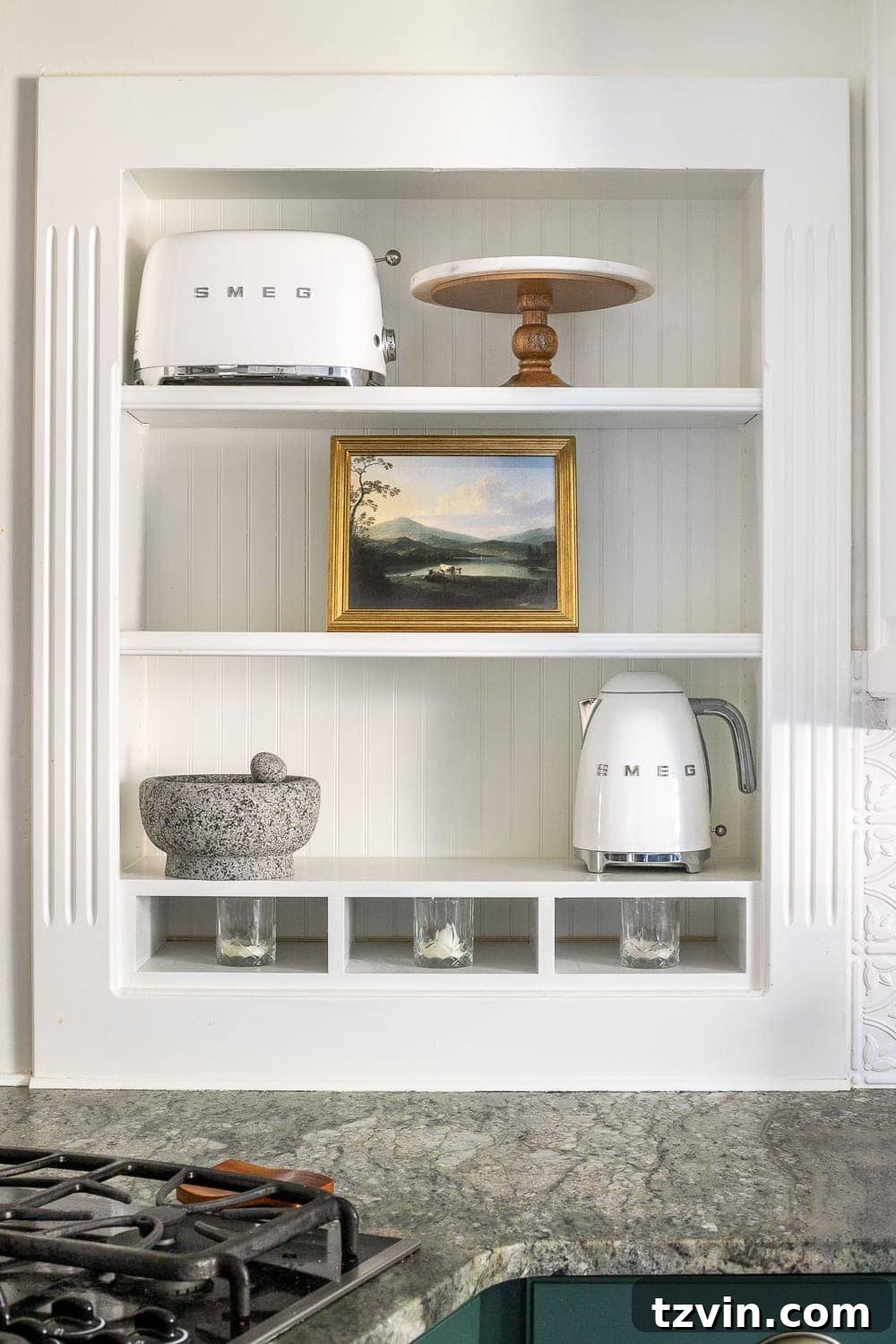
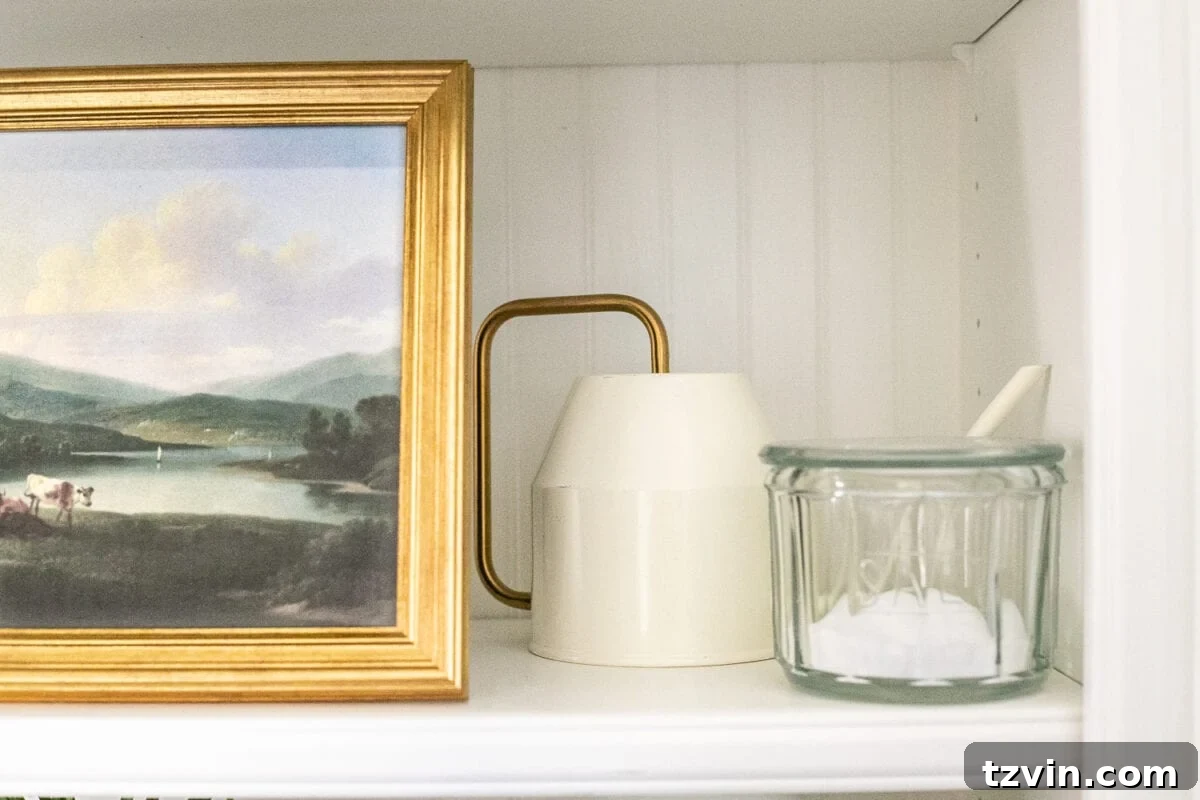
With your larger items and books in place, it’s time to layer in smaller accents. These are the details that truly bring your shelves to life, adding depth, personality, and finishing touches. Think about grouping small items in odd numbers (e.g., three small vases, five tiny ceramic pieces) to create visually appealing vignettes. Just as with larger pieces, pay attention to spacing similar smaller items. If you have two clear glass pieces, for example, place them on different shelves or on opposite sides of the same shelf to maintain balance. These smaller treasures can include candles, small figurines, decorative objects, or framed photos, filling in gaps and creating intimate moments within your display.
8. Introduce Greenery: The Lifeblood of Your Display
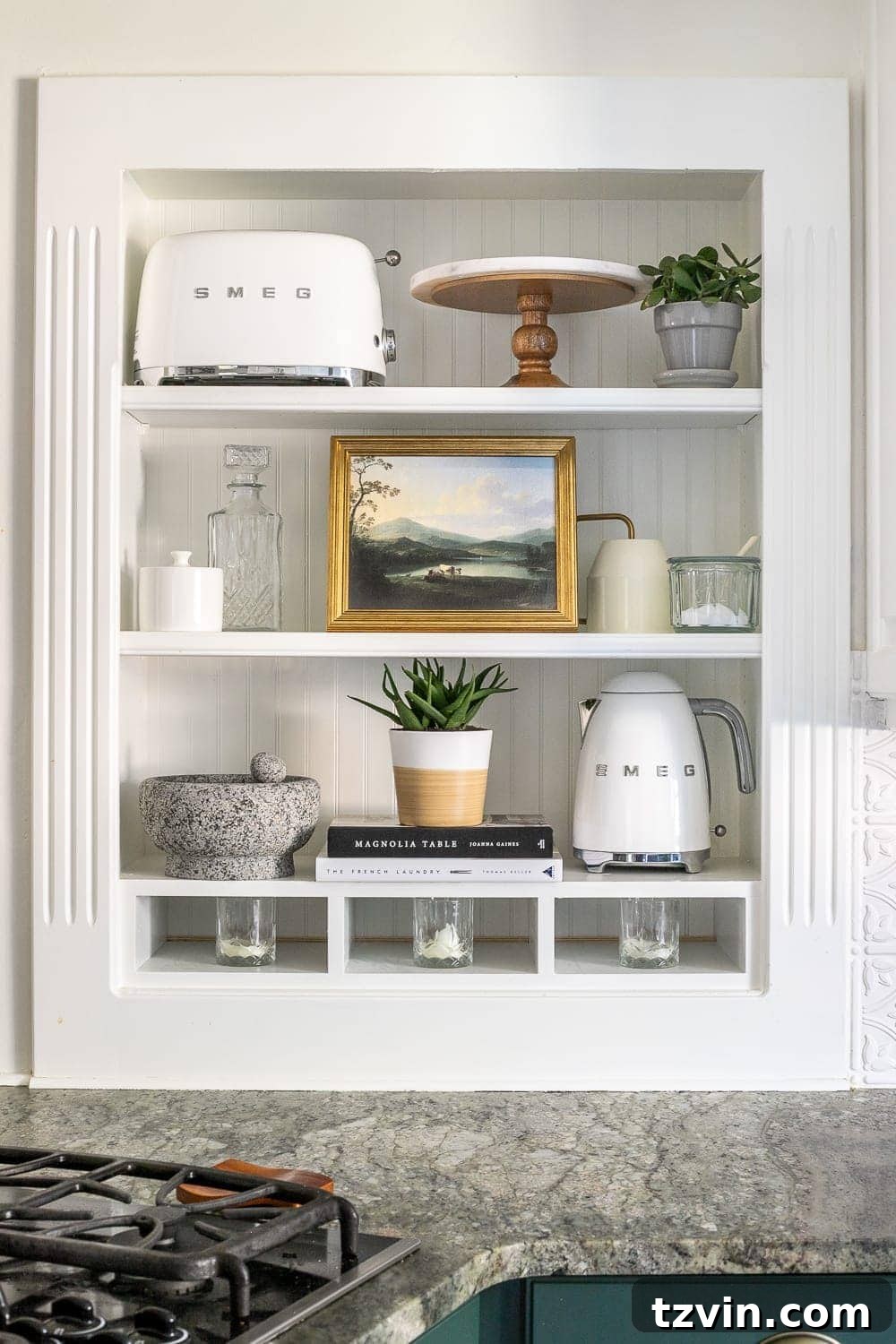
No shelf display is truly complete without the vibrant touch of plants. Adding greenery instantly breathes life, freshness, and organic texture into your arrangement. The pop of natural color contrasts beautifully with inanimate objects, softening hard lines and bringing a sense of calm and vitality. Whether real or high-quality faux, plants enhance well-being and visual appeal. Trailing plants can cascade gracefully over the edge of a shelf, while upright plants add vertical interest. Consider small potted succulents, a trailing ivy, or a delicate fern to bring that much-needed natural element into your styled space. It’s a simple addition with immense impact!
Beyond the Basics: Mastering Shelf Styling
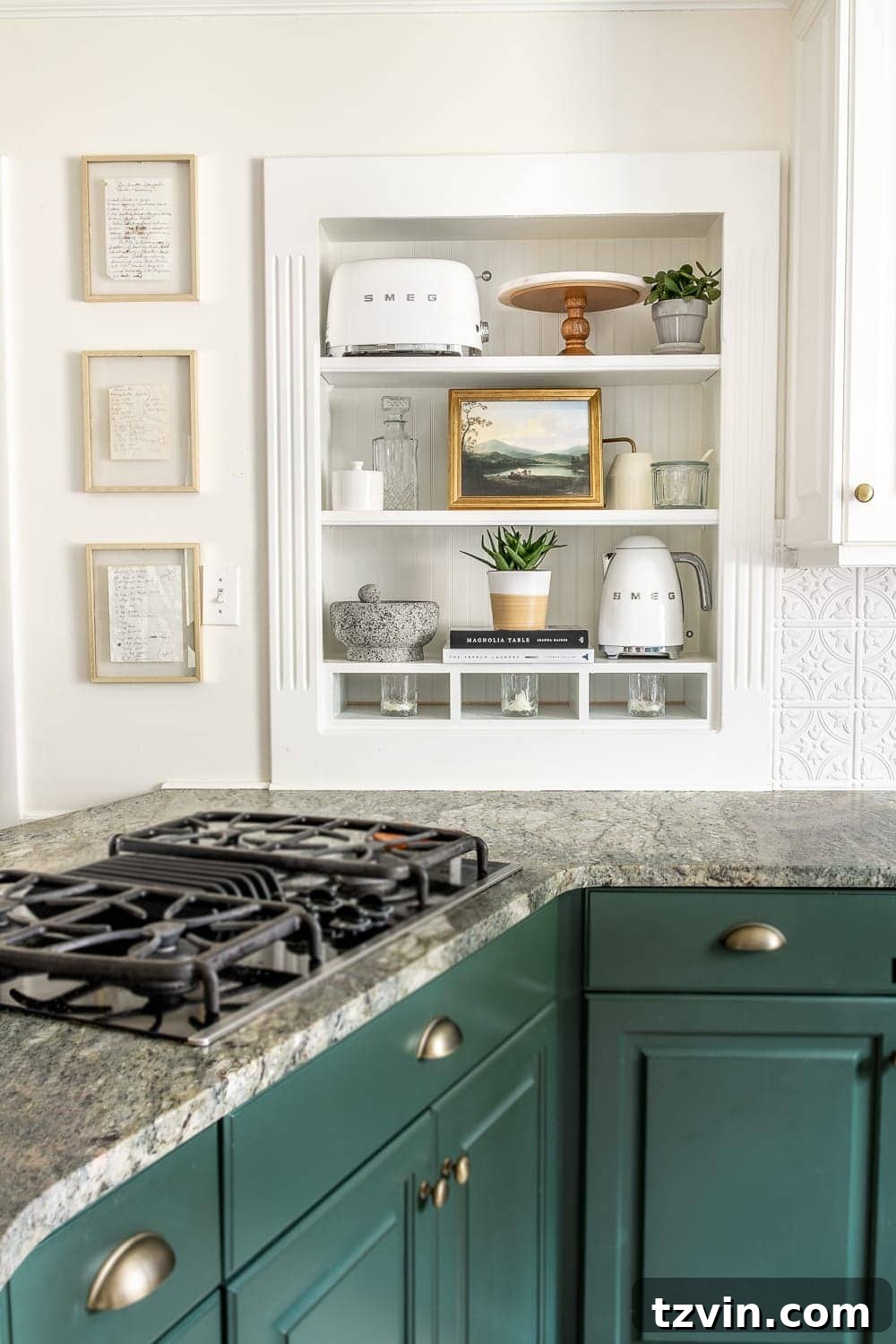
Once you’ve applied these eight fundamental tips, step back and observe your creation. Notice how the principles of visual balance, symmetry, and strategic placement create a cohesive and pleasing display. You’ll see how larger items anchor the design, how “like” objects are distributed to prevent visual heaviness, and how greenery adds that essential touch of life.
The Power of the Styling Triangle
For more expansive shelving units, employ the “styling triangle” rule. This involves arranging items of varying heights and visual weights in an invisible triangular formation across multiple shelves. This technique naturally leads the eye around the display, ensuring that no single area feels too heavy or too sparse. True symmetry is also powerful, but often an asymmetrical balance, achieved through careful distribution of visual weight, creates a more dynamic and interesting composition.
When to Break the Rules
The beauty of learning these rules is knowing when to artfully break them. Once you understand the fundamentals of balance and composition, you can confidently experiment and infuse your unique personality. Decorating should be fun and expressive! Don’t be afraid to add an unexpected item or arrange things in a slightly unconventional way, as long as the overall feeling remains harmonious.
Functionality Meets Fabulousness
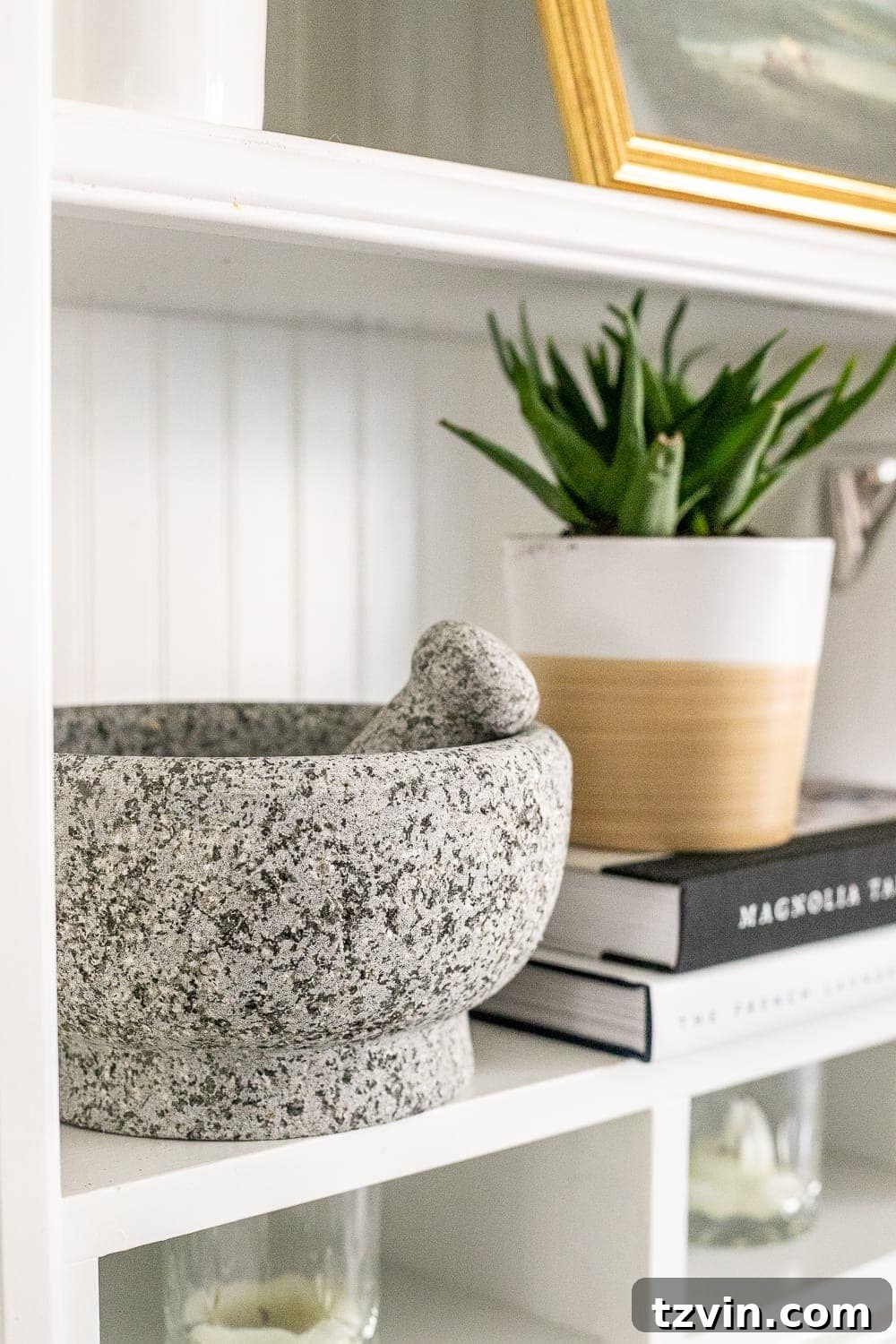
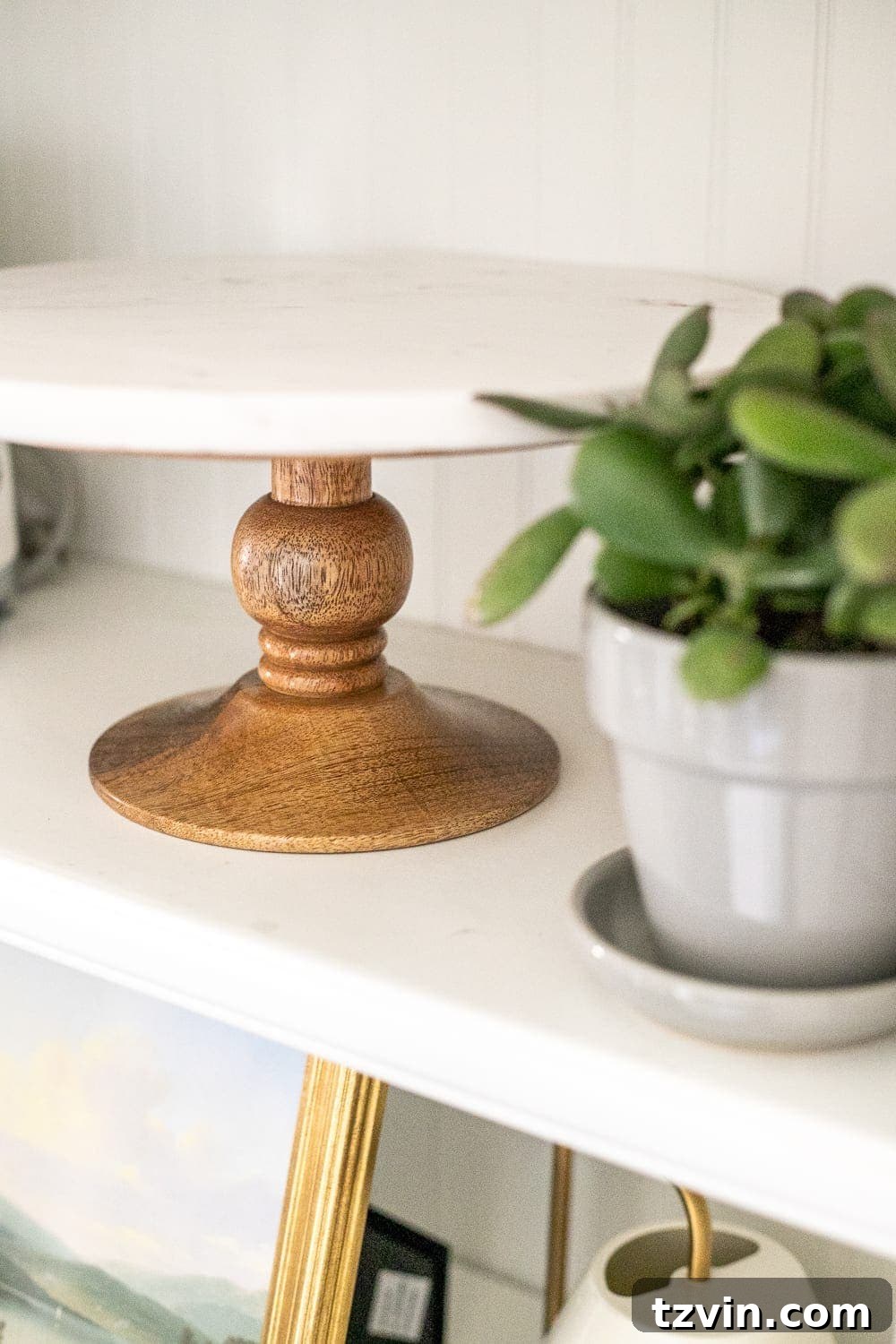
Remember that practicality can beautifully coexist with aesthetics. Shelves don’t just have to hold pretty objects; they can also house items you genuinely use and love. Incorporating functional pieces adds a lived-in, authentic charm to your display. A concrete mortar and pestle, ready for guacamole night, or a elegant cake stand waiting for your next dessert spread, are perfect examples. Even beloved cookbooks, like the ever-popular Magnolia Table, can be displayed as part of your decor, inviting warmth and utility into your styled space.
Shop the Look: Kitchen Shelf Sources
If you’re inspired by the items featured in our kitchen shelf styling examples, here’s a list of sources for those specific pieces:
- Smeg kettle (A worthwhile splurge!)
- Smeg toaster
- Vintage style oil landscape art
- Gold frame
- Concrete mortar and pestle (similar – mine was a clearance find)
- Glass decanter
- Glass salt cellar
- Houseplant watering can
- Sugar cellar
- Magnolia Table cookbook
- French Laundry cookbook
- Cake stand
- Pedestal bowl (similar – original was a TJ Maxx find)
- Candle pedestal (similar – original was a gift)
More Ideas for Shelf Decor
If you’re looking to expand your collection of decor items for shelf styling, consider these versatile categories:
- Bowls (decorative, wooden, ceramic, metallic)
- Vases (various shapes, sizes, and materials for flowers or standalone beauty)
- Objects (sculptural pieces, unique finds, curiosities)
- Boxes (decorative storage, adding height and hidden practicality)
- Candle Holders (single or grouped for ambient lighting)
- Framed Art (small prints, photographs, abstract pieces)
- Plants & Flowers (succulents, faux florals, cascading greenery)
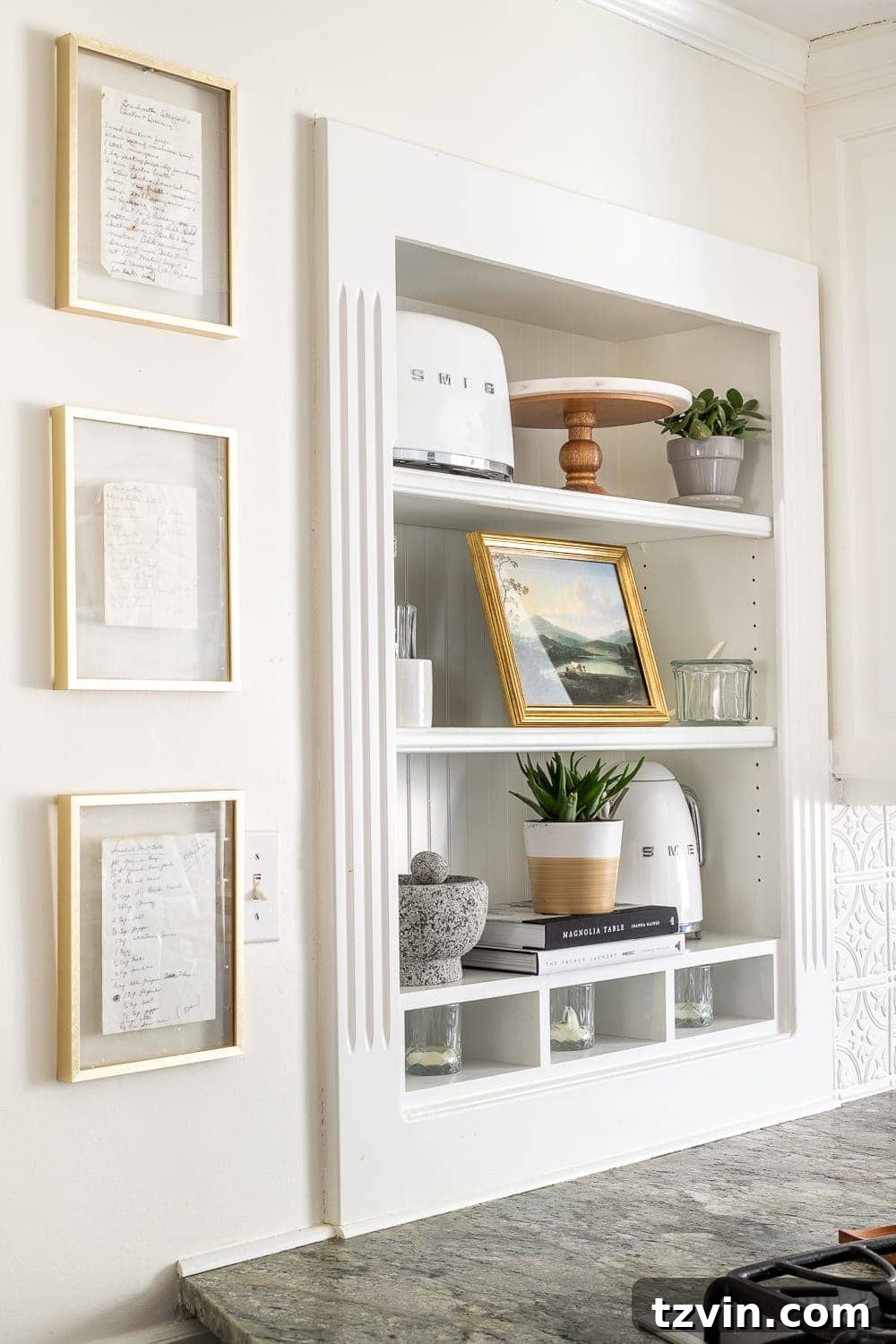
With these 8 expert tips and a little practice, you’ll be styling your shelves like a pro in no time. Remember, the goal is to create a display that feels personal, balanced, and visually appealing. Don’t be afraid to experiment, rearrange, and most importantly, trust your own instincts. Often, your gut feeling is the best guide to creating a space you truly love.