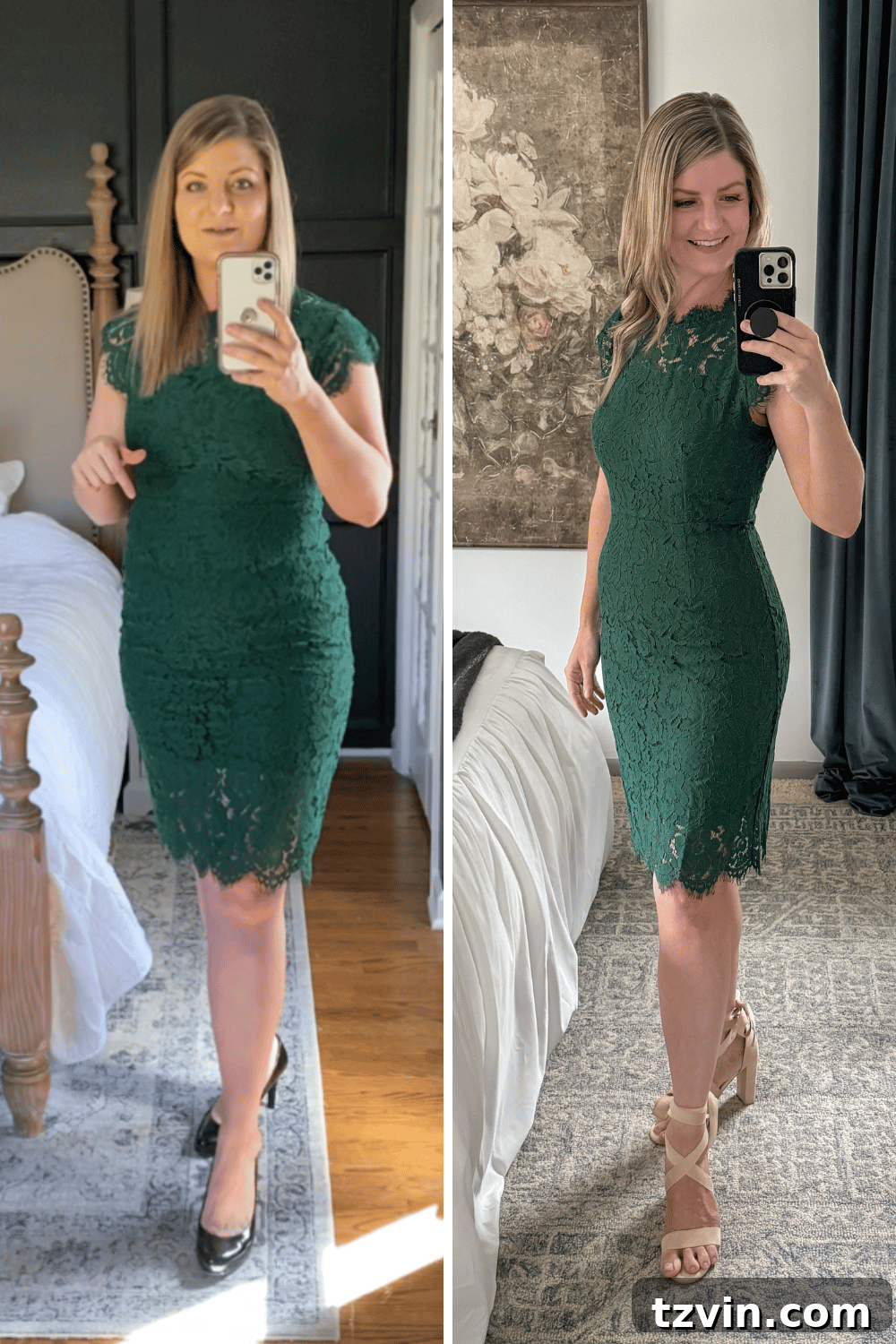
For quite some time, I’ve found myself sidestepping the topic of my health journey and the significant weight loss I’ve experienced. My Instagram DMs have frequently been filled with a consistent question: “How did you lose so much weight?!” While I always appreciate the positive intentions behind these inquiries, this question often evokes a complex mix of emotions within me. Today, I feel it’s the right moment to openly and honestly address my journey, share my experiences, and shed light on the holistic approach I embraced to transform my well-being.
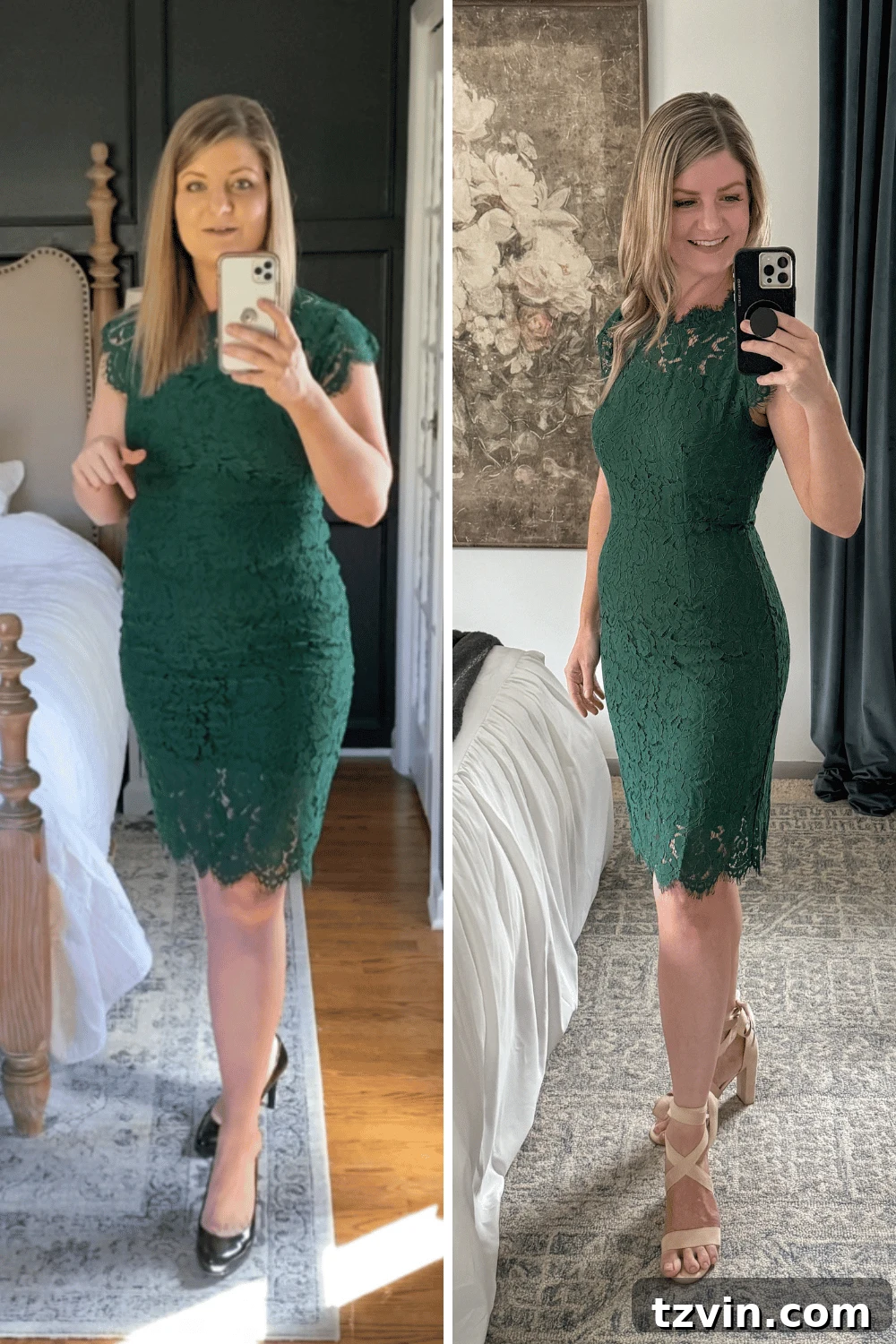
Before delving into the specifics of my personal health transformation, it’s crucial to establish a few key disclaimers. These points are fundamental to understanding my perspective and ensuring a responsible discussion around health and weight:
- Health Beyond the Scale: Weight loss does not universally equate to good health. While my journey involved shedding pounds, true health encompasses far more than a number on the scale. It’s about overall well-being, internal functions, and how you feel.
- Embracing All Body Sizes: Every body size possesses inherent beauty and worth. My decision to pursue weight loss was deeply personal and not a commentary on anyone else’s appearance or choices.
- The Primacy of Feelings: How you feel in your own skin, both physically and mentally, is significantly more important than how you appear to others. Comfort, energy, and mental clarity are invaluable indicators of health.
- Personal Experience Only: I am not a licensed health professional, nutritionist, or medical doctor. The insights and methods shared in this article are solely based on my personal experiences, research, and opinions. Always consult with qualified healthcare providers before making any significant changes to your diet, exercise, or medication regimen.
- No Judgment, Only Support: This post is not intended to critique or evaluate anyone else’s health status or physical appearance. We are all unique, with different genetic makeups, life circumstances, and comfort zones. Every body deserves to be celebrated and cared for.
Among these points, the emphasis on how I *felt* resonated most deeply with me. Previously, I didn’t have a significant issue with wearing a size 10/12; after all, this amazing body carried two children, and I am immensely proud of it! However, I struggled profoundly with persistent fatigue, a pervasive “foggy brain,” general discomfort, and widespread body aches. This internal struggle became the primary driver for seeking change.
Looking back at photographs from a few years ago, when I was at my heaviest, vividly reminds me of the profound sense of depression and discomfort I experienced, largely due to several underlying health issues that had gone unaddressed. My transformation wasn’t merely about weight loss; it was about reclaiming vitality and alleviating these unseen burdens.
Over a period of two and a half years, I successfully lost 52 pounds, decreasing my dress size by four, and I am now focused on maintaining this progress. Yet, the most meaningful victories extend far beyond the numbers on a scale. This was by no means an overnight health and weight loss journey; it was a complex process filled with both exhilarating peaks and challenging valleys, mirroring the unpredictable nature of life itself. The true triumphs lie in the sustainable habits formed and the renewed sense of well-being achieved.

Embracing a Transformative Health Mindset: My Journey Beyond the Finish Line
One of the most profound shifts in my journey has been realizing that this commitment to health is not a temporary endeavor with a definitive end. It is, and always will be, an ongoing process. When my weight surpassed 200 pounds after my second pregnancy, I initially envisioned a clear “finish line” – a moment when I would achieve my pre-baby weight goal and simply be “done.” However, true health and well-being are not destination-based achievements; they are continuous journeys of self-care and conscious choices. This realization has been incredibly liberating.
Each day, I am presented with countless small decisions, and with every one, I must actively *choose* to prioritize and care for myself. This sustained effort, rather than a singular end goal, defines my approach to health now. I understand that I will inevitably face challenges and moments of stress that might lead to less-than-ideal health choices. This is a natural part of life, and what truly matters is not the occasional “slip-up,” but how I respond to it. These moments do not define my overall progress or defeat my long-term commitment.
Crucially, my philosophy now emphasizes living life to the fullest without rigid restrictions. If I crave a slice of pizza, I allow myself to enjoy it, understanding that a sustainable lifestyle cannot be built on a diet of salads alone for eternity. This balanced perspective has replaced the restrictive thinking that once dominated my efforts.
I no longer categorize foods as inherently “good” or “bad.” Instead, I view all foods as permissible in moderation and with proper balance. This allows me to appreciate foods for their diverse nutrient and caloric densities, empowering me to adjust my overall daily intake accordingly. This flexible and mindful approach has fostered a healthier, more sustainable relationship with food, moving away from guilt and towards informed choices.
Understanding My Weight Gain: A Look Back at the Root Causes
To truly move forward on my health journey, it was essential for me to pause and critically evaluate how I initially gained over 50 pounds. This introspective step allowed me to grant myself much-needed grace and, more importantly, to identify and avoid repeating past patterns that led to unhealthy habits. Understanding the “why” behind my weight gain was as crucial as understanding the “how” of my weight loss.
The Profound Impact of Pregnancy and Postpartum Complications
My first pregnancy in 2012 presented its own set of challenges, but with consistent diet and exercise over a few years, I largely managed to lose most of the pregnancy weight. My second pregnancy in 2018, however, was a vastly different and far more arduous experience. It was marked by significant recovery complications, a necessary postpartum medical procedure, the emotional toll of birth trauma, a deep struggle with postpartum depression (PPD), and the relentless demands of caring for a colicky baby who rarely slept.
Given this confluence of physical and emotional stressors, it’s hardly surprising that I found it incredibly difficult to get back on track physically. My mental and emotional state was at an all-time low, making the prospect of physical recovery seem almost insurmountable. For any mothers who have recently welcomed a baby, I implore you to extend immense grace to yourselves. The journey of childbirth and raising a new human is extraordinarily demanding, both physically and psychologically. It is a period that requires profound self-compassion and patience.


The Role of Medication in My Weight Journey
In response to my postpartum depression, my doctor prescribed Zoloft. While it aimed to address my mental health, a significant side effect for me was additional weight gain. In a misguided attempt to mitigate this, I abruptly stopped taking the medication without medical supervision – a decision I now recognize was detrimental and unwise. Managing severe depression without proper medical support for a couple of years was an arduous battle I wish I hadn’t attempted to fight alone.
If you find that a depression medication is causing negative side effects, it is absolutely essential to discuss these concerns with your doctor. They can help you explore alternative treatments or adjust dosages safely. Last year, I started taking Wellbutrin, and the difference in my mental health was remarkable. Unlike Zoloft, Wellbutrin did not contribute to weight gain for me. After a period of dosage adjustment, I found it to be significantly more effective in managing my depression and improving my overall well-being.
Confronting Unhealthy Habits and Emotional Eating Triggers
Navigating the complexities of working from home during a global pandemic, while simultaneously raising children and battling postpartum depression, was an immense challenge. In this overwhelming period, food became an unfortunate source of comfort. My eating choices were frequently dictated by my mood, stress levels, and daily activities, rather than true hunger or nutritional needs. This led to a cycle of emotional eating and poor dietary habits that contributed significantly to my weight gain.
A pivotal step in my health journey was developing a keen awareness of these emotional and situational triggers. Recognizing what prompted me to make unhealthy food choices provided invaluable guidance as I began to reform my habits. This deeper understanding of my relationship with food was instrumental in fostering sustainable change, a topic I will elaborate on shortly.
My Comprehensive Approach to Sustainable Weight Loss and Health Improvement
My health transformation was far from a “one-trick pony” solution. It involved a multi-faceted approach, gradually integrating various strategies into my daily life over two and a half years. These changes were implemented incrementally, building upon each other to create a sustainable lifestyle shift. Here’s a chronological breakdown of the key steps I took:
Discovering and Managing Food Sensitivities
Early in my journey, I started noticing a pattern: my joints often felt stiff and uncomfortable after consuming wheat-heavy foods, and dairy products frequently left my stomach feeling unsettled. To investigate these suspicions scientifically, I decided to take an Everlywell food sensitivity test. The results confirmed my instincts, indicating sensitivities to both gluten and dairy. While these weren’t full-blown allergies, the sensitivities were significant enough to impact my daily comfort.
I cannot definitively speak to the accuracy of Everlywell tests for everyone, but in my case, the findings were remarkably spot-on. Following the test results, I made the conscious decision to completely eliminate gluten and dairy from my diet for an entire year. This period of strict elimination brought about remarkable improvements: my joint pain significantly decreased, digestive issues subsided, headaches became less frequent, my energy levels soared, mental clarity improved dramatically, and even my skin showed noticeable enhancements. It felt like my entire system had been reset.
Since that year-long elimination, I have slowly reintroduced gluten and dairy back into my diet, though I consume far less of them than I did before. While completely avoiding them is challenging and sometimes unrealistic, I’ve found that reducing my intake substantially helps maintain my comfort. When I start to notice any discomfort returning, I simply take a temporary break from these foods. This flexible approach has worked well for me.
For those looking to explore food alternatives due to sensitivities or allergies, I highly recommend visiting Thrive Market. Their website allows you to filter by specific dietary needs – simply click “menu” > “diets” and select “gluten-free,” “dairy-free,” or any other sensitivity you may have to discover a wealth of suitable food options. Even if you don’t order directly from Thrive Market, it’s an excellent resource for generating ideas, as many of these alternative products are now widely available at local grocery stores.
Delicious Dairy-Free Alternatives to Satisfy Cravings
When I found myself craving dairy, I discovered several fantastic alternatives that allowed me to enjoy familiar textures and flavors without the discomfort:
- Talenti Cold Brew Coffee Dairy-Free Sorbetto: Topped with Hershey’s chocolate syrup and salted pecans, this treat is pure heaven and perfectly satisfies my ice cream cravings.
- Ben & Jerry’s Dairy Free Cherry Garcia: A classic flavor, reimagined without dairy, offering the same indulgent experience.
- So Delicious Coconut Milk Yogurt Alternative: I often enjoy this as a go-to breakfast, adorned with toasted coconut flakes, sliced bananas, and crunchy walnuts.
- Planet Oat: Their oat milk and coffee creamers are excellent for everyday use, seamlessly replacing traditional dairy products in my coffee and cereals.
- Miyokos: Their plant-based butter and cheeses are incredibly versatile and delicious, making dairy-free cooking and snacking much easier.
- Primal Kitchen Ranch Dressing: A flavorful and healthy alternative for salads and dipping.
- Over Easy Egg on Burgers: When dining out, I often substitute melted cheese on burgers with a perfectly cooked over easy egg for a rich, satisfying alternative.
- My Ninja Creami has been a game-changer for homemade dairy-free ice creams, allowing for endless flavor combinations.

Satisfying Gluten-Free Alternatives for Every Craving
Similarly, when gluten cravings arose, I found several high-quality alternatives that allowed me to enjoy my favorite foods without compromise:
- Food for Life Gluten-Free Bread: A fantastic option for sandwiches, toast, and all my bread-based needs.
- King Arthur Gluten-Free Brownie Mix: These brownies are incredibly rich and decadent, tasting just like their gluten-containing counterparts.
- Gluten-Free Double Stuff Oreos: A true revelation – they are virtually indistinguishable from regular Double Stuff Oreos, satisfying that classic cookie craving perfectly.
- Barilla Gluten-Free Pastas: My family, including my children, cannot tell the difference between these and traditional pasta, making meal times easy and enjoyable for everyone.
- Tate’s Bake Shop Cookies: Their gluten-free range offers the same thin, crispy, and buttery texture that Tate’s is famous for.
- Simple Mills Almond Flour Crackers: A wholesome and delicious option for snacking or pairing with dips and cheeses.
- Purely Elizabeth Grain-Free Granola: Perfect for breakfast with yogurt or as a crunchy topping for fruit.
- Cauliflower Crust Pizza: This option has become surprisingly widespread and accessible at many pizzerias, providing a satisfying and lighter alternative for pizza night.

The Foundation of Well-being: Prioritizing Mental and Spiritual Health
A cornerstone of my overall health transformation was the conscious decision to prioritize my mental and spiritual well-being. Adjusting my depression medication, moving to a different type and dose, proved to be one of the most impactful choices I made. My depression typically didn’t manifest as overt sadness but rather as a profound lack of motivation and a debilitating emotional numbness. The right medication provided the crucial boost I needed to regain my drive and energy, creating a fertile ground from which I could then focus on my physical health.
Beyond medication, incorporating daily spiritual practices has been immensely beneficial. Listening to uplifting, faith-based podcasts like She Reads Truth and Risen Motherhood during my commute or while getting ready each morning has provided invaluable mental and spiritual nourishment. Similarly, dedicating a few quiet minutes to a daily devotion and reflection over my morning coffee sets a positive and grounded tone for the entire day. These small, consistent practices have profoundly impacted my outlook and emotional resilience.
Integrating simple mental health exercises has also played a significant role. I highly recommend the Calm app, which offers guided breathing exercises and meditations that can be seamlessly incorporated into a busy schedule. Another excellent tool is The Five Minute Journal, providing a quick yet powerful way to conduct daily mental check-ins and cultivate gratitude. I used to tell myself I didn’t have time for these activities, but the truth is, most only require 5-10 minutes. By “nestling” these self-care practices alongside existing daily habits, they become entirely manageable and deeply impactful.
Harnessing the Power of Self-Care Checklists and Habit Stacking
Last year, I discovered and embraced the transformative concept of habit stacking, and it has undeniably revolutionized how I prioritize my health within my daily routine. Habit stacking is a powerful strategy that involves linking a new, desired healthy habit with an old, already established habit. This psychological trick significantly increases the likelihood of integrating the new behavior permanently into your life.
Having been diagnosed with ADHD at the age of 14, I’ve long relied on structured routines to improve my focus and productivity. For years, I’ve created a time-blocked checklist each evening for the following day – initially using post-it notes on my nightstand, and now utilizing the notepad on my iPhone. Recognizing this ingrained habit, I started intentionally weaving small health-oriented changes into tasks I already performed daily.
My approach involved dedicating a specific block of time in the morning for my self-care routine, integrating it seamlessly with existing morning habits. Additionally, at the end of each day, I would include one self-care “reward” to enjoy after the children were asleep. This strategic structuring allowed me to elevate my health priorities, ensuring they weren’t just aspirational goals but integral components of my daily schedule, alongside all my other responsibilities. It truly works wonders for consistent adherence!
Practical Examples of Effective Habit Stacking for Health
Here are a few concrete examples of how I’ve successfully implemented habit stacking to integrate healthy practices into my everyday life:
- Morning Hydration & Vitamins: After I check my morning email, I immediately drink an entire glass of water and take my daily vitamins.
- Daily Weigh-In: As I brush my teeth in the bathroom each morning, I step onto the scale to track my progress.
- Mindful Morning Ritual: While I enjoy my morning coffee, I dedicate time to devotional reading and practice box-breathing exercises.
- Mindful Eating: Before I even get up from the breakfast table, I log my meal into my food tracking app.
- Evening Stretching: In the evenings, while watching a TV show, I make sure to stretch on the living room floor.
Individually, these adjustments might seem minor, but their cumulative effect over time has led to a monumental difference in my overall health and well-being. The beauty of habit stacking lies in these small, consistent efforts compounding into significant, lasting change.

Strategic Supplementation for Enhanced Well-being
Over time, I have meticulously curated and refined the daily supplements I take. While many supplements on the market can feel superfluous, I have personally observed a noticeable improvement in my overall health and specific areas of well-being by consistently incorporating certain ones. My approach to supplementation is gradual and based on tangible benefits I experience.
Here is a detailed list of the supplements that currently form an integral part of my daily routine and have proven effective for me:
- Olly Women’s Multivitamin: I am drawn to these particular multivitamins not only for their pleasant taste but also because they conveniently include folic acid and biotin, which contribute to healthier hair.
- MaryRuth Organics Gut Floral Health+ Enzymes: The efficacy of this prebiotic/probiotic blend becomes strikingly clear whenever I inadvertently skip taking it for a few days. My stomach actively signals its absence, confirming its positive impact on my digestive health. Moreover, I’ve observed that my immune system appears more robust and better equipped to ward off illnesses when I take these consistently.
- Equilibria CBD: I have been a loyal user of these CBD softgels for several years. I take one extra-strength capsule each morning, and it plays a significant role in helping me manage stress and cultivate a calmer mood throughout the day. They are especially indispensable on particularly stressful travel days, where they provide a much-needed sense of composure. You can use code: BLESSERHOUSE for a 20% discount on your Equilibria CBD purchase.
- JS Health Magnesium: Numerous studies have highlighted the potential benefits of magnesium in managing ADHD symptoms. Since I began taking this supplement earlier this year, I have been very pleased with the improvements in both my sleep quality and my ability to focus. While it’s not a magical cure, and consistent intake over a week or two is necessary to notice the effects, it has certainly provided valuable support. Use code: SHAVER15 for 15% off, or receive 30% off subscriptions.

Transforming Habits with the Noom App
My journey to healthier habits was significantly bolstered by the Noom app, an investment I found to be profoundly worthwhile despite its higher price point compared to other applications. Interestingly, the financial commitment itself served as a powerful motivator, ensuring I remained dedicated to the program rather than abandoning it prematurely. What truly sets Noom apart for me is its unique focus on the psychology of weight loss, going beyond simple calorie counting to address the behavioral aspects of eating.
Each day, the app guides users through a simple yet effective routine:
- Daily Weigh-in: A consistent ritual to track physical progress.
- Educational Lessons & Quizzes: Engaging content designed to deepen understanding of food psychology and healthy habits.
- Food & Exercise Logging: Practical tracking to build awareness of intake and activity levels.
The daily lessons were particularly eye-opening, making me acutely aware of ingrained patterns and psychological triggers that had previously sabotaged my weight loss efforts. Noom also features a built-in step counter, simplifying the tracking of physical movement, and utilizes positive reinforcement through games and “NoomCoins” to encourage consistent progress.
Beyond the individual tools, Noom fosters a sense of community through interest-based “Noom Circles,” led by coaches, where users can connect, share experiences, and exchange healthy lifestyle tips. A refreshing aspect of Noom’s philosophy is its rejection of “good” or “bad” food labels. Instead, foods are categorized by color (green, yellow, red) based on their nutritional value and caloric density. This approach allowed me to eat anything I desired, but always with balance and mindfulness at the forefront, steering clear of restrictive gimmicks or fad diets.
Noom provided invaluable strategies for navigating real-life challenges, such as social situations and emotional eating, which had often derailed my progress in the past. It helped me overcome the mental roadblock that a single indulgence, like a chocolate chip cookie, didn’t necessitate giving up entirely and eating the entire box. Instead, the lesson was to savor the cookie, enjoy it mindfully, and then balance it with a handful of grapes. This psychological reframing has been incredibly powerful.
Even though I’ve reached my goal weight, the lessons learned from Noom continue to resonate and inform my daily choices, proving to be highly applicable for long-term health management. Through consistent engagement, and despite several breaks, detours, and the inevitable ups and downs of life, I successfully lost 35 pounds over the course of a year with the Noom app. While I might have reached my goal faster had I been perfectly consistent, I chose to grant myself grace, and ultimately, I got there. Although I no longer subscribe to the app, the profound shifts in my understanding of food and habit formation remain with me.

Integrating Semaglutide to Overcome a Weight Loss Plateau
For some, the mention of Semaglutide might evoke strong opinions, and that’s perfectly understandable. It’s a path that isn’t for everyone. After successfully losing 35 pounds with the Noom app, I encountered a stubborn plateau. I simply couldn’t shed the final 15 pounds to reach my ultimate goal. At this juncture, I decided to incorporate Semaglutide injections to assist me in reaching that crucial last stage of my weight loss journey.
Interestingly, the Noom app offers its own GLP-1 medication program. After a consultation with one of their doctors via Zoom, she advised me that obtaining the medication through a local med spa would likely be both more cost-effective and less cumbersome than going through their program. I greatly appreciated her honesty and the subsequent refund of my Noom payment for the medication service.
I then visited a local med spa, Legacy Health and Wellness, where the process began with comprehensive blood work to ensure I was a suitable candidate for Semaglutide. For individuals with a certain BMI, health insurance might cover weight loss medications prescribed by their primary care doctor. However, my self-employed insurance coverage is not comprehensive, and given that I was just barely within the overweight BMI range at that point, there was a high probability my insurance wouldn’t approve it.
Despite my strong aversion to needles, I found that the injections themselves were surprisingly painless. I opted to visit the office once a week for my injection, though many doctors and programs offer the convenience of self-administering injections at home. It’s absolutely vital to understand that Semaglutide comes with potential side effects and is not suitable for every individual. Therefore, thorough research and detailed discussions with your doctor are paramount before considering this medication. My account is purely a sharing of my personal experience and not professional medical advice.
My Personal Experience and Reaction to Semaglutide
The most remarkable benefit I experienced from Semaglutide was the silencing of constant “food noise.” This refers to the persistent internal chatter of cravings and thoughts about food, which, for me, often manifested as a “craving monster” whispering about hot fudge sundaes. While I can still enjoy those sundaes, the medication significantly empowered me to easily decline them when not truly desired. This newfound control over cravings was incredibly liberating.
Furthermore, Semaglutide influenced my satiety levels. I found myself satisfied with considerably smaller portions and no longer felt the ingrained compulsion to “clean my plate.” It’s crucial to acknowledge that while highly effective, Semaglutide is not a magic bullet. It still requires active effort. It remains essential to monitor what and how much you eat. I did experience some mild nausea, particularly when my dosage was increased or if I consumed very fatty foods or overly large servings. Thankfully, anti-nausea medication like Zofran proved helpful in managing these occasional side effects. Overall, I am very pleased with my decision to use it.
There’s a societal misconception that taking Semaglutide is “cheating” on one’s weight loss journey. However, considering its proven ability to reduce the risk of diabetes – a disease that has a strong and deep presence in my family history – I have consciously chosen to disregard any judgment. I am profoundly grateful for this opportunity to significantly lessen my personal risk of developing diabetes, a chance that many of my diabetic family members did not have in their time.
Now that I have successfully reached my goal weight, I have transitioned into a maintenance phase, which involves a slow and careful tapering off of the medication doses. Some individuals can discontinue the medication entirely and successfully maintain their weight, while others, particularly those with underlying insulin resistance, may require a once-per-month maintenance dose. My body’s long-term reaction is something I will continue to monitor, but so far, I remain firmly on track with my health goals.

Streamlining Healthy Meals with Home Chef
While I used to be quite adept at meal planning, the demands of a busy life have made it increasingly challenging to consistently organize and prepare healthy meals from scratch. Earlier this year, my husband Robert and I decided to subscribe to Home Chef, and we have been incredibly satisfied with this decision. It’s important to clarify that Home Chef isn’t specifically marketed as “diet” food; rather, it provided an effective solution to a detrimental habit we had developed: relying too frequently on takeout.
We specifically opt for the “Oven Ready” and “Express” options three times a week. This ensures that our evening cooking time is minimized, typically under 30 minutes, which is a huge relief after a long day. To maximize efficiency, we order double portions for these meals, providing us with convenient and healthy leftovers for lunches the following day. While our younger daughter remains loyal to her Tyson chicken nuggets, this consistent exposure to diverse meals has significantly encouraged our older daughter to be much more adventurous at the dinner table.
The convenience of Home Chef has dramatically reduced our stress around grocery shopping and meal preparation. It has also successfully broken us out of a menu “rut,” introducing us to a variety of new recipes and flavors we might not have explored otherwise. This strategic shift in meal planning has been instrumental in maintaining consistent, wholesome eating habits without the added stress.
Re-evaluating and Prioritizing Exercise in My Routine
Reflecting on my weight loss journey, my sole regret is not having prioritized exercise more consistently, particularly while I was taking Semaglutide. I can discern a noticeable loss of muscle tone, especially after slacking off considerably over the summer months. This has reinforced the critical importance of integrating strength training alongside cardiovascular activities for overall health and body composition.
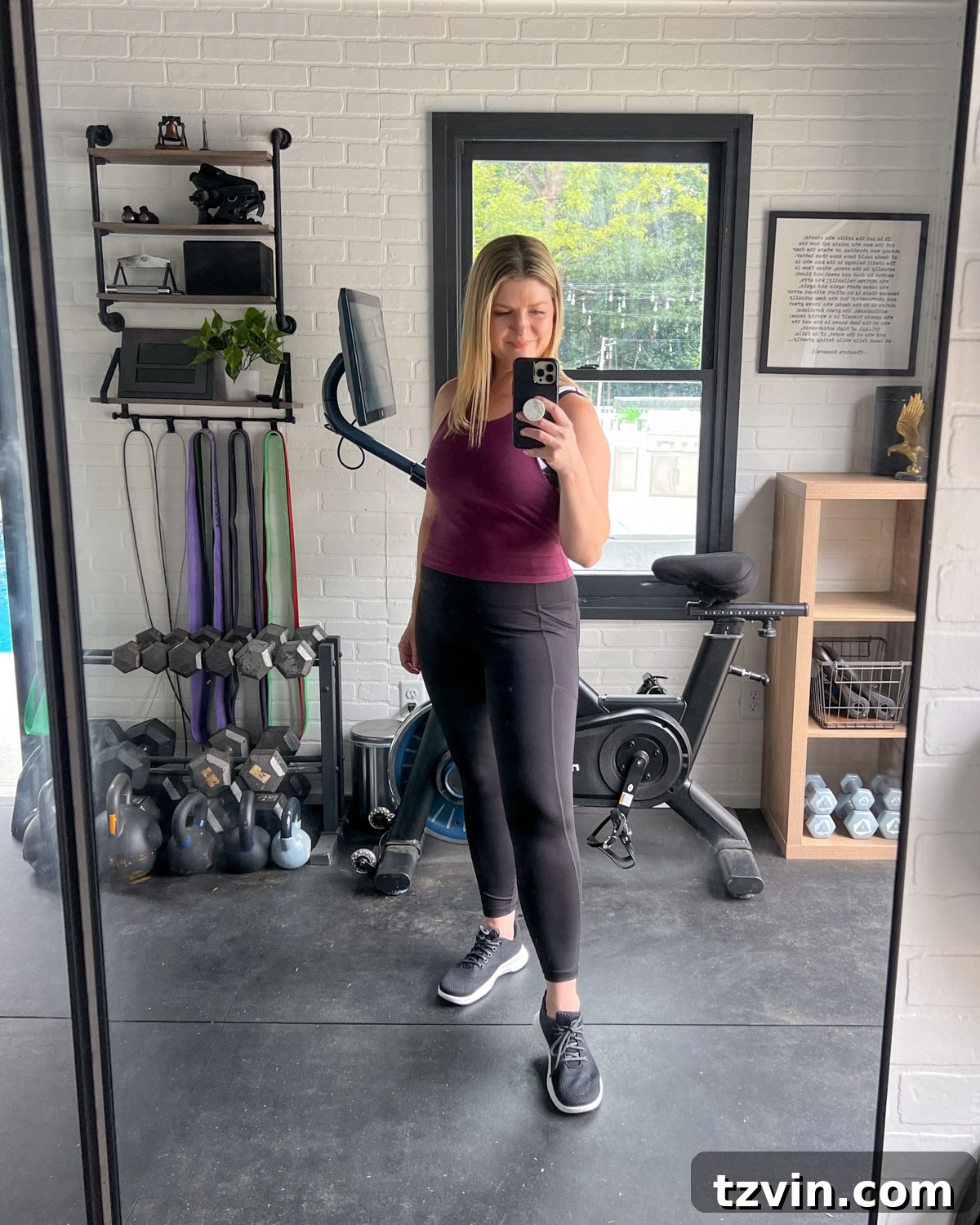
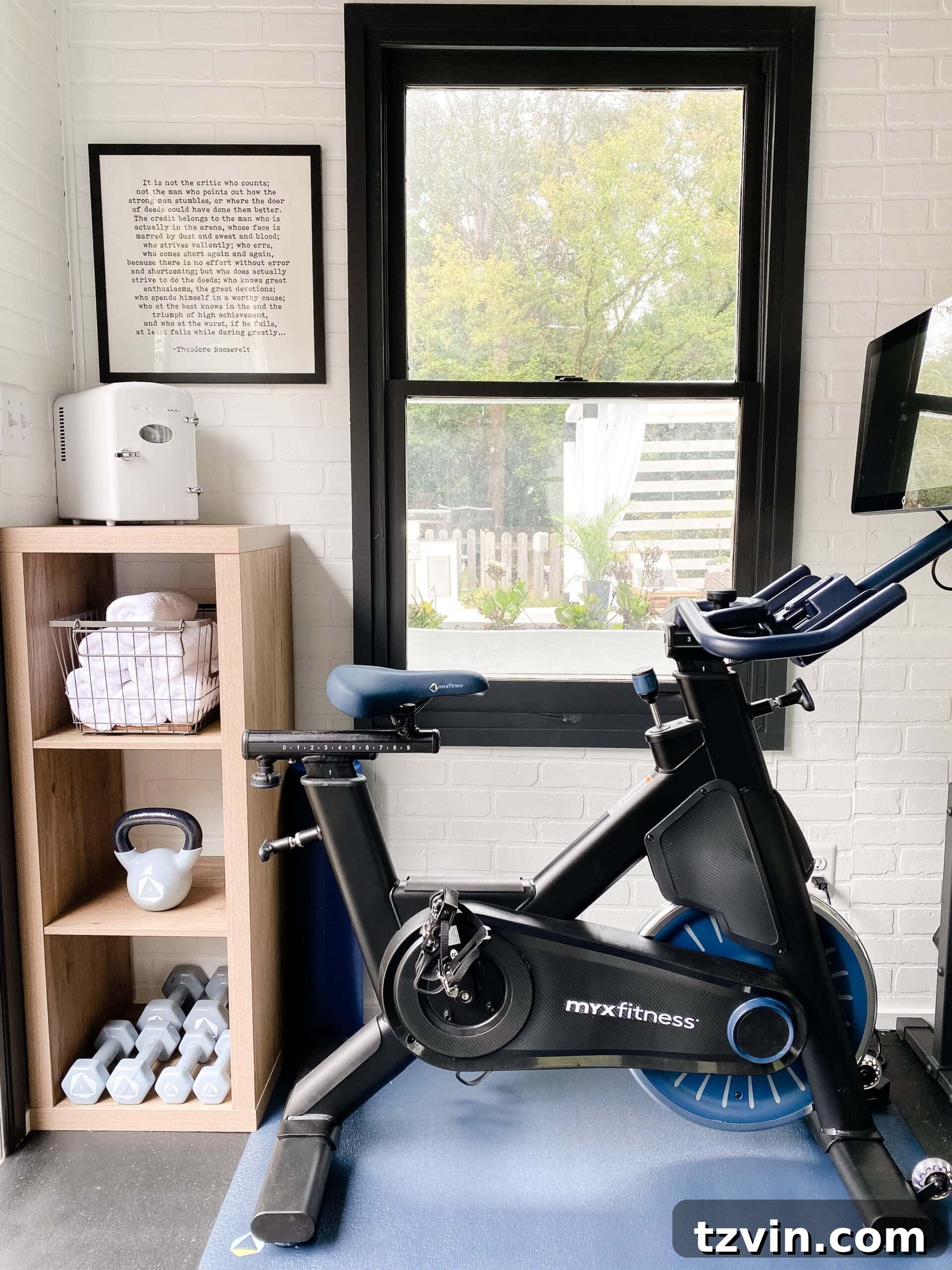
Over the past couple of years, my primary forms of exercise consisted of using a cardio bike in our dedicated gym shed or enjoying leisurely walks, often accompanied by my favorite music or an engaging podcast. While consistent, these activities focused predominantly on cardiovascular health. Now, having achieved my target weight and primarily focused on dietary changes, my next phase of health and fitness is squarely aimed at toning my body and rebuilding muscle through dedicated weight training. This shift will create a more balanced and comprehensive approach to my physical well-being.
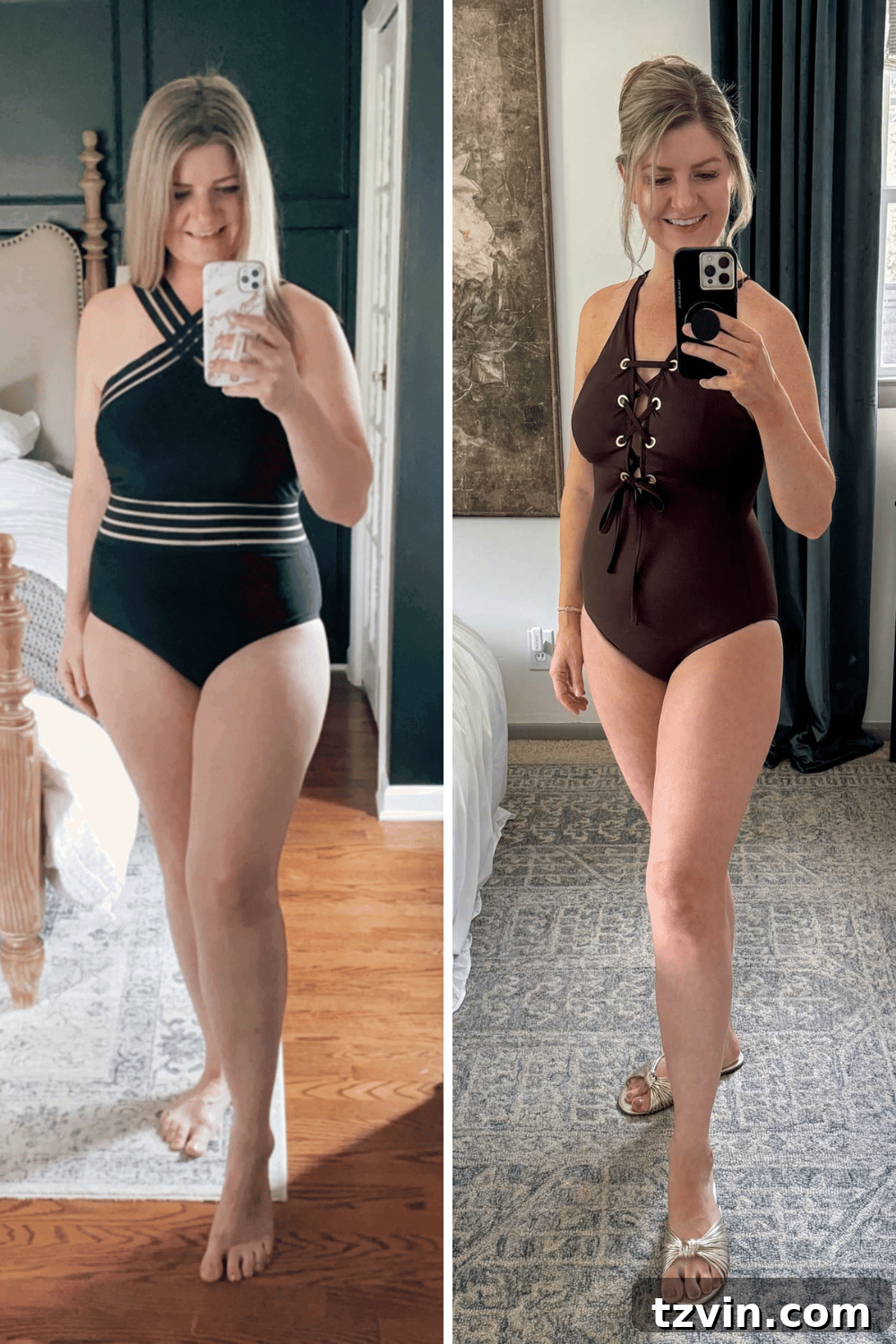
Celebrating “Before & Progress”: An Ongoing Health Evolution
I deliberately choose to frame this section as “Before & Progress” rather than “Before & After,” because in the continuous journey of life, is there ever truly an “after” when it comes to health? As a living, breathing human being, I recognize that my health journey is dynamic and ongoing, with more evolving stages ahead. I understand that perfection is an unattainable goal, and I won’t get it perfectly right every single day. However, my unwavering commitment is to consistently make good choices to the best of my ability.
My deepest hope is to continue serving this body better, consciously avoiding a slip back into old, unhelpful habits. Each day represents a small, intentional step forward. Even when I inevitably face setbacks or “fail” in a particular moment, my resolve is to remember to pick myself up, learn from the experience, and steadfastly continue on the path of well-being. This resilience and commitment to persistent effort define my current approach.
It’s vital to affirm that the woman in the “before” photo was always worthy, valuable, and beautiful, irrespective of her weight. She did not need to lose weight to possess inherent worth. Yet, I am immensely grateful to her for taking the courageous leap to prioritize her mental, spiritual, and physical well-being. This decision has had a ripple effect, profoundly improving every facet of her life.
Ultimately, my family reaps the most significant rewards from this transformation. They now have a wife and mother who is more engaged, vibrant, and present – a healthier, happier version of herself. This profound positive impact on my loved ones is, without a doubt, the greatest victory of all.
Frequently Asked Questions About My Health Journey
To provide further clarity and address common inquiries, here are some frequently asked questions that regularly appear in my direct messages:
Initially, the Noom app played a significant role in setting and tracking my daily calorie intake. This period of meticulous logging provided me with an invaluable education, allowing me to develop an intuitive understanding of appropriate portion sizes and nutritional values. Now, I have a very good sense of how much I should be eating each day without needing to meticulously log every single item. During my active weight loss phase, Noom typically assigned me a calorie range of 1300-1500 calories per day, calculated based on my age and BMI. This range was effective for creating the necessary caloric deficit while ensuring I still received adequate nutrition.
The turning point was a truly jarring moment. I stumbled upon a photograph that Robert had taken of me, and I honestly didn’t recognize myself. It wasn’t merely that my physical appearance had changed; I looked profoundly unhappy and utterly miserable. That image served as the undeniable catalyst I needed to confront the truth and initiate serious changes, not just physically, but across all areas of my life. For too long, I had consistently placed myself last on my priority list, and the cumulative negative impact of this neglect was starting to visibly affect my family dynamics, my marriage, and even my professional work. It became unequivocally clear that this unsustainable pattern had to change for the well-being of everyone, including myself.
For a full year, after learning about my sensitivities through a food test, I completely eliminated dairy and gluten from my diet. This period was crucial for resetting my system and understanding how these foods impacted me. Now, I no longer strictly avoid them, but rather consume them in significantly smaller quantities than I used to. During that elimination phase, I became incredibly adept at discovering and utilizing food swaps, which allowed me to satisfy cravings with equally delicious, but more nutrient-dense alternatives. My current approach is focused less on strict avoidance and more on mindful portion control, overall balance, and prioritizing whole, less processed foods while still enjoying everything in moderation.
No, intermittent fasting is not a practice I actively incorporate into my routine. While I naturally tend to eat a later breakfast, typically around 10 AM, this is usually balanced by having a small, healthy snack in the evenings, so it doesn’t strictly adhere to the principles of intermittent fasting. My personal preference and what works best for my body is to consume more frequent, smaller meals throughout the day. This approach helps maintain stable energy levels and prevents excessive hunger, which I find more sustainable for my lifestyle and overall well-being.
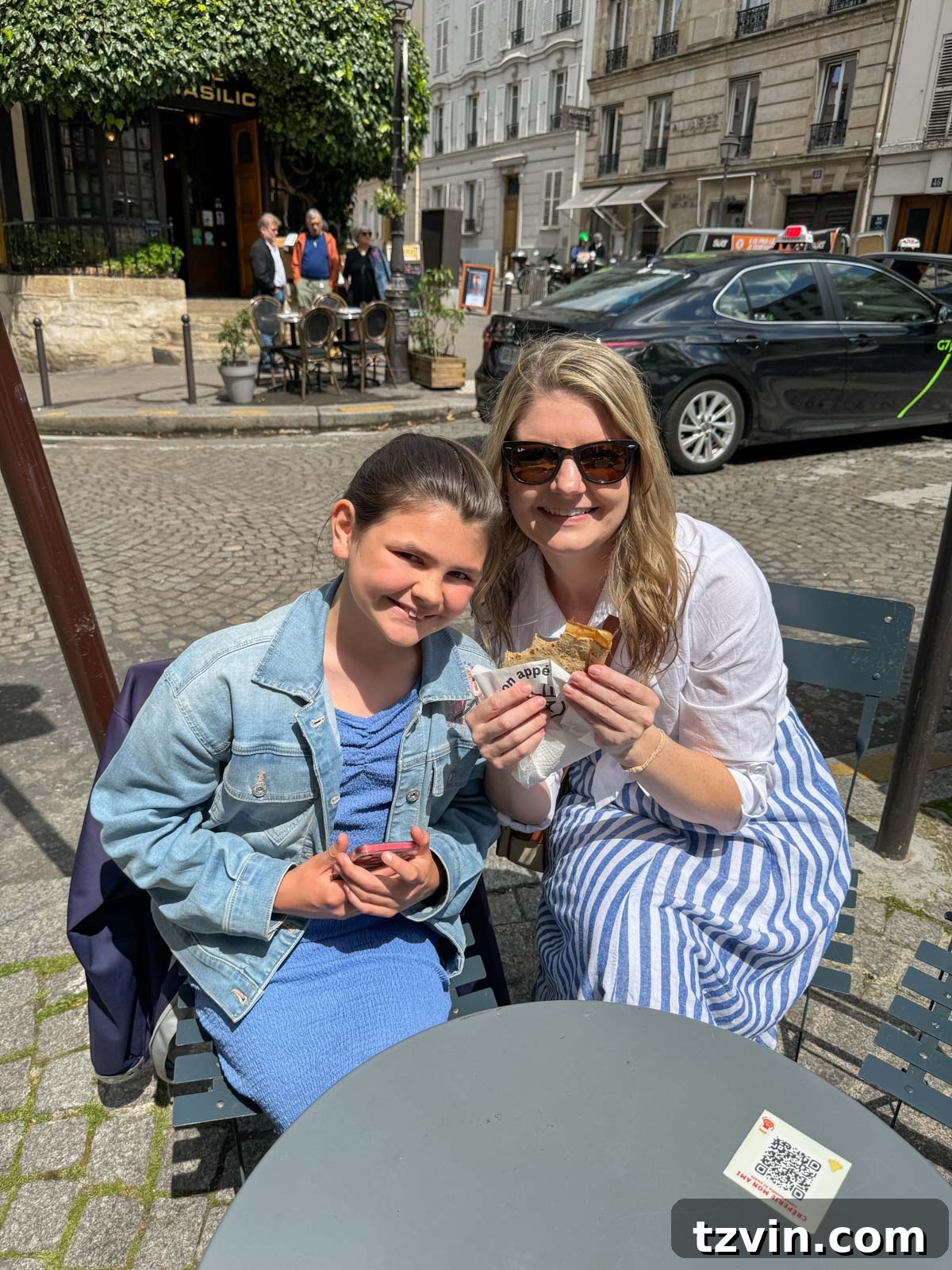
Beyond the numbers on the scale, the most cherished victories have been the qualitative changes in my life. I can now effortlessly climb the 300 stone steps up to Sacre Coeur without becoming breathless, a stark contrast to my past struggles. I can dance freely in the living room with my daughters, unburdened by pain or discomfort. These moments of renewed physical capability and uninhibited joy are, ultimately, the most profound and authentic wins of my journey.
These achievements transcend any superficial or vanity-driven reasons; they represent the true essence of living well and fully. They are the ‘good stuff’ that makes all the effort worthwhile. Regardless of where you currently stand on your personal health or weight journey, I hope you always remember your inherent worth, value, and beauty, exactly as you are.
Please internalize the truth that your self-worth is never defined by the size of jeans you wear. It is crucial to resist the urge to compare your life or your body to anyone else’s, as each of us is uniquely designed and on our own distinct path. Celebrate your body in every size and at every stage of its evolution. It is a remarkable vessel that deserves your unwavering love, care, and appreciation. Embrace your unique journey with compassion and strength.