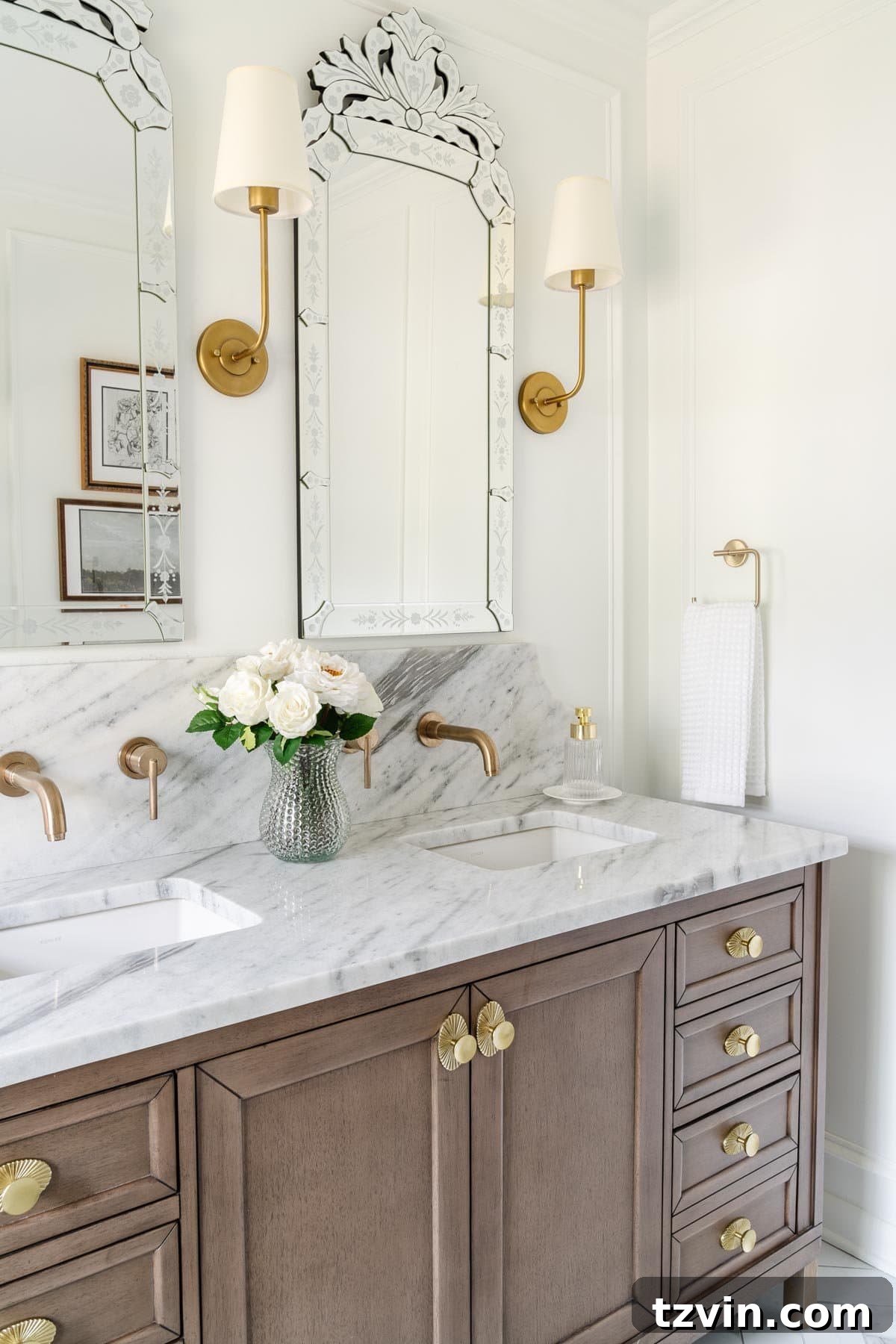
Your Ultimate Guide to Effortless Home Decluttering: Strategies for a Serene Space
There comes a moment for many of us when the accumulated clutter in our homes becomes undeniably overwhelming. For me, it’s a specific trigger: a wild glint in my eye, the swift grab of a trash bag, and then I transform into a veritable whirlwind of decluttering determination. It’s a powerful impulse, and frankly, if you stand still long enough, you might just find yourself categorized for donation! There’s an undeniable, profoundly freeing sensation that comes with purging a closet, a drawer, or an entire room that has quietly been driving you to distraction for months. It’s more than just tidying; it’s reclaiming your peace.
However, the journey to a clutter-free home doesn’t have to be a relentless chore. In fact, it can be quick, efficient, and surprisingly enjoyable if you approach it with the right mindset and a few clever strategies. This comprehensive guide will walk you through the most effective secrets for a successful decluttering transformation, ensuring your efforts lead to lasting serenity.
The Most Important Home Decluttering Tip: Embrace the Fun
Yes, you read that correctly. The cardinal rule of effective decluttering is to make it an enjoyable experience. If the mere thought of tackling your overflowing spaces fills you with dread, you’re likely thinking, “I solemnly swear I will not have fun.” But hear me out: approaching this task with a positive, even playful, attitude can dramatically change your perspective and increase your chances of success. When you frame decluttering as an opportunity for improvement and self-care rather than a burdensome chore, you unlock a powerful source of motivation. A good mood can make even the most daunting tasks feel lighter and more manageable, turning potential resentment into genuine satisfaction.
How to Declutter Your Home Quickly and Efficiently
Transforming decluttering from a dreaded task into an engaging activity is simpler than you might imagine. By integrating a few strategic tricks, you can infuse energy and momentum into your efforts, making the process smoother and genuinely enjoyable. Here are some actionable tips to help you declutter quickly and maintain your enthusiasm:
- Turn Up the Tunes: Music has a magical way of altering our mood and boosting our energy levels. Create a playlist of your absolute favorite upbeat songs – whether it’s 90s hip hop, classic rock anthems, or motivational pop hits. Blast it loud and let the rhythm move you. The right soundtrack can transform a mundane task into a dance party, making the time fly by and keeping your spirits high. You’ll be surprised how much more you can accomplish when you’re grooving to your favorite beats.
- Set a “Sprint” Timer: The idea of decluttering an entire house can feel paralyzing. Break it down into manageable sprints. Set a timer for just 15 minutes right before you begin. This short, focused burst of activity prevents overwhelm and helps you avoid procrastination. Knowing there’s an end in sight within minutes allows you to tackle the task with intense focus. You’ll find that often, once those 15 minutes are up, you’ll have gained enough momentum and satisfaction to want to continue. It’s a psychological trick that leverages quick wins to build sustained motivation.
- Capture “Before” and “After” Moments: Visual proof of progress is an incredibly powerful motivator. Before you dive into any space, snap a quick “before” picture. It serves as a stark reminder of the challenge you’re about to face. Then, once you’ve finished purging and tidying, take an “after” picture. Comparing the two is immensely satisfying. That visible transformation—seeing how much cleaner, more organized, and spacious an area has become—will fuel your desire to tackle the next cluttered spot and reinforce your commitment to a decluttered lifestyle.
- Begin with a Small, Achievable Space: One of the biggest mistakes people make is trying to declutter their largest, most overwhelming room first. This can lead to burnout and discouragement. Instead, start small. Target a single junk drawer, a mail pile, a small shelf, or even just one corner of a counter. Achieving a quick win in a small area provides an immediate sense of accomplishment and builds confidence. This initial success will create a positive feedback loop, motivating you to move on to slightly larger tasks with a growing sense of capability and eagerness.
After jamming your way through decluttering that little drawer or shelf for a few minutes, fueled by music and driven by your timer, I bet you will have caught “the bug.” It’s an infectious feeling of accomplishment and lightness that will most likely motivate you to keep decluttering. The satisfaction of seeing tangible results, especially when comparing your “before” and “after” photos, is an amazing feeling that will encourage you to keep going, transforming your home one small victory at a time.
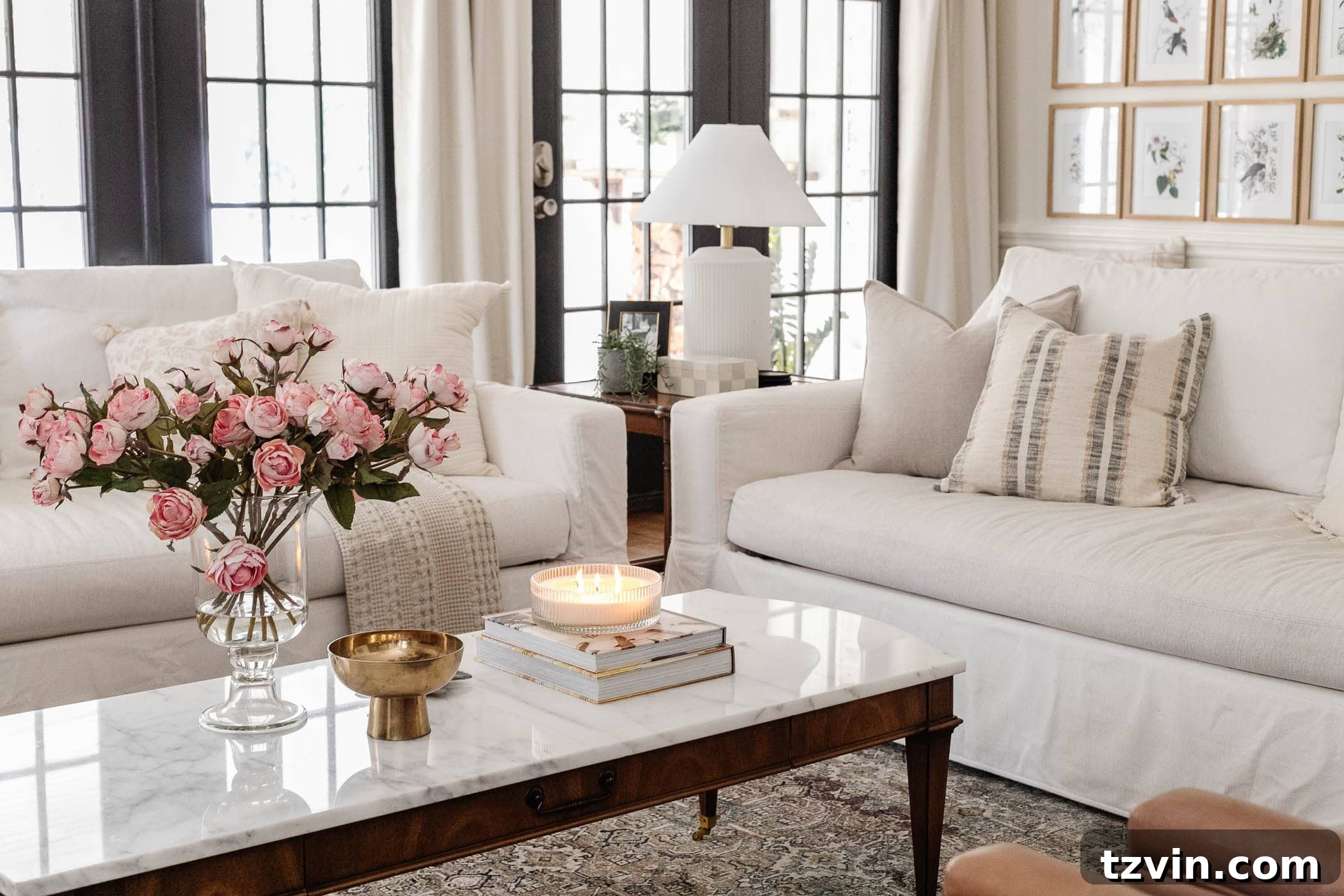
The Profound Benefits of Decluttering: Why Less Truly Is More
You might be pondering, “Why should I bother getting rid of my belongings in the first place?” It’s a valid question, and understanding the compelling reasons behind decluttering can be a powerful motivator. Beyond just aesthetics, a clutter-free home offers a wealth of benefits that can significantly enhance your quality of life. Embracing minimalism and intentional living isn’t about deprivation; it’s about making space for what truly matters.
Reclaim Your Time: How Decluttering Boosts Efficiency
Imagine having more hours in your day, not by magic, but by simply owning less. When you have fewer items to manage, organize, and clean around, your daily routines become significantly more efficient. Cleaning a cluttered home is a Sisyphean task; every surface requires moving multiple items before it can even be wiped down. Without the excess, cleaning becomes a swift, straightforward process. You can glide through your tasks, saving precious minutes that quickly add up to hours.
Moreover, owning less means having fewer things to organize and maintain. This translates directly into less time spent searching for misplaced items. How often do you find yourself frantically looking for keys, an important document, or a specific shirt? In a decluttered home, everything has its place, and finding what you need becomes effortless. This ease of access reduces daily frustration and frees up valuable mental and physical energy that can be redirected towards activities you genuinely enjoy – hobbies, relaxation, or spending quality time with loved ones.
Achieve Inner Peace: Decluttering for a Stress-Free Mind
Does the sight of your overflowing kitchen counters or an unkempt bedroom induce a subtle, yet persistent, feeling of anxiety or dread? You’re not alone. A cluttered home often mirrors a cluttered mind. The constant visual noise and the unspoken “to-do” list represented by every overflowing shelf or pile can contribute to chronic stress, decision fatigue, and a feeling of being perpetually overwhelmed.
When you declutter, you’re not just getting rid of physical objects; you are actively creating mental space. You’re simplifying your environment, which in turn, simplifies your mental landscape. This process fosters a sense of calm, control, and clarity. Instead of thinking about what you might be “losing” by letting go of belongings, focus on the profound daily stress relief you are gaining. A serene home environment acts as a sanctuary, a place where your mind can truly relax and recharge, free from the nagging pressures of disarray.
Smart Savings: Decluttering’s Financial Perks
The financial benefits of decluttering are often surprising and deeply impactful. Consider how many times you’ve purchased an item only to discover you already owned it, buried beneath layers of other belongings in a forgotten closet or drawer. Clutter can literally cost you money by leading to redundant purchases and inefficient spending habits.
The act of decluttering also serves as a powerful training exercise for your brain, encouraging more mindful and deliberate purchasing decisions in the future. As you sort through your possessions, you naturally begin to ask yourself critical questions: “Do I truly need this extra thing in my house?” or “Will this new purchase genuinely add value to my life, or will it just become more clutter?” This heightened awareness helps you to resist impulse buys and make smarter, more intentional choices. In the end, your home becomes less likely to be filled with items you don’t actually need, saving you money, reducing waste, and fostering a greater appreciation for the possessions that genuinely serve a purpose and bring you joy.
Master Your Space: 6 Proven Tricks to Declutter Your Home This Weekend
Tackling your entire home can feel like a monumental task, but with these strategic tricks, you can make significant progress in just a single weekend. The key is to approach it systematically, building momentum and celebrating each small victory along the way.
1. Create a Strategic Zone Checklist
Before you begin, grab a pen and paper and make a comprehensive list of every room and small space in your house that needs attention. Start with the absolute smallest area first—perhaps a single drawer, a shelf, or a small section of a counter. Why the smallest? Because that giant, most cluttered room feels overwhelmingly intimidating, right? Starting small provides an immediate, tangible win, building your confidence and momentum. As you tick off each completed zone, you’ll feel a surge of accomplishment that propels you forward. By the time you’re ready to face that final, large, intimidating room, you’ll have already transformed much of your home, equipping you with the motivation and practice needed to tackle even the biggest challenges.
2. The “Quick Fill” Trash Bag Challenge
This trick is designed for speed and decisive action. Grab a large trash bag and walk through a single room, or even just one section of a room. Your mission: rapidly identify and collect items that you can confidently donate or discard. Don’t pause to overthink or reminisce. Go with your gut reaction to each item. If your immediate thought isn’t “I love this” or “I use this regularly,” then into the bag it goes. The goal is to fill the bag as quickly as possible, bypassing analysis paralysis and tapping into your instinct. This exercise is powerful because it forces you to make swift decisions, helping you to detach from items that hold little true value.
3. The Four-Box Method: Streamlining Your Decision Process
Efficient decluttering requires a clear system for sorting. Label four distinct boxes or bins with these categories: “Trash,” “Donate,” “Relocate,” and “Keep.” As you work through each room, every item you touch should be immediately placed into one of these designated boxes. This method streamlines your decision-making, preventing piles from forming and ensuring that items don’t just migrate from one cluttered spot to another. The crucial final step is to act on these boxes immediately. As soon as a box is full or a room is complete, take the “Trash” to the curb and the “Donate” box to your chosen charity center. Physically removing these items from your home provides instant gratification and prevents second-guessing, keeping your momentum strong and your progress tangible.
4. The “Guest’s Eye” Perspective
We often become “clutter-blind” to our own surroundings, so accustomed to the mess that we no longer truly see it. To overcome this, walk into your home through the front door as if you are a first-time visitor. What immediately catches your eye? What kind of first impression does your home make? Is it welcoming and serene, or cluttered and chaotic? Jot down any items or areas that stand out as needing attention from this fresh, objective perspective. This exercise helps you identify “hot spots” that you’ve grown accustomed to, allowing you to prioritize visible clutter that impacts your home’s overall aesthetic and feel.
5. Enlist an Accountability Partner
If you find it particularly challenging to let go of items, a neutral third party can be invaluable. Recruit a trusted friend or family member to join you for a decluttering session in a room or two. Their objective viewpoint can help you make difficult decisions. Let them suggest items you should consider donating or discarding. While you have the final say, if you want to keep an item they’ve flagged, your excuse has to be compelling enough to genuinely convince them. This gentle peer pressure and objective perspective can help you overcome sentimental attachments and make more rational choices about what truly belongs in your home.
6. Implement a Clear Decluttering Timeline
Success in decluttering often hinges on structure and commitment. Create a detailed time-block schedule for your decluttering efforts. If you aim to conquer the bulk of the job in a weekend, assign specific time frames to each room or zone. For example: “9:00 AM – 11:00 AM: Declutter Your Bedroom | 11:00 AM – 12:00 PM: Living Room | 12:00 PM – 2:00 PM: Garage.” This breaks down the mammoth task into smaller, digestible chunks.
If a weekend sprint isn’t feasible, create a timeline with specific dates for each area. Write these commitments on your calendar to hold yourself accountable. For instance: “January 7th: Declutter Your Bedroom | January 8th: Living Room | January 9th: Garage.” A clear, visible plan transforms vague intentions into concrete actions, making it much easier to stick to your goals and achieve your decluttering aspirations.
Sustain the Serenity: How to Maintain a Clutter-Free Home Forever
Achieving a decluttered home is a fantastic accomplishment, but the true challenge lies in keeping it that way. The secret to lasting tidiness isn’t a one-time purge; it’s about cultivating consistent, mindful habits. My family and I are certainly far from perfect, but we continually strive to integrate these principles into our daily lives:
1. Practice Mindful Consumption
The most effective way to prevent future clutter is to be incredibly conscious of what you bring into your home in the first place. Before making any purchase, pause and ask yourself: “Do I truly need this?” “Do I have a designated, available space for it?” “Will it genuinely add value or joy to my life, or is it just another item to manage?” By adopting a mindful approach to shopping and acquisition, you significantly reduce the influx of unnecessary items, ensuring that your home remains a curated space rather than a storage unit for impulse buys.
2. Establish Regular Decluttering Routines
Decluttering should not be a biannual crisis; it should be an ongoing, gentle process. Integrate small, regular decluttering sessions into your routine. Set a timer for 10-15 minutes once a week and walk through your rooms, quickly identifying and removing any items that have crept in or are no longer serving a purpose. This “first glance” tidy-up prevents small accumulations from becoming large problems. Additionally, schedule a deeper decluttering session once a month or every three months to address specific drawers, closets, or shelves. Consistent, small efforts are far more sustainable and effective than sporadic, overwhelming purges.
3. Embrace the “One-In, One-Out” Rule
This simple yet powerful rule is a cornerstone of maintaining a clutter-free home. For every new item you bring into your living space, commit to removing an existing, similar item. If you buy a new shirt, choose an old one from your closet to donate or discard. If you purchase a new book, find one you’ve read and no longer cherish to pass on. This principle applies to everything from kitchen gadgets to decor items. The “one-in, one-out” rule creates a natural balance, preventing your possessions from steadily accumulating and ensuring that your home’s capacity is respected and maintained.

Navigating Decisions: Key Questions to Ask While Decluttering
One of the hardest parts of decluttering is making those tough decisions about what to keep and what to let go of. It’s common to feel hesitant, worried you might regret parting with something. To help guide your choices and cut through the indecision, here are some insightful questions to ask yourself about each item:
1. The “Moving Day” Test: If I were moving to a new home today, would I pack this in a box to take with me? This question forces you to confront the true value and necessity of an item. Moving is expensive and labor-intensive; would you invest the effort, time, and money to transport this particular item to your next chapter? If the answer is no, it’s likely not essential to your current life either.
2. The “Last Used” Metric: Have I used this item in the past year? A year is a good benchmark for most seasonal items and hobbies. If an item hasn’t seen the light of day or been touched in 12 months, its practical utility to you is probably minimal. Exceptions might include rare sentimental heirlooms or emergency preparedness items, but for most things, a year of disuse is a strong indicator it can go.
3. The “Future Purpose” Inquiry: Do I have a definite plan to use this item soon? Be honest with yourself. Is there a concrete project or event within the next few months that absolutely requires this item? Or is it a vague “someday” item, a relic of a past hobby, or a hopeful future endeavor that never materializes? If there’s no definite, near-future plan, it’s likely creating mental and physical clutter.
4. The “Condition Check” Challenge: Is this item damaged? If so, do I plan on fixing it in a timely fashion? We often hold onto broken items with the best intentions of repair. However, if it’s been sitting broken for months (or years), it’s more of a burden than a benefit. Either commit to fixing it within a specific timeframe (e.g., next two weeks) or acknowledge that it’s time to discard or recycle it. Don’t let “someday” repairs eat up valuable space.
5. The “Redundancy” Review: Do I own multiples of this item or have similar items that serve the same purpose? Redundancy is a major source of clutter. How many spatulas, black t-shirts, or coffee mugs do you truly need? Often, we keep duplicates “just in case” or out of habit. Identify and keep only the best, most functional, or most cherished version of an item, and let the rest go. Embrace the idea that one good item is better than five mediocre ones.
6. The “Space Value” Calculation: Is this item worth sacrificing the storage space it occupies? Every item in your home takes up valuable real estate, whether in a drawer, on a shelf, or on the floor. Is the value or utility you derive from this item greater than the value of the clear, uncluttered space it could be freeing up? This question helps you evaluate items against the precious commodity of your living environment.
7. The “Joy Spark” Assessment: Does this item make me feel joy? Inspired by Marie Kondo’s famous question, this delves into the emotional connection you have with an object. Beyond practical utility, does simply looking at or holding this item bring you happiness, comfort, or a positive feeling? For items that aren’t strictly functional but are deeply sentimental, this question provides a powerful filter. If it doesn’t spark joy, and it’s not a practical necessity, it might be time to say goodbye.

Your Essential Resource: The Whole Home Decluttering Printable
Feeling ready to embark on this transformative journey but need a clear roadmap? To help you get started and ensure you don’t miss a single spot, I’ve created a comprehensive 7-page Whole Home Declutter Checklist. This invaluable guide meticulously covers every area of your life, extending beyond physical possessions to include often-forgotten zones like digital clutter, unused apps on your phone, and old emails in your inbox.
Working through each room and section, item by item, and physically checking off your progress is incredibly satisfying. It provides a visual representation of your achievements, keeping you motivated and on track. This printable transforms a daunting endeavor into a series of achievable tasks, ensuring a thorough and systematic approach to creating a truly clutter-free and harmonious home.
Once you’ve successfully decluttered, the subsequent task of organizing your home becomes profoundly simpler and more enjoyable. You’re no longer wrestling with an abundance of unnecessary items; instead, you’re thoughtfully arranging only those possessions that genuinely serve you and your family. Cleaning and organizing cease to feel like arduous chores when you’re working with a streamlined collection of necessities, making your daily life smoother and more efficient. When you’re ready to take the next step towards optimized living, here are some inspiring ideas to help you organize your newly simplified spaces:
Beyond Decluttering: Inspiring Home Organizing Project Ideas
- Storage Solutions That Transformed Our Garage Makeover
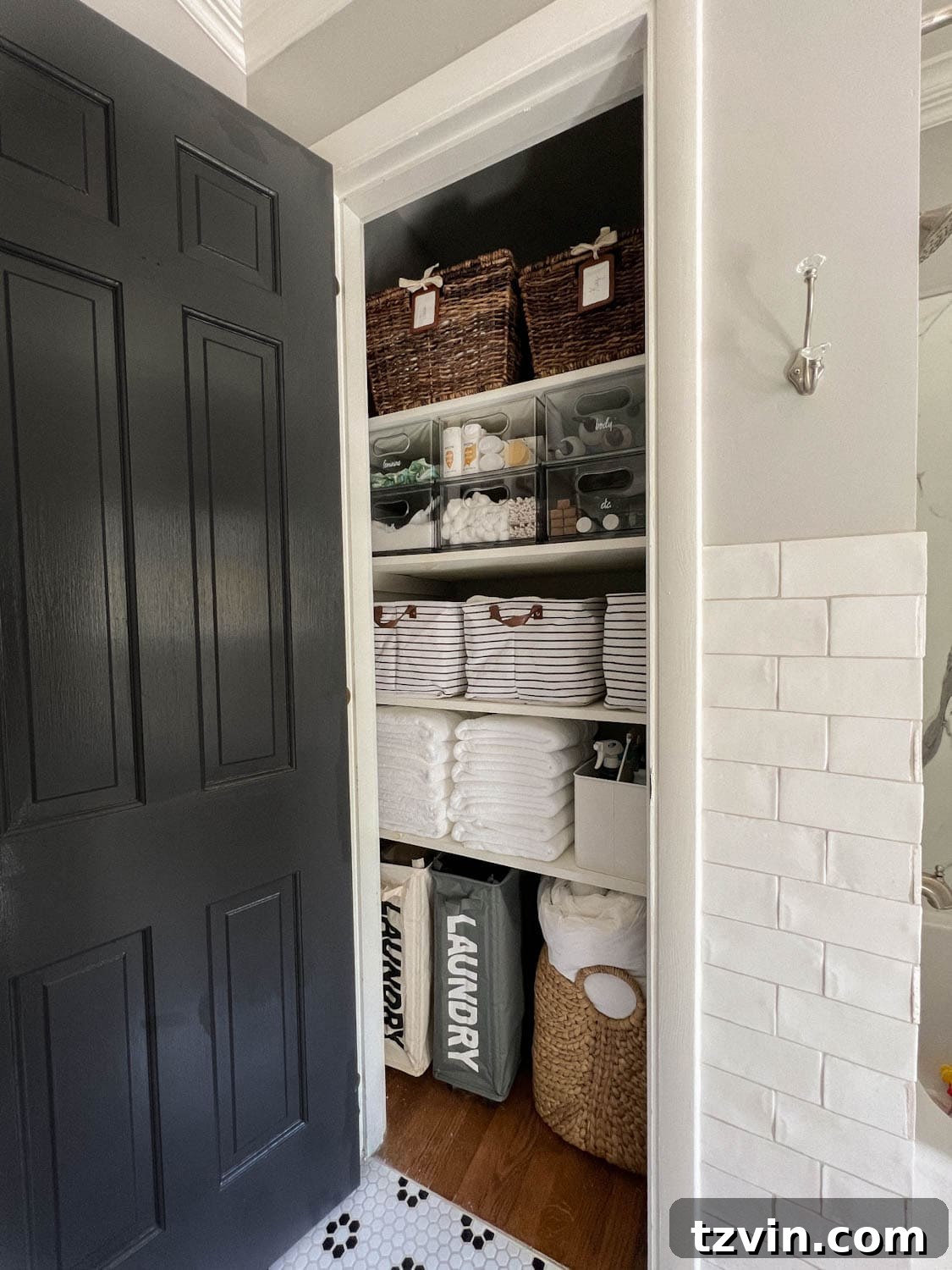
- Bathroom Linen Closet Organization Ideas That Totally Work
- Secret Toy Storage in the Playroom + the Chicest Amazon Storage Furniture
- 5 DIY IKEA Storage Hacks We’ve Used and Recommend
- Our Full Kitchen Organization Makeover
- Nursery Organization Tour
- 7 Laundry Room Organizing Solutions
However you choose to embark on your home decluttering journey, my sincere hope is that it fills you with a sense of excitement and profound joy. The initial step, the getting started, can often feel like the most daunting hurdle. Yet, once you commit and begin, there is nothing quite as liberating and empowering as the freedom and lightness that a decluttered space provides. It’s a transformative experience that impacts not just your surroundings, but your mental well-being too.
As my own decluttering efforts for the new year draw to a close, I find myself feeling practically weightless now that the task is nearly complete. The satisfaction of having purged closets and organized drawers is truly immense. There’s a distinct feeling of a fresh start, a clean slate, that permeates every corner of the home. This renewed sense of order and tranquility is, in my opinion, the absolute best way to embrace a fresh beginning, making space for new possibilities and a calmer, more intentional way of living.