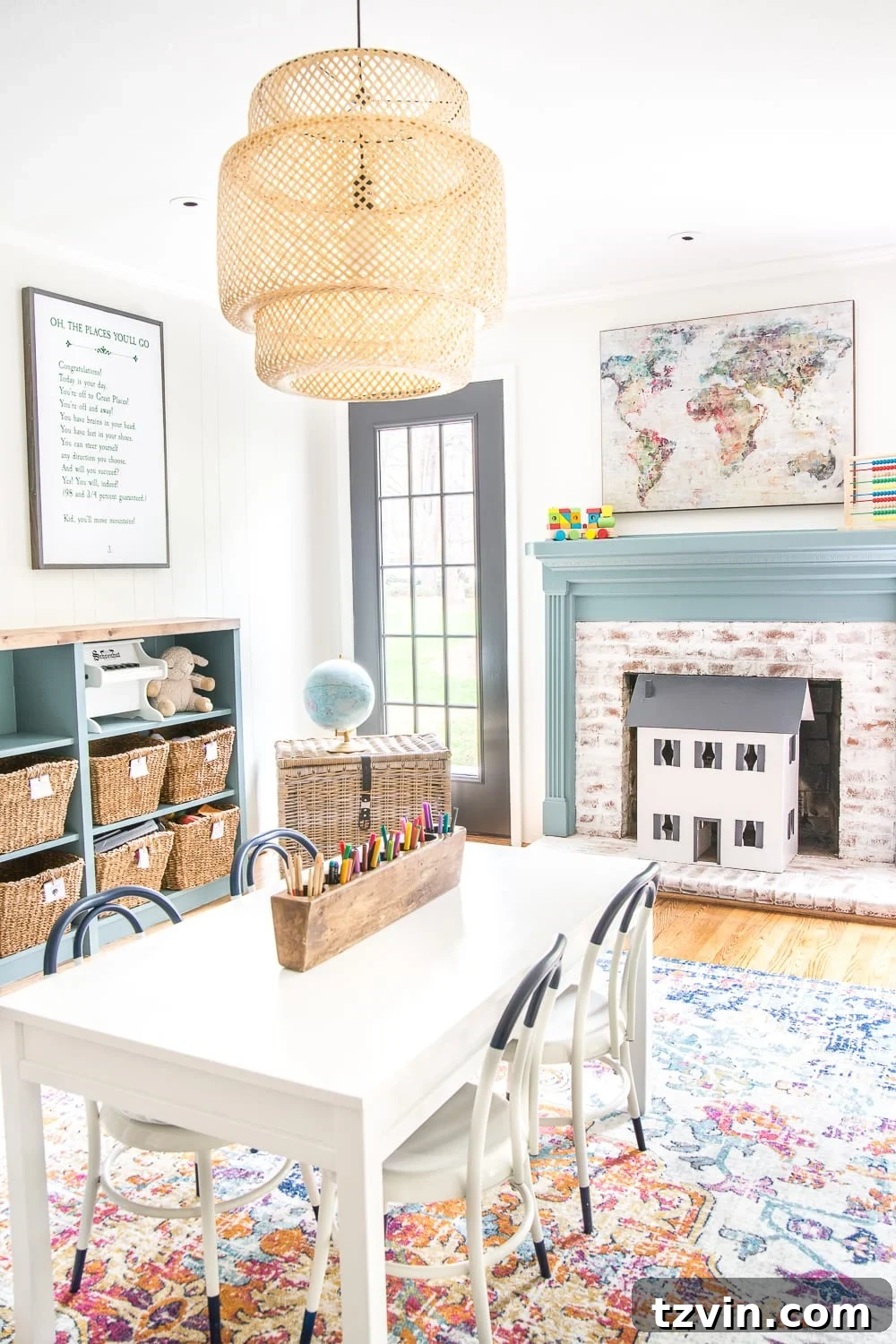
The Bedroom Toy Rule: Cultivating Peace, Encouraging Sleep, and Decreasing Anxiety in Kids
As parents, we constantly seek ways to create a harmonious and nurturing environment for our children. We strive for a home that supports their growth, encourages their imagination, and provides a sanctuary for rest and calm. Amidst the vibrant chaos of childhood, one common challenge stands out: the ever-present influx of toys. While toys are essential for development, their sheer volume and pervasiveness can sometimes feel overwhelming, contributing to clutter and, surprisingly, even disrupting our children’s peace and sleep.
I don’t know who needs to hear this, but one day the kids’ toys will be out of your house, and you’ll miss it. Or maybe you won’t. I’m not you. But I know I will a little bit. I won’t miss the visual overwhelm of bright multicolored plastic tossed all over our floors, but I’ll certainly miss all it stands for: those fleeting ages of innocence, boundless imagination, and the lively energy that once filled our home.
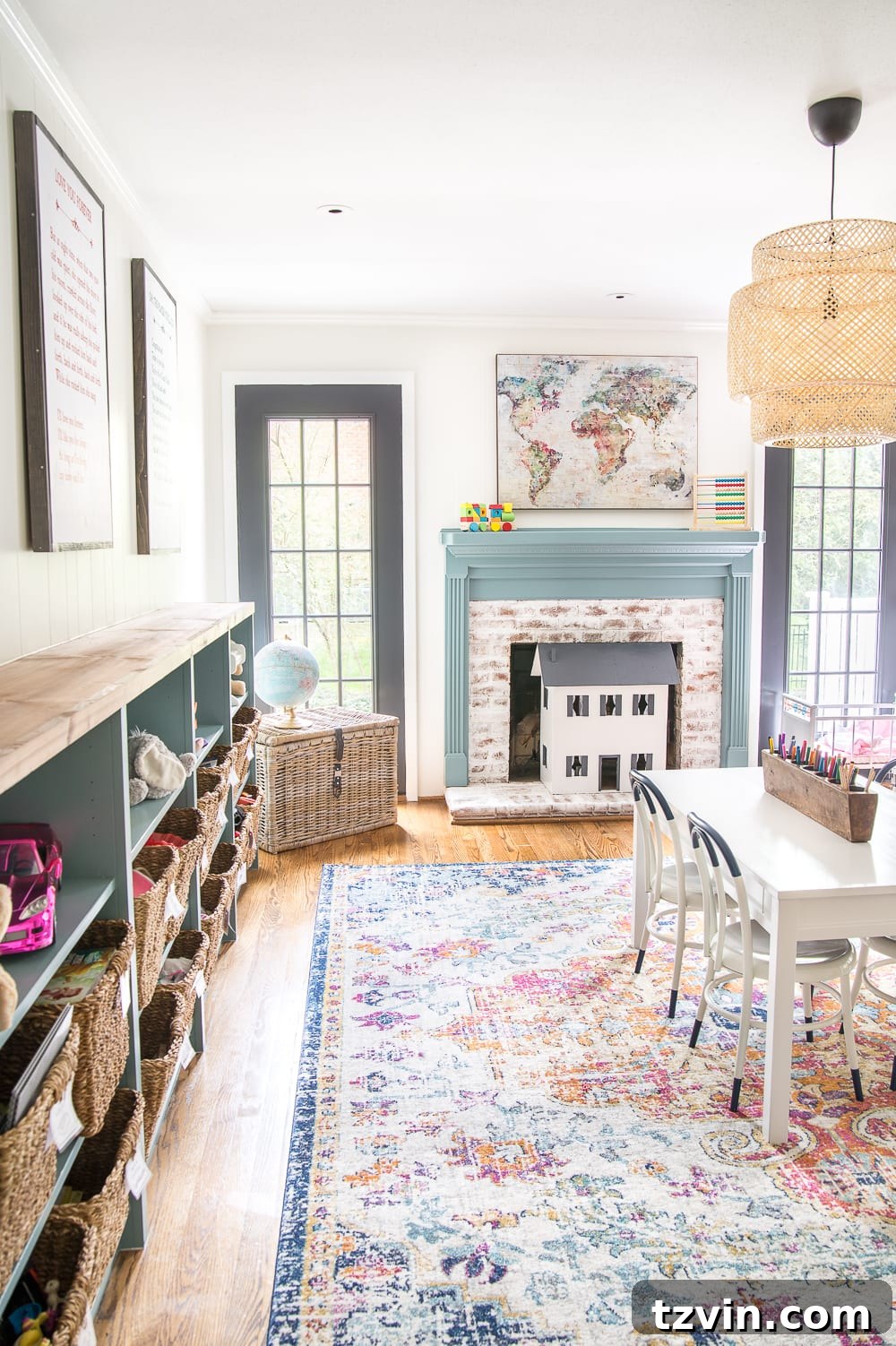
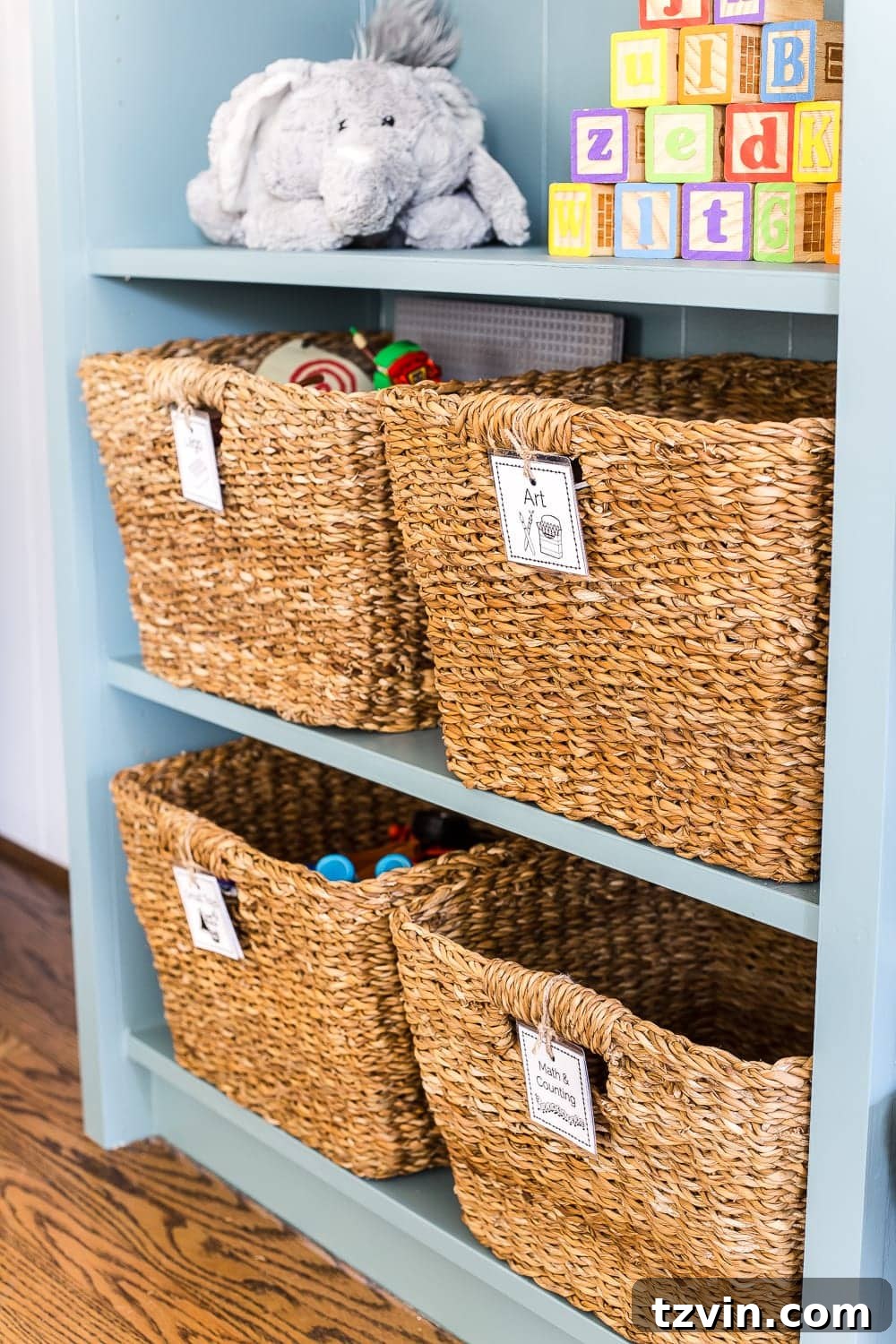
Wait a sec… let’s talk playroom reality for a moment:
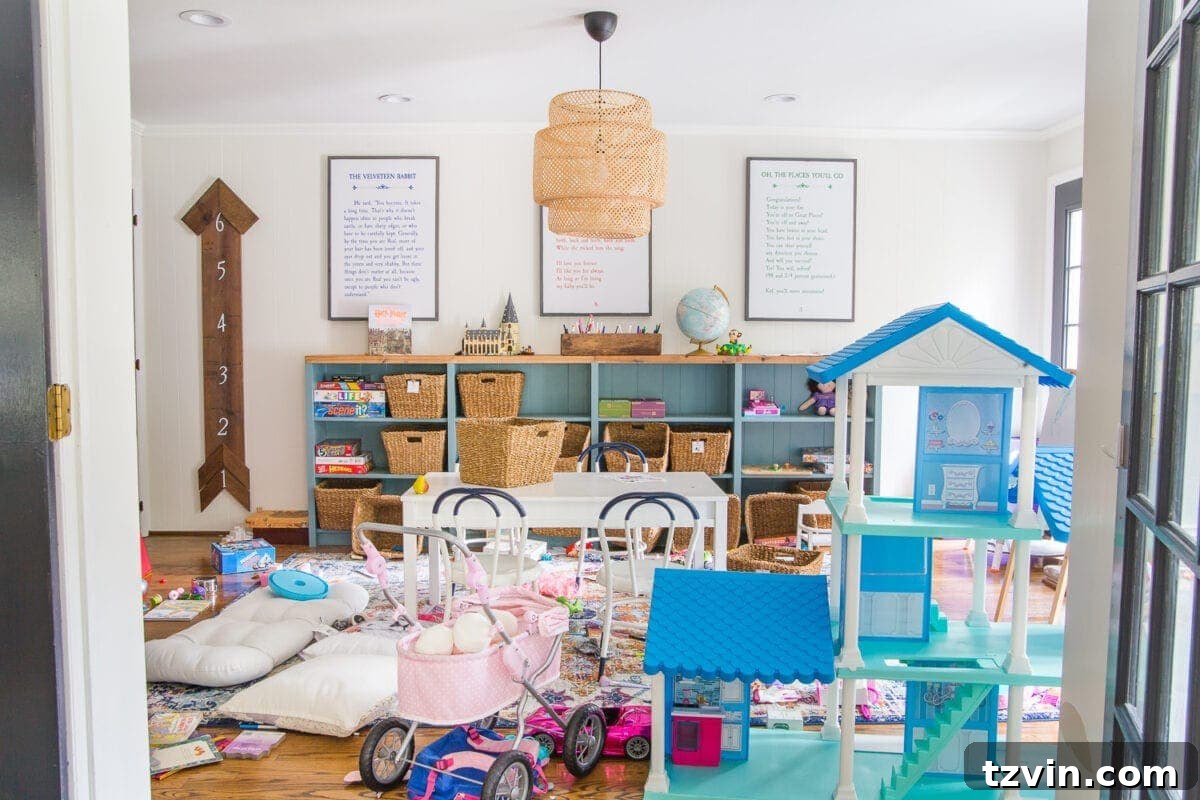
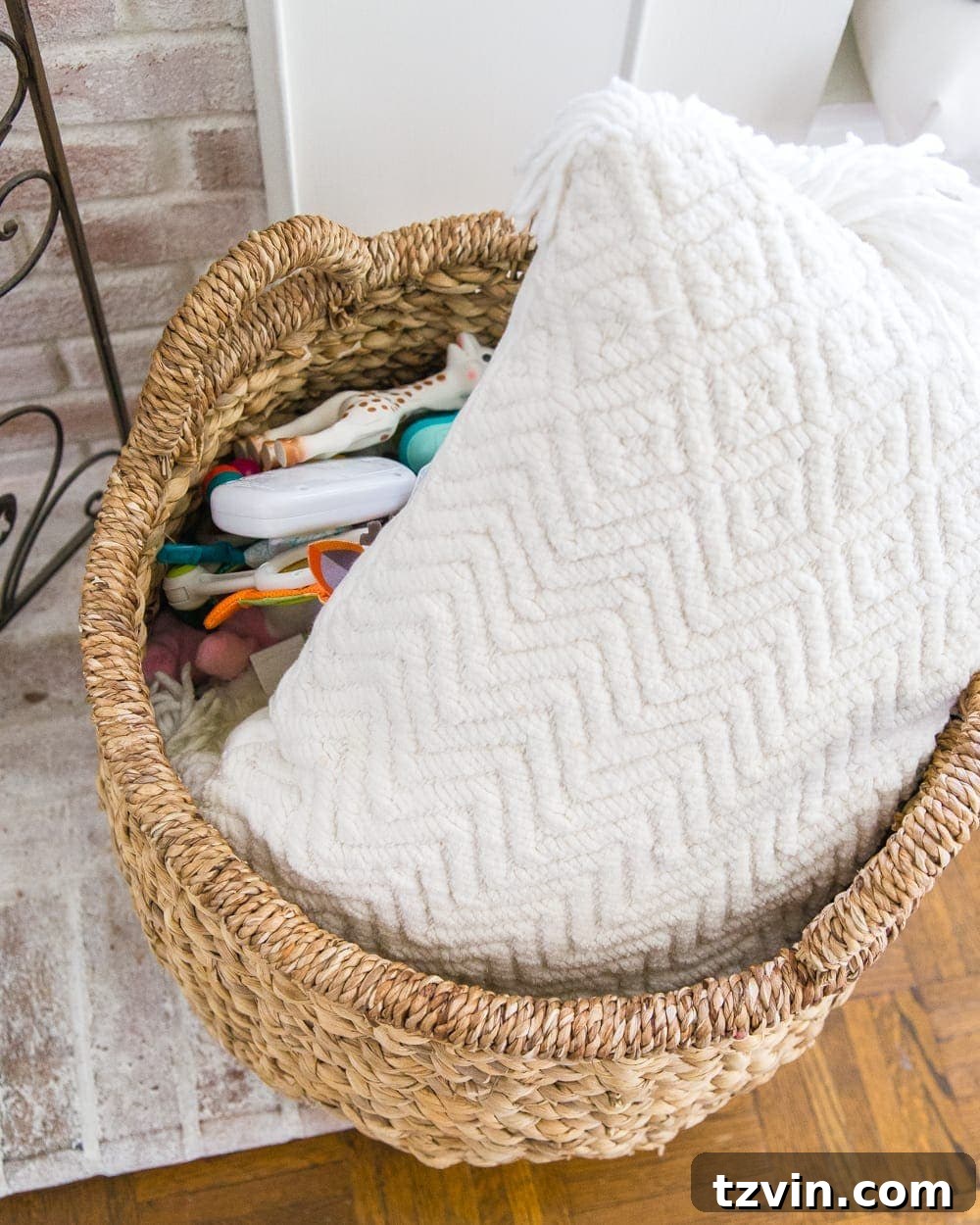
Okay, that’s better. 😉 (Proof those baskets don’t always stay looking perfect. Messes are often a sign of little minds learning, creating, and exploring—remember that this is a natural part of childhood.)
The Unexpected Revelation: Our “No Toys in Bedrooms” Boundary
Back when our eldest daughter, Olivia, was just a toddler, we stumbled upon a simple yet profoundly impactful approach that helped immensely with cutting down on visual clutter, encouraging better sleep habits, and fostering a truly peaceful environment. It wasn’t a meticulously planned strategy; in fact, it began quite by accident. This “toy rule,” if you can even call it that, became a natural way of living that we’ve embraced for the past seven years and continues to serve our family well:
Absolutely no toys in the kids’ bedrooms.
It’s less a rigid decree and more a conscious philosophy—a deliberate decision to designate bedrooms as spaces primarily for rest, relaxation, and personal sanctuary. By maintaining this clear boundary, we’ve inadvertently unlocked a wealth of benefits that have positively impacted our children’s well-being and the overall tranquility of our home. This small shift in perspective has proven to be a cornerstone of our family’s routine, leading to unexpected calm.
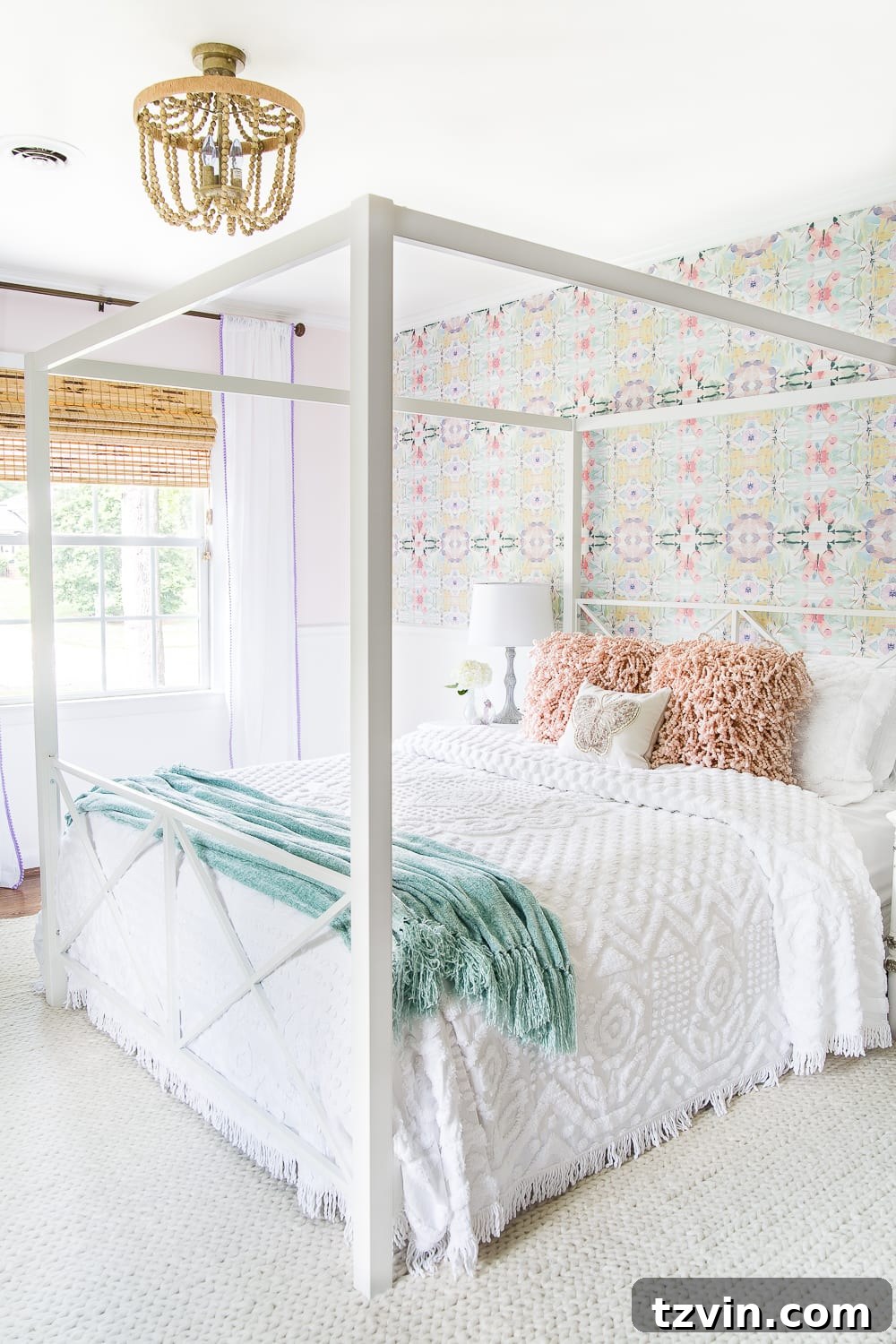
Transformative Results: Cultivating Peace, Enhancing Sleep, and Reducing Anxiety
The impact of this single boundary has been truly remarkable. For families grappling with restless nights, overwhelmed children, or constant battles over bedtime, this approach offers a refreshing and effective alternative. Here’s a deeper look at the significant benefits we’ve observed in our children and our home environment:
- Reduced Stimulation and Anxiety: Bedrooms should be havens of calm, not play zones that beckon for activity. When toys are absent, the visual and mental clutter that often overstimulates young minds is significantly reduced. Children feel less pressure to engage in play when they are meant to be winding down. This lack of constant distraction fosters a calmer internal state, directly contributing to decreased anxiety levels. Their minds can truly switch off without the visual cues of play calling to them from every corner, allowing for genuine relaxation.
- A Clear Signal for Rest and Relaxation: By removing toys, the bedroom unequivocally communicates its primary purpose: a place for sleep and rest. This clear message helps children understand the distinction between active play areas and their personal retreat. It reinforces healthy sleep habits, making bedtime routines smoother and more effective. There’s no internal debate about whether to play with a favorite doll or construct a LEGO tower when the room itself offers no such temptations, simplifying the transition to sleep.
- Enhanced Quality of Sleep: Just as adults benefit from a dark, quiet, and cool sleep environment, children thrive in a space free from distractions. The absence of toys means fewer urges to sneak out of bed to play, fewer objects to trip over in the dark, and a generally more conducive atmosphere for deep, restorative sleep. This translates to more settled nights, fewer awakenings, and children waking up feeling truly refreshed, revitalized, and ready for the day ahead, with improved focus and mood.
- A Designated Space for Unwinding: Beyond physical sleep, a toy-free bedroom becomes a dedicated space for quiet reflection, reading, or simply being. It encourages children to relax, engage in imaginative play without the need for physical props, or simply enjoy a moment of peaceful solitude. This can be particularly beneficial for highly sensitive children or those who easily become overstimulated during busy days, providing them with a much-needed mental break.
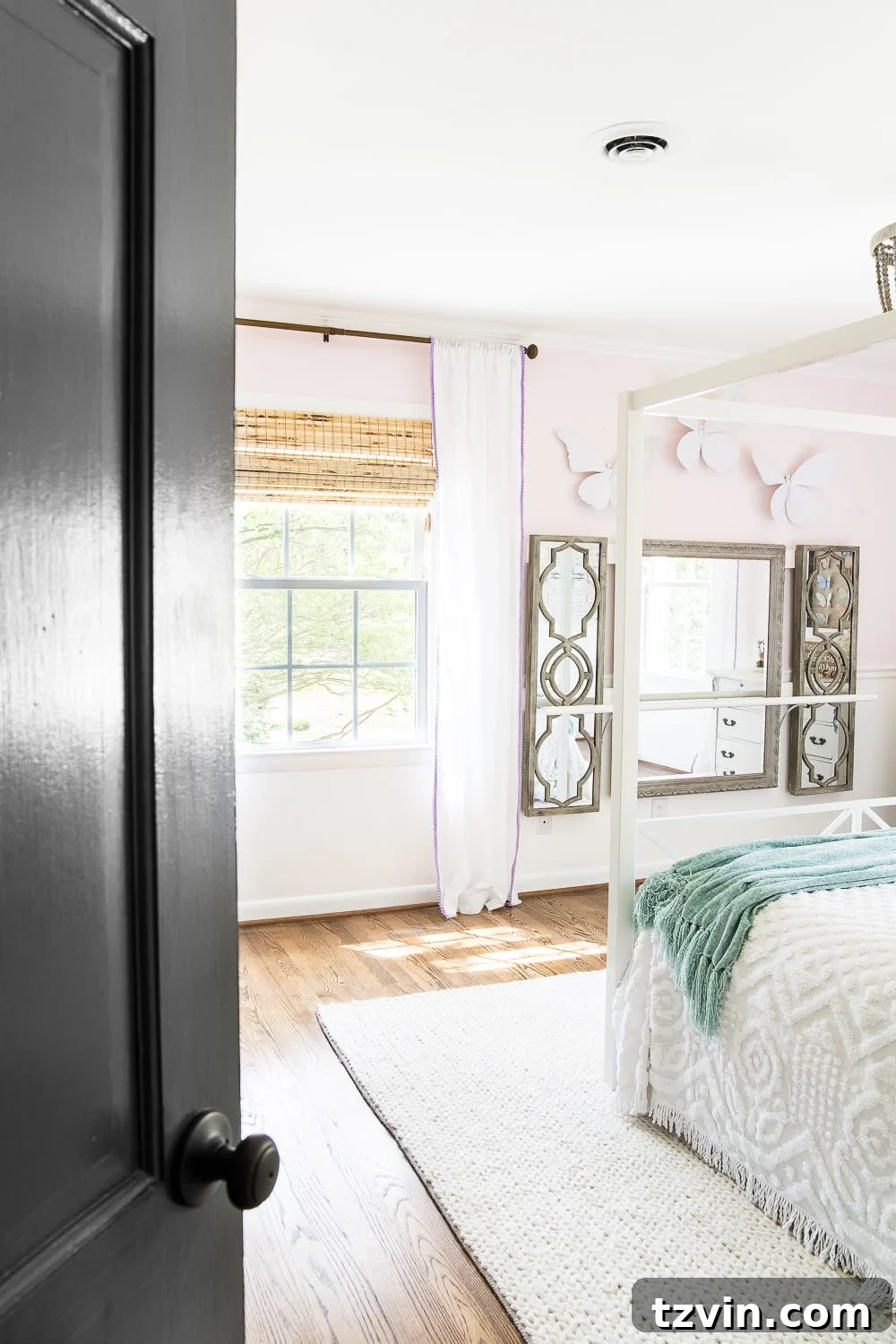
Implementing the Boundary: Practicalities and Thoughtful Exceptions
Of course, no parenting approach is absolute, and flexibility, combined with consistency, is key. While the core principle is “no toys in the bedroom,” we do allow for sensible exceptions and temporary visits. Our children’s rooms always have books, which are, after all, tools for learning, storytelling, and quiet engagement rather than active, boisterous play. Olivia also has a small trunk of dress-up clothes, which are primarily used for imaginative role-play outside the bedroom but can occasionally inspire quiet, individual creativity within her space, again without creating visual clutter or high stimulation.
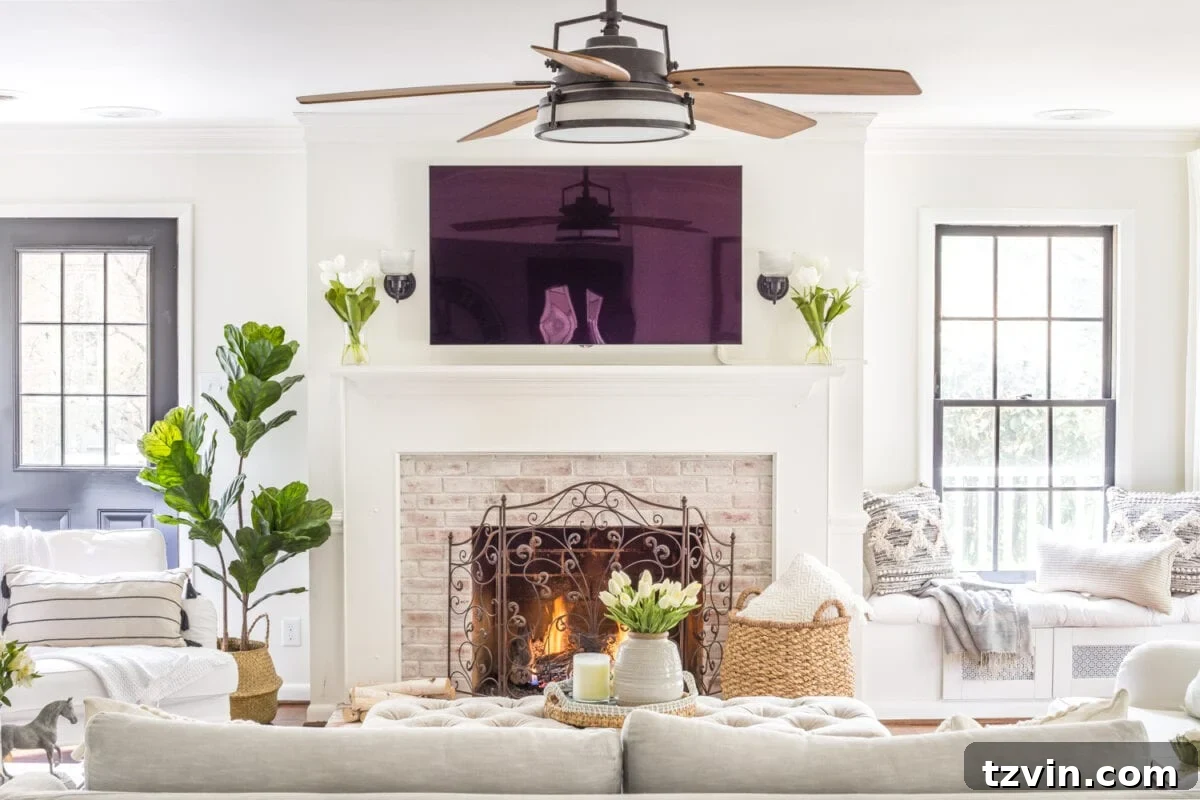
We also permit toys to visit their rooms sometimes for a brief, specific period, perhaps for a quiet activity during “rest time” or when a child feels unwell and wants a comforting item nearby. However, the crucial distinction is that these toys do not “live” there permanently. They are temporary guests and are always returned to their designated home in our living room toy basket or the dedicated playroom once the activity is finished. This consistency is vital; it reinforces the boundary and prevents a gradual, unnoticed creep of toys back into the sleep space, ensuring the bedroom remains a sanctuary for rest.
Why a Toy-Free Bedroom is Essential, Just Like a TV-Free Bedroom
The reasoning behind this boundary parallels the widely accepted advice for adults: eliminating television and other screens from the bedroom promotes better sleep. Both toys and screens are sources of stimulation that can activate the brain, making it harder to wind down and relax. Just as the blue light and engaging content of a TV can disrupt melatonin production and keep the mind alert, the visual “noise” of toys can keep a child’s imagination running, making it challenging to transition into a restful state.
By removing these potential distractions, we create an optimal environment for our children to truly rest and recharge, escaping the constant visual and mental demands of their day. It teaches them that their bedroom is not another entertainment hub, but a dedicated space for tranquility and rejuvenation, fostering essential self-regulation skills from a young age.
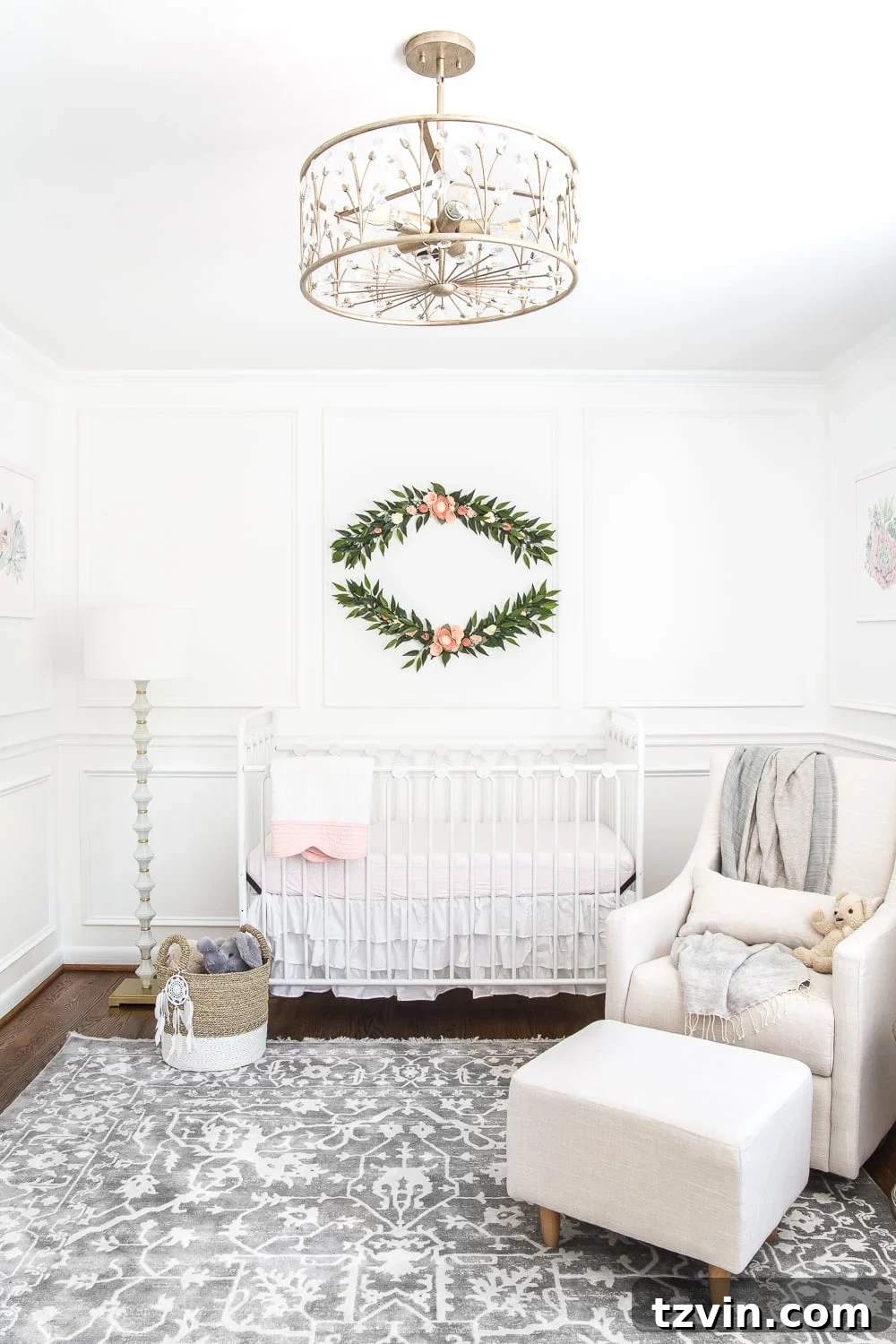
Beyond the Bedroom: Holistic Toy Organization Strategies
Implementing the “no toys in the bedroom” rule naturally leads to the question: where do all the toys go? This is where comprehensive toy organization in designated play areas becomes crucial. Whether you have a dedicated playroom or a thoughtful corner of your living room, establishing clear systems for toy storage is essential for maintaining order and peace throughout the rest of your home. We advocate for a thoughtful approach to toy management that includes:
- Designated Play Zones: Create specific areas where toys are allowed. This could be a playroom, a section of the living room, or even a corner in a larger kitchen. When children know precisely where toys belong, cleanup becomes more manageable, and the boundaries are clearer, reducing confusion and conflict.
- Smart, Accessible Storage Solutions: Utilize baskets, bins, shelves, and cabinets that are easily accessible to children. Labeling these containers (with words or pictures for younger kids) empowers them to help with cleanup and find what they need independently, fostering a sense of responsibility and order.
- Embrace Toy Rotation: Not every toy needs to be out and available all the time. Consider rotating toys periodically by storing some away and bringing them out later. This keeps play fresh and prevents overwhelm, making old toys feel new again and significantly reducing overall visible clutter, encouraging deeper engagement with fewer items.
- Regular Decluttering with Kids: Involve your children in the process of deciding which toys to keep, donate, or discard. This teaches them valuable lessons about generosity, mindful consumption, and making choices, while also ensuring that you only keep toys that are truly loved, used, and contribute positively to their play. A minimalist approach to toys can foster deeper, more imaginative play.
- Prioritize Open-Ended Toys: Focus on acquiring toys that encourage creativity, problem-solving, and imaginative play over single-purpose items. Montessori-style toys, building blocks, art supplies, and simple dolls, for example, can be used in countless ways, reducing the need for an excessive quantity of toys and inspiring more profound engagement.
It’s what works exceptionally well for our family, and while I understand it’s not for everybody, it offers a powerful solution to common parenting challenges. Every family dynamic is unique, and what brings peace to one home might need adjustment in another. But if your kiddo constantly seems anxious and overwhelmed, struggles with falling asleep, if your evenings are a battleground, or if you simply yearn for more peace and visual calm in your home, it is absolutely worth trying this boundary. The transformation can be profoundly positive for both children and parents, creating a more harmonious living environment.
Your Turn: Share Your Tips for a Peaceful and Organized Home
That’s pretty much all of the parenting tips you’ll get from this blog, because we’re far from perfect and tend to stick to DIY and decorating! 😉 But we love hearing from our wonderful community. Do you do anything specific to make your kids’ rooms places of peace and tranquility? Or have any clever tricks you use to cut down on the toy overwhelm and keep your home feeling serene and organized?
Additional Resources for Toy Organization and Mindful Play:
- Toy Organization Printable Labels & Playroom Storage
- Our Favorite Minimalist Baby Gear and Montessori Style Toys
- Video: How We Declutter Toys
- 60+ Gift Ideas for Kids That Aren’t Toys
Also, don’t miss out! I’m taking over Apartment Therapy’s Instagram Stories today to give a quick tour of our playroom! Come say hi and see our system in action!