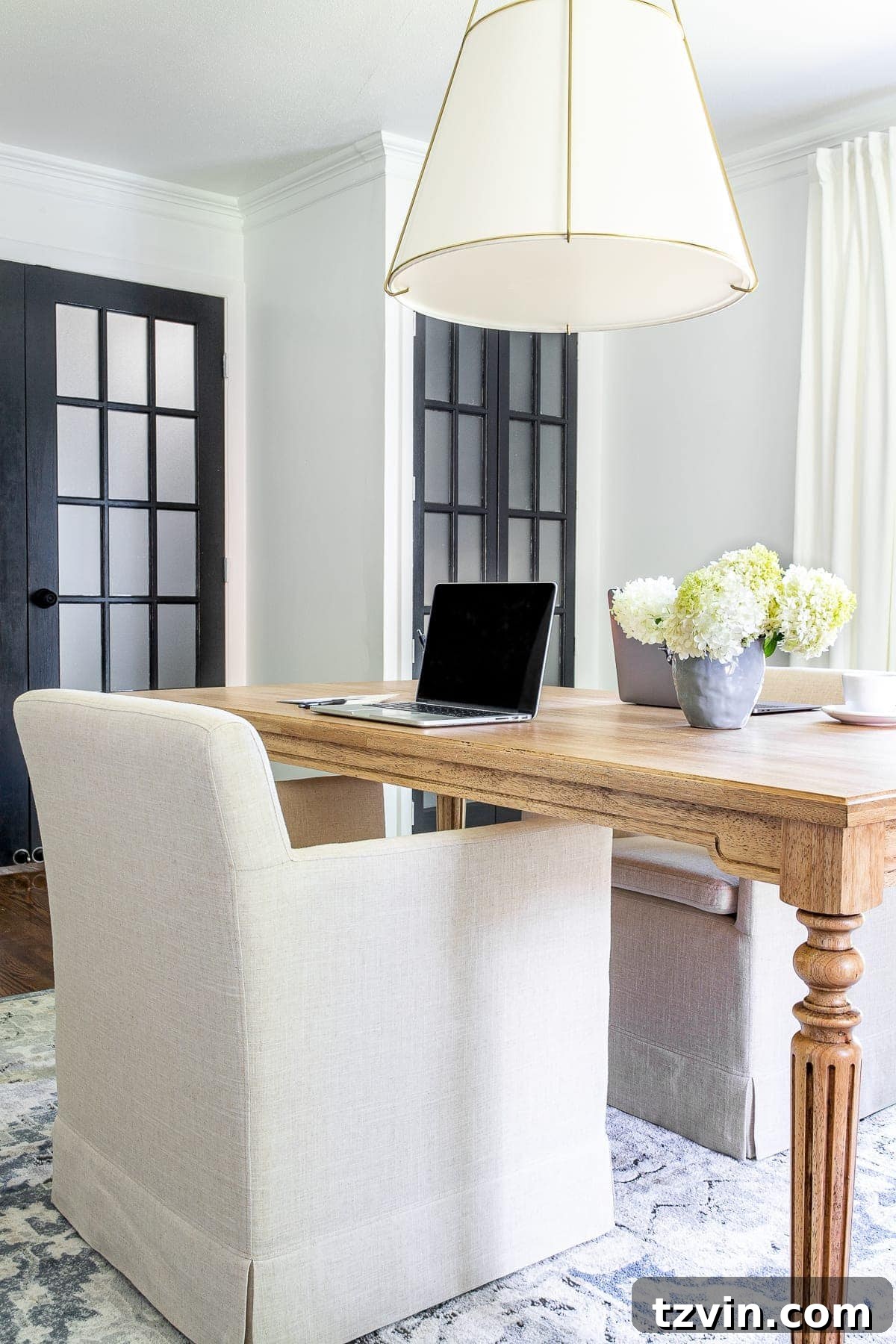
Transforming a room from an empty canvas into a reflection of your personality and lifestyle can feel like a daunting task. However, with a clear, methodical approach, you can achieve stunning results without the stress. This comprehensive guide breaks down the intricate process into 13 actionable steps, offering essential budgeting tips, expert styling advice, and creative ways to infuse your unique story into every corner of your home. Whether you’re undertaking a major renovation or simply seeking a fresh look, understanding this design blueprint is your key to success.
The allure of a brand new space is undeniably exciting. Yet, that initial enthusiasm can quickly give way to overwhelm when faced with countless decisions – from paint colors and furniture choices to lighting and accessories. Many people dive in headfirst, making impulsive purchases only to find their space lacks cohesion and feels less than ideal. The truth is, the most critical phase of decorating a room happens long before you pick up a paint brush or click “add to cart.”
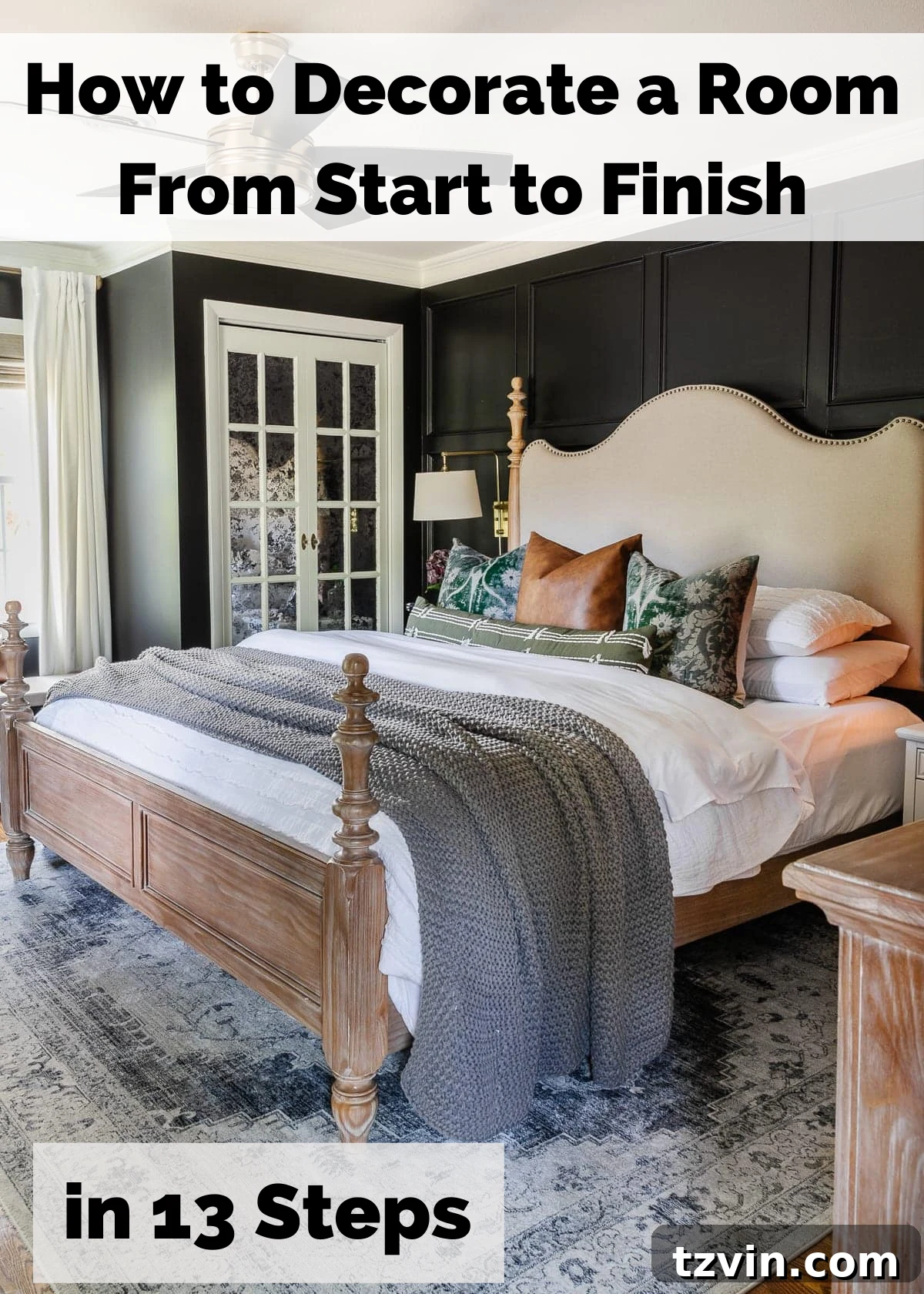
Think of it like building a house: you can’t put on a roof until you have a solid foundation, and you can’t build a foundation without a detailed blueprint. The same principle applies to interior design. Without a clear plan, you risk making costly mistakes and ending up with a space that doesn’t truly resonate with you. Over the years, I’ve refined a design planning process that has consistently delivered beautiful and functional spaces. This 13-step strategy provides the blueprint you need to navigate every decision with confidence, ensuring your decorated room is exactly as you envisioned, from inception to the final flourish.
How to Decorate a Room in 13 Proven Steps
Embarking on a room makeover can be an incredibly rewarding journey. By following these thirteen systematic steps, you’ll gain clarity, prevent common pitfalls, and create a space that is not only visually appealing but also deeply personal and perfectly suited to your needs.
1. Define Your Personal Decorating Style
You might be thinking, “Of course, I know my style!” But in an age saturated with stunning imagery across Pinterest, Instagram, and countless blogs, it’s easy to admire many aesthetics without truly understanding what resonates with *you* for *your* home. Before identifying your decorating style, rooms often feel empty and overwhelming, with endless possibilities leading to paralysis by analysis. Pinpointing your unique aesthetic is the foundational step that brings clarity and direction to all subsequent decisions.
Practical Ways to Uncover Your Style
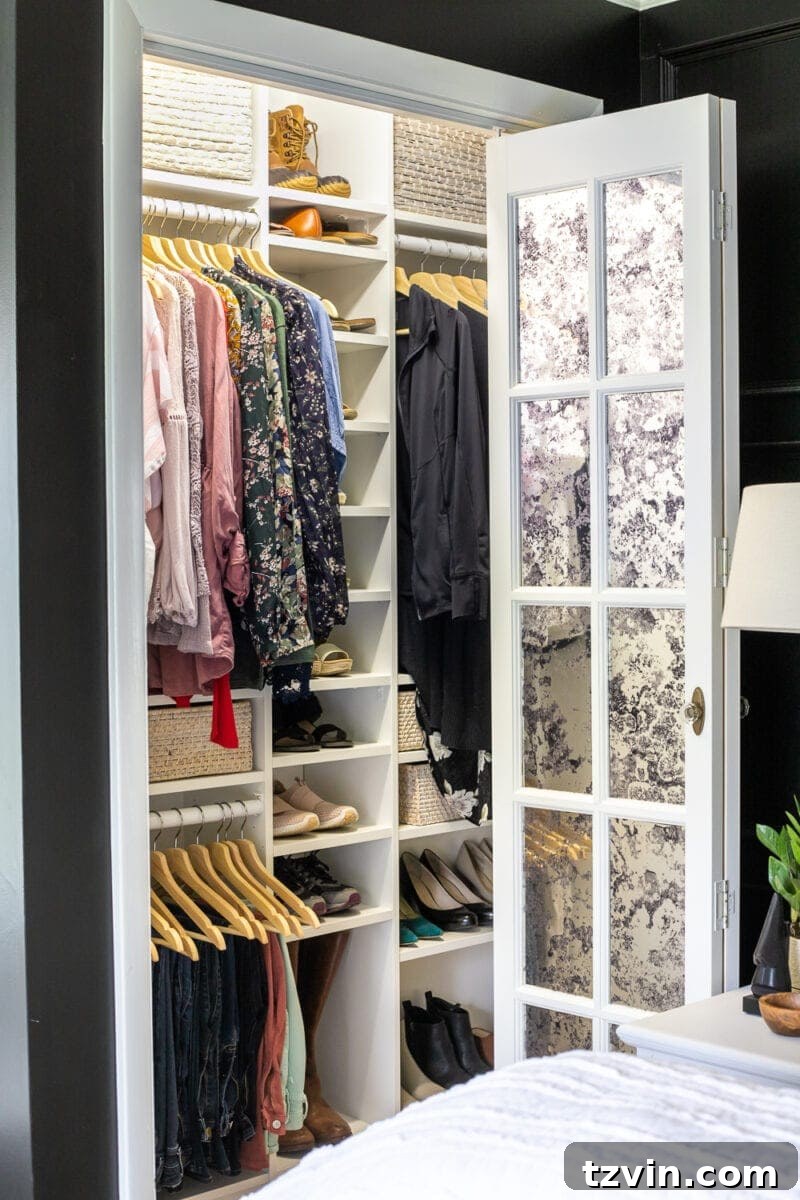
Draw Inspiration from Your Wardrobe
Your closet is a treasure trove of clues about your personal preferences. Consider your favorite outfits: What makes them your go-to? Do you gravitate towards bold patterns, classic solids, or subtle textures? Are you more comfortable in casual wear or do you prefer to dress up? What colors dominate your wardrobe – neutrals, vibrant hues, or earthy tones? For example, if your closet is full of comfortable jeans, tailored blazers, and natural fabrics in blues and greens, this often translates to a classic, relaxed, and approachable interior style. This exercise helps you connect your personal comfort zone in fashion to your desired comfort zone in your living space.
Analyze Your Saved Photos for Commonalities
Start an online collection (Pinterest board, Instagram saves, or even a folder on your computer) of interior design images that catch your eye. Don’t overthink it; just save anything you love. Once you’ve accumulated a significant number of images, review them critically. Look beyond the overall room and zoom in on specific details. Do you notice recurring themes in furniture shapes, color palettes, types of lighting, or architectural details like wall moldings? Perhaps you’re drawn to rooms with sleek, modern lines or prefer the ornate details of traditional design. Identifying these shared elements will reveal what your subconscious truly loves, even if you couldn’t articulate it before. Jot down these commonalities – these are the building blocks of your unique decorating style.
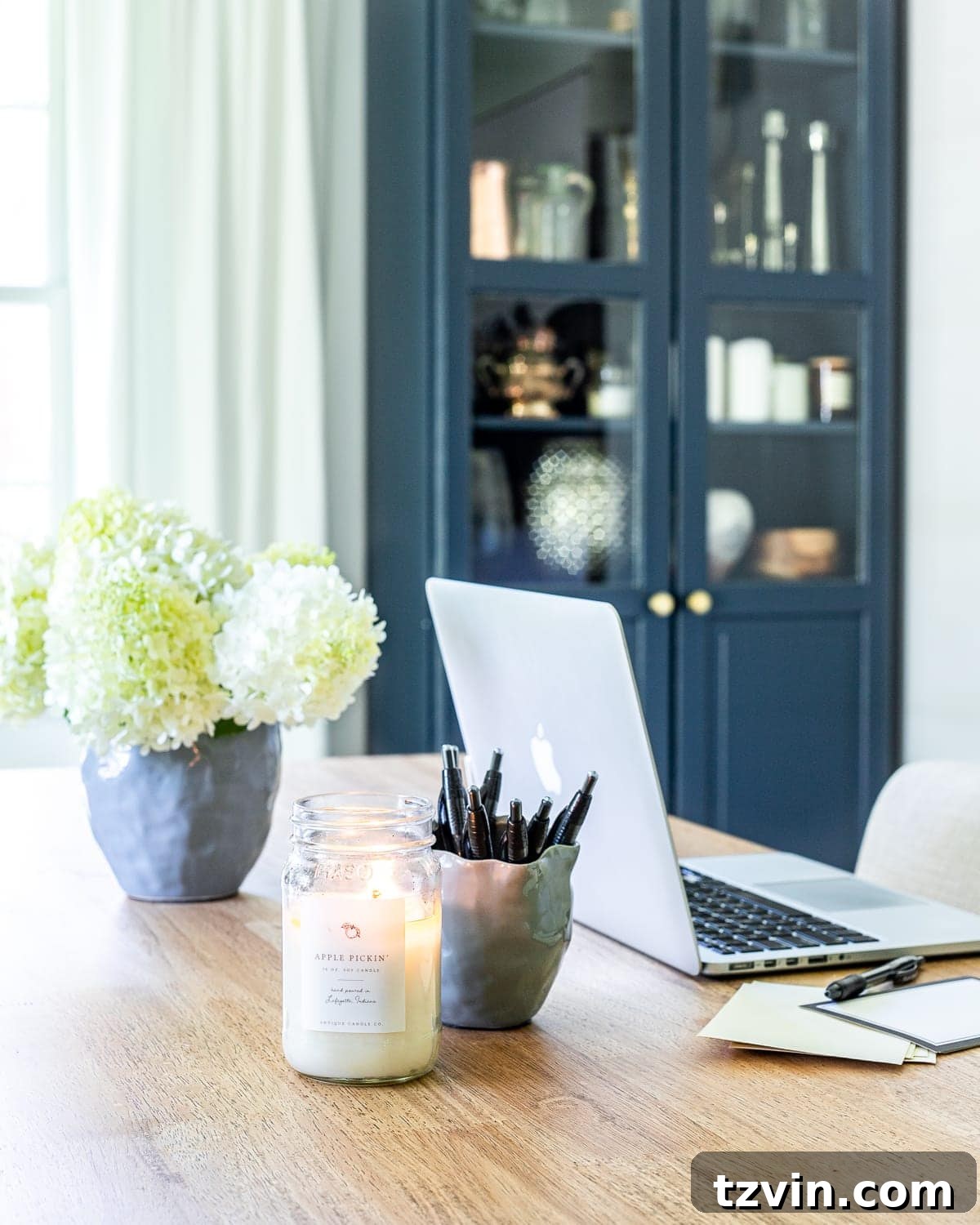
Determine the Desired Mood for Your Home
Your environment significantly impacts your mood and well-being. Therefore, a crucial step is to define how you want your home to *feel*. Choose 2-3 words that best describe the atmosphere you wish to create. As you make design decisions, constantly ask yourself if each element aligns with these chosen moods. For instance, if you want a “serene” and “airy” space, you’ll likely opt for light colors, natural materials, and minimal clutter. If “bold” and “vibrant” are your keywords, you might lean towards rich colors, dramatic art, and unique textures. This emotional connection to your space is what truly transforms a house into a home.
| Cheerful | Serene | Fresh | Bold |
| Bright | Edgy | Innovative | Trendy |
| Inviting | Crisp | Relaxed | Collected |
| Minimal | Fun | Sophisticated | Clean |
| Casual | Friendly | Vibrant | Timeless |
| Formal | High-End | Neutral | Airy |
2. Evaluate Your Room’s Functional Needs
Beyond aesthetics, a well-designed room must serve its practical purpose. Before buying a single item, assess what the room currently lacks to function optimally for you and your family. This involves asking several key questions:
- What specific storage solutions are essential? Do you need integrated shelving, hidden cabinets, or accessible bins for daily items?
- How is this space used on a day-to-day basis? Is it a high-traffic family zone, a quiet retreat for reading, or a dynamic work-from-home area?
- What modifications would streamline your daily routines? For example, better lighting for tasks, a more comfortable seating arrangement for conversation, or a designated spot for keys and mail.
- If space is limited, how can furniture pieces serve multiple purposes?
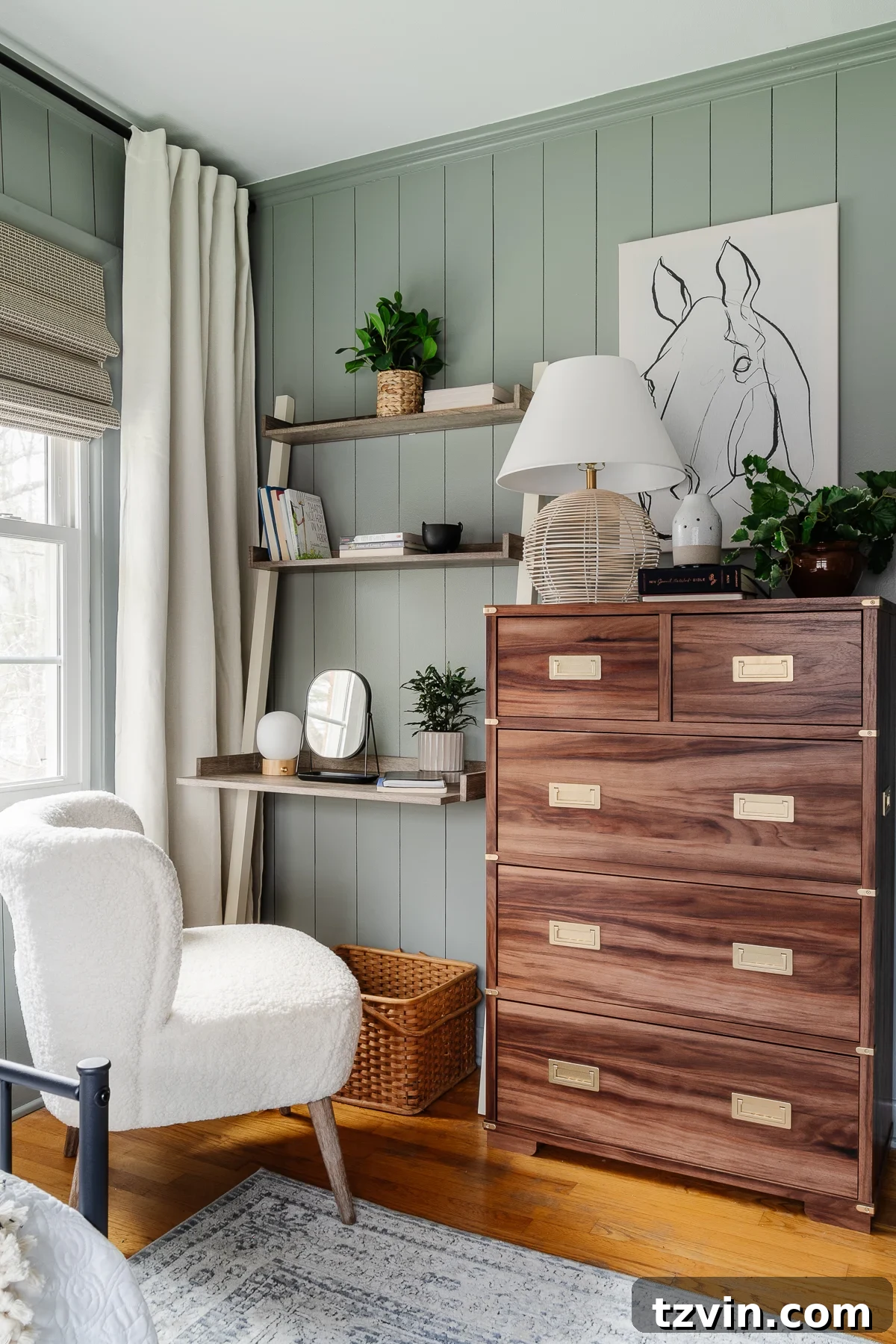
Embracing dual-purpose furniture is a game-changer, especially in smaller homes. A dining room that needs to double as a home office can benefit from a buffet cabinet designed to discreetly store books, office supplies, and a laptop. In a living room with young children, a coffee table with hidden storage for toys can maintain order and ease cleanup. Similarly, a desk in a bedroom can effortlessly transform into a makeup vanity, maximizing functionality without sacrificing style. By identifying these needs upfront, you ensure that your design choices prioritize practicality, making your daily life smoother and more efficient. Document these functional requirements, as they will dictate your top furniture and design priorities.
3. Consider All Occupants: Kids, Pets, and Personal Preferences
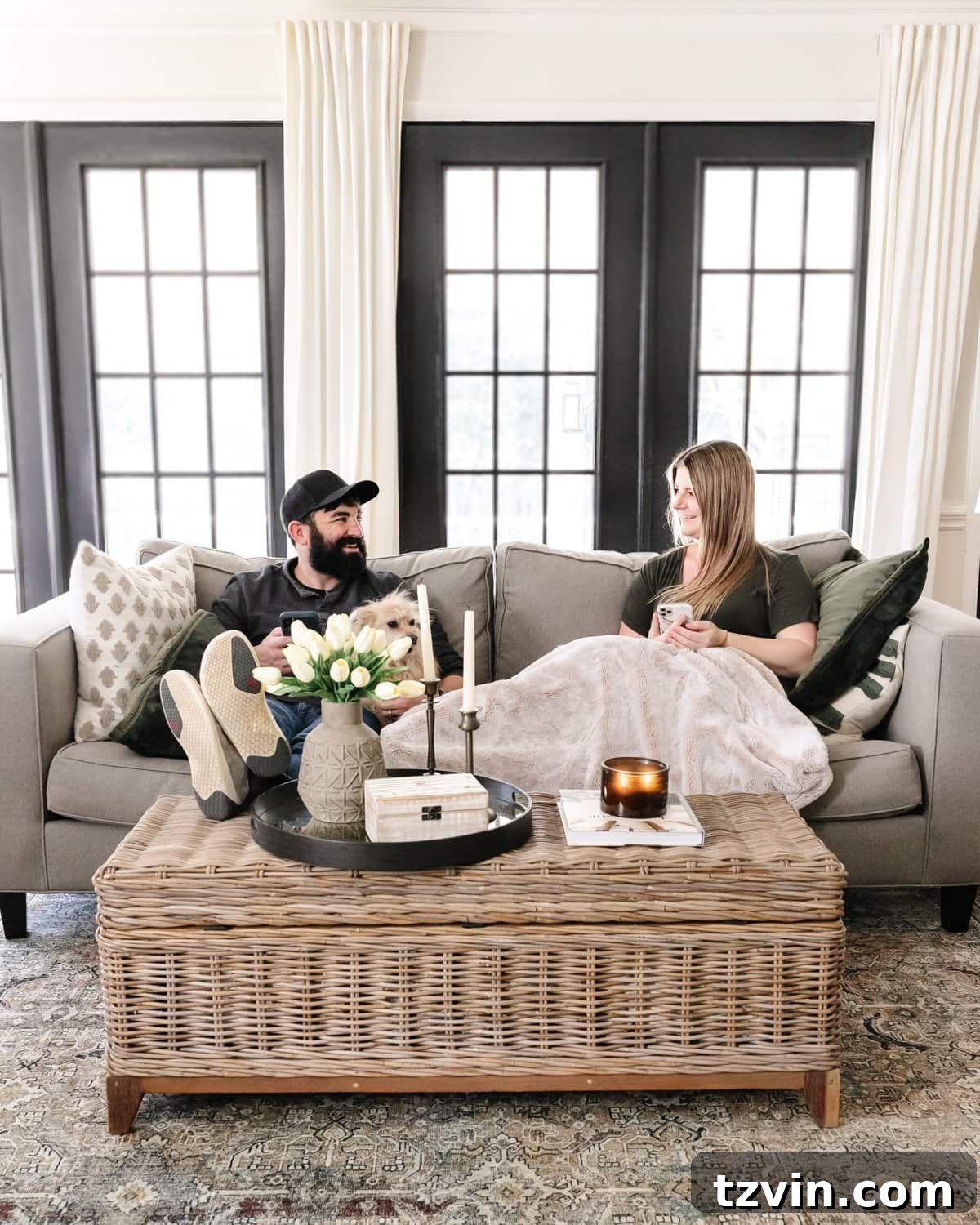
Designing a room isn’t just about personal preference; it’s about creating a harmonious environment for everyone (and everything) that uses it. Take into account the lifestyle factors that will influence material and furniture choices:
- Are young children frequently in this room? If so, durable, stain-resistant fabrics and rounded edges might be a priority over delicate materials.
- Do pets spend time here? Consider scratch-resistant upholstery, easily washable covers, and designated pet-friendly zones.
- Is this room exclusively for adults, like a master bedroom or formal living area? This might allow for more luxurious or less durable materials.
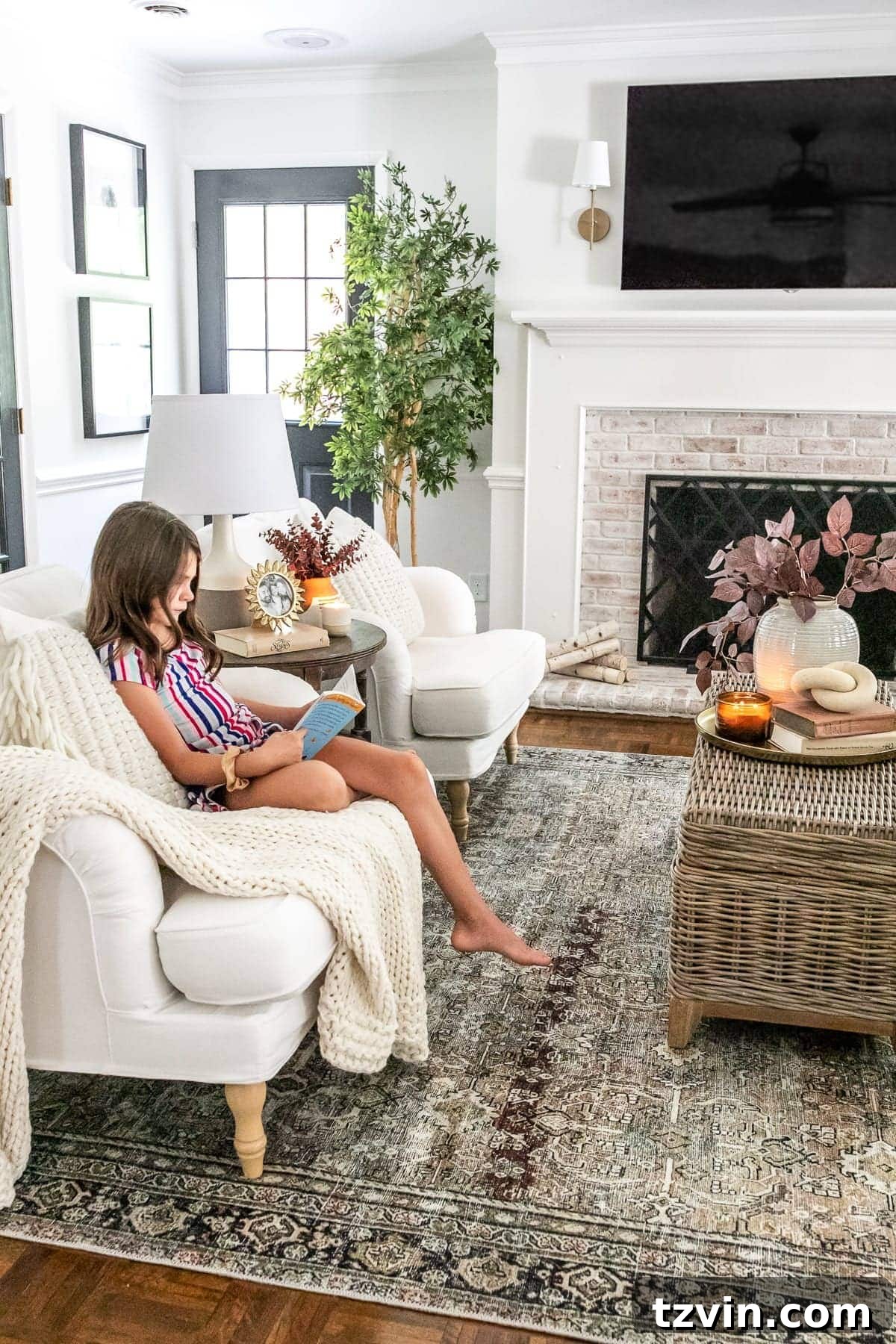
For example, in a busy living room with kids and pets, a sofa with performance fabric or removable, washable covers is a practical choice. Delicate glass coffee tables might be a safety concern, whereas a sturdy wooden or upholstered ottoman offers both functionality and peace of mind. Conversely, in a master bedroom, you might opt for a more delicate fabric for a reading chair since it’s less prone to wear and tear. Even individual preferences, like a spouse’s need for a ceiling fan over a decorative chandelier, should be noted early in the planning process. By acknowledging these practical realities, you ensure your design choices are not only beautiful but also resilient and comfortable for all who share the space.
4. Develop a Detailed Wish List
This step is particularly crucial for larger projects like kitchen or bathroom renovations, but it applies equally to any room transformation. Begin with a comprehensive brainstorming session where no idea is too big or too small. Jot down absolutely everything you desire for the space – from major structural changes to minor decorative details. This initial list serves as your ultimate vision board and a starting point for budget estimation.
Once your extensive list is complete, prioritize each item from most-important to least-important. If you share your home, have your partner create their own prioritized list independently. Then, compare and discuss. This collaborative effort is invaluable, especially when budget constraints require compromise. It ensures that both parties are aligned on the non-negotiables and the “nice-to-haves,” fostering continuous communication and mutual understanding throughout the project. This clear agreement prevents potential disagreements later and ensures the final design meets everyone’s core expectations.
5. Accurately Measure and Plan Your Layout
Precision is paramount when planning your room’s layout. Arm yourself with a measuring tape and meticulously record every dimension:
- Overall room dimensions (length, width, height)
- Window and door dimensions, including their height from the floor
- Wall widths between doorways, windows, and corners
- Placement of electrical outlets, light switches, and any architectural features like fireplaces or built-ins
With these measurements, you can begin to plan furniture placement. Consider primary traffic flow paths – ensure there’s enough space to move comfortably between furniture pieces and through doorways. Account for door swings, window clearance for drapes, and the proximity of outlets for lamps and electronics. For a tactile approach, use painter’s tape on the floor to outline the exact dimensions of prospective furniture pieces. This visual aid helps you understand scale and flow in real-time, preventing unpleasant surprises. For a more advanced virtual planning, free online tools like Plan Your Room allow you to virtually “try on” different furniture arrangements before making any commitments, ensuring an optimized and functional layout.
6. Curate a Dedicated Inspiration Board for the Room
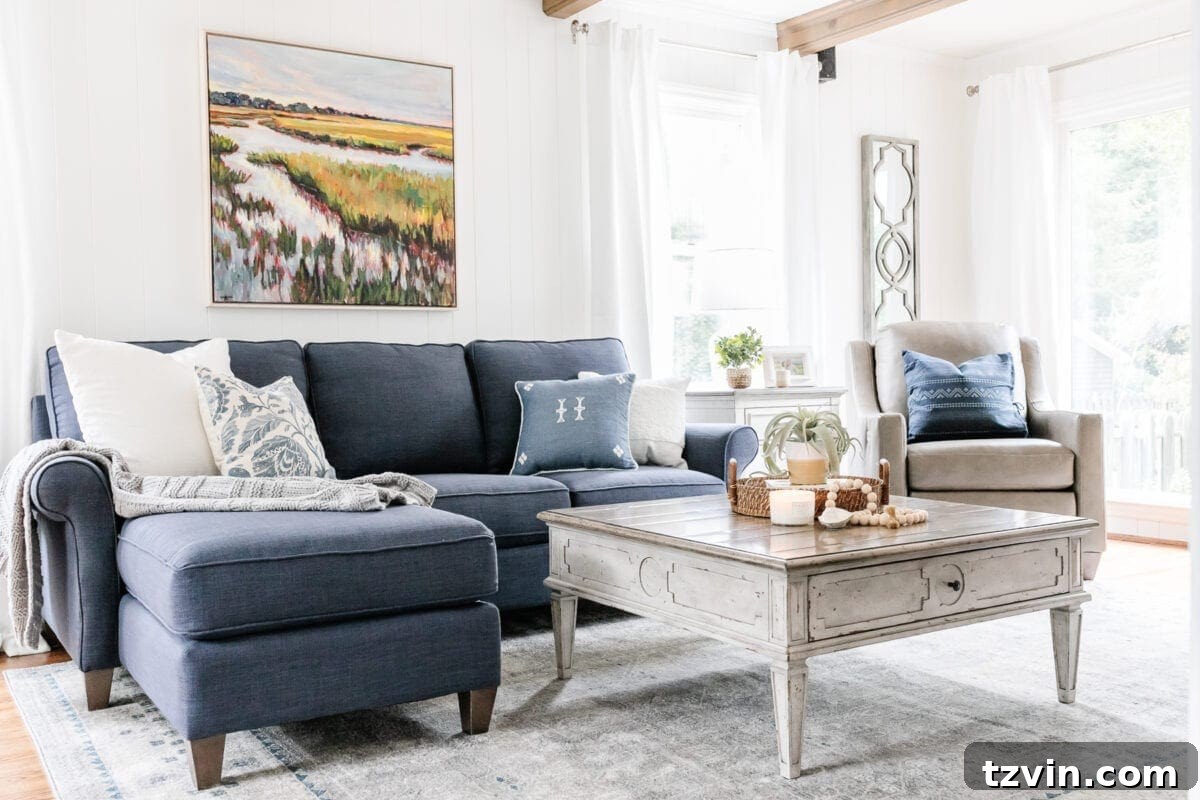
While Step 1 helped you define your overall style, this step refines it for a specific room. Create a dedicated Pinterest board or an Instagram save collection exclusively for the room you are decorating. This isn’t just a random collection of pretty pictures; it’s a carefully curated visual resource. Gather images that showcase specific furniture pieces, color schemes, textures, and moods that align with your vision for *this particular space*. This inspiration board serves multiple purposes: it helps you visualize how various elements might work together, solidifies your design concept, and acts as an invaluable communication tool when discussing your ideas with a partner, designer, or contractor. It’s your visual roadmap, ensuring everyone involved understands the desired aesthetic.
7. Establish a Realistic Budget
It’s time to get down to the numbers. A well-defined budget is critical to avoid overspending and project delays. Research the cost of major items on your wish list and decide where you want to splurge (e.g., a high-quality sofa) and where you can save (e.g., accent tables, DIY decor). Factor in the cost of all supplies, including paint brushes, drop cloths, nails, hardware, and any other small incidentals that can quickly add up. Consider if you can save money by undertaking DIY projects or by finding unique secondhand pieces through thrift stores or online marketplaces.
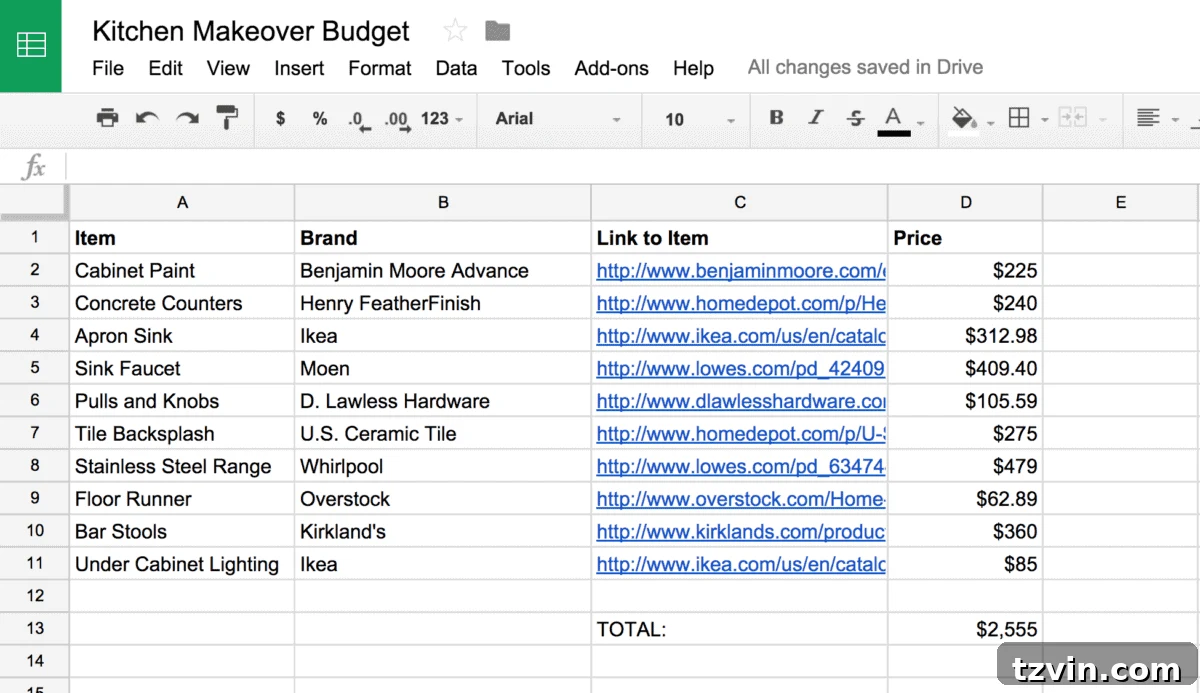
I highly recommend creating a detailed spreadsheet. List every item, its estimated cost, source (with links if ordering online), and priority level. This keeps all your resources and financial data in one organized place. A crucial budgeting tip is to allocate approximately 15-20% of your total budget as a buffer for unexpected expenses or inevitable project hiccups. No renovation or decorating project ever goes exactly as planned, and having this contingency fund can alleviate stress when unforeseen costs arise.
8. Ensure Cohesion with the Rest of Your Home
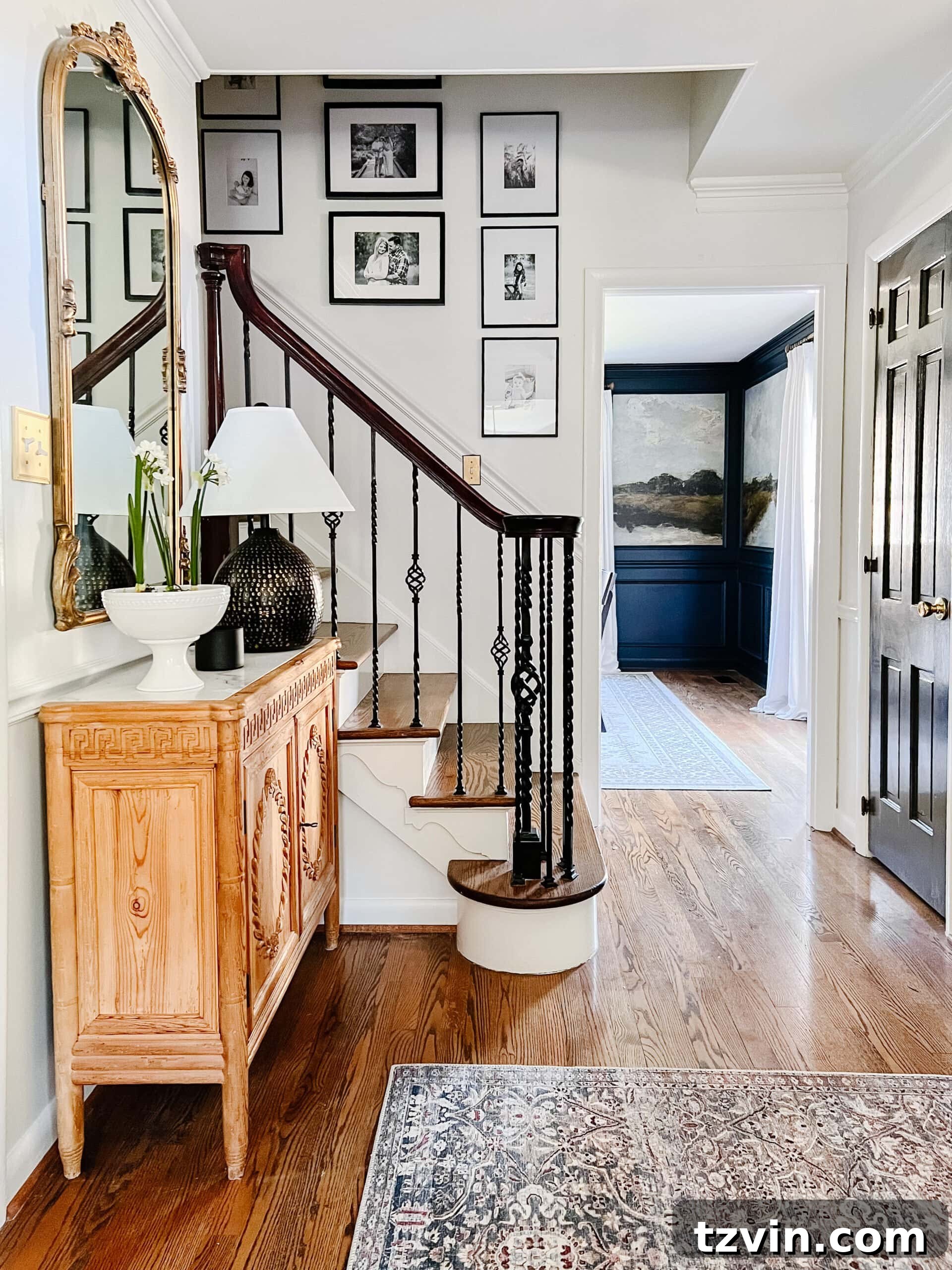
Unless you’re planning a whole-house overhaul, it’s vital to consider how your newly decorated room will integrate with existing spaces. Aim for a harmonious flow from one room to the next, even if the styles aren’t identical. This doesn’t mean every room has to match; rather, there should be a subtle connection in terms of color palette, decorating style, and overall mood. For example, if your adjacent hallway features cool neutrals, introducing warm, vibrant tones in the new room might feel jarring. Instead, carry over a dominant color in a softer shade or introduce complementary textures and finishes that bridge the two spaces. Maintaining a cohesive narrative throughout your home creates a sense of calm and intentional design, making your entire living environment feel polished and inviting.
9. Begin Your Decorating Plan with Art, Wallpaper, or a Key Textile
This is often where many aspiring decorators go wrong, starting with paint colors. It’s significantly easier to match paint to an existing piece of art, a patterned wallpaper, or a key textile (like an area rug or a sofa fabric) than the other way around. Choose one hero element that you absolutely love – something that embodies your style and desired mood – and let it serve as your main inspiration piece. This anchor will provide a guiding color palette and textural direction for the entire room.
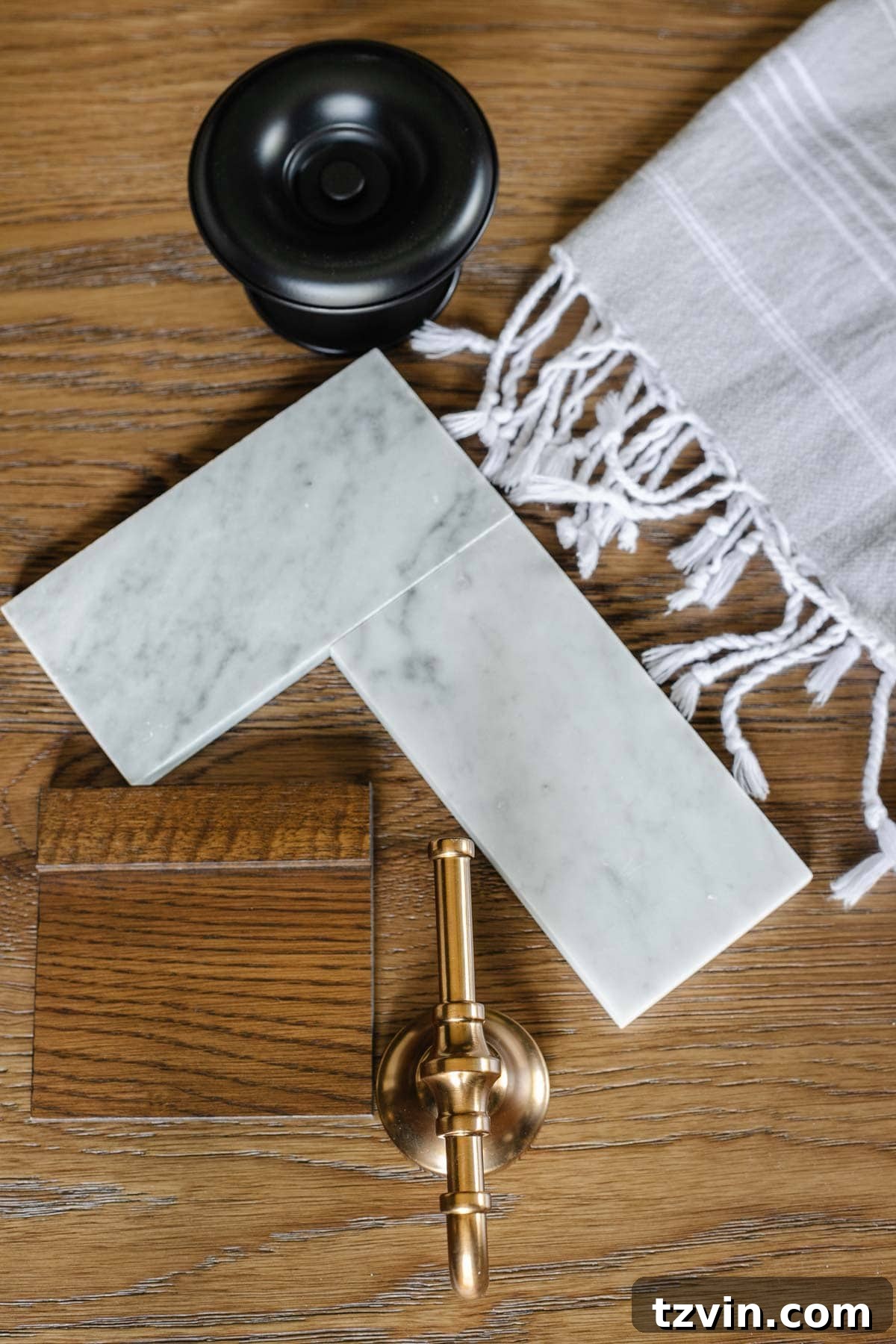
Once your main inspiration piece is selected, you can confidently choose coordinating fabrics, wood tones, and metal finishes. For instance, if your inspiration is a vibrant abstract painting, you can pull subtle colors from it for throw pillows and select a warm wood tone for furniture to complement the artwork’s mood. Consider how different finishes affect the room’s atmosphere: unlacquered brass can create a feeling of warmth and timeless elegance, while bleached wood evokes a minimal, airy, and casual vibe. Lay out samples of all your chosen colors, patterns, and textures together. This allows you to visually assess if all elements complement each other, align with your 2-3 mood words, and tell a cohesive story. Adjust as needed until every piece feels perfectly in place.
10. Create a Detailed Room Design Mood Board
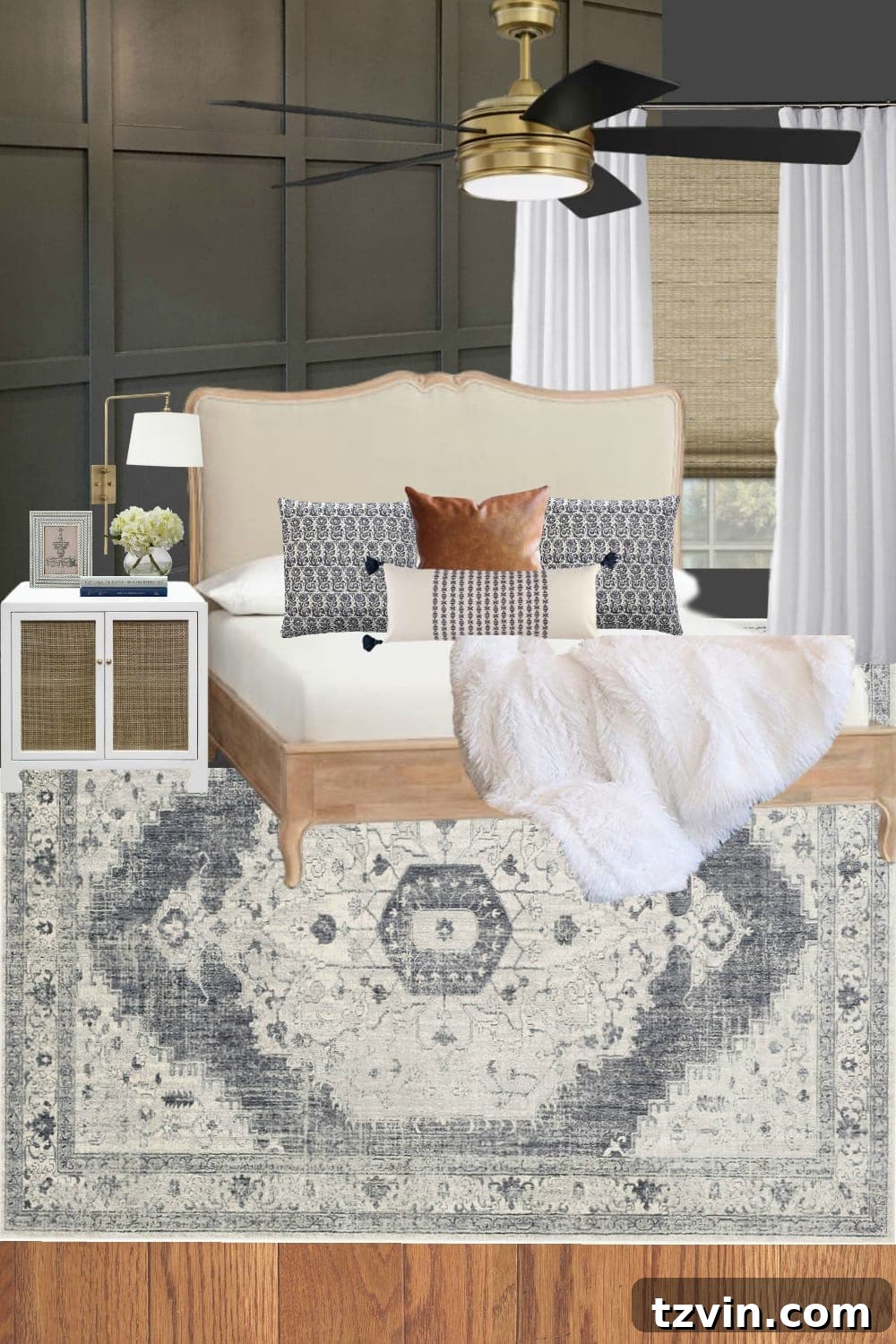
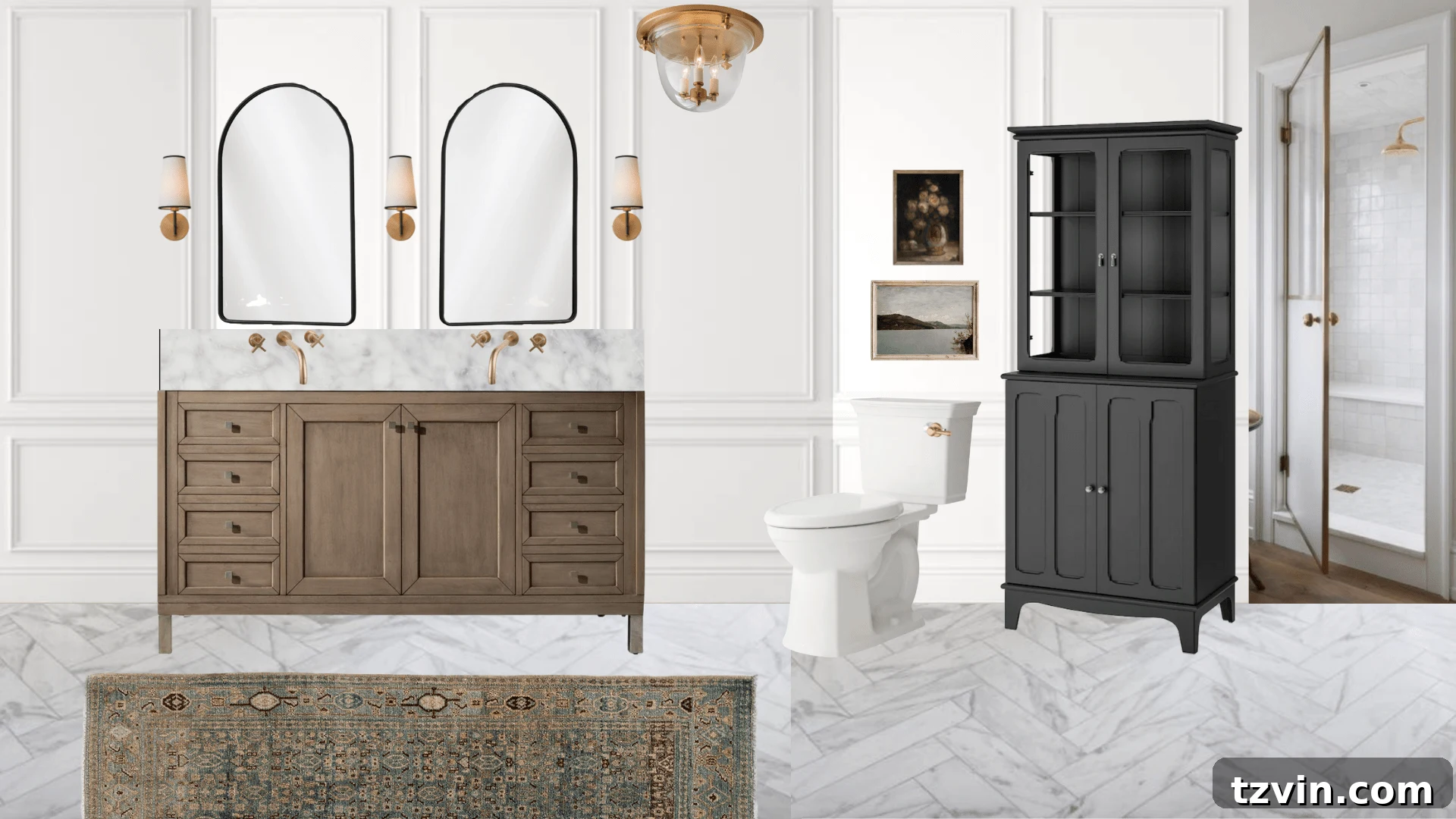
This is where your vision truly comes to life before you spend any significant money. A mood board differs from an inspiration board because it focuses on *specific items* you plan to purchase or incorporate. By creating a visual collage of actual furniture, lighting, textiles, and accessories, you can “try on” decor virtually. This allows you to see how all the elements, from the sofa to the throw pillows, interact with each other in terms of color, texture, scale, and style. If you discover you don’t like the combination on your mood board, you can easily swap items out without the expense and hassle of returns. I often use Canva to make a room design mood board, but simple tools like PowerPoint or Google Slides can also work effectively. There are many online tutorials, including how to decorate a room using a mood board, that can guide you through the process, ensuring your room is perfectly curated before any actual purchases are made.
11. Select and Place Large Furniture Pieces First
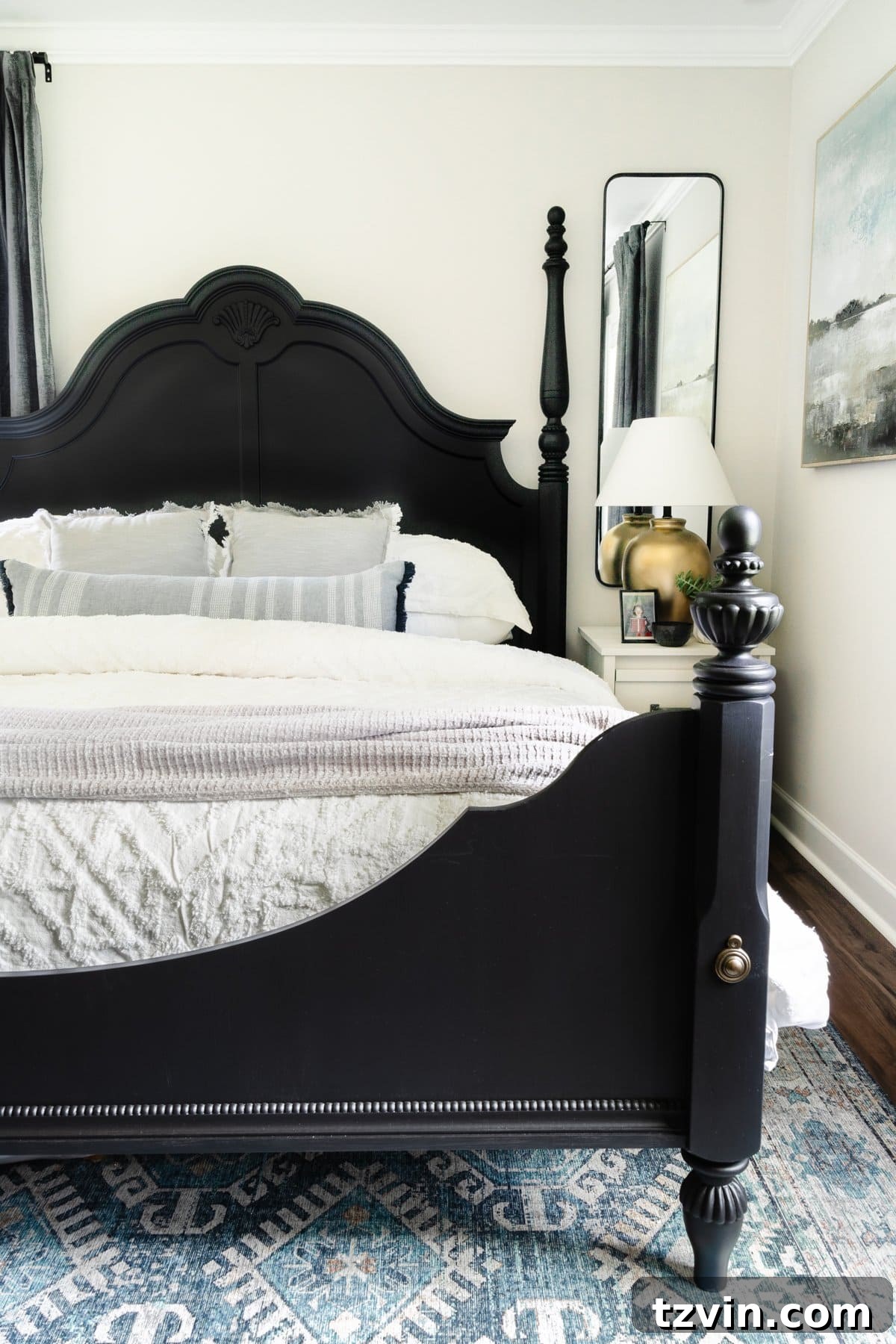
Once your mood board is finalized and you’re confident in your design direction, it’s time to focus on the anchor pieces of the room. These are the largest, most impactful items that define the space’s function and scale – the sofa and armchairs in a living room, the dining table and chairs in a dining room, or the bed and dressers in a bedroom. These pieces should seamlessly integrate with the color palette, style, and mood established in Step 9 and refined in Step 10. Double-check your measurements from Step 5 to ensure that these large items fit perfectly within your planned layout, allowing for adequate traffic flow and balance. As you select each piece, continually refer back to your chosen style and mood words, ensuring every selection reinforces your overall design vision. These foundational pieces will set the stage for the rest of your decor.
12. Curate Accents and Accessories with Purpose
This is often the most enjoyable part of the decorating process, as accents are where your personality truly shines. With your major furniture pieces in place, it’s time to select the smaller, yet equally impactful, details. As you choose lamps, accent tables, decorative pillows, throws, and other accessories, keep your 2-3 mood words firmly in mind. Each item should contribute to the overall atmosphere you’re trying to create. Before heading to stores, don’t forget to “shop your house” – often, older decor items can find new life and purpose in a different room or styled in a fresh way, saving you money and adding character.
For efficient shopping, always carry paint and fabric swatches from your chosen palette in your purse, along with your room measurements on your phone. This simple trick eliminates guesswork. If you stumble upon that “perfect” vase or unique piece of art at a thrift store or boutique, you’ll immediately know if it complements your existing scheme and fits the designated space, preventing costly returns or mismatched purchases.
Expert Tips for Styling with Accents:
- Coffee Table Decor Essentials and How to Style Them: Learn to layer books, trays, and small decorative objects for visual interest.
- End Table Decorating Tips: Master the art of balancing lamps, personal items, and small sculptures.
- How to Decorate a Buffet & Style Anything: Discover how to arrange larger statement pieces with smaller accessories.
- 4 Simple Nightstand Decor Ideas: Create functional and beautiful bedside displays.
- How to Decorate Shelves: Understand the principles of balance, variety, and negative space.
- 7 Tricks for How to Make a Bed Fluffy: Elevate your bedroom with luxurious bedding arrangements.
- How to Decorate Kitchen Countertops: Add warmth and personality without sacrificing practicality.
13. Infuse Personal Touches to Tell Your Unique Story
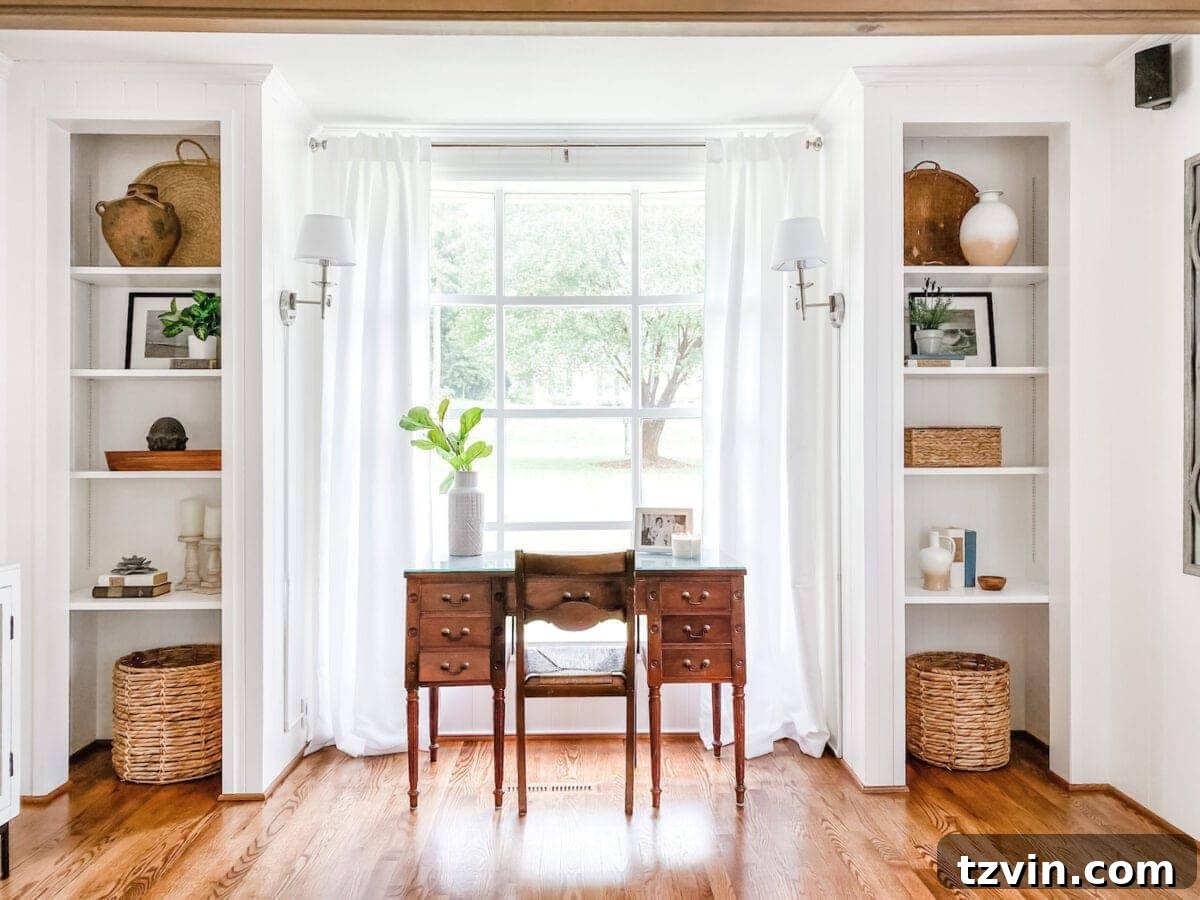
The final, and arguably most important, step in decorating a room is to infuse it with personal touches that tell your story. A room, no matter how beautifully styled, feels incomplete without elements that hold sentimental value. Consider creating a gallery wall featuring cherished family photos, unique artwork reflecting family history, or pieces that signify shared interests and passions. Display mementos from memorable vacations, handcrafted gifts, or heirlooms passed down through generations. These items, whether placed on shelves, tabletops, or integrated into your gallery wall, are more than just decorations – they are conversation starters, memory keepers, and free ways to add unparalleled character.
While a magazine-worthy room can be visually stunning, a home decorated from the heart, filled with personal narratives, possesses a warmth and authenticity that no trend can replicate. These unique elements transform your house into a true sanctuary, a space that genuinely reflects the beautiful lives lived within its walls. Embrace these personal touches, celebrate your history, and let your home narrate your family’s journey.
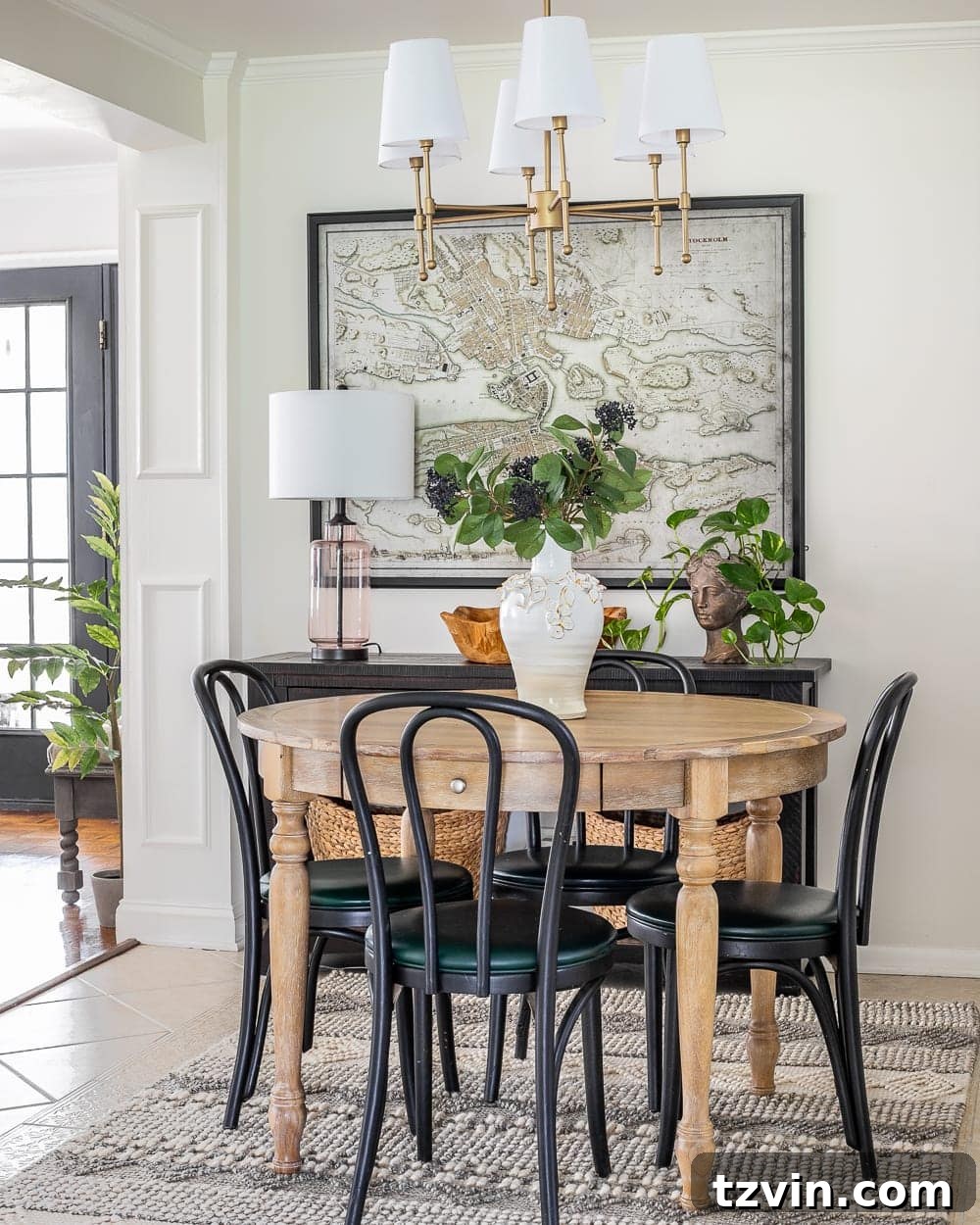
This comprehensive planning process might seem extensive at first, but with practice, it becomes second nature. It’s about building a solid foundation for your design dreams, much like creating a detailed roadmap for a journey. My husband and I consistently apply these steps, combining our ideas, meticulously measuring, and sourcing resources before we even consider picking up power tools or paint brushes.
Do you have your own tried-and-true decorating and planning methods that help your rooms come together beautifully? Or are you more inclined to “wing it” and still achieve stunning results? Regardless of your approach, the ultimate goal is to create a space that genuinely reflects you and your family – so own it, make it yours, and revel in the comfort of a home that tells your unique story.
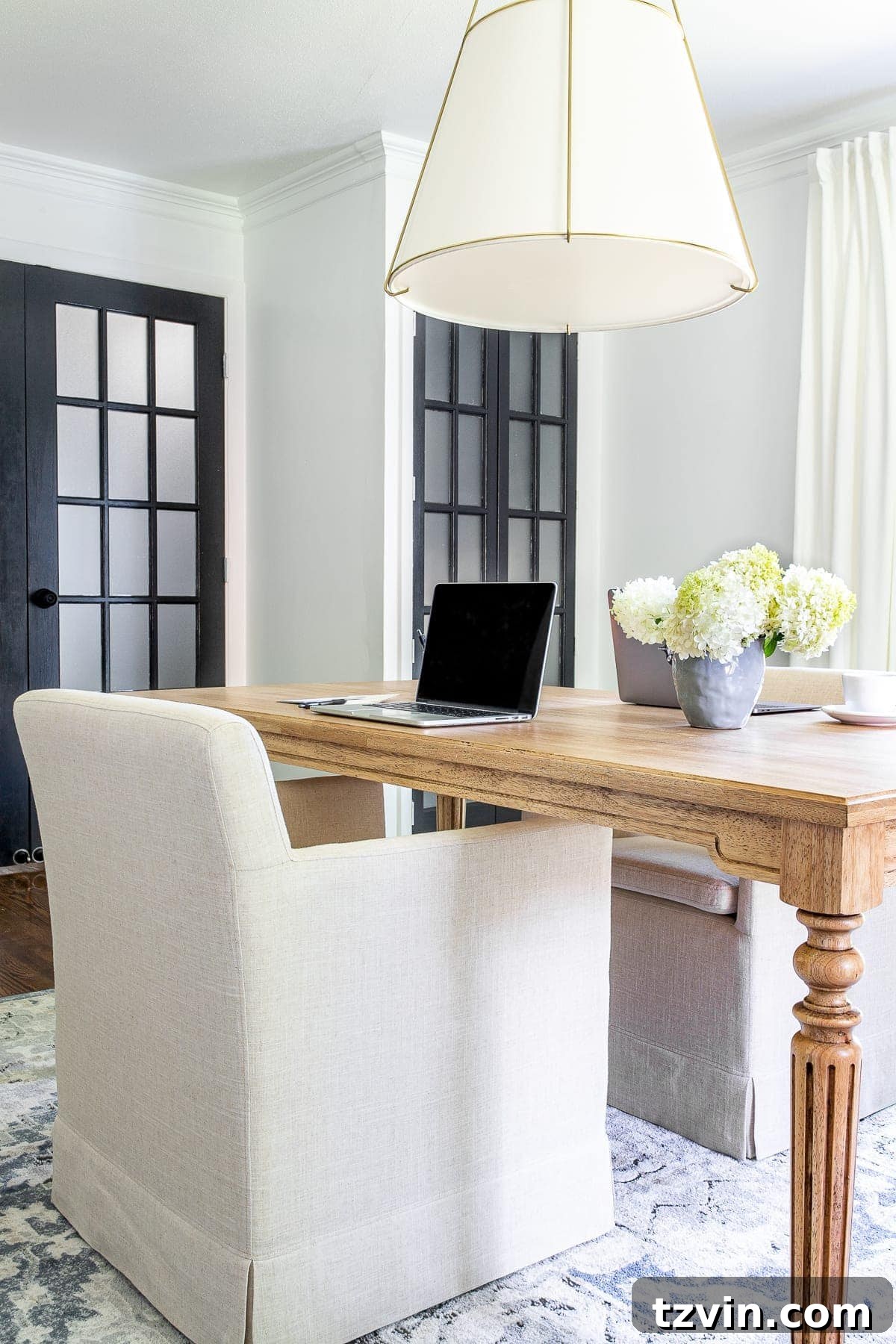
Frequently Asked Questions About Room Decorating
When decorating a new house, it’s often best to start with the room where you and your family spend the most time, such as the living room or master bedroom. The key benefit of completing one room before moving to the next is a reduced sense of overwhelm; you get to enjoy a fully finished, functional space while other areas might still be works in progress. This approach provides immediate gratification and reinforces your design vision, helping you maintain momentum without distractions. Once your most-used spaces are complete, gradually work your way to less frequently used rooms, applying the same methodical planning process.
Redecorating on a budget is entirely achievable with creativity and resourcefulness. Here are 10 impactful ways to refresh your space without breaking the bank:
- Rearrange Your Furniture: Experiment with different layouts to create new zones and perspectives, giving the room an entirely fresh feel for free.
- Shop Your House: Look at your existing decor with fresh eyes. Can a piece of art from the bedroom work in the living room? Can throws from one sofa brighten another?
- Explore Secondhand Treasures: Check classified listings, thrift stores, and online marketplaces for unique furniture pieces and decor items. A little DIY with paint can transform them.
- Paint Power: A fresh coat of paint can dramatically transform an entire room for around $50-$100. Choose a new color or refresh existing walls for an instant uplift.
- Declutter and Reorganize: Sometimes, the biggest impact comes from simply decluttering. Clear surfaces, organize drawers, and remove excess items to create a sense of calm and space.
- Update Lighting Fixtures: Spray paint old light fixtures for a modern look, or simply swap out lamp shades for a new style.
- Refresh Textiles: Focus on key textile pieces like throw pillows in the living room, a new comforter in the bedroom, or a vibrant shower curtain in the bathroom to introduce new colors and textures.
- Swap Rugs: Move rugs from one room to another. A different rug can instantly redefine a space and refresh the color palette.
- Incorporate Greenery: Add a few plants – real or high-quality faux – to bring life, color, and a sense of freshness to any room.
- Host a Decor Swap: Organize a decor exchange with friends! Put sticky notes on items you’re willing to part with and “shop” each other’s homes for a fun and free room refresh.
Explore More Home Decor Resources
- How to Make a Mood Board Room Design on Canva
- 14 Big Impact Ways to Redecorate a Room Inexpensively
- 40 Ways to Improve Your Home for Under $100
- How to Transition to a New Decorating Style Seamlessly