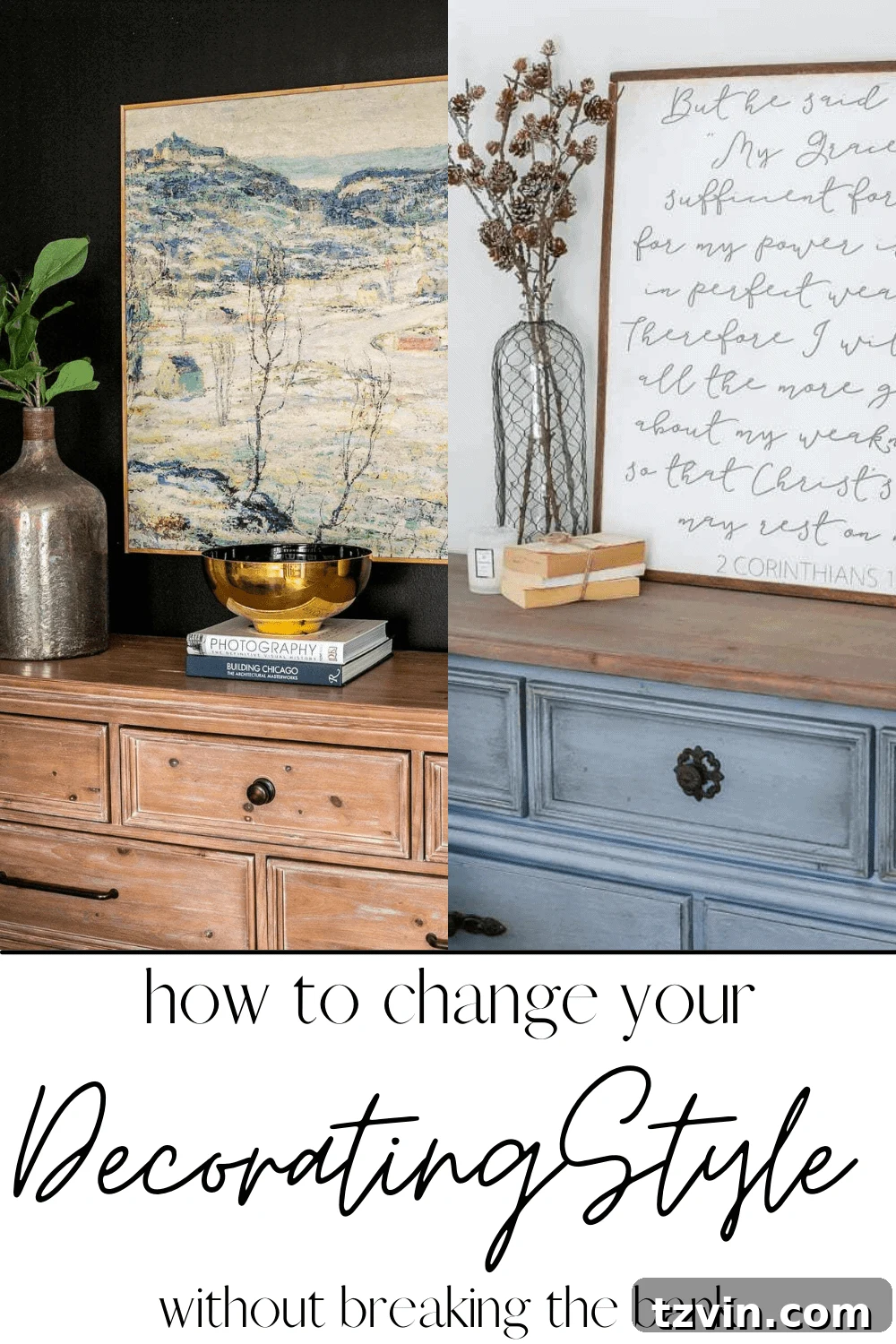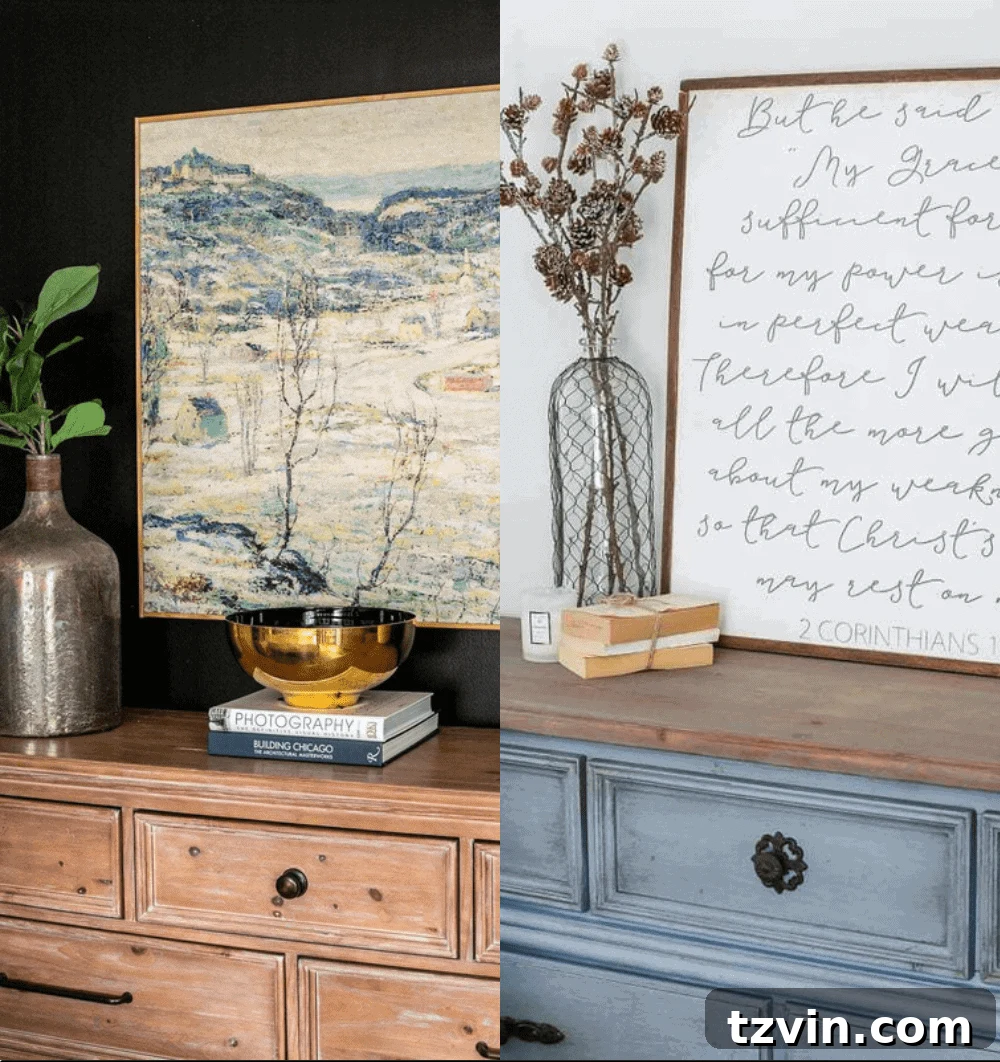
8 steps to transition your decorating style from farmhouse (or any other trend) to a new decorating style without breaking the budget.
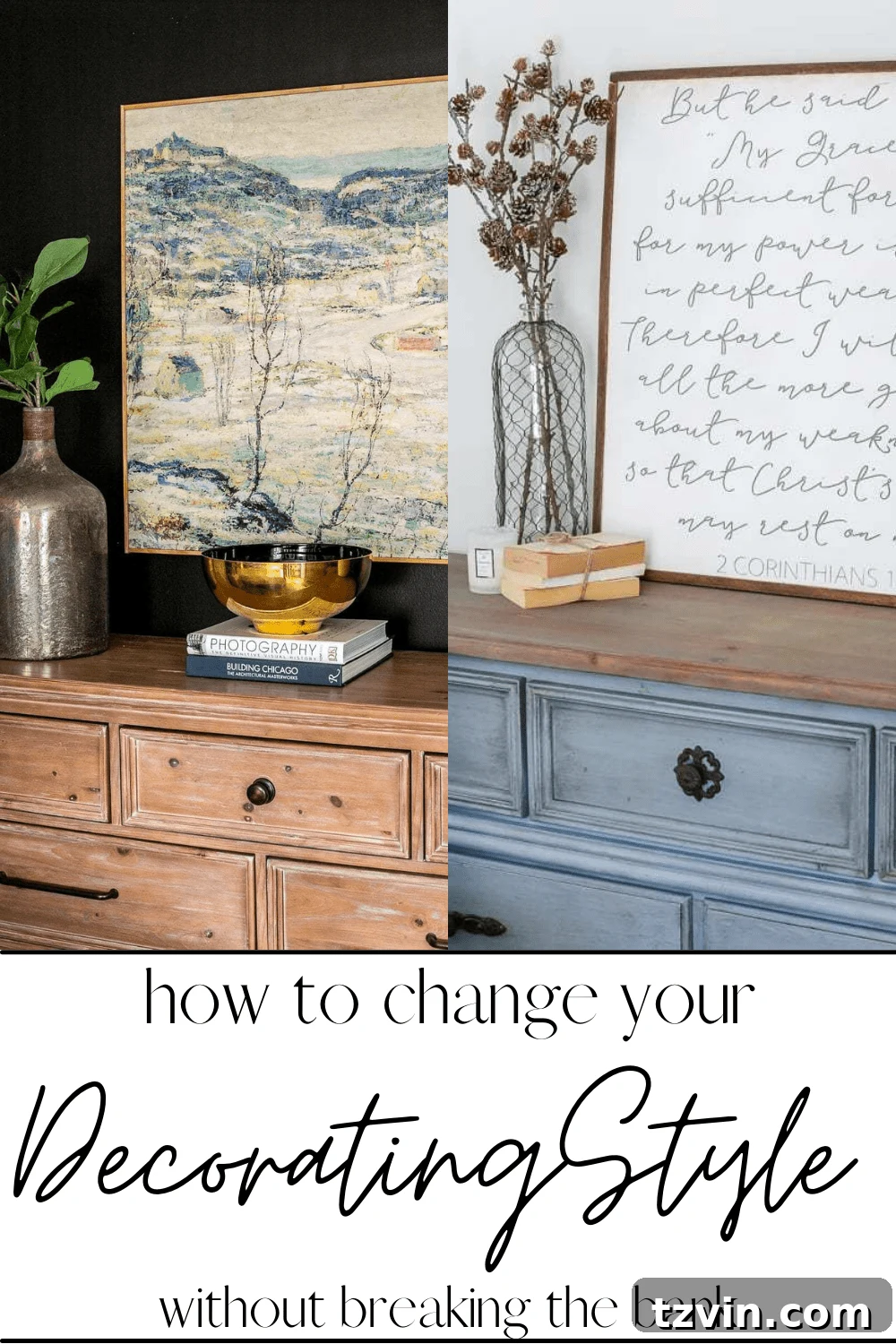
In the dynamic world of interior design, styles evolve constantly. While embracing trends can be exhilarating, it’s equally important to create a home that truly reflects your unique personality and brings you joy. This guide offers practical, budget-friendly strategies to gracefully evolve your decorating style, whether you’re moving on from farmhouse chic, mid-century modern, bohemian aesthetics, or any other popular trend. Remember, your home is your sanctuary, and you are the ultimate authority on what makes it feel right. There’s absolutely no need to apologize for loving a particular style, nor for wanting a refreshing change when inspiration strikes.
Lately, a common question has filled my inbox: “How can I smoothly transition my home away from farmhouse style?” This article is dedicated to answering that question, providing a clear roadmap to refresh your living space without overspending.
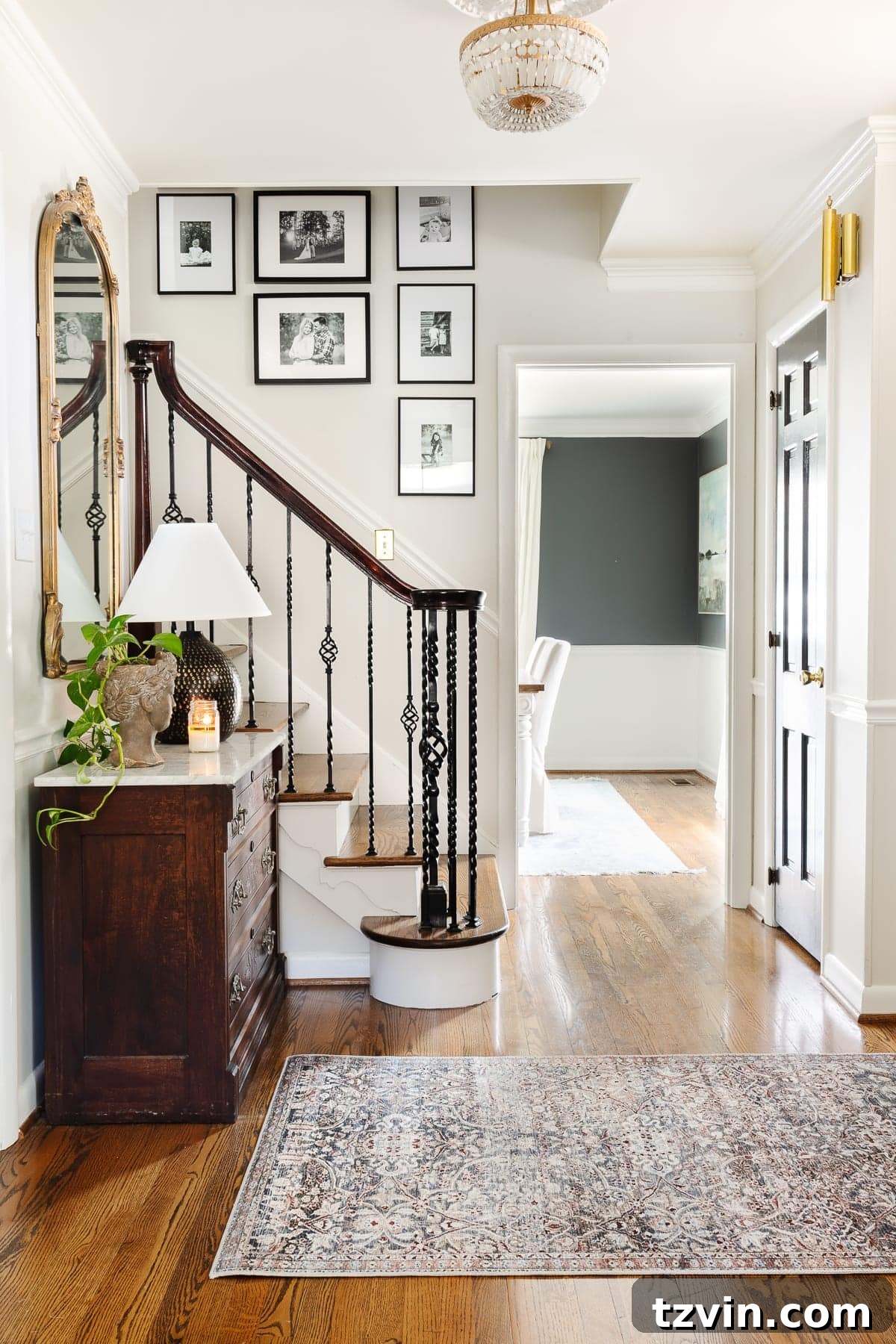
If you’re feeling ready for a new aesthetic, rest assured that updating your home’s decor doesn’t have to strain your finances. With a thoughtful approach and these actionable steps, you can achieve a fresh look you’ll adore.
How to Transition Away from Farmhouse Style (or any style) Affordably
1. Identify Your New Decorating Style First
Before making any changes, the most critical first step is to define where you want to go. Without a clear vision for your new decorating style, you risk falling into a cycle of “trial and error” purchases. This often leads to wasted money on items that don’t quite fit and costly mistakes that could have been avoided. Take the time to sit down, reflect, and genuinely explore what truly resonates with you now. Consider browsing various design magazines, online portfolios, and even visiting local furniture showrooms to pinpoint elements that catch your eye. What colors, textures, and moods are you drawn to? What overall feeling do you want your home to evoke?
To ensure a solid foundation for your style evolution, follow these 6 Steps to Find Your Decorating Style. This methodical approach will help you articulate your preferences, understand different design aesthetics, and ultimately guide your choices towards a cohesive and authentic new look. Investing this time upfront will save you both money and frustration in the long run.
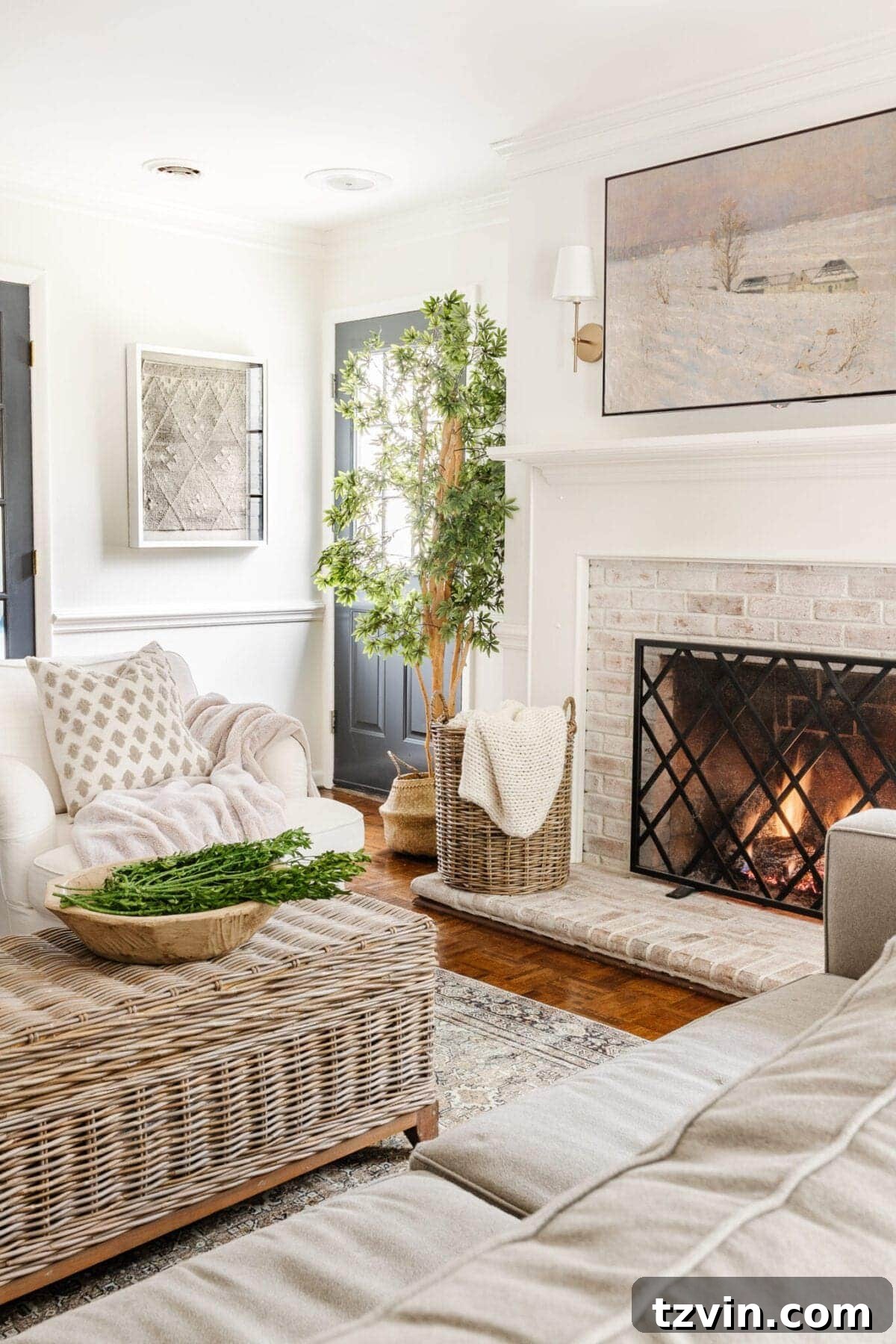
2. Take Inventory of Your Current Decor
Once you have a clear idea of your desired new style, it’s time for a thorough “decor audit” of your current home. Walk through each room with a critical yet objective eye, making a detailed list of items that no longer align with your evolving taste or feel outdated. For those transitioning from farmhouse, this might include distressed furniture, rusted galvanized pieces, wooden word signs with rustic quotes, chippy paint decor, reclaimed architectural elements, overly graphic throw pillows, or certain types of rugs. Trust your instincts on what feels out of place or simply doesn’t “speak” to you anymore. Be honest about what truly brings you joy and what you’re holding onto out of habit or obligation.
Consider our own journey: do you remember our kitchen from our first house? I was deeply invested in the farmhouse aesthetic, filling it with many of these characteristic items. While it served its purpose and brought a certain charm at the time, tastes naturally change.
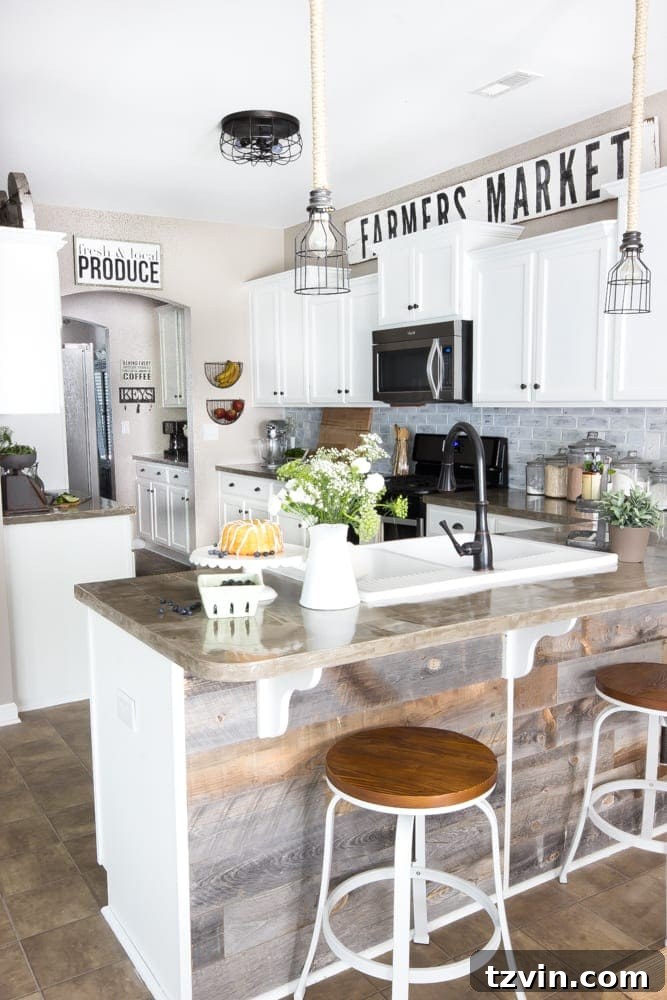
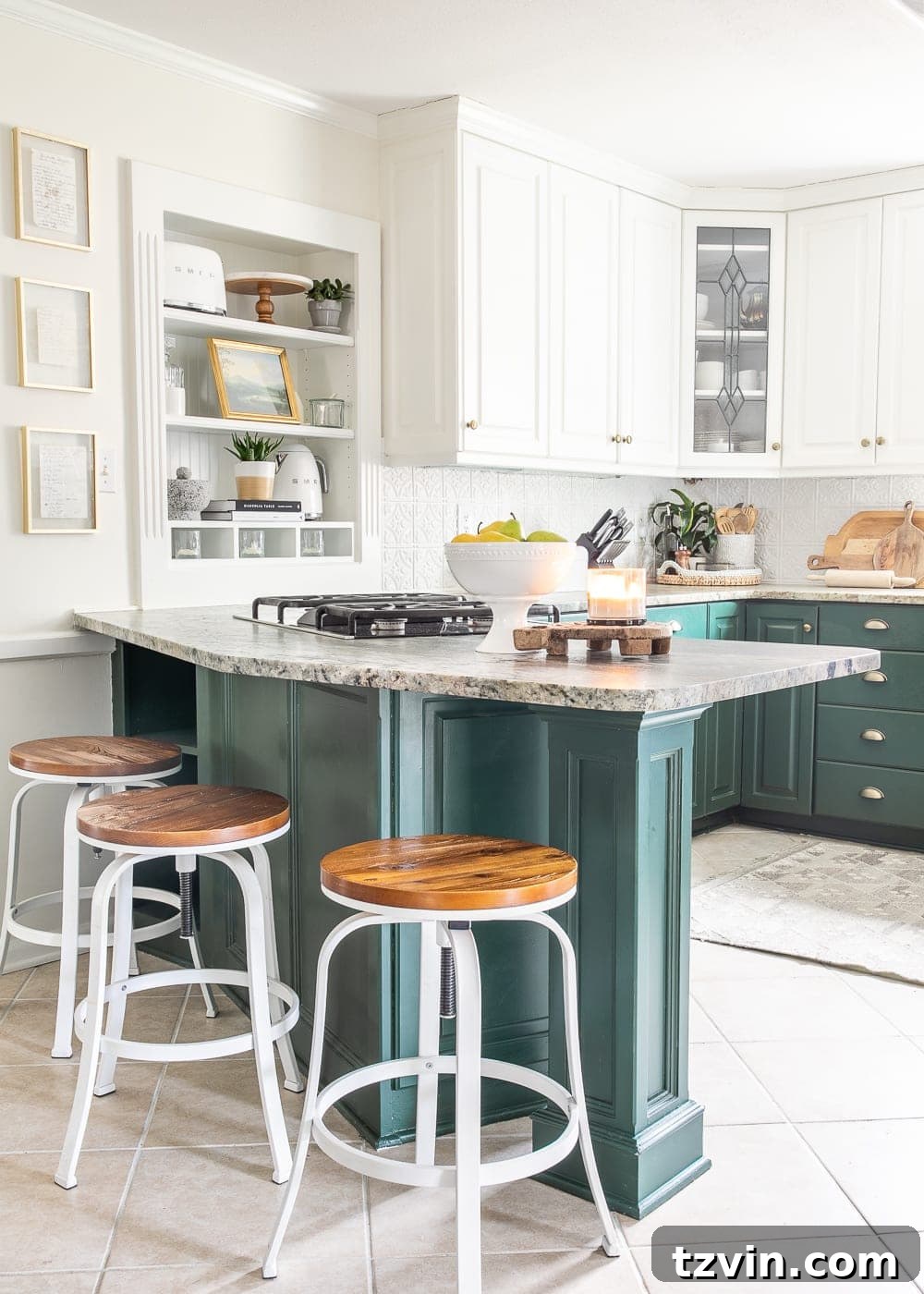
After moving into our new home and decorating with farmhouse elements for about a year, I found myself no longer drawn to the rustic wooden signs, industrial metal accents, and heavy reclaimed wood. This realization spurred a shift towards more classic and refined pieces. A quick kitchen refresh involved painting the lower cabinets a fresh green, which immediately created a more classic-meets-modern look, demonstrating how small changes can lead to a significant style evolution without a complete overhaul. This process of re-evaluation is essential for any style transition.
3. Decide What Pieces of Your Current Decor You Can Repurpose
Before discarding everything, carefully review your list of items you no longer love. You might be surprised by how many pieces can be transformed with a little creativity and effort. Repurposing is not only budget-friendly but also a sustainable way to refresh your home. Ask yourself:
-
Can that distressed piece of furniture just be updated with a coat of paint?
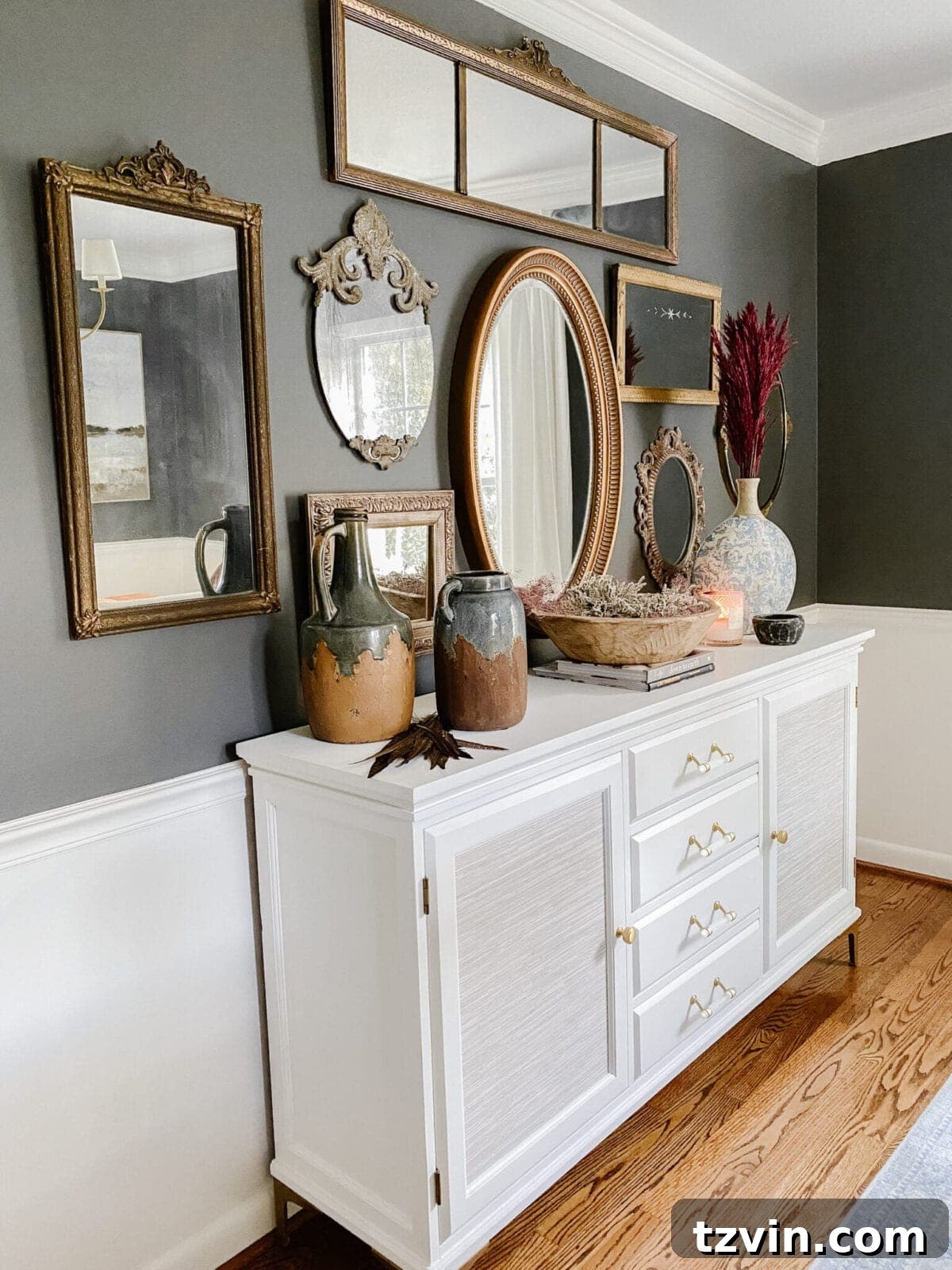
A fresh coat of paint can work wonders on furniture, completely transforming its character. A distressed, rustic console table can become a sleek, modern statement piece with a coat of matte black or a sophisticated deep navy. Similarly, a shabby chic dresser can be given a new life with a crisp white or a vibrant jewel tone. When painting furniture, consider the type of paint (chalk paint for a velvety finish, latex for durability, or spray paint for intricate details) and proper prep work, like light sanding and priming, for a long-lasting result. If you’re new to furniture painting, here’s a beginner’s guide to help you get started with confidence.
-
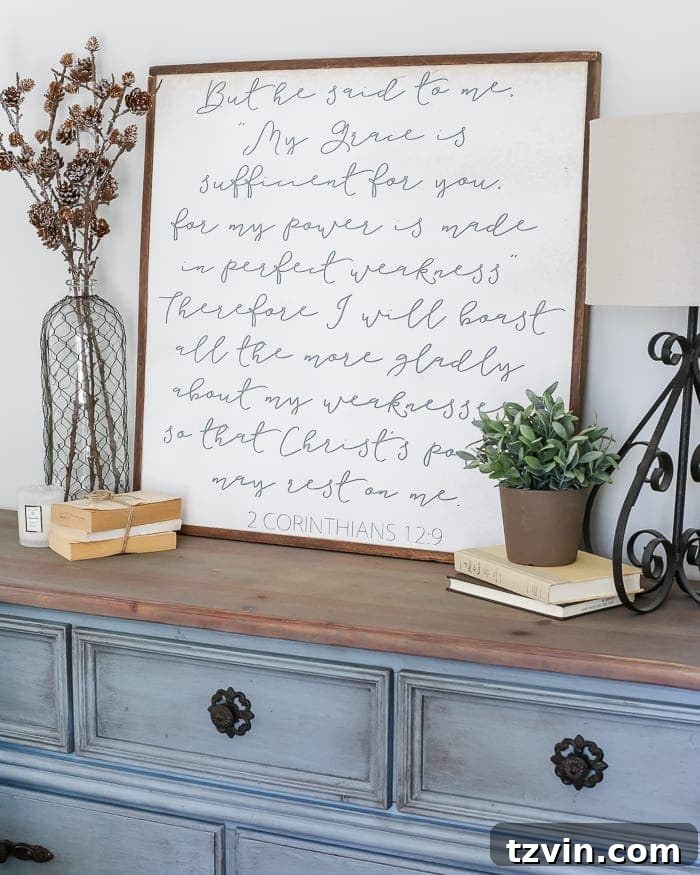
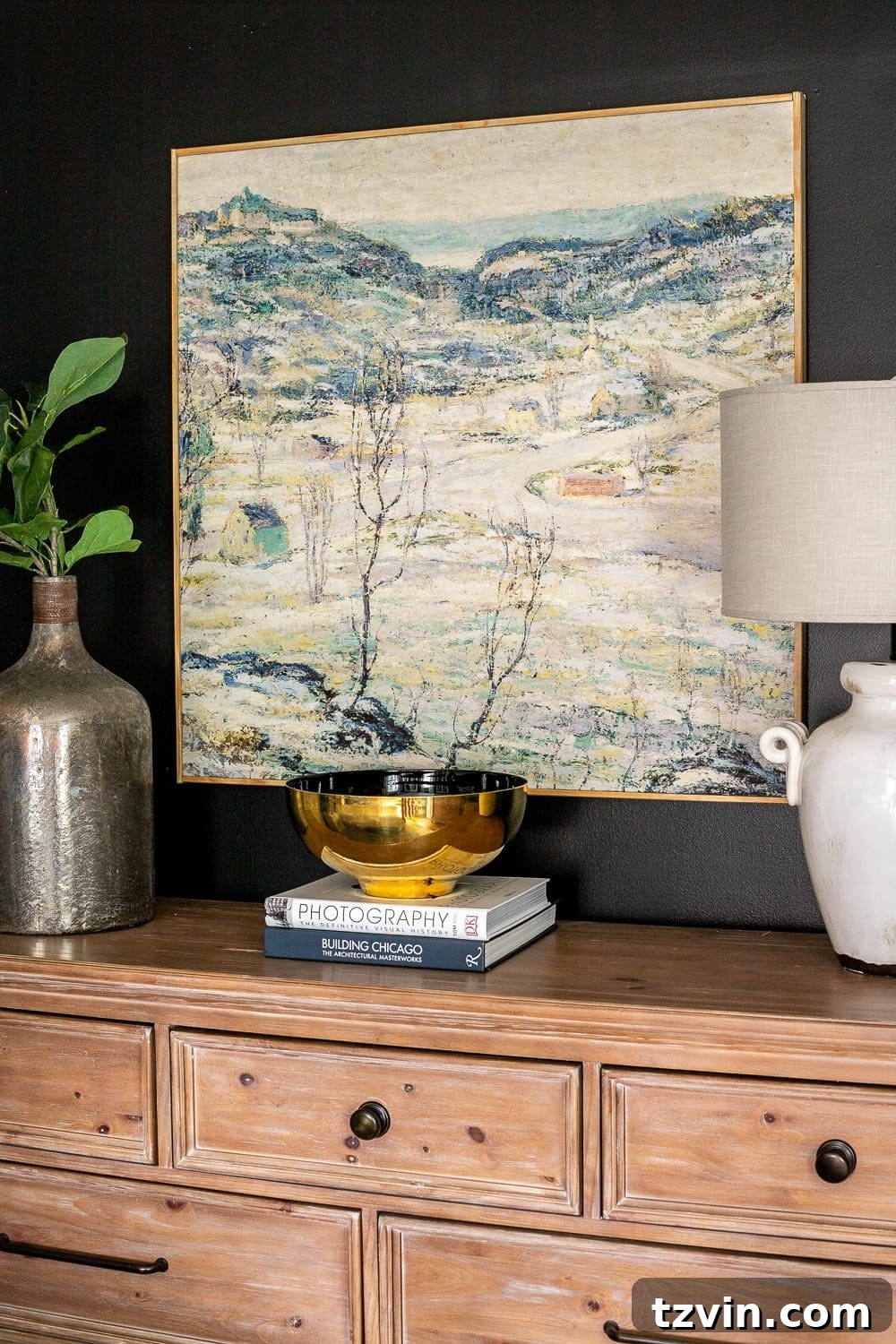
Can that word art be transformed into updated art?
Many popular word signs are made on wooden boards or canvas, which can serve as an excellent base for new artwork. Instead of buying new pieces, consider repurposing these. You could Mod Podge a vintage art print onto a wooden sign or cover an old canvas with a new design. Alternatively, simply paint over the existing text with a solid color and then add your own abstract design, a subtle geometric pattern, or even attach a piece of textured fabric. Another effective trick is to swap out farmhouse-themed art in your existing frames with elegant antique oil painting prints or contemporary graphic designs. You can find numerous options in my printable library or by searching for “vintage art printable” on platforms like Pinterest or Etsy, offering endless possibilities for a fresh look.
-
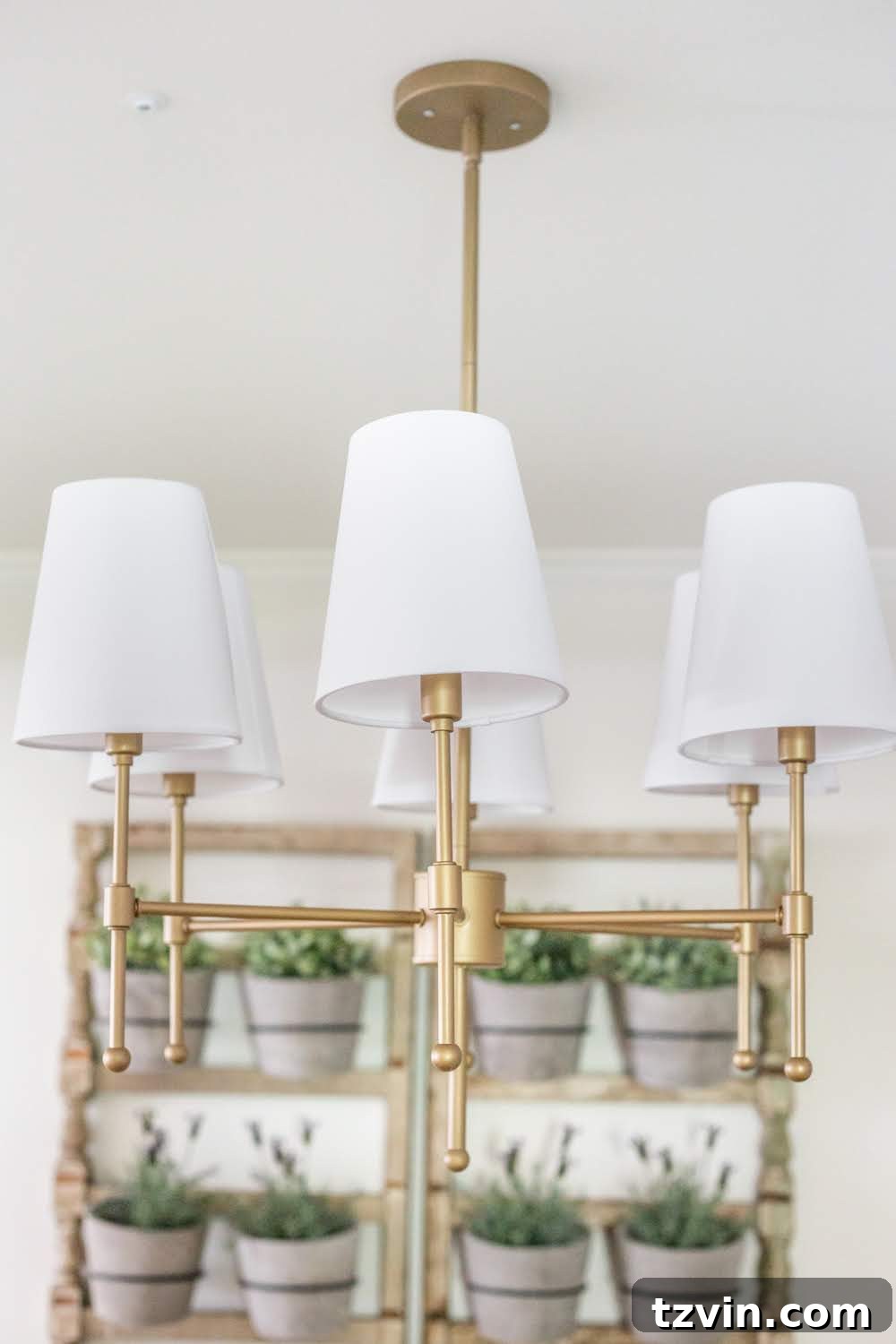
Can that light be spray painted? Or can you add new shades for a different look?
Light fixtures are often overlooked but can significantly impact a room’s style. A dated bronze or oil-rubbed bronze fixture can be transformed with a fresh coat of metallic spray paint – consider modern brass, sleek black, or even a brushed nickel finish. The key is proper preparation, including cleaning and light sanding, to ensure the paint adheres well. Beyond painting, simply swapping out existing shades for new ones can dramatically alter the look. Drum shades can modernize a traditional chandelier, while linen or woven shades can soften an industrial fixture. Sometimes, even just updating the light bulbs to a warmer or cooler tone can create a noticeable shift in ambiance. These small changes offer a high return on investment for updating your lighting.
-
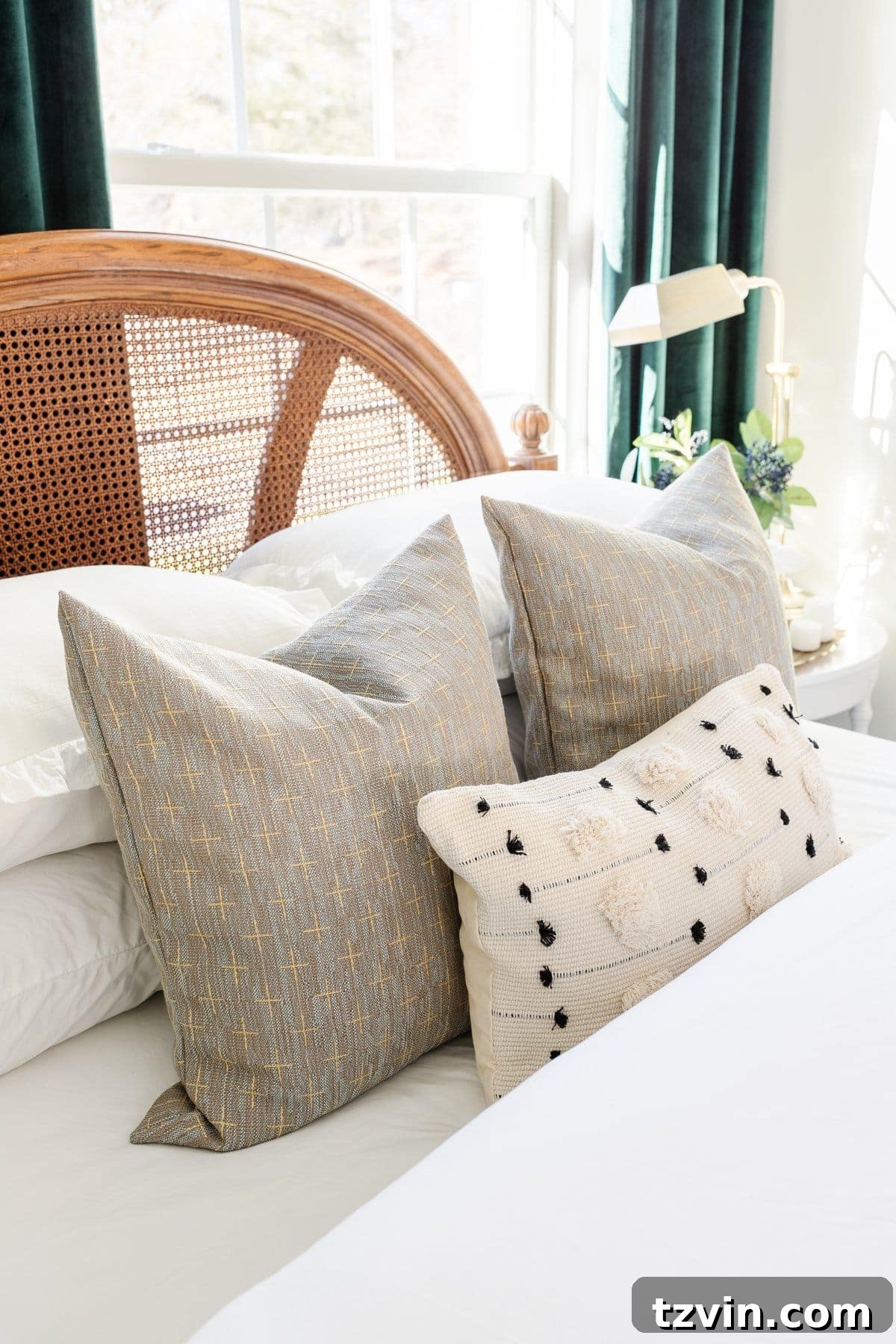
Can you recycle your throw pillows by just putting them inside of newer pillow covers?
Throw pillows are one of the easiest and most affordable ways to change the look of a room. Instead of buying entirely new pillows, which can add up, invest in new pillow covers. If your existing pillow inserts are still in good condition, this is a fantastic way to update patterns, colors, and textures without much cost. Look for covers in solid colors, subtle patterns, or interesting textures that align with your new style. This also makes seasonal decorating effortless – simply swap covers. For additional guidance on curating a stylish and cohesive look, here’s extra help to mix and match pillows effectively, ensuring your selections complement each other and your evolving decor.
By making a conscious effort to work with what you already have, you not only save money but also contribute to a more sustainable approach to home decorating. You might discover hidden potential in beloved pieces, and the satisfaction of transforming something with your own hands is truly rewarding.
4. Sell Items You Don’t Love That Can’t Be Repurposed
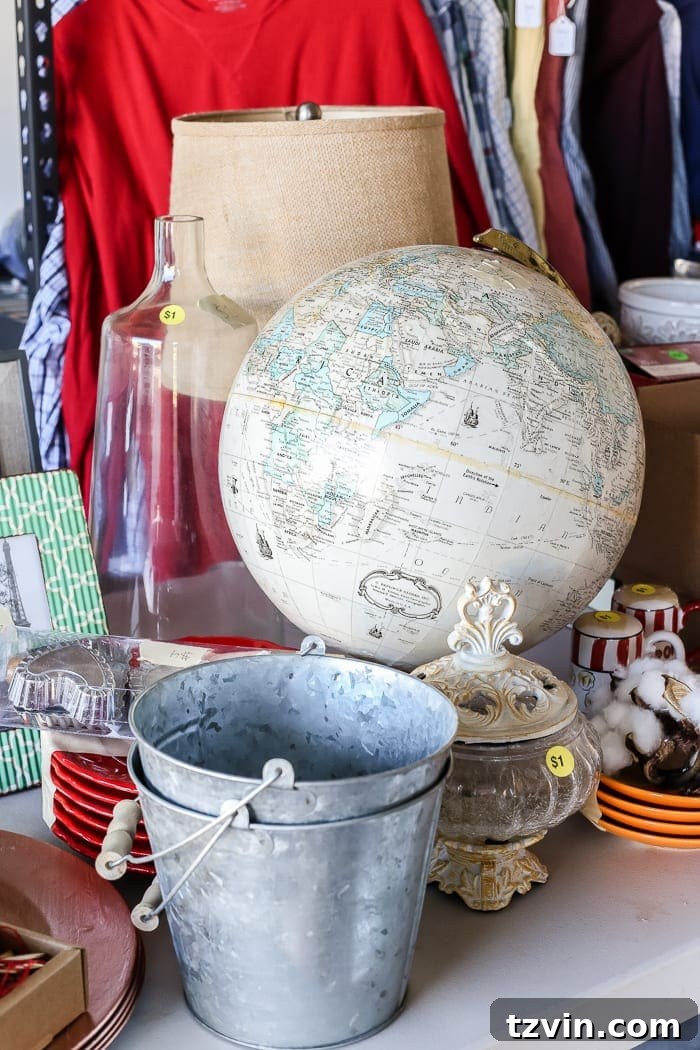
For those items that simply cannot be repurposed or no longer fit your aesthetic, selling them is a smart move. Not only does it declutter your home, but it also provides a small budget for your new decor. Platforms like Facebook Marketplace are incredibly effective for selling local items, allowing you to reach a wide audience. When posting, make sure to take clear, well-lit photos from multiple angles, write detailed descriptions, and price items fairly to encourage quick sales. Other options include local consignment shops, antique malls for specific vintage pieces, or even online auction sites. Hosting a traditional yard sale can also be highly effective for a large volume of items; use these tips to have the most success and maximize your earnings. This generated income will be invaluable for purchasing new pieces that align perfectly with your updated style (but remember to hold off on new purchases until step 7).
5. Allow Your House to “Breathe” for a Few Days and Try for Minimalism
After decluttering and selling off unwanted items, your house might feel noticeably empty. Embrace this temporary emptiness. Allow your home to “breathe” for a few days or even weeks. This period of minimalism, even if unintentional, serves a crucial purpose: it provides mental clarity and a literal blank slate. Bare walls and empty shelves aren’t necessarily a bad thing; they create negative space, which is an important design principle. This clarity allows you to envision new ideas without the visual clutter of old decor, making it easier to identify exactly what new items you truly need to fill the gaps. Many decorating styles, especially farmhouse, are often characterized by filling every nook and cranny with “stuff.” Stepping back from this can help you appreciate a more curated and intentional approach, aligning with a cleaner, more modern aesthetic if that’s your goal. This breathing room will help you make more thoughtful, less impulsive decisions as you introduce your new style.
6. Dedicate a Pinterest Board for Each Room of Your House to Save Ideas
Visual planning is incredibly powerful when transitioning your decor. Create dedicated Pinterest boards for each room in your home, or even for specific elements like “Living Room Color Palette” or “Bedroom Lighting Ideas.” Use these boards to save images that capture the essence of your new style inspirations. This way, you can visually curate and refine your new direction, developing a cohesive and loose plan for each space. Pin images of furniture, color schemes, textures, layouts, and accessories that resonate with your chosen aesthetic. This practice helps ensure consistency across your home and prevents you from straying off course with impulse purchases. If you’re feeling extra ambitious and want a more tangible reference, make a physical mood board with fabric swatches, paint chips, and magazine cutouts. (You can follow me on Pinterest here for an extra resource and inspiration.) The more clearly you can visualize your goal, the easier it will be to achieve it.
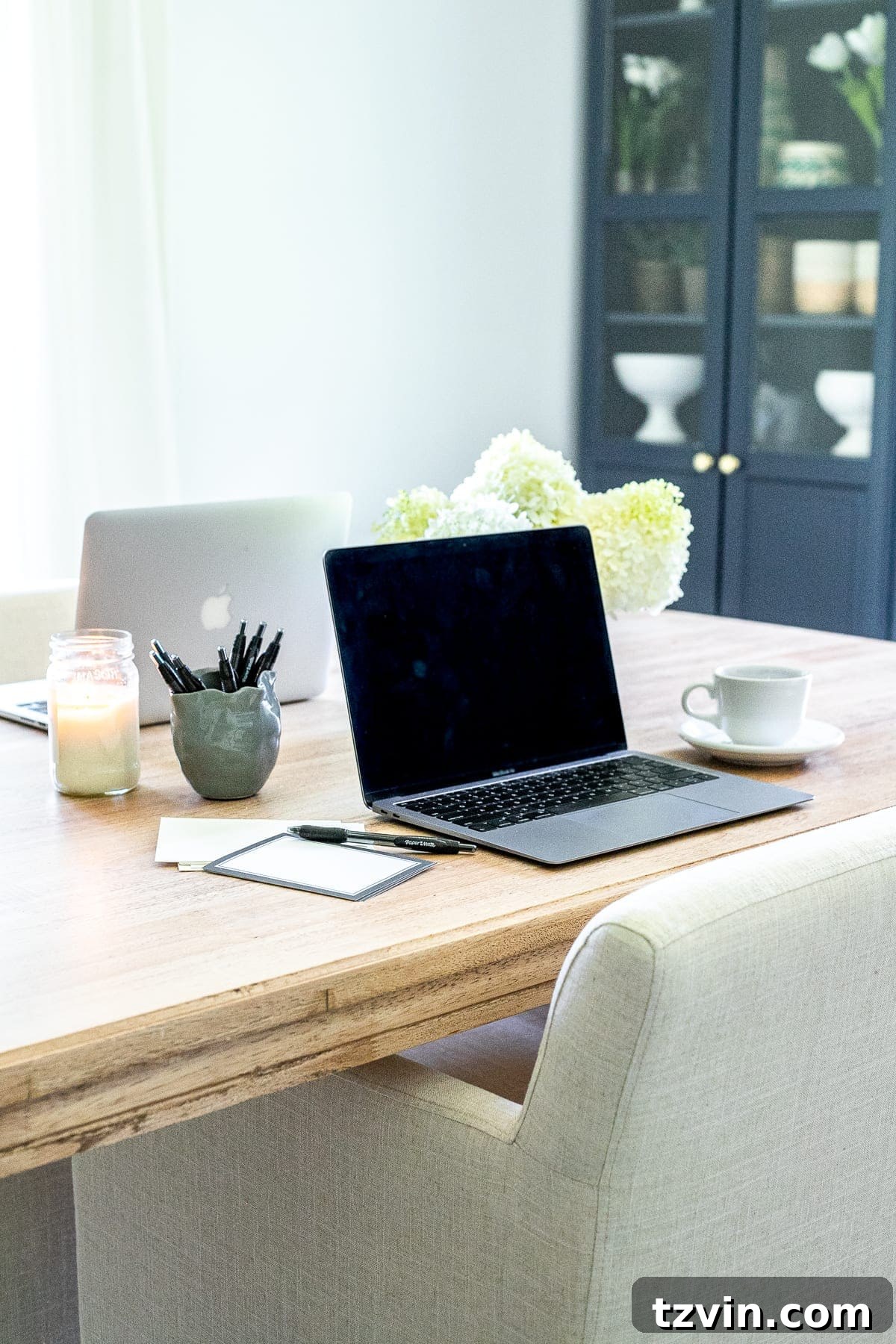
7. When Buying New Items, Begin with Just 1 or 2 Larger Pieces to Inspire Your Direction
Resist the urge to buy many small decorative items right away. Instead, when you’re ready to start purchasing for your new style, focus on one or two significant “anchor pieces” that will make the biggest impact in a room. These larger items can truly set the tone and guide the rest of your decorating decisions. Consider starting with a new rug that embodies your chosen aesthetic, a substantial piece of art that dictates your color palette, or a striking light fixture that transforms the room’s ambiance. For instance, a new geometric-patterned rug can instantly modernize a space, or a bold abstract painting can introduce vibrant hues you wish to carry throughout the room. Placing this key item in a room and observing how it changes the feel of the space will provide invaluable direction.
Many professional interior designers use an inspiring piece of art or a statement rug as a jumping-off point for an entire room’s design. This method is highly effective for anyone, regardless of skill level, as it provides a clear focal point and helps establish the overarching style. Once that large item is in place, take time to reflect. Does it make you feel like you’re heading in the right direction toward the new look you love? If so, you’re on the perfect track to slowly and intentionally build out your redesigned space, ensuring every subsequent purchase complements your initial vision.
8. Make a Conscious Effort to Stick to Classics
To create a home that feels fresh and stylish for years to come, regardless of passing fads, strategically incorporate classic design elements. These items form a timeless “decor capsule” that rarely go out of style and offer remarkable versatility across various decorating aesthetics. By investing in these foundational pieces, you build a resilient decor scheme that can be easily updated with smaller, trendier accents over time. Here are some indispensable classics to consider:
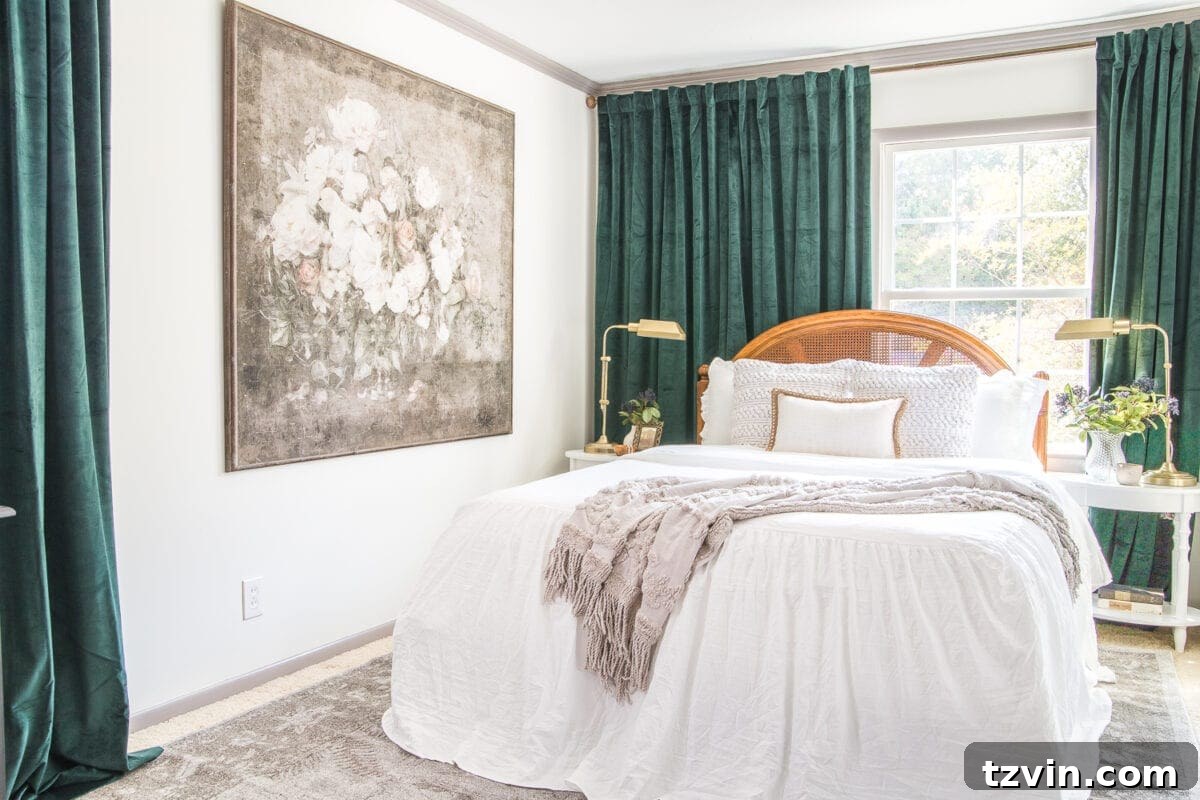
- Solid curtain panels (perk: they make windows appear larger)
Opt for solid, neutral-toned curtain panels in quality fabrics like linen, cotton, or a rich velvet. Solid colors provide a clean backdrop, allowing other elements in the room to shine, and can seamlessly integrate into modern, traditional, or even bohemian schemes. Hanging them high and wide can dramatically increase the perceived size of your windows and the height of your ceilings, adding elegance and grandeur.
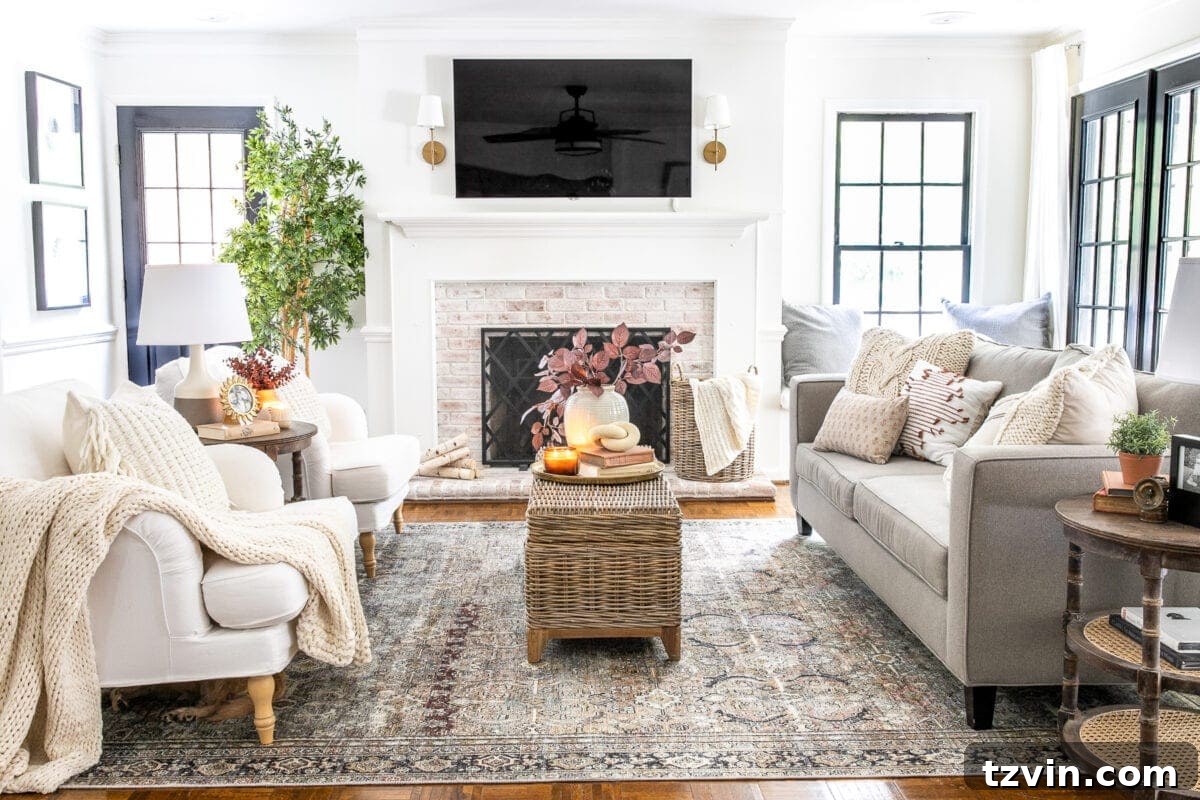
- Natural woven baskets
Versatile and functional, natural woven baskets—made from materials like rattan, jute, seagrass, or willow—add texture and warmth to any space. They are perfect for practical storage (blankets, toys, magazines), housing houseplants, or simply as decorative accents. Their organic feel complements nearly every style, from minimalist to coastal to rustic, bringing a touch of nature indoors.
- Black painted furniture
Black furniture is the epitome of chic and timelessness. Whether it’s a matte black dresser, a glossy black coffee table, or an elegant black side chair, this color provides a sophisticated anchor in any room. Black pieces create contrast, define spaces, and can look equally at home in a sleek contemporary apartment or a cozy traditional setting. It’s a bold yet neutral choice that adds depth and drama.
- Marble elements
Marble, with its inherent elegance and unique veining, instantly elevates a space. Incorporate it through a small side table, a sculptural decorative bowl, a cutting board used for display, or even in larger applications like countertops or fireplaces. The material’s cool, luxurious aesthetic makes it a staple in classic, modern, and even art deco-inspired interiors, offering a touch of refined beauty that never fades.
- Stripe patterns
Stripes are a perennial favorite in interior design due to their ability to add structure and visual interest without being overwhelming. Whether wide or narrow, horizontal or vertical, stripes can be introduced through throw pillows, rugs, blankets, or even wallpaper. A classic navy and white stripe evokes a coastal feel, while subtle tone-on-tone stripes add quiet sophistication. They provide a sense of order and timeless charm.
- Navy blue anything (like the perfect pair of jeans that go with everything)
Just like a classic pair of jeans, navy blue is a universally flattering and adaptable color. It’s a richer, more sophisticated alternative to black, offering depth and calm. Introduce navy through accent chairs, throw blankets, decorative vases, or even a statement wall. It pairs beautifully with almost any other color, from bright whites and vibrant greens to warm metallics and soft pastels, making it a truly versatile hue for any style.
- Oriental/Persian style rugs (vintage ones are even better than new)
Oriental and Persian rugs are treasures that add character, warmth, and a rich history to any room. Their intricate patterns and often muted, complex color palettes bring a layer of texture and visual interest that modern rugs simply cannot replicate. A vintage rug, in particular, tells a story and grounds a space, effortlessly blending with traditional, bohemian, transitional, and even ultra-modern decor by adding an unexpected, soulful element.
- Venetian and brass mirrors
Mirrors are not just functional; they are powerful decorative tools that enhance light and space. Venetian mirrors, with their ornate etched glass and delicate frames, exude old-world charm and glamour. Brass mirrors, whether in sleek modern forms or more traditional sunburst designs, add warmth and a touch of metallic luxury. Both styles are classic choices that elevate walls, reflecting light and creating visual focal points with enduring appeal.
- Bentwood and Windsor chairs
These iconic chair designs have stood the test of time for their elegant forms and comfortable functionality. Bentwood chairs, popularized by Michael Thonet, offer graceful curves and a light footprint, fitting seamlessly into cafes, dining rooms, and offices. Windsor chairs, with their distinctive spindles and solid wood construction, bring a rustic yet refined sensibility. Both styles are incredibly versatile, suiting a range of aesthetics from Scandinavian to traditional farmhouse to contemporary, providing comfortable and stylish seating for generations.
- Clean, white bedding (bonus points: it makes a bedroom feel like a spa hotel)
Nothing screams luxury and comfort quite like crisp, clean white bedding. It instantly creates a serene, spa-like atmosphere in the bedroom, promoting relaxation and tranquility. White bedding is endlessly versatile, acting as a perfect canvas for layering throws, accent pillows, and decorative elements in any color or pattern. It keeps the space feeling light, airy, and impeccably fresh, a classic choice for a restful sanctuary.
- Furniture with clean lines
Furniture characterized by straight lines, minimal ornamentation, and simple forms is a cornerstone of timeless design. Pieces with clean lines, such as mid-century modern sideboards, Shaker-style tables, or sleek upholstered sofas, offer a sense of order and sophistication. They don’t compete with other decor elements but rather provide a harmonious foundation. This style of furniture is adaptable, allowing it to transition effortlessly between different trends and always appear contemporary.
- Real houseplants
Bringing nature indoors with real houseplants is a classic decorating move that never goes out of style. Beyond their aesthetic appeal, plants purify the air, boost mood, and add vibrant life and texture to any room. From large, dramatic floor plants like a Fiddle Leaf Fig or Monstera to smaller, sculptural succulents or delicate ferns, houseplants introduce an organic element that instantly makes a space feel more inviting, fresh, and complete, regardless of the overall decorating style.
Do you have any other tips you’d add to this comprehensive list? Has this guide provided you with the confidence and direction needed for your style transition?
I’ve personally been venturing away from the farmhouse aesthetic for nearly four years now. While it presented its own set of challenges in the beginning, the journey has made me much more conscious of making smarter, more intentional decorating decisions. My focus has shifted to choosing pieces that transcend fleeting trends and offer enduring appeal. The result is a home that feels timeless, authentic, and truly reflective of my evolving taste. After all, being true to yourself is always in style, isn’t it? No one ever truly made their mark on the world by simply trying to mimic everyone else.
Ultimately, it’s your house where you live every single day. The rooms within it should inspire you and your household above all else. Create a space that nurtures your soul, supports your lifestyle, and truly feels like home, not just a fleeting design statement.
If you want to save this post for later, you can pin it here: